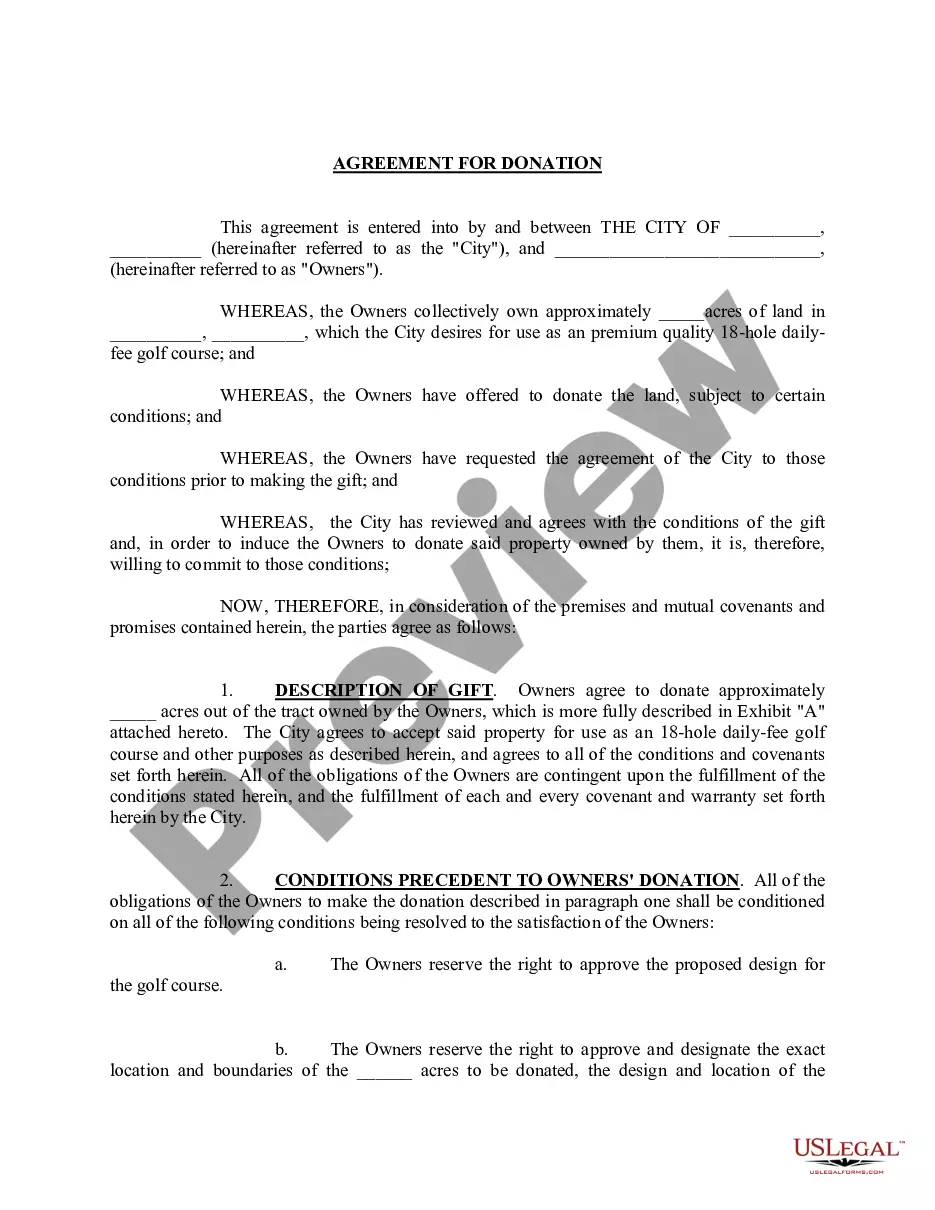
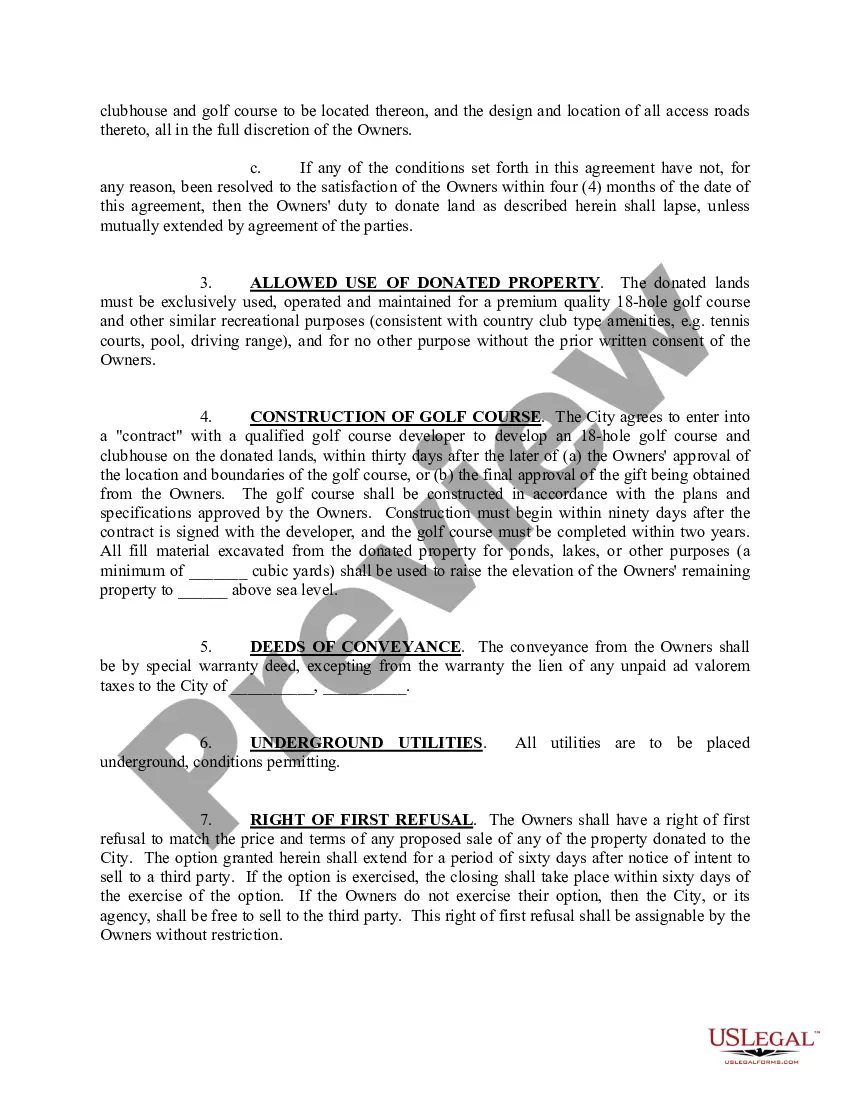
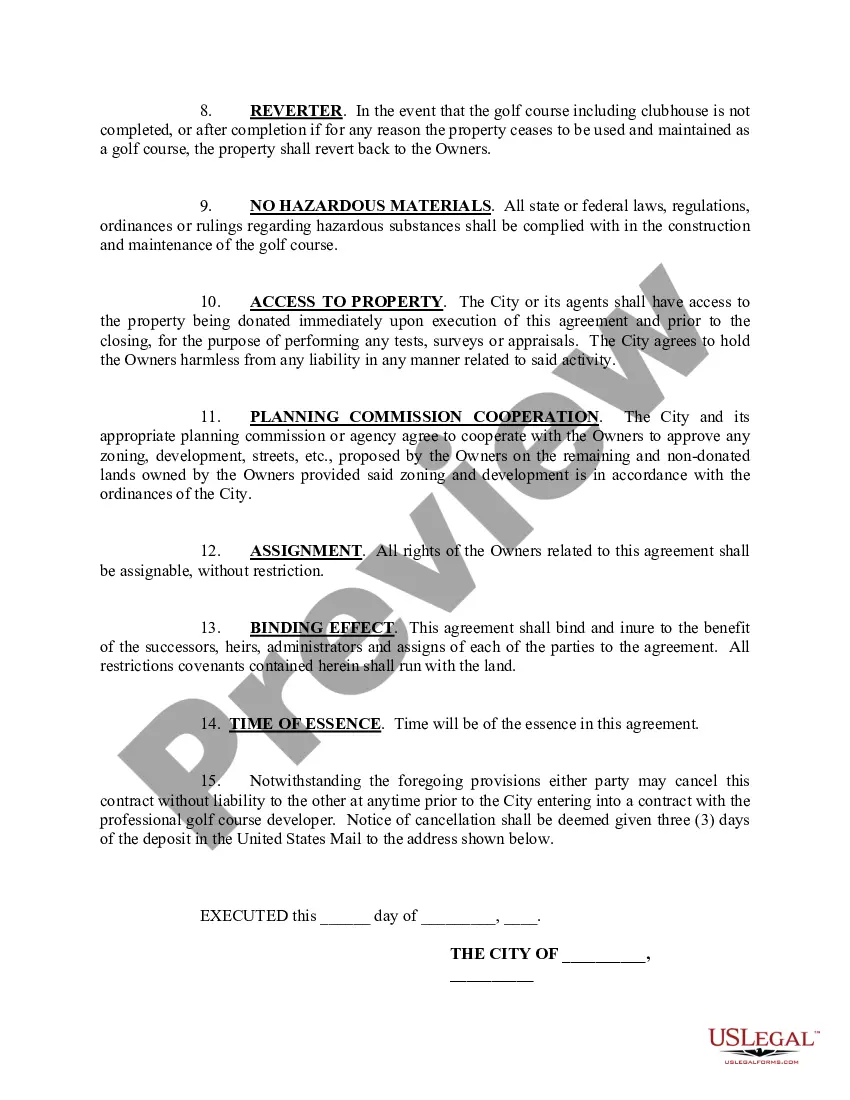
Donation For Land In Georgia
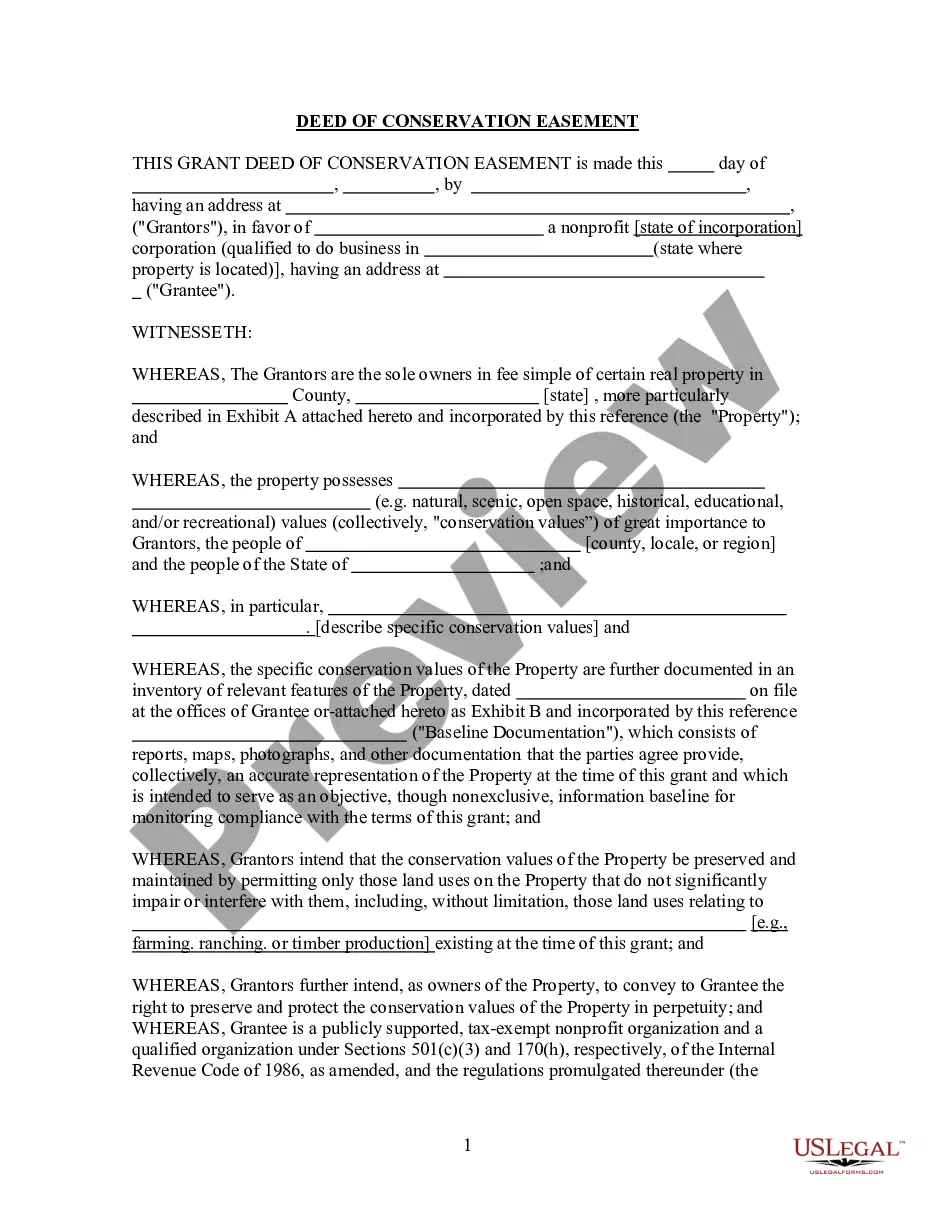
Description
Get your form ready online
Our built-in tools help you complete, sign, share, and store your documents in one place.
Make edits, fill in missing information, and update formatting in US Legal Forms—just like you would in MS Word.
Download a copy, print it, send it by email, or mail it via USPS—whatever works best for your next step.
Sign and collect signatures with our SignNow integration. Send to multiple recipients, set reminders, and more. Go Premium to unlock E-Sign.
If this form requires notarization, complete it online through a secure video call—no need to meet a notary in person or wait for an appointment.
We protect your documents and personal data by following strict security and privacy standards.

Make edits, fill in missing information, and update formatting in US Legal Forms—just like you would in MS Word.

Download a copy, print it, send it by email, or mail it via USPS—whatever works best for your next step.

Sign and collect signatures with our SignNow integration. Send to multiple recipients, set reminders, and more. Go Premium to unlock E-Sign.

If this form requires notarization, complete it online through a secure video call—no need to meet a notary in person or wait for an appointment.

We protect your documents and personal data by following strict security and privacy standards.
Looking for another form?









Form popularity
FAQ
If you give property to a qualified organization, you can generally deduct the fair market value (FMV) of the property at the time of the contribution.
Georgia adverse possession laws require 20 years of occupation in order to claim title. Adverse possession laws are commonly referred to as "squatters' rights" laws, since they often are invoked by squatters who inhabit land or structures otherwise left unused.
Georgia Gift Deed Overview. Gift deeds convey title to real property from one party to another with no exchange of consideration, monetary or otherwise. Often used to transfer property between family members or to gift property as a charitable act or donation, these conveyances occur during the grantor's lifetime.
You can do this in a few ways, though the simplest is a quitclaim deed. This allows you to give up the deed to your property without a process for proving ownership. When transferring titles between trusted family members or friends, proving ownership is usually unnecessary.
To constitute a valid gift (1) a donor must intend to make a gift, (2) the donee must accept the gift, and (3) there must be a delivery of the gift. The person claiming the gift has the burden to prove the all three elements. The issues of intent, acceptance, or adequate delivery are questions of fact.
Here are the steps to completing a deed transfer in Georgia: Names the Current Owner and New Owner. Contains a Description of the Property. Signed by Current Owner. Two Witnesses: Unofficial Witness & Notary Public. Complete a PT-61, Transfer Tax Form. Record Deed in County Real Estate Records.
Determining the value of donated property de- pends upon many factors. You should consider all the facts and circumstances connected with the property, including any recent transactions, in determining value. Value may also be based on desirability, use, condition, scarcity, and mar- ket demand for that property.
Individuals may deduct qualified contributions of up to 100 percent of their adjusted gross income. A corporation may deduct qualified contributions of up to 25 percent of its taxable income. Contributions that exceed that amount can carry over to the next tax year.