Donate Land For Conservation In Contra Costa
Description

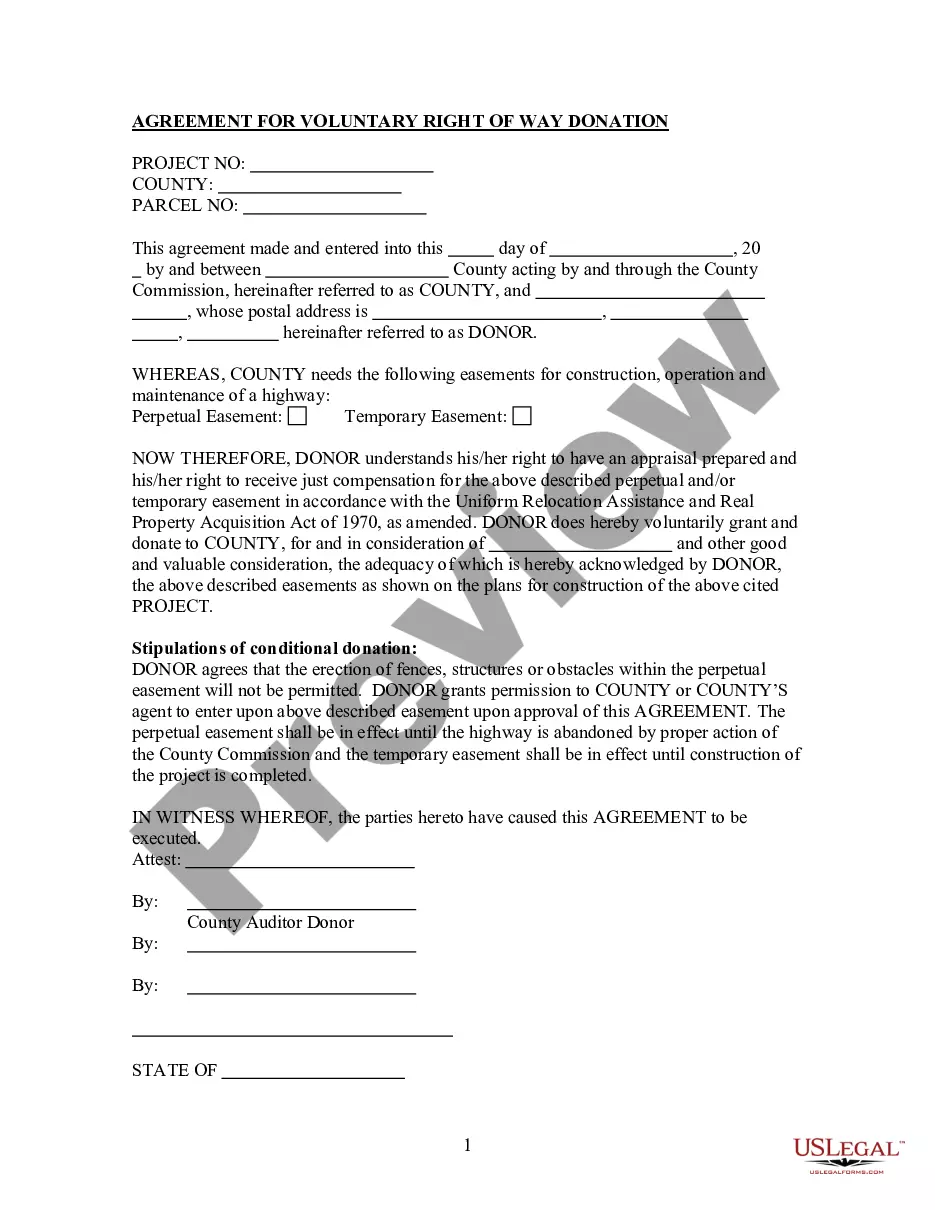
Get your form ready online
Our built-in tools help you complete, sign, share, and store your documents in one place.
Make edits, fill in missing information, and update formatting in US Legal Forms—just like you would in MS Word.
Download a copy, print it, send it by email, or mail it via USPS—whatever works best for your next step.
Sign and collect signatures with our SignNow integration. Send to multiple recipients, set reminders, and more. Go Premium to unlock E-Sign.
If this form requires notarization, complete it online through a secure video call—no need to meet a notary in person or wait for an appointment.
We protect your documents and personal data by following strict security and privacy standards.

Make edits, fill in missing information, and update formatting in US Legal Forms—just like you would in MS Word.

Download a copy, print it, send it by email, or mail it via USPS—whatever works best for your next step.

Sign and collect signatures with our SignNow integration. Send to multiple recipients, set reminders, and more. Go Premium to unlock E-Sign.

If this form requires notarization, complete it online through a secure video call—no need to meet a notary in person or wait for an appointment.

We protect your documents and personal data by following strict security and privacy standards.
Looking for another form?







Form popularity
FAQ
The Conservancy consistently receives high charity ratings from charity watchdog organizations, including the Better Business Bureau (BBB) Wise Giving Alliance and the American Institute of Philanthropy, as well as from the leading global investors services companies.
The Nature Conservancy is a 501(c)3 organization, and donations are tax-deductible. The amount of the gift that is eligible for deduction can depend on several factors, including the size and nature of the donation. The Nature Conservancy does not provide legal, tax or accounting advice.
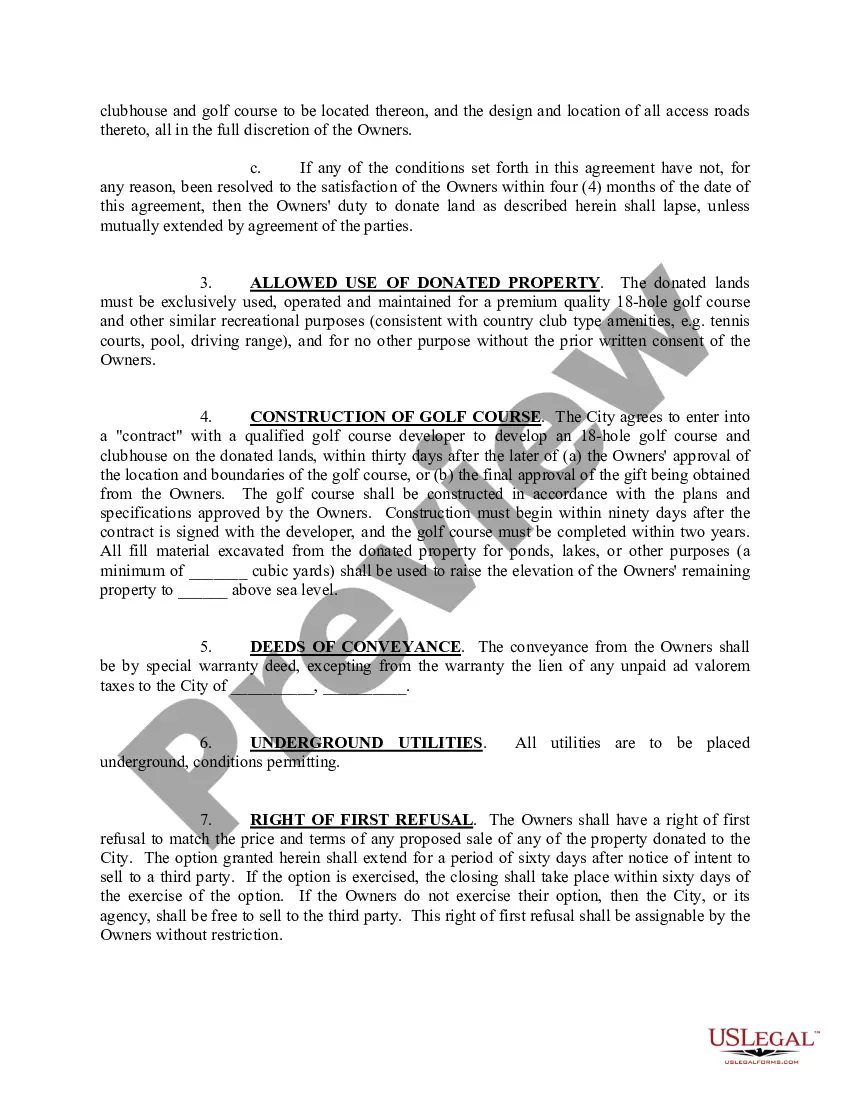
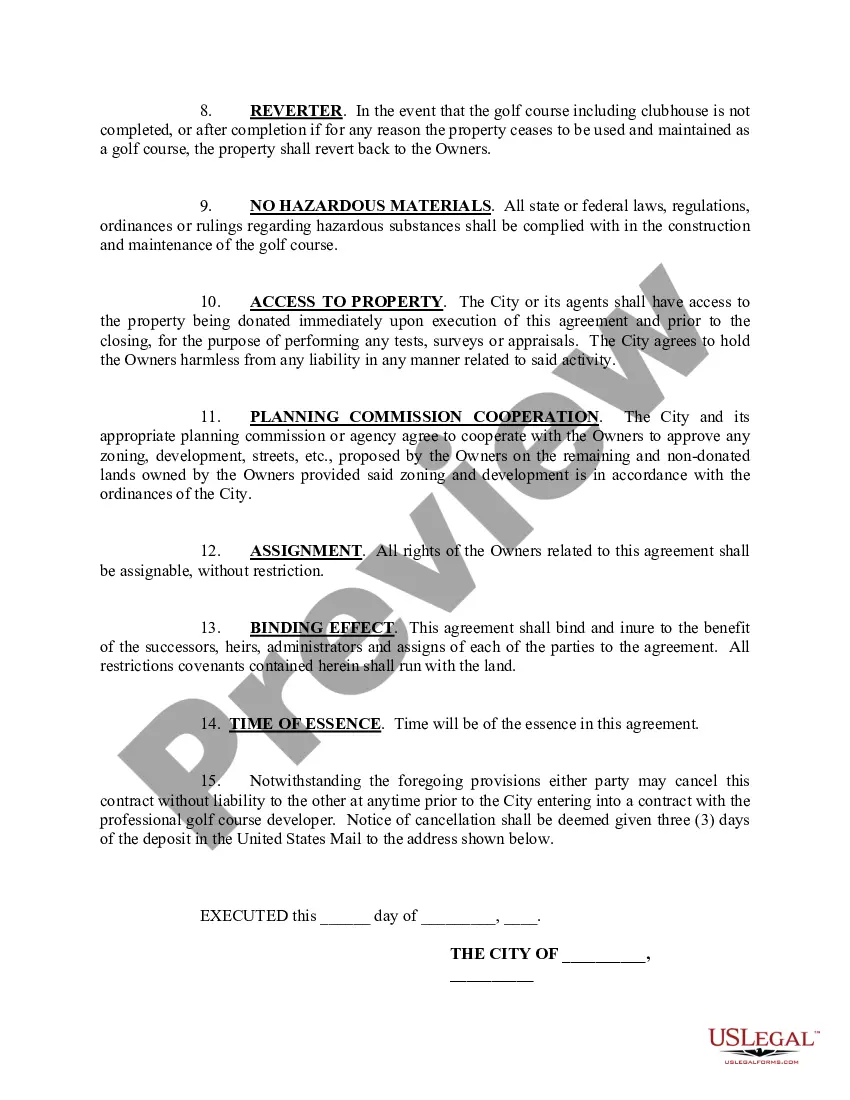
A conservation easement is just one of many options. You may also donate or sell property, donate or sell development rights, or do a bargain sale with a land trust. The opportunity of a permanent conservation easement can protect a family farm or ranch, allowing for future generations to continue in agriculture.
In 2022, a group of 158 conservation, environmental, and social justice non-profit organizations signed an open letter to the Conservancy's CEO, Jennifer Morris, charging that The Nature Conservancy was overly supportive of logging interests and the use of wood products as a natural climate solution.
Organizing the Donations Determine what donations you are accepting and what organizations you will donate to. Create a system for collecting donations, such as setting up drop-off locations or organizing a donation drive. Sort through the donations and determine what is usable and what is not.
TNC accepts two types of real estate gifts, both of which are critical to our work: land that donors would like permanently protected and land that donors permit us to sell, with the proceeds going to support our work.
Contact land trusts and government agencies that work to assist landowners in your community who are interested in conservation. Get to know their policies and services, and discuss what you'd like to accomplish on your land and what rights you'd like to keep.
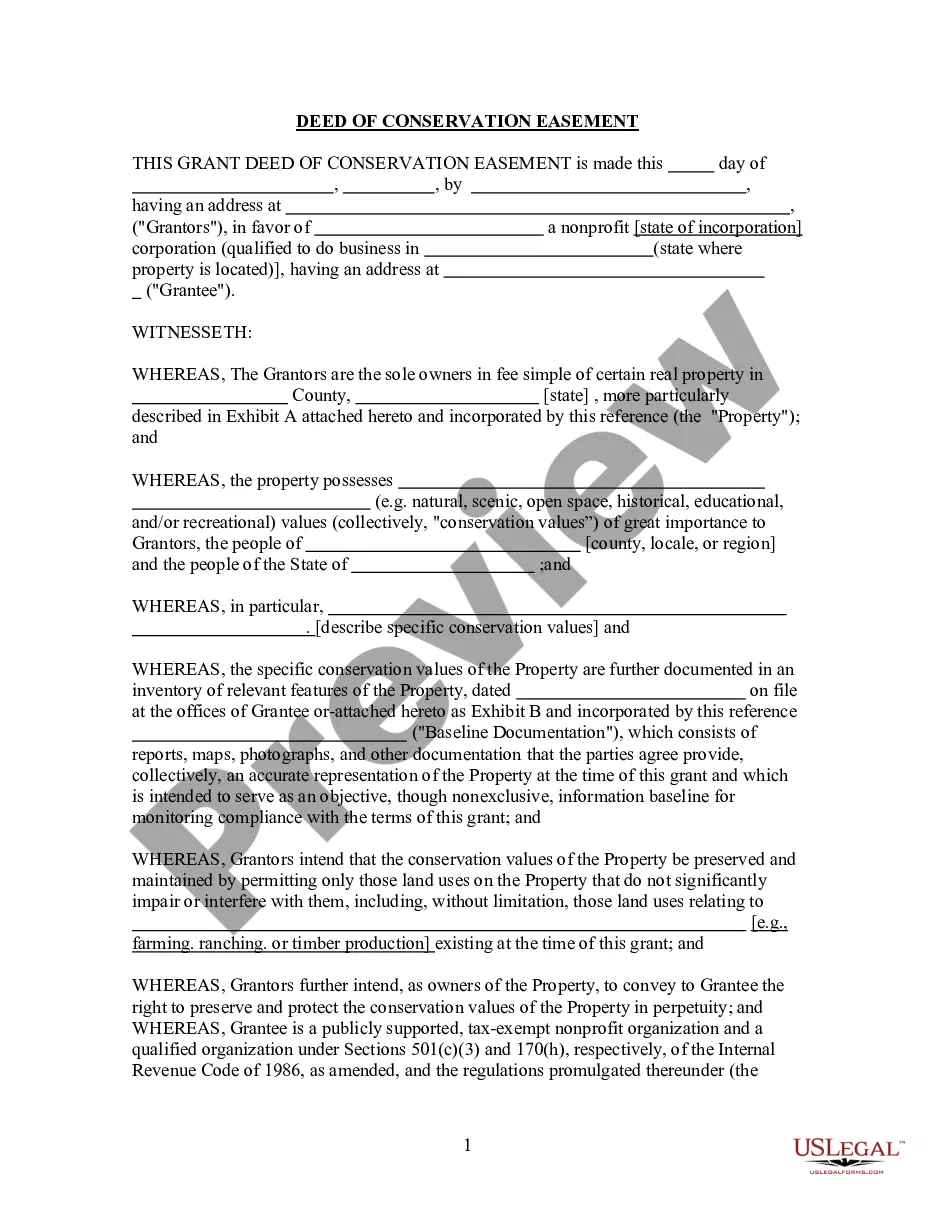
Conservation easements are conveyed by deed, have a conservation purpose, are in perpetuity (legal term meaning forever), require stewardship and monitoring, may only be extinguished by a court of law, are permanent and may offer tax benefits. It is difficult to remove a conservation easement.
Conservation easements are conveyed by deed, have a conservation purpose, are in perpetuity (legal term meaning forever), require stewardship and monitoring, may only be extinguished by a court of law, are permanent and may offer tax benefits. It is difficult to remove a conservation easement.
