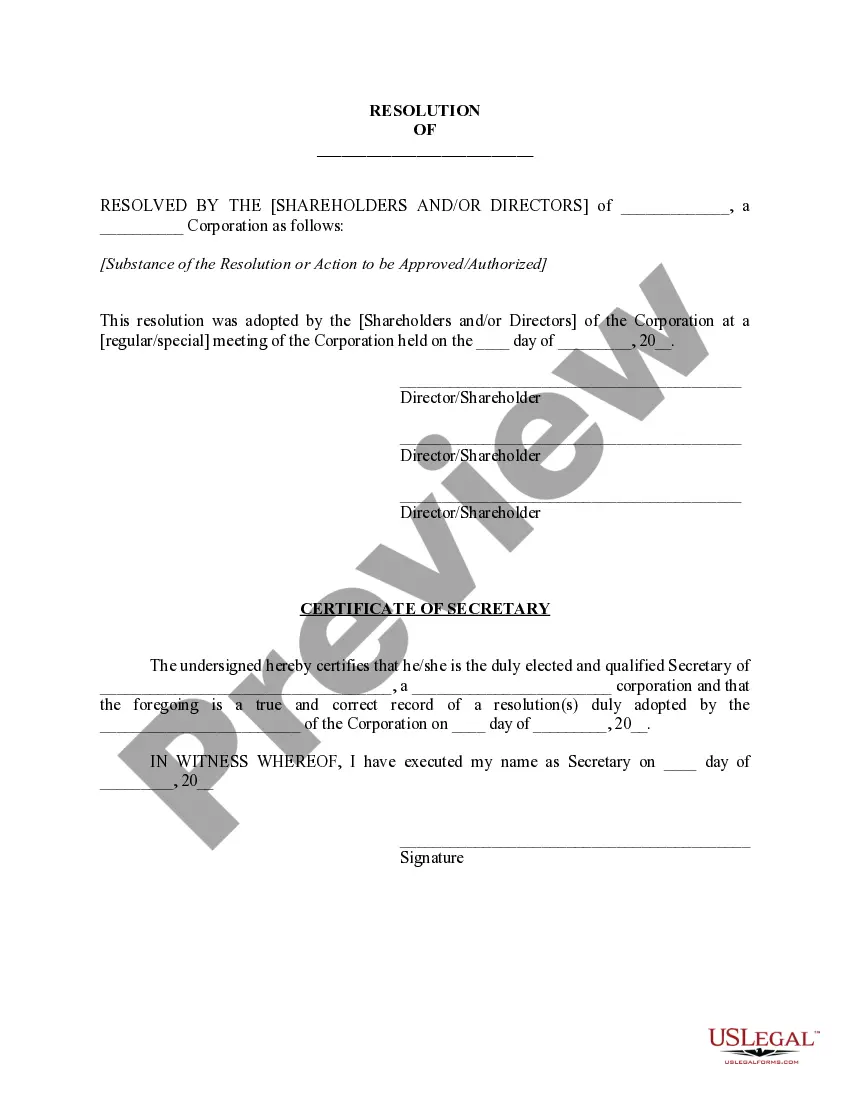
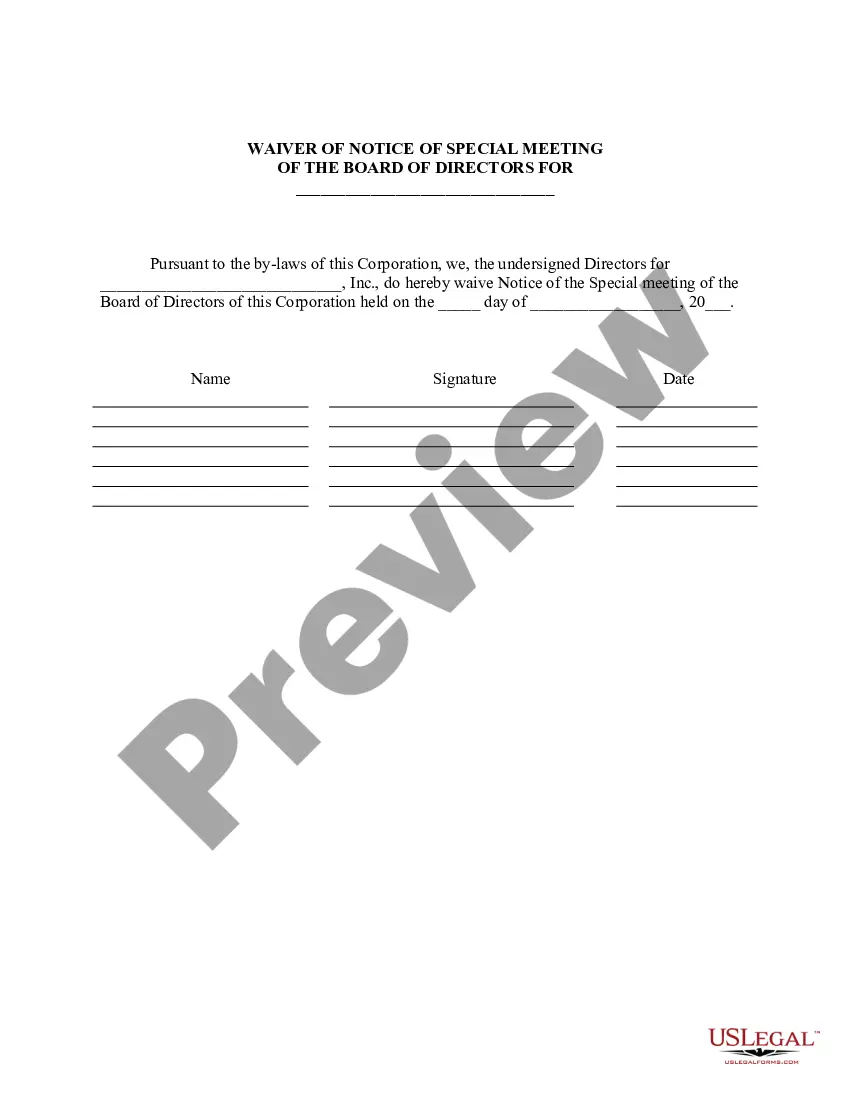
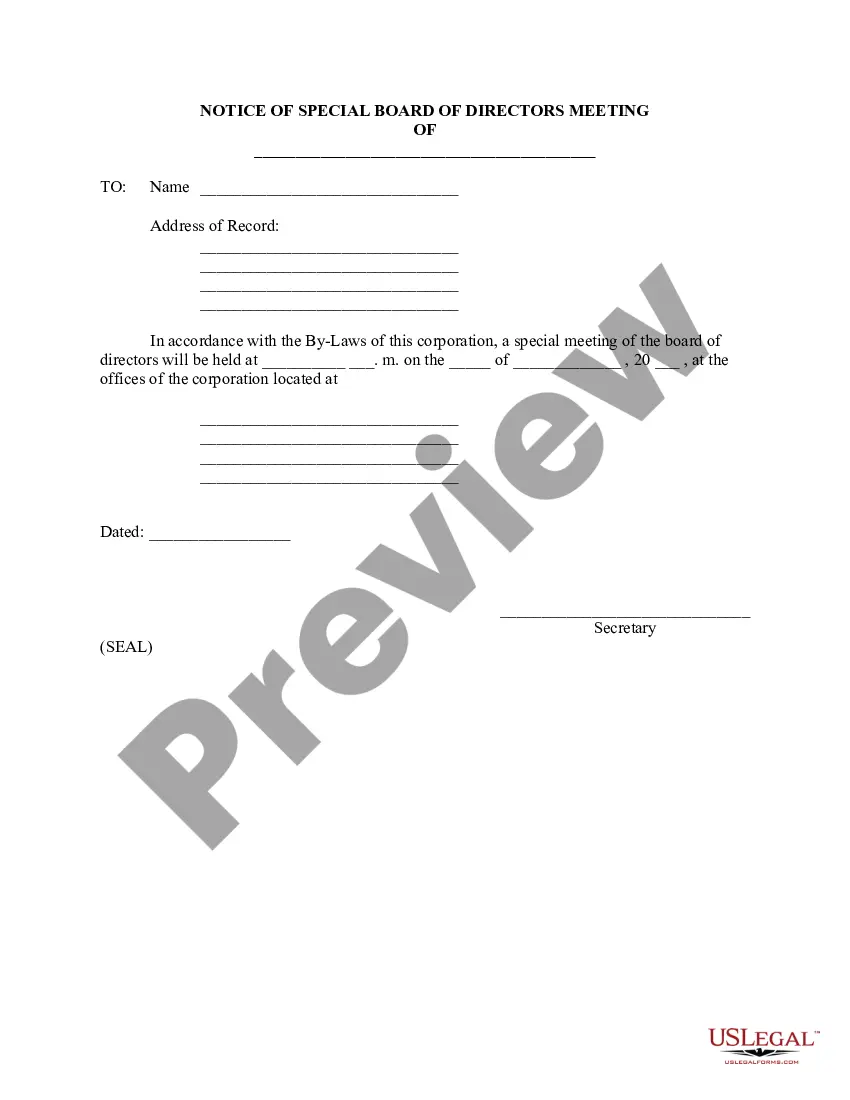
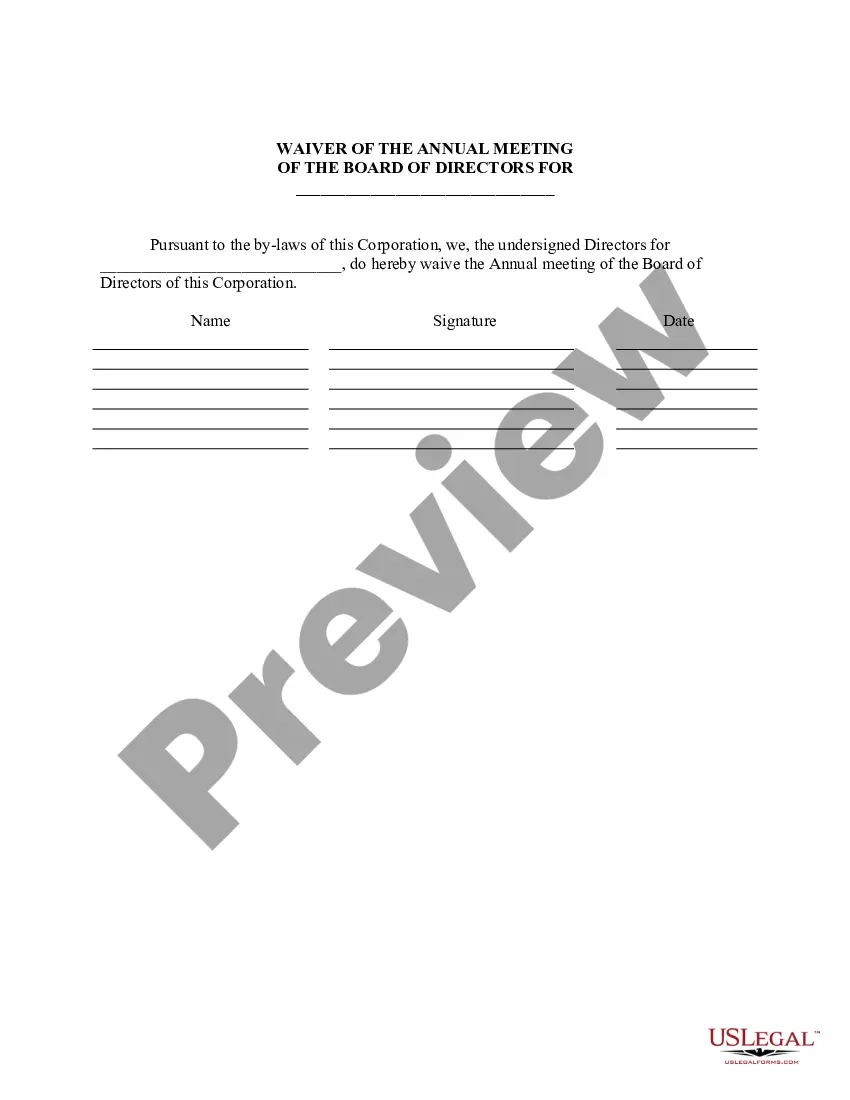
Board Meeting Minutes For Calling Egm In Nevada
Description
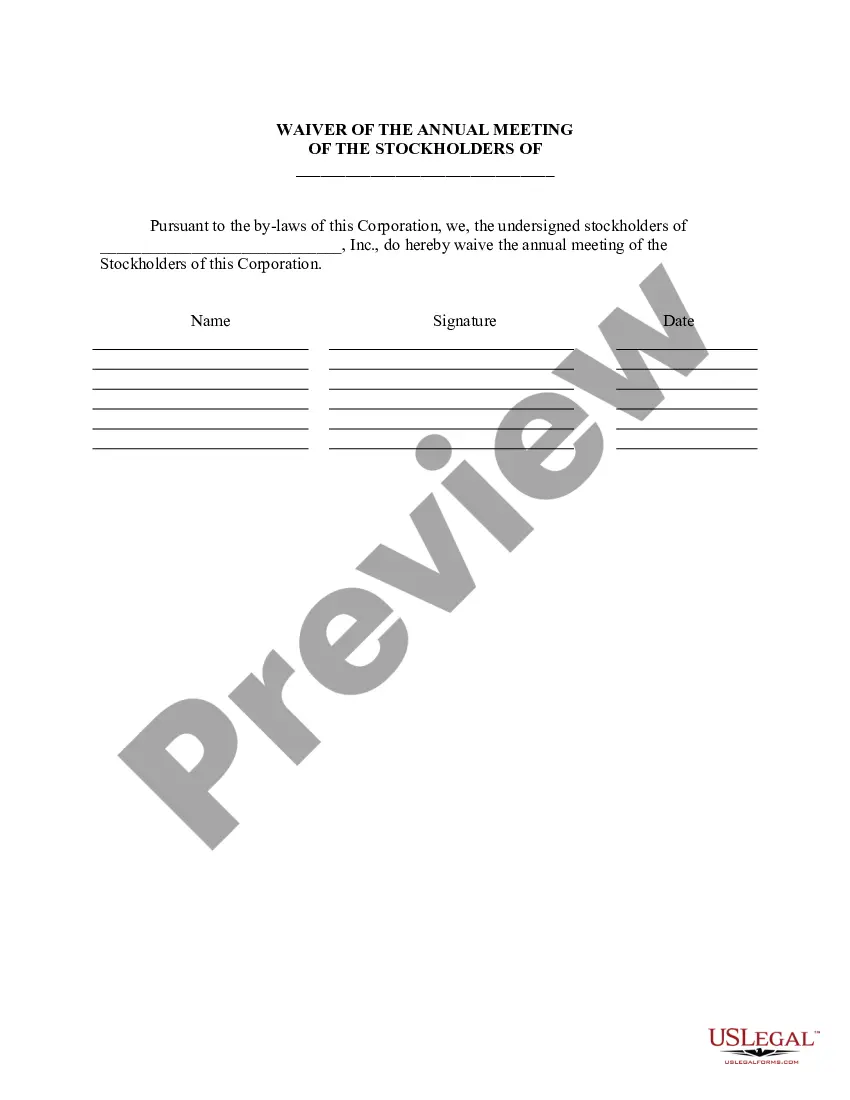
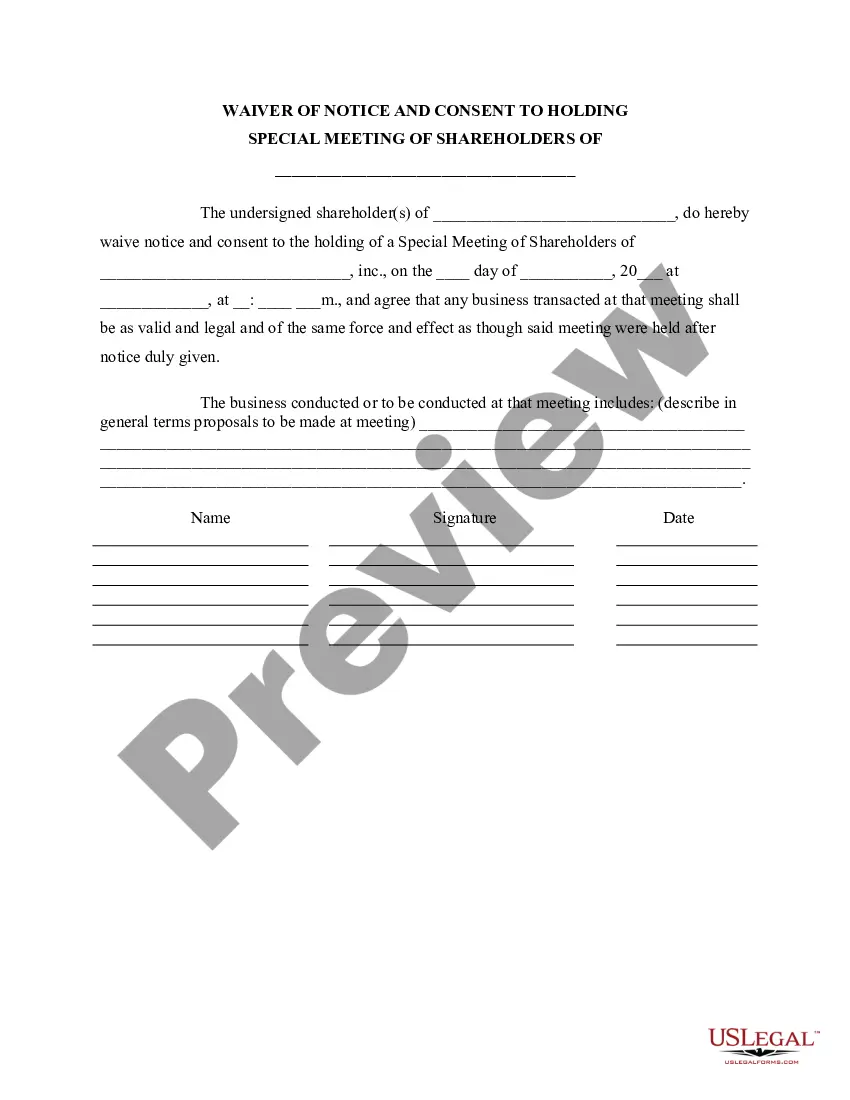
Get your form ready online
Our built-in tools help you complete, sign, share, and store your documents in one place.
Make edits, fill in missing information, and update formatting in US Legal Forms—just like you would in MS Word.
Download a copy, print it, send it by email, or mail it via USPS—whatever works best for your next step.
Sign and collect signatures with our SignNow integration. Send to multiple recipients, set reminders, and more. Go Premium to unlock E-Sign.
If this form requires notarization, complete it online through a secure video call—no need to meet a notary in person or wait for an appointment.
We protect your documents and personal data by following strict security and privacy standards.

Make edits, fill in missing information, and update formatting in US Legal Forms—just like you would in MS Word.

Download a copy, print it, send it by email, or mail it via USPS—whatever works best for your next step.

Sign and collect signatures with our SignNow integration. Send to multiple recipients, set reminders, and more. Go Premium to unlock E-Sign.

If this form requires notarization, complete it online through a secure video call—no need to meet a notary in person or wait for an appointment.

We protect your documents and personal data by following strict security and privacy standards.
Looking for another form?

Form popularity
FAQ
Robert's Rules (Section -16) state that “the minutes should contain mainly a record of what was done at the meeting, not what was said by the members.” Minutes are not transcripts of meetings; rather, the document contains a record of actions taken by the body, organized by the meeting's order of business (agenda).
The Nevada Open Meeting Law (OML) was enacted in 1960 to ensure that the actions and deliberations of public bodies be conducted openly.
Minute Contents The person writing the minutes should make them long enough to cover the subject and emphasize that there was deliberation, care and thoughtful discussion, but they should not be so long that they contain extraneous detail - you want your minutes to be both concise and precise.
Level of detail The meeting's date and time, Whether it was a special or regular meeting, The names of directors attending, as well as those who didn't attend, and. All board actions, including motions, votes for and against, and resolutions.
A proper meeting notice should include: Date, Time, and Venue: Clear details on when and where the meeting will take place. Purpose of the Meeting: A brief description of the meeting's objectives. Agenda: An outline of topics to be discussed; this helps attendees prepare for the meeting.
Notice is hereby given that a meeting of the Board of Directors of the (Company Name) will be held at (Time) on (Day of the Week), the (Date in words) at (Board Meeting Address), to interalia consider the following business as under:-. 3.
The Nevada Open Meeting Law (OML) was enacted in 1960 to ensure that the actions and deliberations of public bodies be conducted openly.
Notice is hereby given that a meeting of the Board of Directors of the (Company Name) will be held at (Time) on (Day of the Week), the (Date in words) at (Board Meeting Address), to interalia consider the following business as under:-. 3.
Minutes may vary slightly depending on the state and the organization, but they typically include: Meeting date, time and location. Type of meeting. Names and titles of attendees and guests. Any absent board directors. Quorum. Notes about directors who left early or re-entered the meeting.
What is the standard notice writing format? The standard notice writing format typically includes a clear heading, date, subject, audience, details of the notice, action required, and contact information.