Premature Retirement Rules For Central Government Employees In San Bernardino
Description
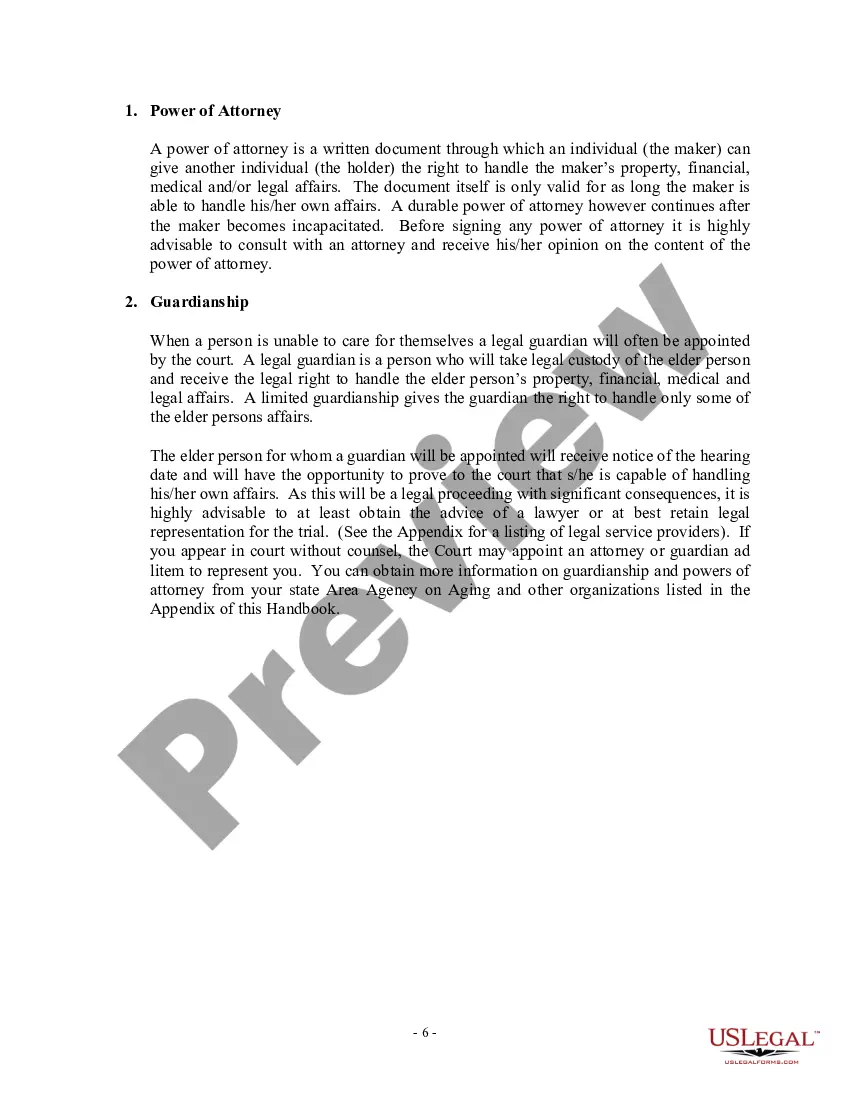
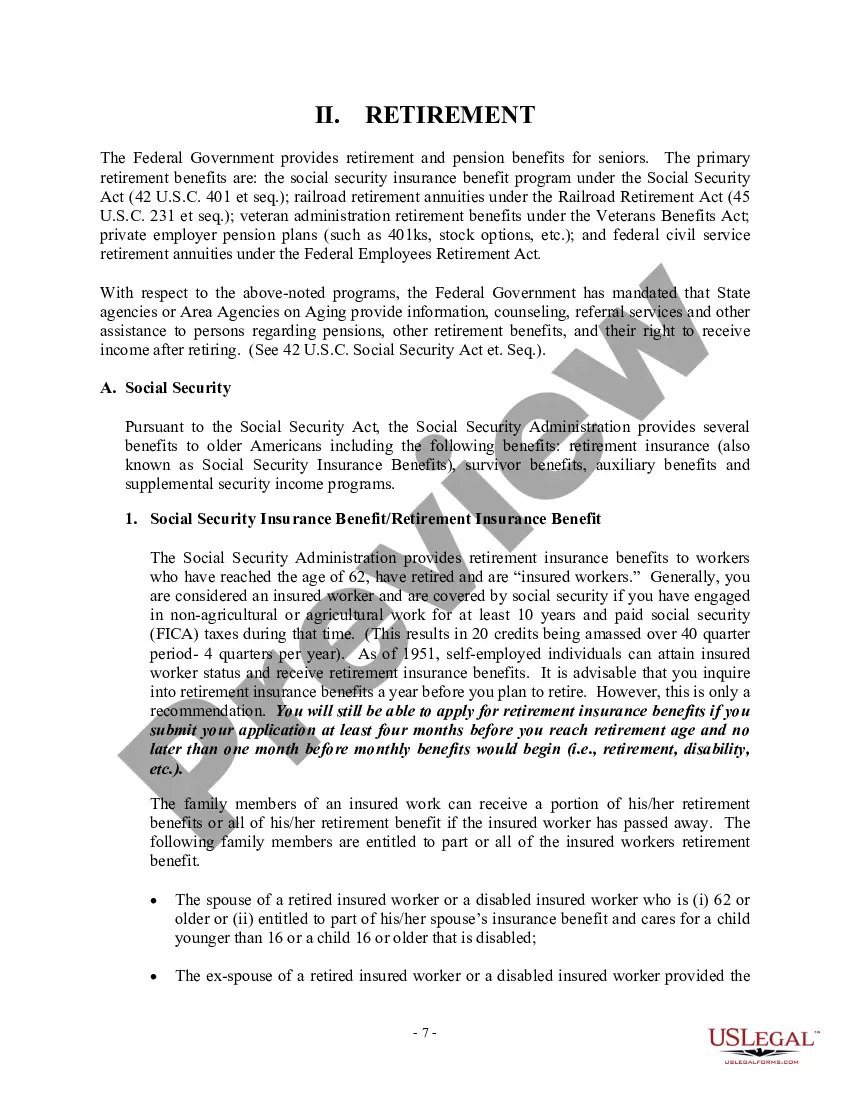
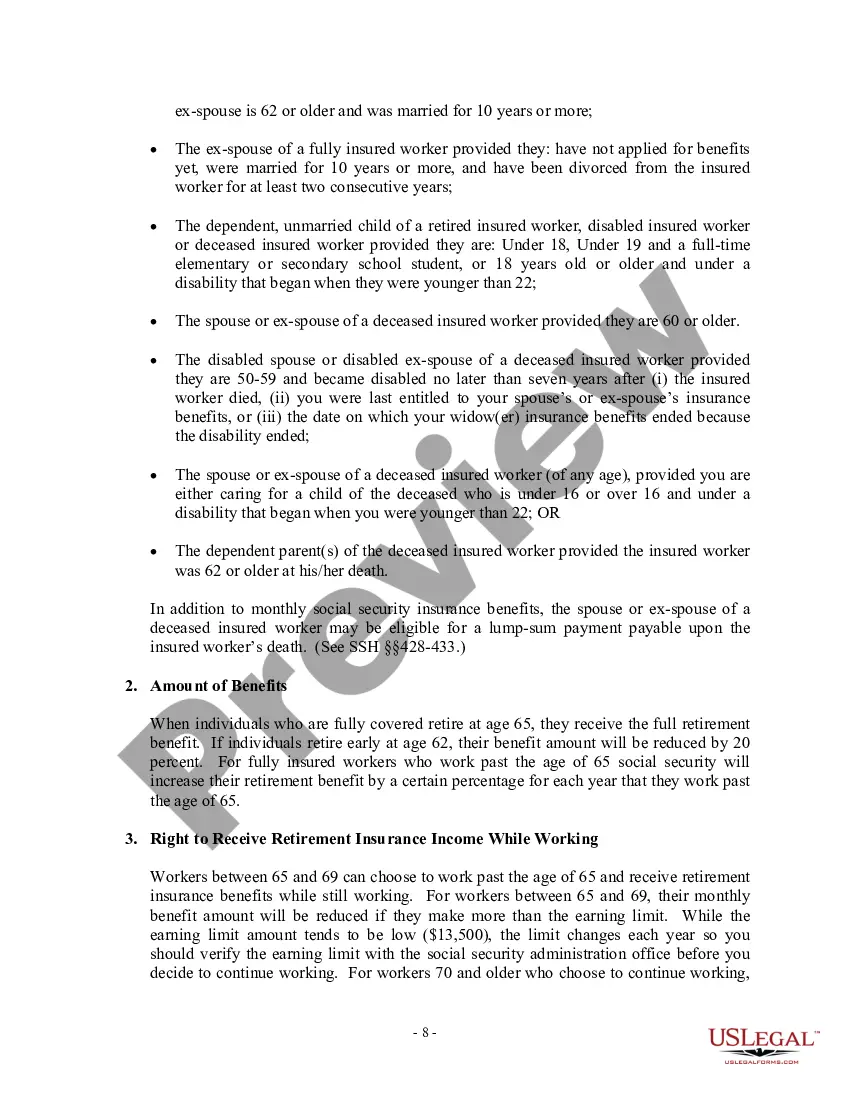

Get your form ready online
Our built-in tools help you complete, sign, share, and store your documents in one place.
Make edits, fill in missing information, and update formatting in US Legal Forms—just like you would in MS Word.
Download a copy, print it, send it by email, or mail it via USPS—whatever works best for your next step.
Sign and collect signatures with our SignNow integration. Send to multiple recipients, set reminders, and more. Go Premium to unlock E-Sign.
If this form requires notarization, complete it online through a secure video call—no need to meet a notary in person or wait for an appointment.
We protect your documents and personal data by following strict security and privacy standards.

Make edits, fill in missing information, and update formatting in US Legal Forms—just like you would in MS Word.

Download a copy, print it, send it by email, or mail it via USPS—whatever works best for your next step.

Sign and collect signatures with our SignNow integration. Send to multiple recipients, set reminders, and more. Go Premium to unlock E-Sign.

If this form requires notarization, complete it online through a secure video call—no need to meet a notary in person or wait for an appointment.

We protect your documents and personal data by following strict security and privacy standards.
Looking for another form?
Form popularity
FAQ
However, you unfortunately cannot begin receiving Social Security retirement benefits at 55. The earliest age you can begin drawing Social Security retirement benefits is 62. But there's a catch – taking Social Security benefits prior to reaching your full retirement age results in a reduction of your benefit amount.
Age may be just a number, but that number matters when it comes to retiring. The common definition of early retirement is any age before 65 — that's when you may qualify for Medicare benefits. Currently, men retire at an average age of 64, while for women the average retirement age is 62.
Calculating the retirement age depends on your year of birth. If you were born before 1948, then you can retire at 55. If you were born in 1970 or later, you can enjoy minimum retirement at 57. And if you were born between 1948 and 1970, your minimum retirement age will be between 55 and 2 months and 56 and 10 months.
If you move to another California public employer within 6 months, you retain classic member status and are under the benefits that were in place prior to January 1, 2013.
Your agency head must also request the U.S. Office of Personnel Management (OPM) issue a Voluntary Early Retirement Authority (VERA). You can qualify for early retirement at any age with 25 years of service or age 50 with 20 years of service. Otherwise, you typically qualify when you reach age 62.
A worker can choose to retire as early as age 62, but doing so may result in a reduction of as much as 30 percent. Starting to receive benefits after normal retirement age may result in larger benefits. With delayed retirement credits, a person can receive his or her largest benefit by retiring at age 70.
Documents we may ask for include: Your Social Security card or a record of your number. Your original birth certificate, a copy certified by the issuing agency, or other proof of your age. We must see the original document(s), or copies certified by the agency that issued them.
When can you claim your state pension? The state pension age is currently 66 – but it's due to rise to 67 by 2028. You can't claim the state pension any earlier. If you choose to retire before then, you can take your workplace and personal pensions, but will have to wait to claim your state pension.