Retirement Plans For Business Owners In Kings
Description
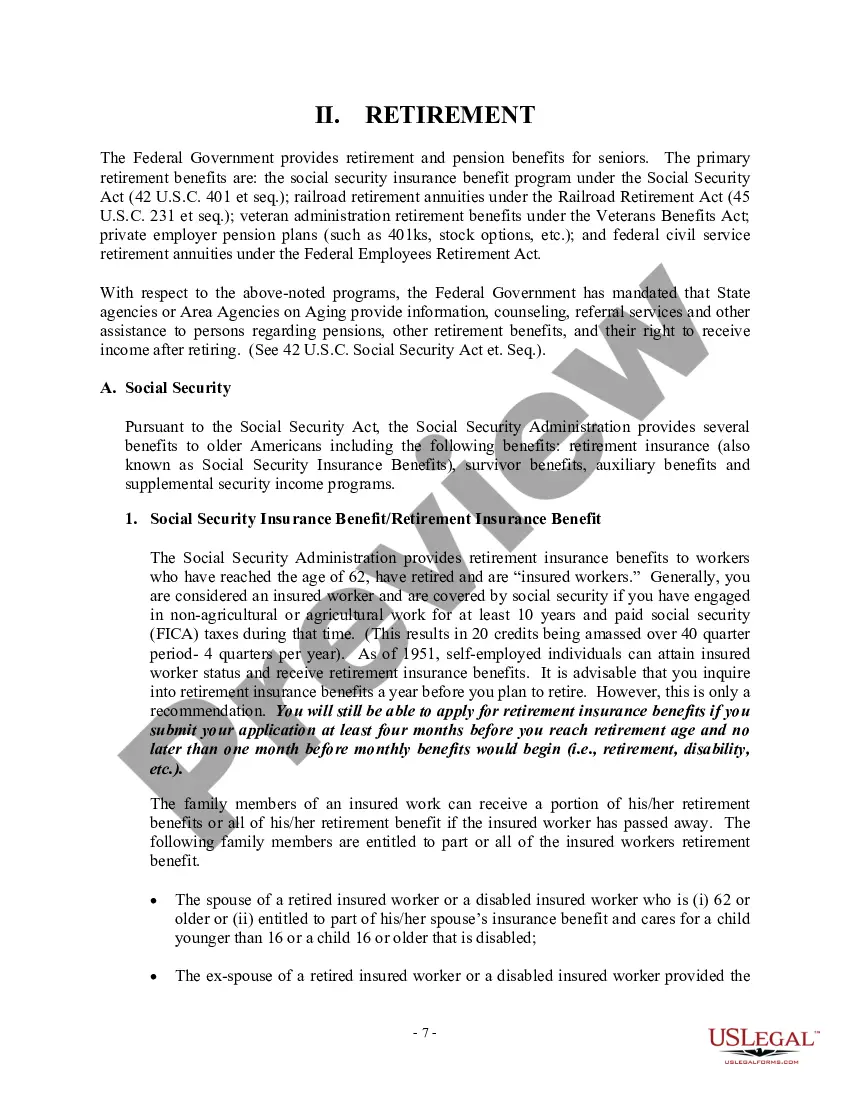
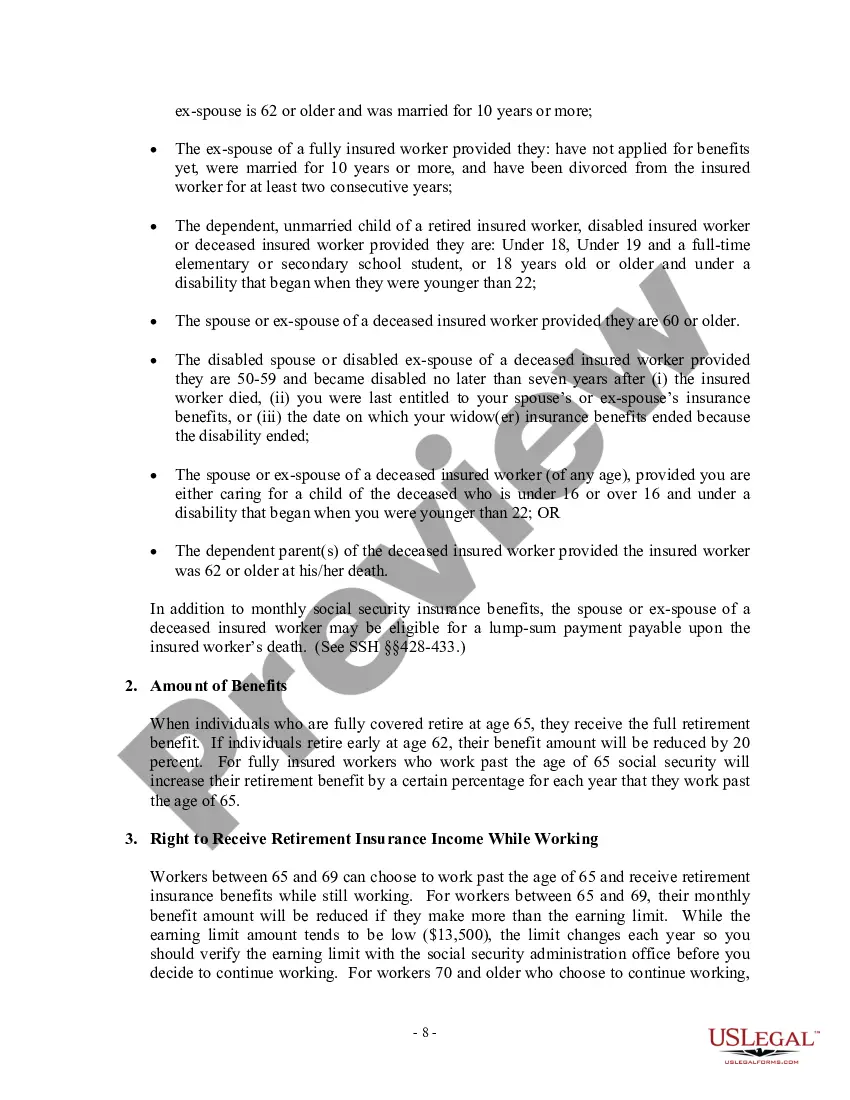

Get your form ready online
Our built-in tools help you complete, sign, share, and store your documents in one place.
Make edits, fill in missing information, and update formatting in US Legal Forms—just like you would in MS Word.
Download a copy, print it, send it by email, or mail it via USPS—whatever works best for your next step.
Sign and collect signatures with our SignNow integration. Send to multiple recipients, set reminders, and more. Go Premium to unlock E-Sign.
If this form requires notarization, complete it online through a secure video call—no need to meet a notary in person or wait for an appointment.
We protect your documents and personal data by following strict security and privacy standards.

Make edits, fill in missing information, and update formatting in US Legal Forms—just like you would in MS Word.

Download a copy, print it, send it by email, or mail it via USPS—whatever works best for your next step.

Sign and collect signatures with our SignNow integration. Send to multiple recipients, set reminders, and more. Go Premium to unlock E-Sign.

If this form requires notarization, complete it online through a secure video call—no need to meet a notary in person or wait for an appointment.

We protect your documents and personal data by following strict security and privacy standards.
Looking for another form?

Form popularity
FAQ
Registering a business entity and using a virtual office for LLC after retirement doesn't have to be complicated. Starting a business after you have retired doesn't have to be much different from starting a business before retirement.
SE 401(k): As someone who's self-employed, you can contribute as both employer and employee. SEP IRA: Only the employer can contribute. Fidelity Advantage 401(k): Both employees and employers can contribute. SIMPLE IRA: Both employees and employers can contribute.
A limited liability company (LLC) is indeed eligible to establish a Simplified Employee Pension (SEP) IRA, which was designed to make it easy for small-business owners, self-employed individuals, and freelancers to set up tax-advantaged retirement plans.
Can owners of an LLC contribute to a 401(k)? Solo 401(k) plans are not limited to sole proprietorships. Businesses that are structured as limited liability corporations (LLC), as well as partnerships, may also participate in these plans if they meet all the eligibility requirements.
Any employer - including a sole proprietorship, partnership, corporation and nonprofit organization - with one or more employees may establish a SEP plan. This includes a self-employed business owner, regardless of whether he or she is the only employee of the business.
The law states that S-Corp shares must be owned by individuals who are U.S. citizens or residents. Since a Self-Directed IRA is a separate legal entity from its owner, therefore not an individual, an SDIRA is not a permitted shareholder of an S-Corp.
Defined benefit plan, also known as a traditional pension plan, promises the participant a specified monthly benefit at retirement. Often, the benefit is based on factors such as the participant's salary, age and the number of years he or she worked for the employer.
Now that you are an S Corp, a Solo401K is usually the best retirement plan option. This is because the contribution limits are much higher than other retirement plans (Traditional IRA, Roth IRA).
Now that you are an S Corp, a Solo401K is usually the best retirement plan option. This is because the contribution limits are much higher than other retirement plans (Traditional IRA, Roth IRA).
SEP IRA. Best for: Self-employed people or small-business owners with no or few employees. Contribution limit: The lesser of $69,000 in 2024, or up to 25% of compensation or net self-employment earnings, with a $345,000 limit on compensation that can be used to factor the contribution.