Payoff Statement Template With Ebitda In Salt Lake
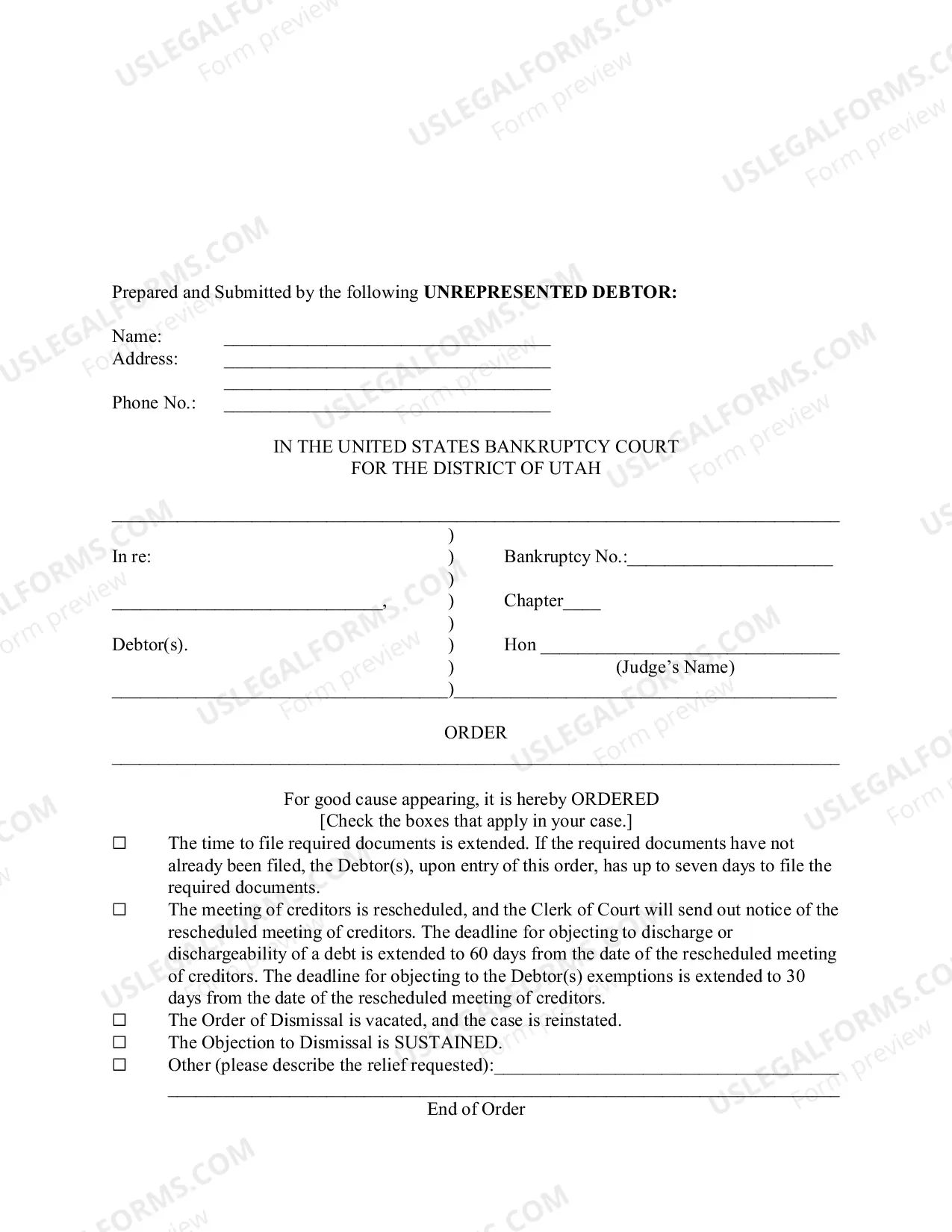
Description

Get your form ready online
Our built-in tools help you complete, sign, share, and store your documents in one place.
Make edits, fill in missing information, and update formatting in US Legal Forms—just like you would in MS Word.
Download a copy, print it, send it by email, or mail it via USPS—whatever works best for your next step.
Sign and collect signatures with our SignNow integration. Send to multiple recipients, set reminders, and more. Go Premium to unlock E-Sign.
If this form requires notarization, complete it online through a secure video call—no need to meet a notary in person or wait for an appointment.
We protect your documents and personal data by following strict security and privacy standards.

Make edits, fill in missing information, and update formatting in US Legal Forms—just like you would in MS Word.

Download a copy, print it, send it by email, or mail it via USPS—whatever works best for your next step.

Sign and collect signatures with our SignNow integration. Send to multiple recipients, set reminders, and more. Go Premium to unlock E-Sign.

If this form requires notarization, complete it online through a secure video call—no need to meet a notary in person or wait for an appointment.

We protect your documents and personal data by following strict security and privacy standards.
Looking for another form?









Form popularity
FAQ
Small Inventory write-offs are typically expensed as COGS and therefore will negatively impact the EBITDA.
EBITDA isn't normally included on a company's income statement because it isn't a metric recognized by Generally Accepted Accounting Principles as a measure of financial performance.
What Factors Influence EBITDA Multiples? Industry and Sector. Company Size and Market Position. Profitability and Margins. Growth Prospects. Risk Factors. Market Conditions and Sentiment. Competitive Landscape. M&A Activity.
Earnings before interest, taxes, depreciation, and amortization (EBITDA) is a measure of core corporate profitability. EBITDA is calculated by adding interest, tax, depreciation, and amortization expenses to net income.

