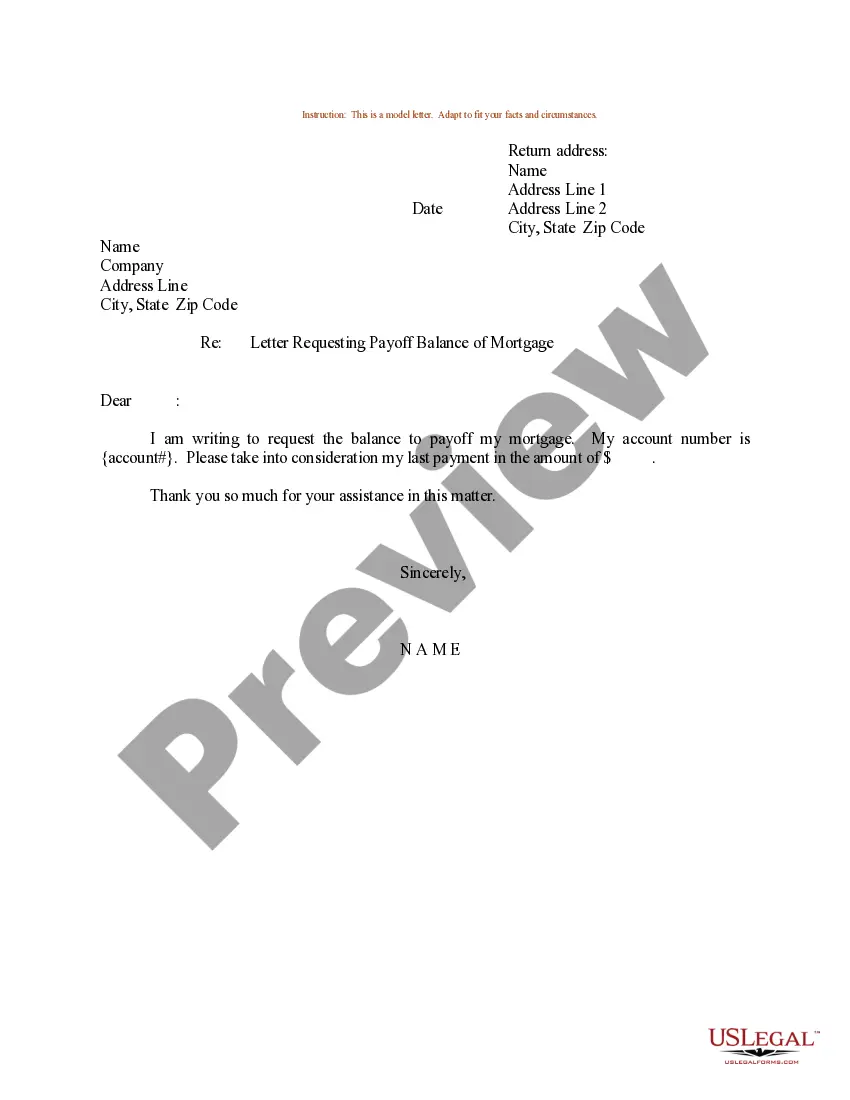
Lien Release Letter To Bank In Queens
Description
Get your form ready online
Our built-in tools help you complete, sign, share, and store your documents in one place.
Make edits, fill in missing information, and update formatting in US Legal Forms—just like you would in MS Word.
Download a copy, print it, send it by email, or mail it via USPS—whatever works best for your next step.
Sign and collect signatures with our SignNow integration. Send to multiple recipients, set reminders, and more. Go Premium to unlock E-Sign.
If this form requires notarization, complete it online through a secure video call—no need to meet a notary in person or wait for an appointment.
We protect your documents and personal data by following strict security and privacy standards.

Make edits, fill in missing information, and update formatting in US Legal Forms—just like you would in MS Word.

Download a copy, print it, send it by email, or mail it via USPS—whatever works best for your next step.

Sign and collect signatures with our SignNow integration. Send to multiple recipients, set reminders, and more. Go Premium to unlock E-Sign.

If this form requires notarization, complete it online through a secure video call—no need to meet a notary in person or wait for an appointment.

We protect your documents and personal data by following strict security and privacy standards.
Looking for another form?









Form popularity
FAQ
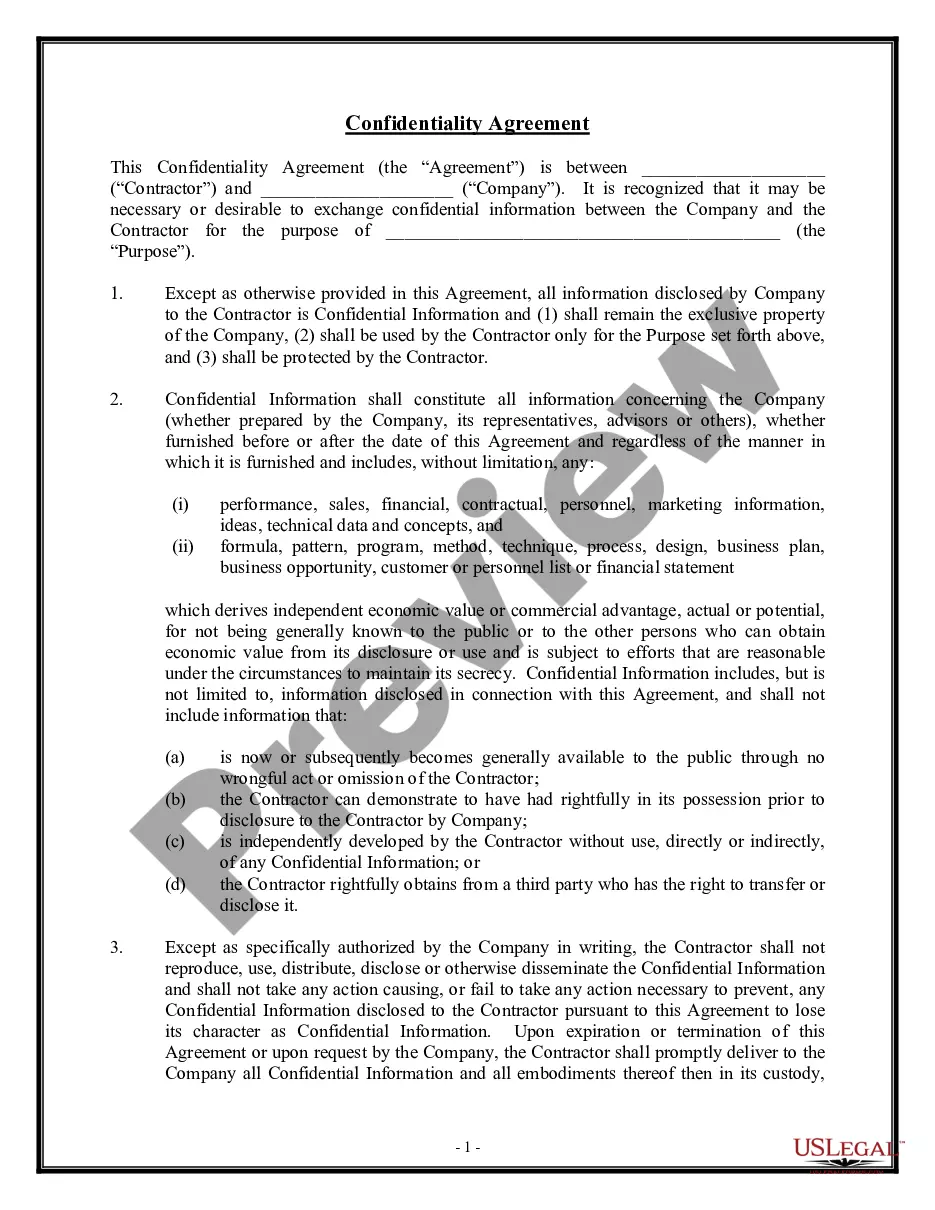
Obtain the lien release form: You can typically find lien release forms online on state government websites or through legal document providers. Make sure you have the correct form for your specific situation.
Include essential details like VIN, year, make, model, owner name, and lienholder information. Ask your lienholder to complete a letter of non-interest if they have no further interest in collecting on the lien. Once you have these documents, mail copies to each address listed for your lienholder via certified mail.
Fill in the details of the unitholder and the specific units for which the lien is being removed. Sign the document as the authorized signatory or branch manager. Attach any required documents mentioned in the letter for verification.
Home, Building, or Land: Required Documents for Obtaining a Lien Release Recorded Mortgage or Deed of Trust. A recorded copy of the mortgage or deed of trust document for which you are requesting a release. Recorded Assignments. Title Search, Title Commitment, or Attorney's Title Opinion. Proof of Payment.
The FDIC may be able to provide you with a Release of Lien for a home, vehicle, boat or other personal property if the lien holder or a subsidiary was a bank that failed and was placed in FDIC receivership. If the lender was a credit union you should contact the National Credit Union Administration.
We would like to release the lien in respect of the below mentioned units pledged in our favour by the Investor, and we therefore, request you to kindly release the lien marked on the below mentioned units.
If any linked service like virtual card or UPI is causing the lien, uninstall and delete it. The lien should automatically revoke. In case of technical errors or arbitrary lien imposition, contact your bank's customer care and follow up with them to remove it.
Your lien release will be sent to the address that appears on your auto account statements generally in 2-10 business days from payment posting based on your payoff method or state requirements.

