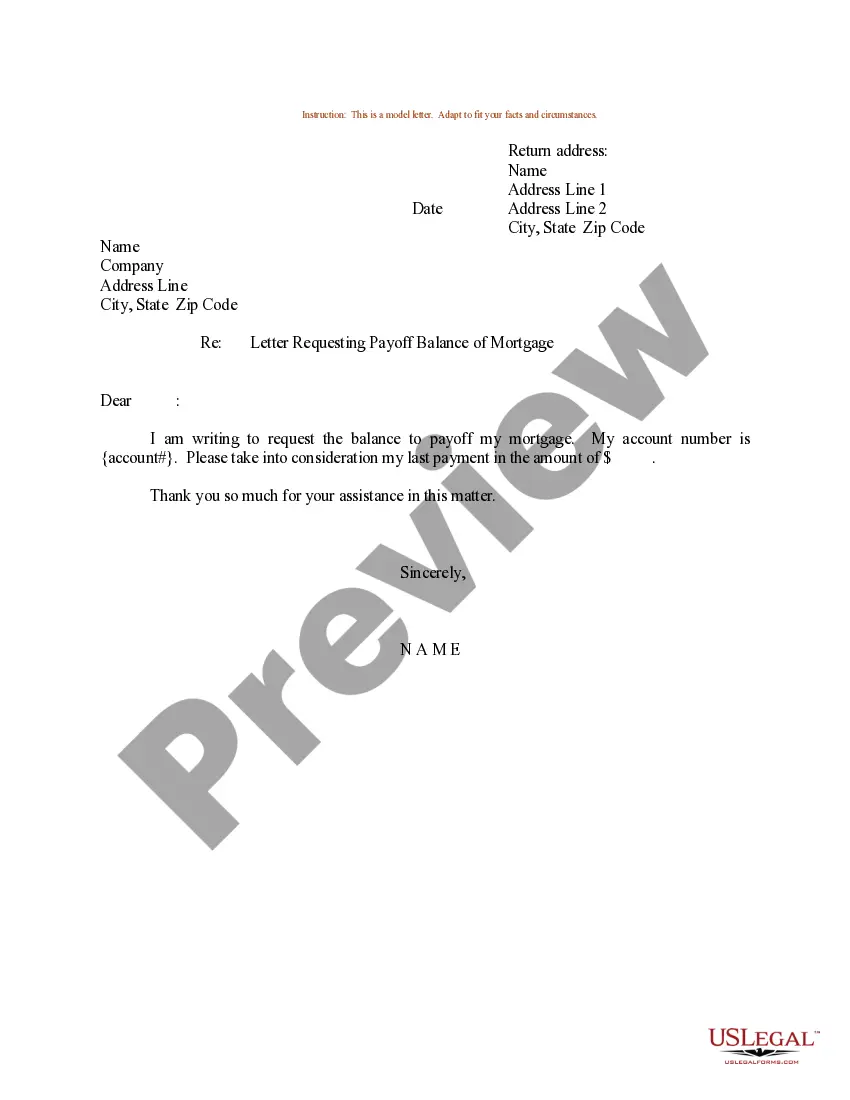
Payoff Statement Request With Bank In Philadelphia
Description
Get your form ready online
Our built-in tools help you complete, sign, share, and store your documents in one place.
Make edits, fill in missing information, and update formatting in US Legal Forms—just like you would in MS Word.
Download a copy, print it, send it by email, or mail it via USPS—whatever works best for your next step.
Sign and collect signatures with our SignNow integration. Send to multiple recipients, set reminders, and more. Go Premium to unlock E-Sign.
If this form requires notarization, complete it online through a secure video call—no need to meet a notary in person or wait for an appointment.
We protect your documents and personal data by following strict security and privacy standards.

Make edits, fill in missing information, and update formatting in US Legal Forms—just like you would in MS Word.

Download a copy, print it, send it by email, or mail it via USPS—whatever works best for your next step.

Sign and collect signatures with our SignNow integration. Send to multiple recipients, set reminders, and more. Go Premium to unlock E-Sign.

If this form requires notarization, complete it online through a secure video call—no need to meet a notary in person or wait for an appointment.

We protect your documents and personal data by following strict security and privacy standards.
Looking for another form?





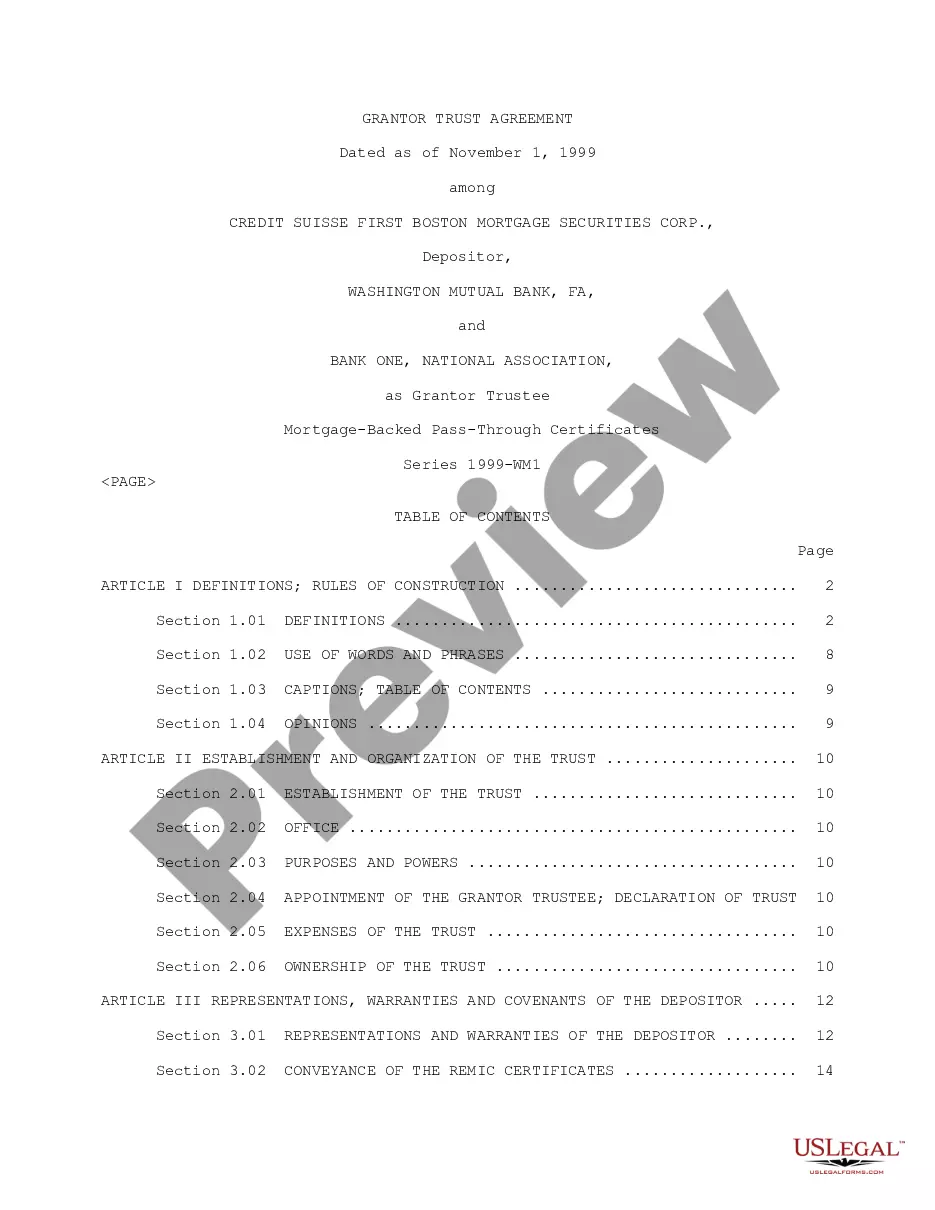
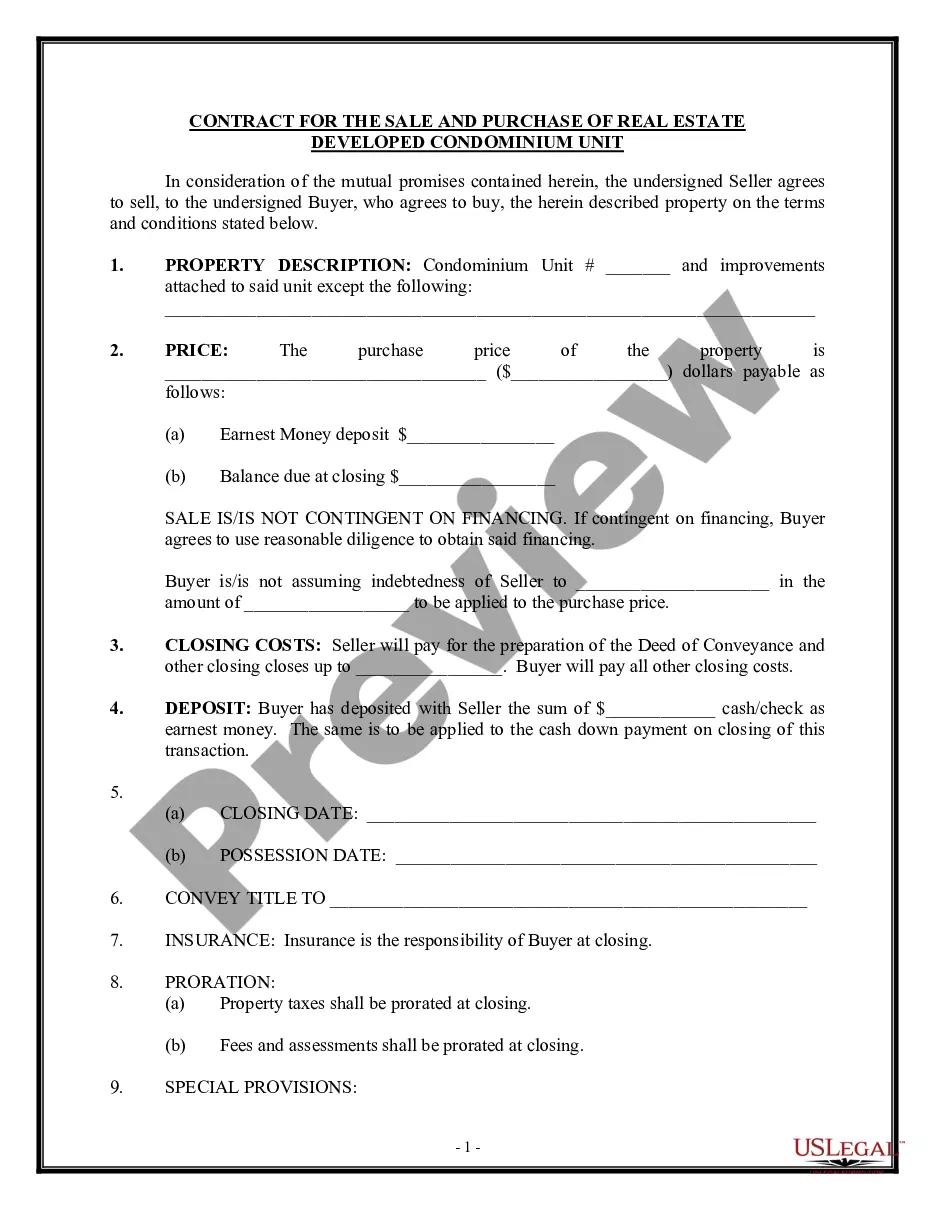

Form popularity
FAQ
There's a process to getting the mortgage payoff statement. First, you'll need to contact your lender and let them know you want the information. Depending on your lender, you may have to sign in to an online account, call a helpline, or send a formal letter to start the request process.
First, you'll need to contact your lender and let them know you want the information. Depending on your lender, you may have to sign in to an online account, call a helpline, or send a formal letter to start the request process.
To get a payoff letter, ask your lender for an official payoff statement. Call or write to customer service or make the request online. While logged into your account, look for options to request or calculate a payoff amount, and provide details such as your desired payoff date.
How can I obtain information about liens and judgments? Where can I obtain property tax information? You can obtain tax information from the Office of Property Assessment (OPA) 601 Walnut Street .phila/OPA or the Department of Revenue located in the Municipal Services Building., 1401 JFK Blvd, concourse level.
The statement is provided by the mortgage servicer and can be requested at any time. Accurate payoff information is crucial for managing financial decisions related to property ownership.
Pennsylvania judgments are valid for 5 years. Judgments can be revived every 5 years and should be revived if a creditor is attempting to actively collect on the debt. Judgments also act as a lien against real property for up to 20 years or longer if properly revived.
How can I obtain information about liens and judgments? Where can I obtain property tax information? You can obtain tax information from the Office of Property Assessment (OPA) 601 Walnut Street .phila/OPA or the Department of Revenue located in the Municipal Services Building., 1401 JFK Blvd, concourse level.
Common notification methods include sending multiple unpaid bills in the mail but these bills can be lost or not reach the appropriate person before a lien is placed. They can also arrive when the previous homeowner was at the property but cease by the time a new homeowner moves in.
The department files liens in the county Prothonotary's Office where the taxpayer resides or does business. Liens, along with most other court records, are public documents.

