Payoff Letter For Land Contract In Philadelphia
Description

Get your form ready online
Our built-in tools help you complete, sign, share, and store your documents in one place.
Make edits, fill in missing information, and update formatting in US Legal Forms—just like you would in MS Word.
Download a copy, print it, send it by email, or mail it via USPS—whatever works best for your next step.
Sign and collect signatures with our SignNow integration. Send to multiple recipients, set reminders, and more. Go Premium to unlock E-Sign.
If this form requires notarization, complete it online through a secure video call—no need to meet a notary in person or wait for an appointment.
We protect your documents and personal data by following strict security and privacy standards.

Make edits, fill in missing information, and update formatting in US Legal Forms—just like you would in MS Word.

Download a copy, print it, send it by email, or mail it via USPS—whatever works best for your next step.

Sign and collect signatures with our SignNow integration. Send to multiple recipients, set reminders, and more. Go Premium to unlock E-Sign.

If this form requires notarization, complete it online through a secure video call—no need to meet a notary in person or wait for an appointment.

We protect your documents and personal data by following strict security and privacy standards.
Looking for another form?
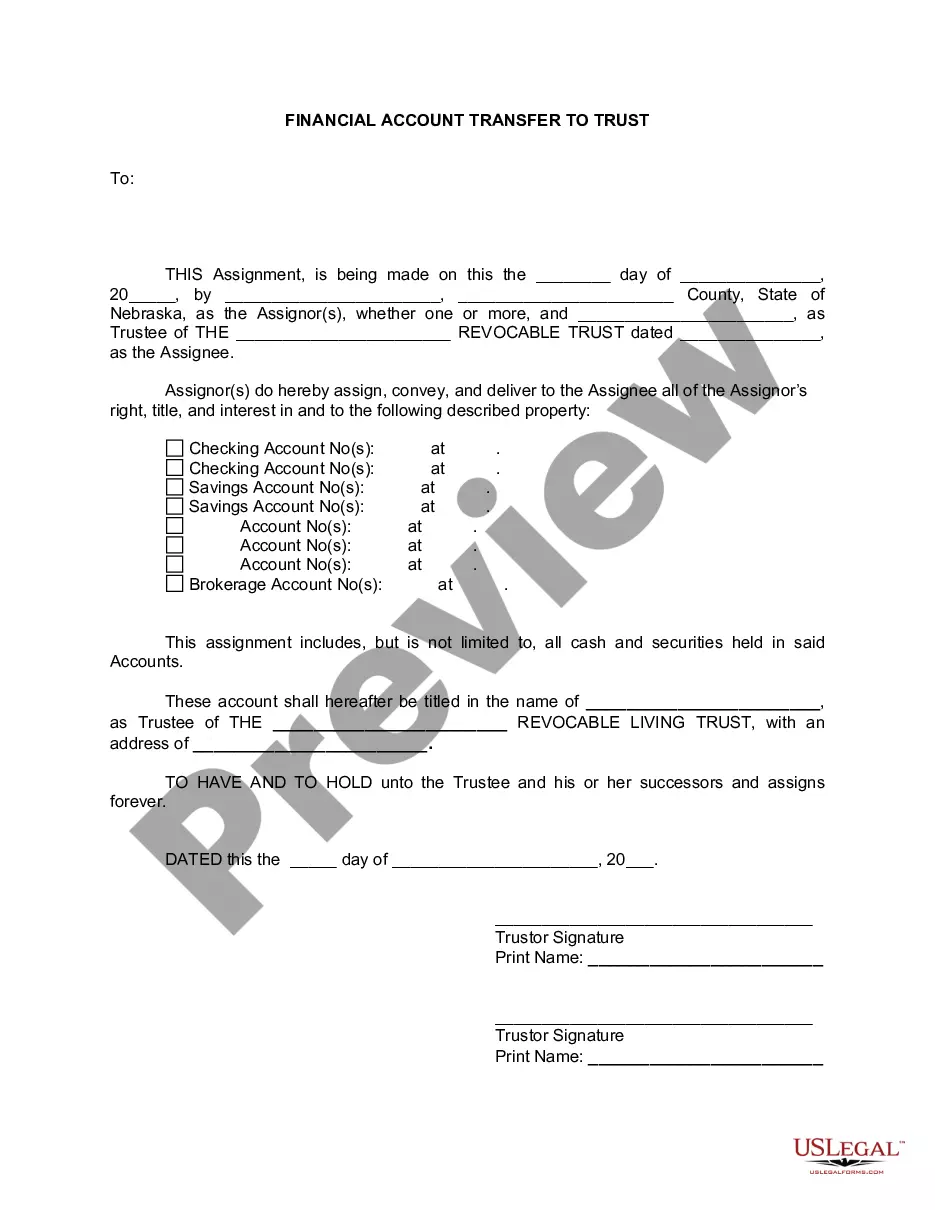

Form popularity
FAQ
The most amicable way to exit a contract is to have a frank and honest conversation with the parties involved. This is an opportunity to share why one cannot proceed with the contract in the first place. As long as both parties can come to a suitable agreement, then the agreement can be changed or terminated.
Legally, a seller's best bet for successfully backing out of a sale is if a contingency written into the contract has not been met. Home sellers can give themselves an “out” by adding contingencies to the contract that make the sale contingent upon certain conditions.
If the seller is unable to resolve liens or disputes by a date included in your contract, you may have sufficient grounds to cancel the deal. Likewise, new information about the property, neighborhood, or town, may be sufficient reason you'd want to walk away, whether you have to incur penalties or not.
To add, remove, or change a name on a deed, have a lawyer, title company, or other real estate professional prepare the deed. Then, record the new deed with the Department of Records. Note: We recommend that you do not prepare a deed on your own. We also recommend that you get title insurance.
How can I obtain information about liens and judgments? Where can I obtain property tax information? You can obtain tax information from the Office of Property Assessment (OPA) 601 Walnut Street .phila/OPA or the Department of Revenue located in the Municipal Services Building., 1401 JFK Blvd, concourse level.
A boundary survey or property survey determines the location of property lines and the monuments that mark the property corners of a parcel of land as described in a deed. The land surveyor undertaking a boundary survey should examine the deed for the property as well as possibly your neighbor's deed.
The lien will stay in effect for five years, but can be renewed, if the debtor does not sell the property within that time period.
How can I check for liens against my property? Except mortgages, most liens are filed in the Prothonotary's Office, not in the Recorder of Deeds Office. You can check with them for liens filed against you there.
In Pennsylvania, lien searches can be conducted by reviewing public records maintained by relevant government agencies, including local Prothonotary Offices or Pennsylvania Recorder of Deeds Offices. Besides mortgages, which are filed in the latter, most liens are filed in the former.
The department files liens in the county Prothonotary's Office where the taxpayer resides or does business. Liens, along with most other court records, are public documents.

