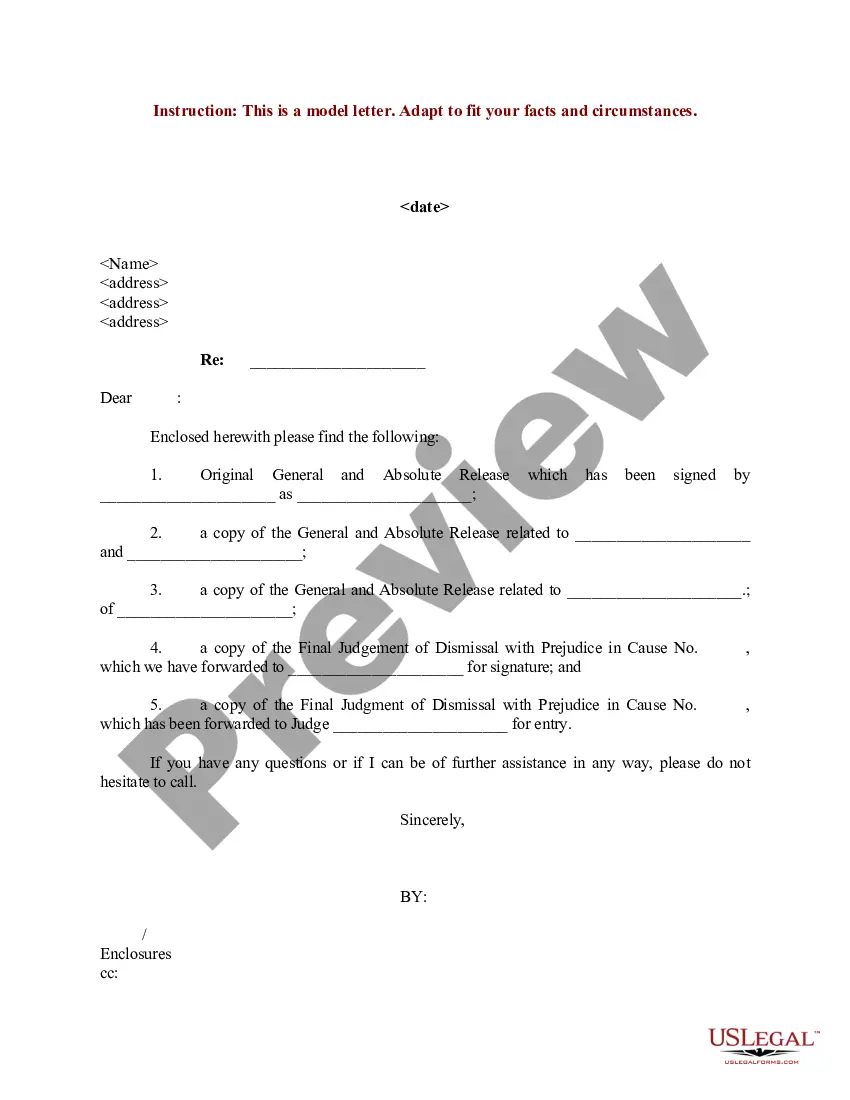
Lien Release Letter From Capital One In Palm Beach
Description

Get your form ready online
Our built-in tools help you complete, sign, share, and store your documents in one place.
Make edits, fill in missing information, and update formatting in US Legal Forms—just like you would in MS Word.
Download a copy, print it, send it by email, or mail it via USPS—whatever works best for your next step.
Sign and collect signatures with our SignNow integration. Send to multiple recipients, set reminders, and more. Go Premium to unlock E-Sign.
If this form requires notarization, complete it online through a secure video call—no need to meet a notary in person or wait for an appointment.
We protect your documents and personal data by following strict security and privacy standards.

Make edits, fill in missing information, and update formatting in US Legal Forms—just like you would in MS Word.

Download a copy, print it, send it by email, or mail it via USPS—whatever works best for your next step.

Sign and collect signatures with our SignNow integration. Send to multiple recipients, set reminders, and more. Go Premium to unlock E-Sign.

If this form requires notarization, complete it online through a secure video call—no need to meet a notary in person or wait for an appointment.

We protect your documents and personal data by following strict security and privacy standards.
Looking for another form?







Form popularity
FAQ
Paper titles with a lien can be released by the lienholder signing a lien satisfaction form. Electronic Liens have to be removed electronically. This is done by the lienholder's “third party provider” that put the electronic lien on the title for them.
While credit card companies technically have the ability to pursue your home for unpaid debt, it's rare. A debt collector must go to court and get a judgment before it can place a lien on your home. There are limits and exemptions to how much of your home's equity a debt collector can claim.
Liens are legal claims against property by creditors that allow them to collect what they're owed. Liens can be general or specific, and voluntary or involuntary. If a homeowner doesn't settle an obligation, then the lienholder may legally seize and dispose of the property.
It can take roughly two to six weeks to get your title after paying off a car.
It depends. If the court has invalidated the lien then it could be instantaneous. If you need to contact the “lienholder ” and negotiate then it could take as long as it takes. Unless the courts have invalidated the lien it will be up to how fast the “lienholder” moves.
Obtaining a Lien Release 1 Confirm the FDIC has the authority to assist with a lien release. 2 Compile Required Documents and Prepare Request for a Lien Release. 3 Register/Mail request to FDIC DRR Customer Service and Records Research.
In most cases, the lien holder (the lender in this case) should send the release to be recorded within 30-90 days. If you aren't sure what the requirements are in your area, reach out to your real estate agent, title agent, or real estate attorney for guidance.

