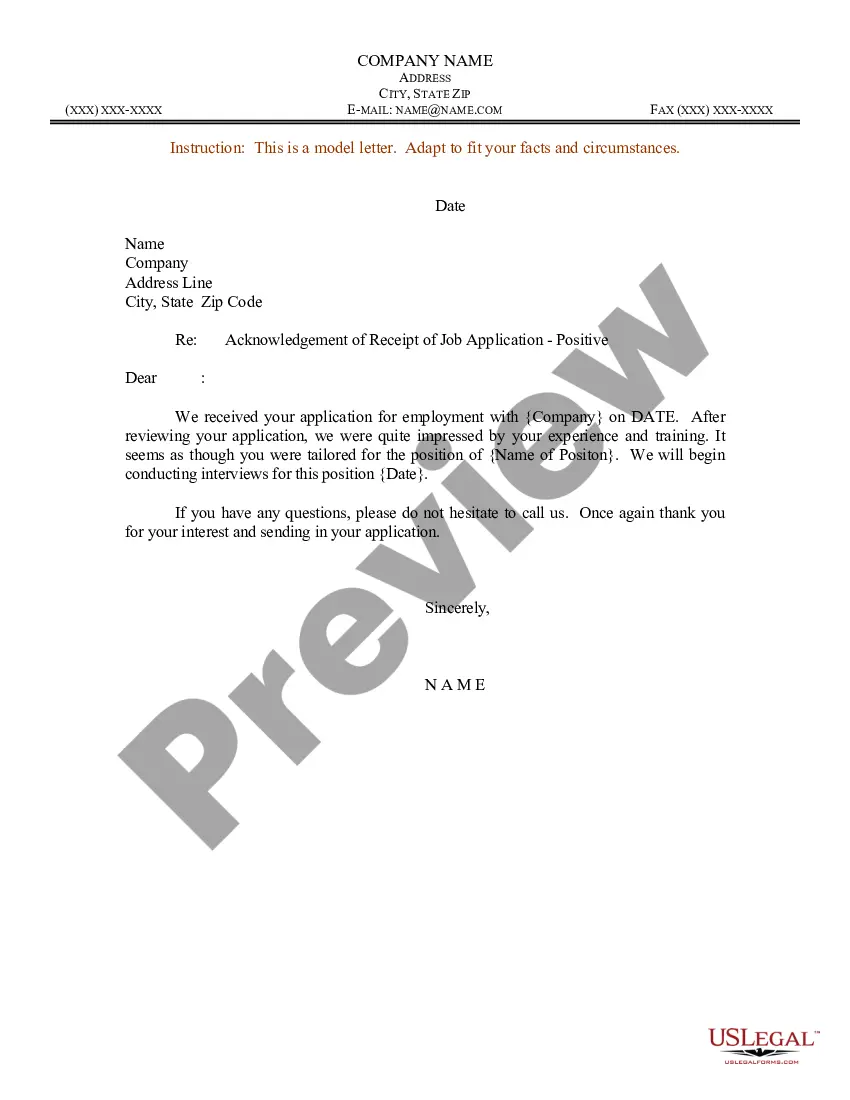
Sample Payoff Mortgage Form For Private In Nassau
Description
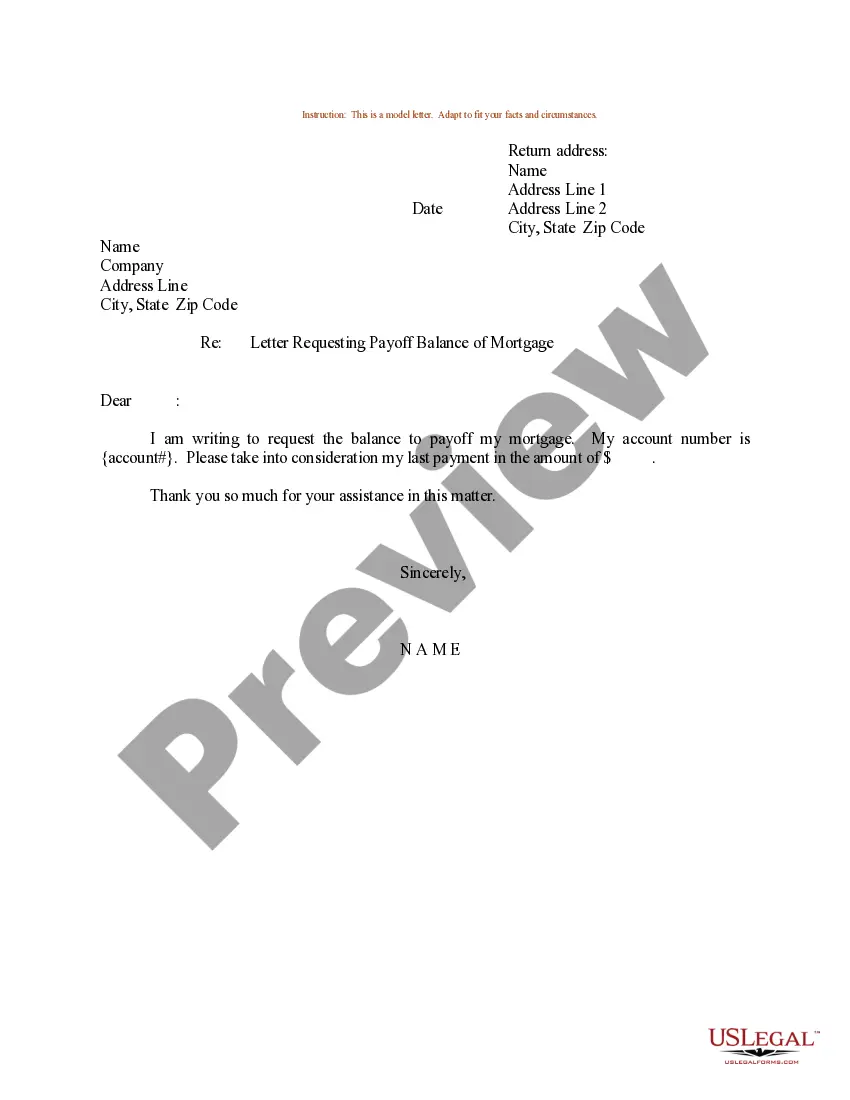
Get your form ready online
Our built-in tools help you complete, sign, share, and store your documents in one place.
Make edits, fill in missing information, and update formatting in US Legal Forms—just like you would in MS Word.
Download a copy, print it, send it by email, or mail it via USPS—whatever works best for your next step.
Sign and collect signatures with our SignNow integration. Send to multiple recipients, set reminders, and more. Go Premium to unlock E-Sign.
If this form requires notarization, complete it online through a secure video call—no need to meet a notary in person or wait for an appointment.
We protect your documents and personal data by following strict security and privacy standards.

Make edits, fill in missing information, and update formatting in US Legal Forms—just like you would in MS Word.

Download a copy, print it, send it by email, or mail it via USPS—whatever works best for your next step.

Sign and collect signatures with our SignNow integration. Send to multiple recipients, set reminders, and more. Go Premium to unlock E-Sign.

If this form requires notarization, complete it online through a secure video call—no need to meet a notary in person or wait for an appointment.

We protect your documents and personal data by following strict security and privacy standards.
Looking for another form?









Form popularity
FAQ
You must discharge your mortgage before selling a property so that all of your lender's rights are removed.
A release of mortgage, commonly known as a discharge of mortgage, is a legal document issued by the lender acknowledging that the mortgage debt is settled. It effectively releases the property from the lien, allowing homeowners clear ownership.
Once you've informed your lender and sent back a completed Discharge Authority Form, it typically takes a lender 10-15 business days to complete. However, this does vary ing to the lender. A partial discharge could take longer, as the lender may wish to carry out property valuations.
Under federal law, the servicer must generally send you a payoff statement within seven business days of your request, subject to a few exceptions. (12 C.F.R. § 1026.36.)
(c) A beneficiary, or his or her authorized agent, shall, on the written demand of an entitled person, or his or her authorized agent, prepare and deliver a payoff demand statement to the person demanding it within 21 days of the receipt of the demand.
Under federal law, the servicer must generally send you a payoff statement within seven business days of your request, subject to a few exceptions. (12 C.F.R. § 1026.36.)
Key Takeaways. Mortgages and related documents, including mortgage notes, are generally considered public records. Public accessibility of mortgage information aids in maintaining transparency in real estate transactions.
All of the mortgage records you can legally gain access to will be stored with the county where the property is located. Fortunately, most counties now have a digital version of their records for easy viewing. In any case, you'll want to locate the county's clerk's office or public records website.
There's a process to getting the mortgage payoff statement. First, you'll need to contact your lender and let them know you want the information. Depending on your lender, you may have to sign in to an online account, call a helpline, or send a formal letter to start the request process.
Generally, yes. They are public record and subject to public scrutiny for a variety of reasons, starting with the fact that creditors need to know whether the property is subject to judgment or an exposed asset.