Sample Mortgage Statement For Mortgage In Massachusetts
Description
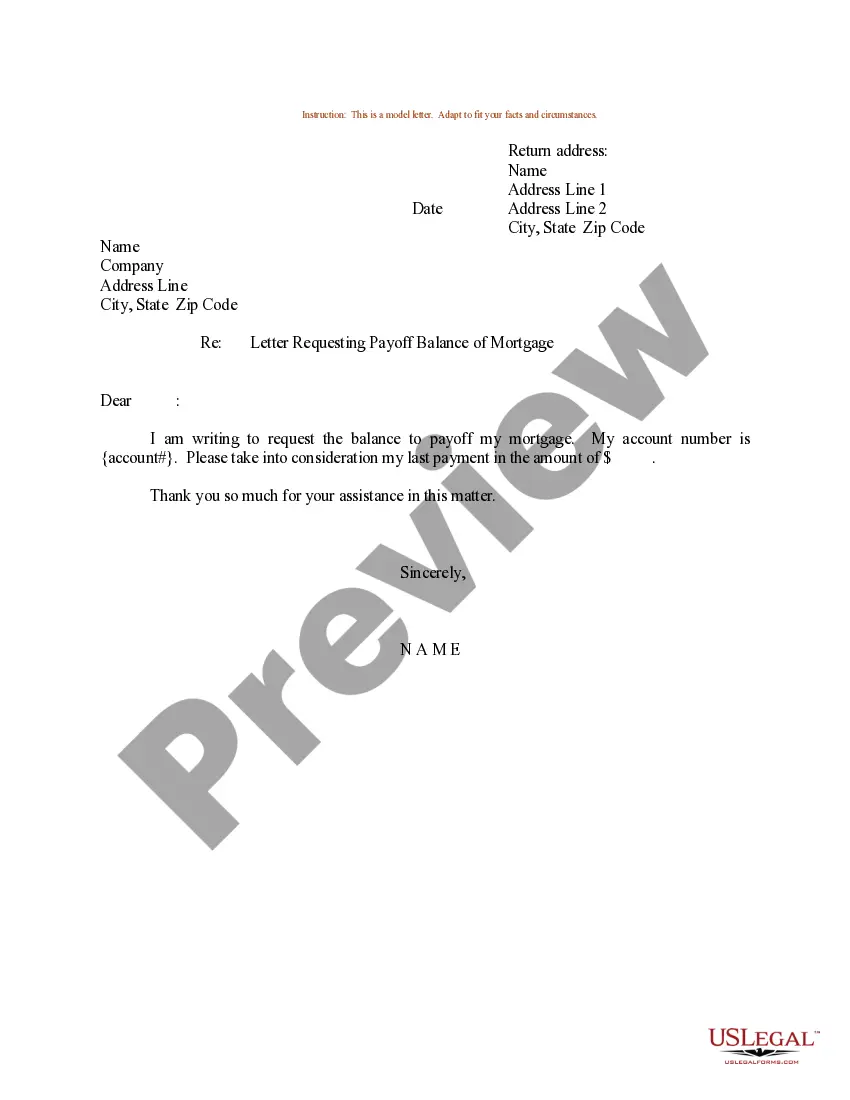
Get your form ready online
Our built-in tools help you complete, sign, share, and store your documents in one place.
Make edits, fill in missing information, and update formatting in US Legal Forms—just like you would in MS Word.
Download a copy, print it, send it by email, or mail it via USPS—whatever works best for your next step.
Sign and collect signatures with our SignNow integration. Send to multiple recipients, set reminders, and more. Go Premium to unlock E-Sign.
If this form requires notarization, complete it online through a secure video call—no need to meet a notary in person or wait for an appointment.
We protect your documents and personal data by following strict security and privacy standards.

Make edits, fill in missing information, and update formatting in US Legal Forms—just like you would in MS Word.

Download a copy, print it, send it by email, or mail it via USPS—whatever works best for your next step.

Sign and collect signatures with our SignNow integration. Send to multiple recipients, set reminders, and more. Go Premium to unlock E-Sign.

If this form requires notarization, complete it online through a secure video call—no need to meet a notary in person or wait for an appointment.

We protect your documents and personal data by following strict security and privacy standards.
Looking for another form?









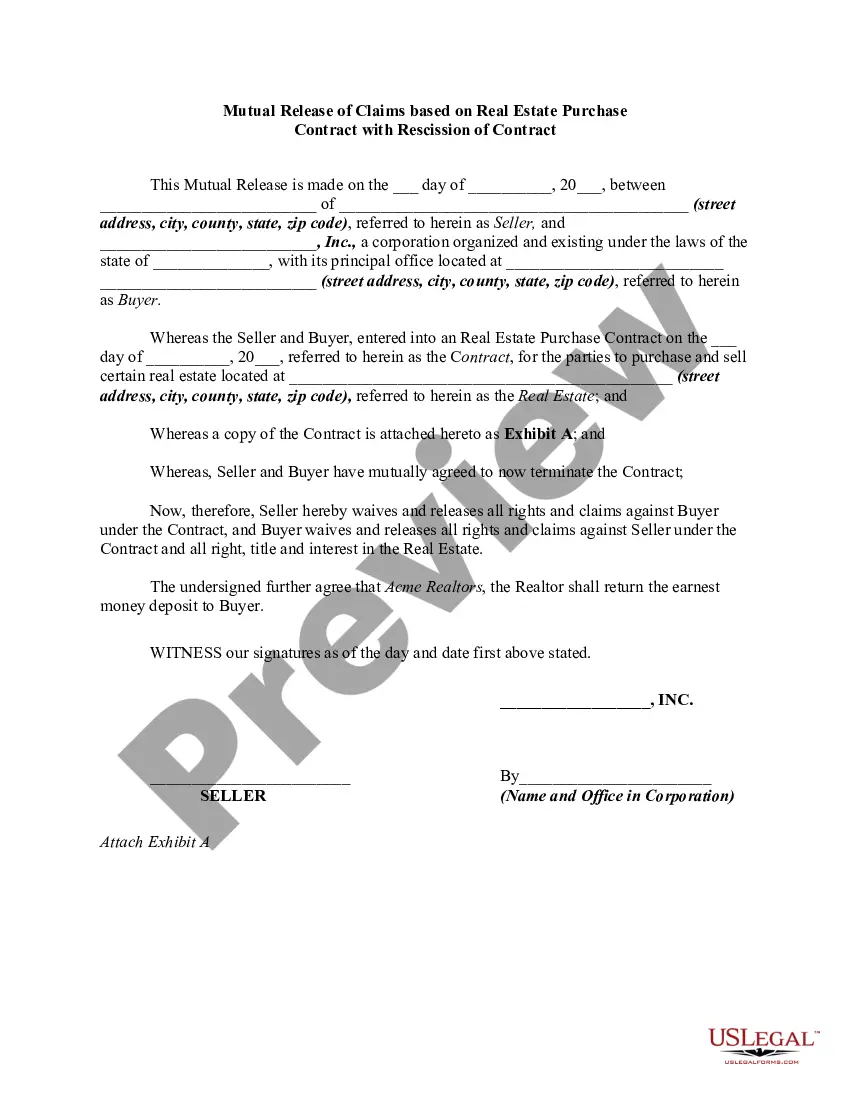
Form popularity
FAQ
Generally, yes. They are public record and subject to public scrutiny for a variety of reasons, starting with the fact that creditors need to know whether the property is subject to judgment or an exposed asset.
Mortgage data (HMDA) HMDA data are the most comprehensive source of publicly available information on the U.S. mortgage market. Learn more about mortgage activity from these data or download the data for your own analysis.
Mortgages are filed with the county, making them public records. You should receive a copy of your mortgage note when you close on a house, or contact your lender or local county office for a new copy.
If you need another copy of your mortgage statement, you can get one through contacting your lender. Many lenders offer access to past statements through an app or online banking portal. Alternatively, you may be able to call your lender or visit a branch to get a copy.
A notice of default is a public record registered with your local property records office, communicating that the lender has notified the borrower of their intent to pursue foreclosure.
Your mortgage lender sends your Form 1098 to you, generally by the end of January of the filing year. Some lenders may make their tax forms available online, in which case you should check your account to download.
From your web browser: Sign in to your online bank. Click Overview in the main menu. Select your mortgage account. Click Download my eStatements. Follow the instructions.
Mortgages and related documents, including mortgage notes, are generally considered public records.
Include details about the property, such as its address, type, and any additional information required by the template. Provide a breakdown of your monthly mortgage payments, including the principal, interest, taxes, and insurance amounts.
If you itemize your deductions on Schedule A (Form 1040), only include the personal part of your deductible mortgage interest on Schedule A (Form 1040), lines 8a or 8b.

