Loan Payoff Form With Amortization In Houston
Description
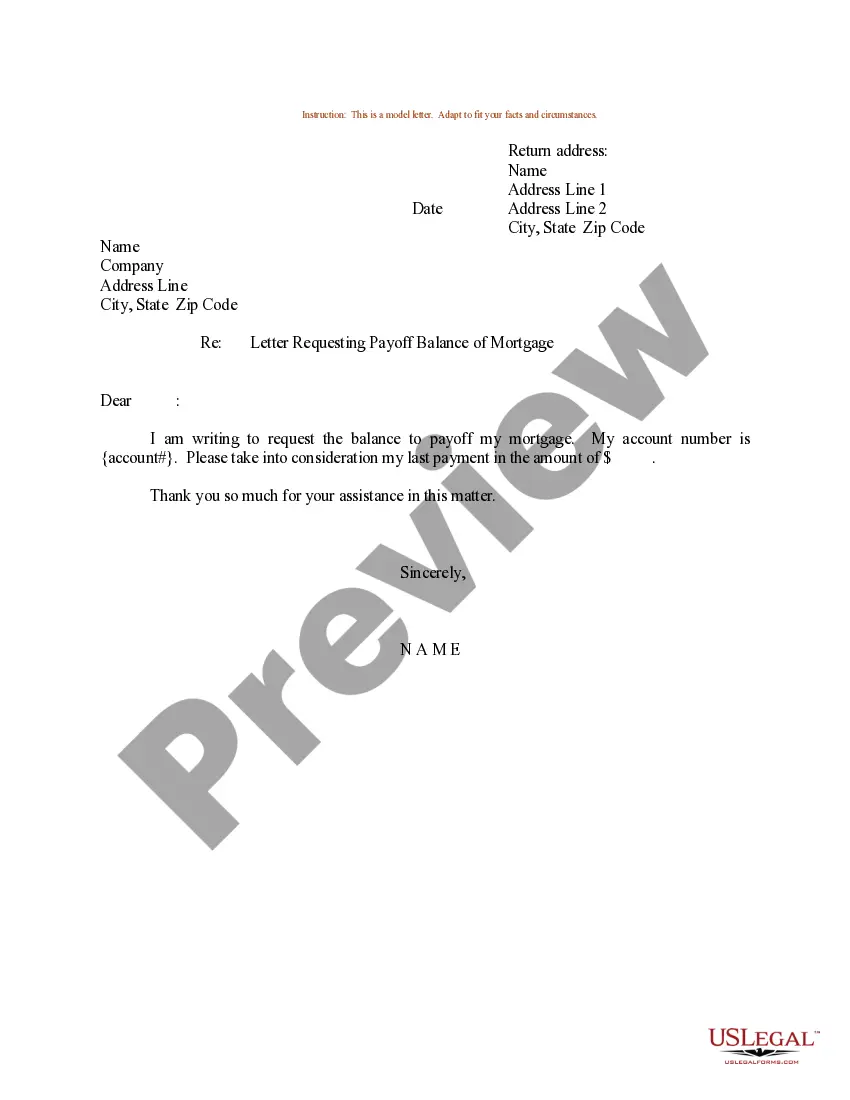
Get your form ready online
Our built-in tools help you complete, sign, share, and store your documents in one place.
Make edits, fill in missing information, and update formatting in US Legal Forms—just like you would in MS Word.
Download a copy, print it, send it by email, or mail it via USPS—whatever works best for your next step.
Sign and collect signatures with our SignNow integration. Send to multiple recipients, set reminders, and more. Go Premium to unlock E-Sign.
If this form requires notarization, complete it online through a secure video call—no need to meet a notary in person or wait for an appointment.
We protect your documents and personal data by following strict security and privacy standards.

Make edits, fill in missing information, and update formatting in US Legal Forms—just like you would in MS Word.

Download a copy, print it, send it by email, or mail it via USPS—whatever works best for your next step.

Sign and collect signatures with our SignNow integration. Send to multiple recipients, set reminders, and more. Go Premium to unlock E-Sign.

If this form requires notarization, complete it online through a secure video call—no need to meet a notary in person or wait for an appointment.

We protect your documents and personal data by following strict security and privacy standards.
Looking for another form?










Form popularity
FAQ
You can ask your lender for an amortization schedule, but this might not be as helpful if you're looking to see how extra payments could impact that schedule.
You can ask your lender for an amortization schedule, but this might not be as helpful if you're looking to see how extra payments could impact that schedule.
However, your lender may only give you your payment schedule, which, as we talked about before, doesn't break down how much of your payment goes towards principal, and how much goes toward interest. If an amortization schedule is not provided to you, you can ask them for one.
You can shorten your amortization by increasing your payments at renewal. But before you do that you need to understand that the new payment now becomes your contractual obligation and you cannot lower your payments during the term.
If you prepay your mortgage you reduce the principal balance, reducing the interest due next month and every month forward. If you prepay $1000 on your mortgage, the interest next month will be reduced by 10003.7%/12=3.08 You will still make the same payment, but an additional 3.083 will be credited toward principal.
To properly amortize a prepaid asset in the most basic calculation, the business will divide the total value of the prepaid expense by the number of months it will last. This is expressed in equation form as: monthly expense = total value/number of months.
Example A: A business has a $10,000 software license, which it expects will come to an end in five years. Using the straight-line method, the amortization expense would be $2,000 per year for the next five years. At the end of five years, the carrying amount of the asset will be zero.
