Payoff Letter For Promissory Note In Georgia
Description
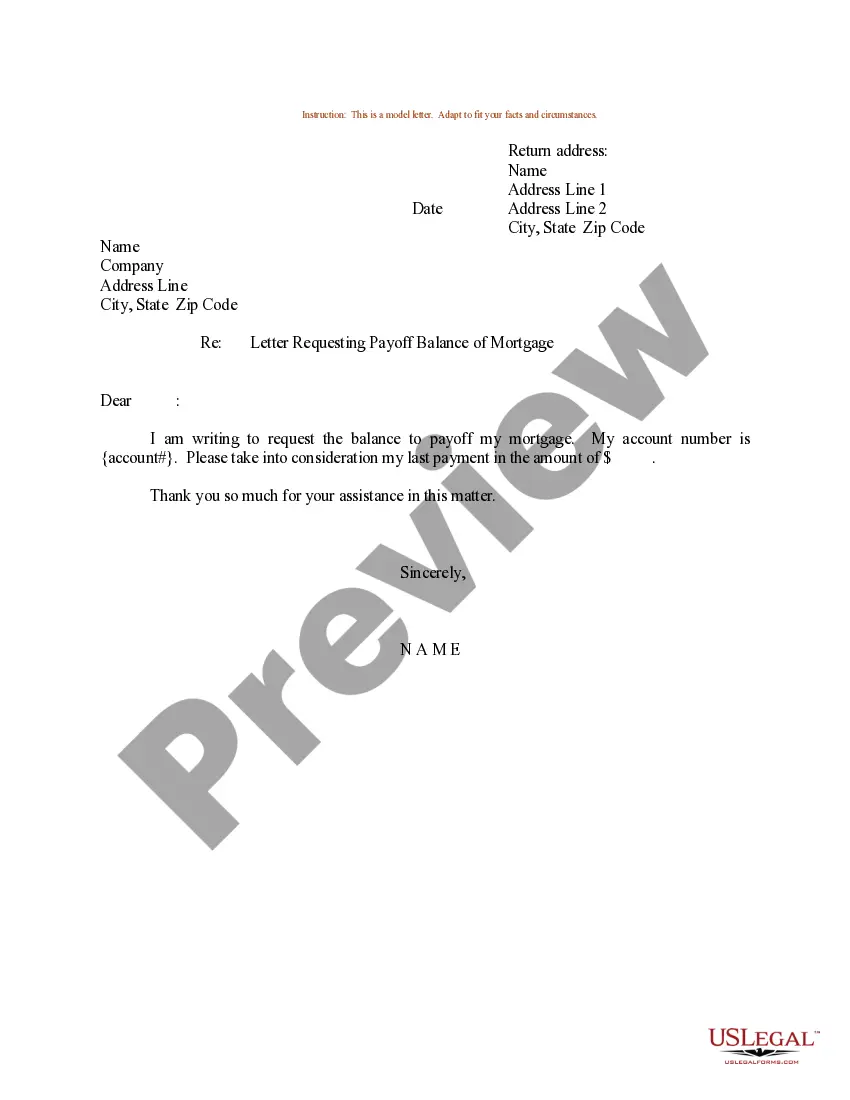
Get your form ready online
Our built-in tools help you complete, sign, share, and store your documents in one place.
Make edits, fill in missing information, and update formatting in US Legal Forms—just like you would in MS Word.
Download a copy, print it, send it by email, or mail it via USPS—whatever works best for your next step.
Sign and collect signatures with our SignNow integration. Send to multiple recipients, set reminders, and more. Go Premium to unlock E-Sign.
If this form requires notarization, complete it online through a secure video call—no need to meet a notary in person or wait for an appointment.
We protect your documents and personal data by following strict security and privacy standards.

Make edits, fill in missing information, and update formatting in US Legal Forms—just like you would in MS Word.

Download a copy, print it, send it by email, or mail it via USPS—whatever works best for your next step.

Sign and collect signatures with our SignNow integration. Send to multiple recipients, set reminders, and more. Go Premium to unlock E-Sign.

If this form requires notarization, complete it online through a secure video call—no need to meet a notary in person or wait for an appointment.

We protect your documents and personal data by following strict security and privacy standards.
Looking for another form?





Form popularity
FAQ
What invalidates promissory notes? Incomplete signatures. Both parties must sign the promissory note. Missing payment amount or schedule. Missing interest rate. Lost original copy. Unclear clauses. Unreasonable terms. Past the statute of limitations. Changes made without a new agreement.
Canceling a promissory note requires the lender's agreement and must follow proper legal documentation, often through a Release of Promissory Note. Legal grounds for cancellation include full repayment, debt forgiveness, refinancing, and contract disputes.
Yes, a properly executed promissory note is legally binding. As long as the note contains all necessary elements, is signed by the involved parties, and complies with applicable laws, it's enforceable in court if the borrower defaults or fails to meet their obligations.
Witnessing: Even if notarization is not required, having a witness present when signing the promissory note can help strengthen its enforceability.
All Promissory Notes are valid only for a period of 3 years starting from the date of execution, after which they will be invalid. There is no maximum limit in terms of the amount which can be lent or borrowed. The issuer / lender of the funds is normally the one who will hold the Promissory Note.
A notary public signature acts as a third-party witness to your agreement. You're not required to notarize a promissory note, and your note can still be valid without it. Signatures are proof enough that your note is authentic.
But what exactly do you need to write a promissory note? Include their full legal names, addresses, and contact numbers—include any co-signers if applicable. The terms of this note should specify the amount borrowed, repayment terms (including interest rate, if applicable), and the due date or schedule of payments.
Statutes of Limitations for Each State (In Number of Years) StateWritten contractsPromissory notes D.C. 3 3 Florida 5 5 Georgia 6 6 Hawaii 6 647 more rows
Depending on which state you live in, the statute of limitations with regard to promissory notes can vary from three to 15 years. Once the statute of limitations has ended, a creditor can no longer file a lawsuit related to the unpaid promissory note.

