Payoff Statement For Credit Card In Franklin
Description
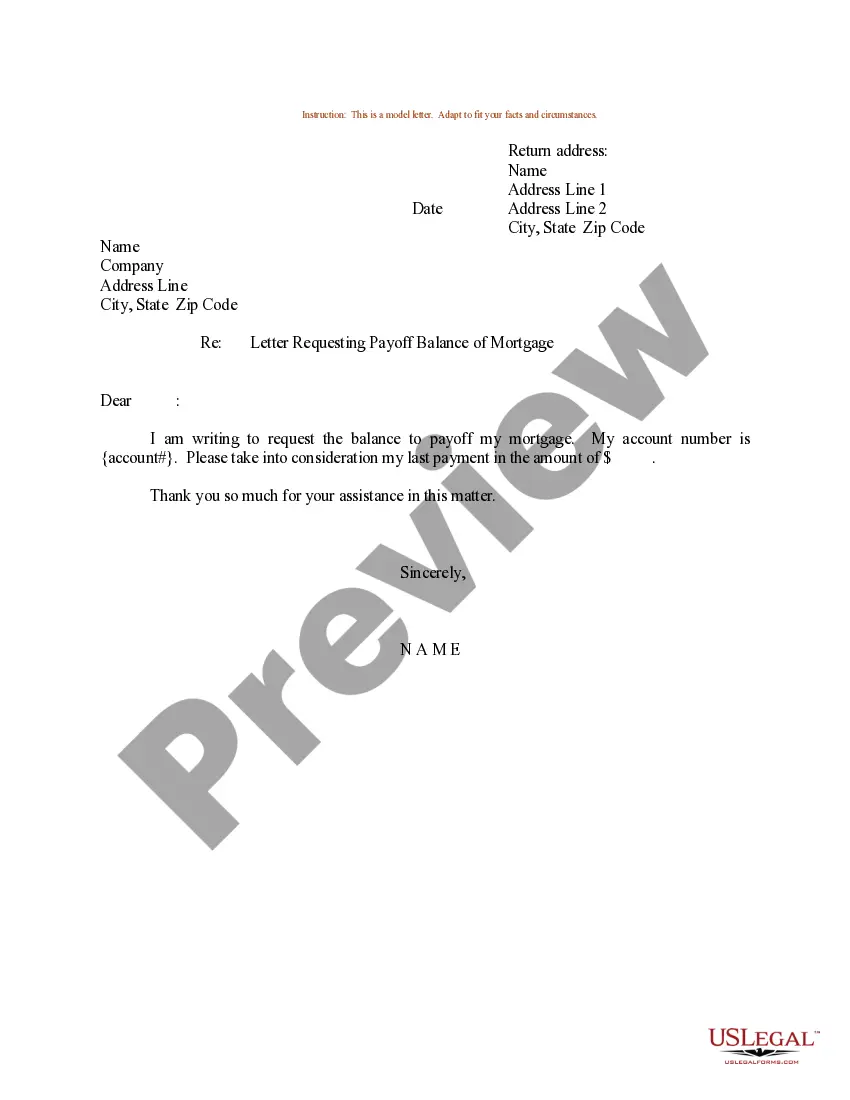
Get your form ready online
Our built-in tools help you complete, sign, share, and store your documents in one place.
Make edits, fill in missing information, and update formatting in US Legal Forms—just like you would in MS Word.
Download a copy, print it, send it by email, or mail it via USPS—whatever works best for your next step.
Sign and collect signatures with our SignNow integration. Send to multiple recipients, set reminders, and more. Go Premium to unlock E-Sign.
If this form requires notarization, complete it online through a secure video call—no need to meet a notary in person or wait for an appointment.
We protect your documents and personal data by following strict security and privacy standards.

Make edits, fill in missing information, and update formatting in US Legal Forms—just like you would in MS Word.

Download a copy, print it, send it by email, or mail it via USPS—whatever works best for your next step.

Sign and collect signatures with our SignNow integration. Send to multiple recipients, set reminders, and more. Go Premium to unlock E-Sign.

If this form requires notarization, complete it online through a secure video call—no need to meet a notary in person or wait for an appointment.

We protect your documents and personal data by following strict security and privacy standards.
Looking for another form?







Form popularity
FAQ
What percentage will credit card companies settle for? Credit card companies typically agree to settle for 20% to 100% of the outstanding balance. However, it's important to remember that settling a debt may negatively impact your credit score.
To access your credit card statement, you'll first have to create an online account via your card issuer's website. If you obtained a credit card through your current bank or credit union, your credit card account may be accessible through your existing online banking account.
If you have debt and you want a payoff statement, you can request one by contacting whichever lender or creditor holds the debt.
Online: Card issuers usually send credit card statement to your registered email ID on the same date every month, which is known as the billing date. Another way to access your credit card statement online is by logging into your bank's net banking portal.
Key points about credit card statements Depending on your preferences, you'll receive your statement by post, or online. It includes your statement balance, the minimum payment amount and due date, a list of transactions since your last statement, a breakdown of your balance and useful account information.
Credit card companies are required to provide you with a statement at least 21 days prior to when your payment is due. To request your credit card statement, simply call the customer service number on the back of your card and request a copy. You may also be able to find your statement inside your online account.
The following are the three modes of credit card statements: E-Statement – On your registered e-mail ID. Physical Statement – On your registered mailing address. Online statement - You can view and download your credit card statement online, by logging into sbicard.
For a credit card, the payoff balance is the statement balance plus any additional transaction made since the billing cycle closed.
Generally, you can expect credit card activity to be reported to the credit bureaus every 30 to 45 days, Griffin says. The end of the billing cycle typically will determine when these updates occur. "Many people think credit report updates happen at the end of the month, but this isn't always the case," Griffin says.
