Loan Payoff Letter Form With Payment In Cuyahoga
Description
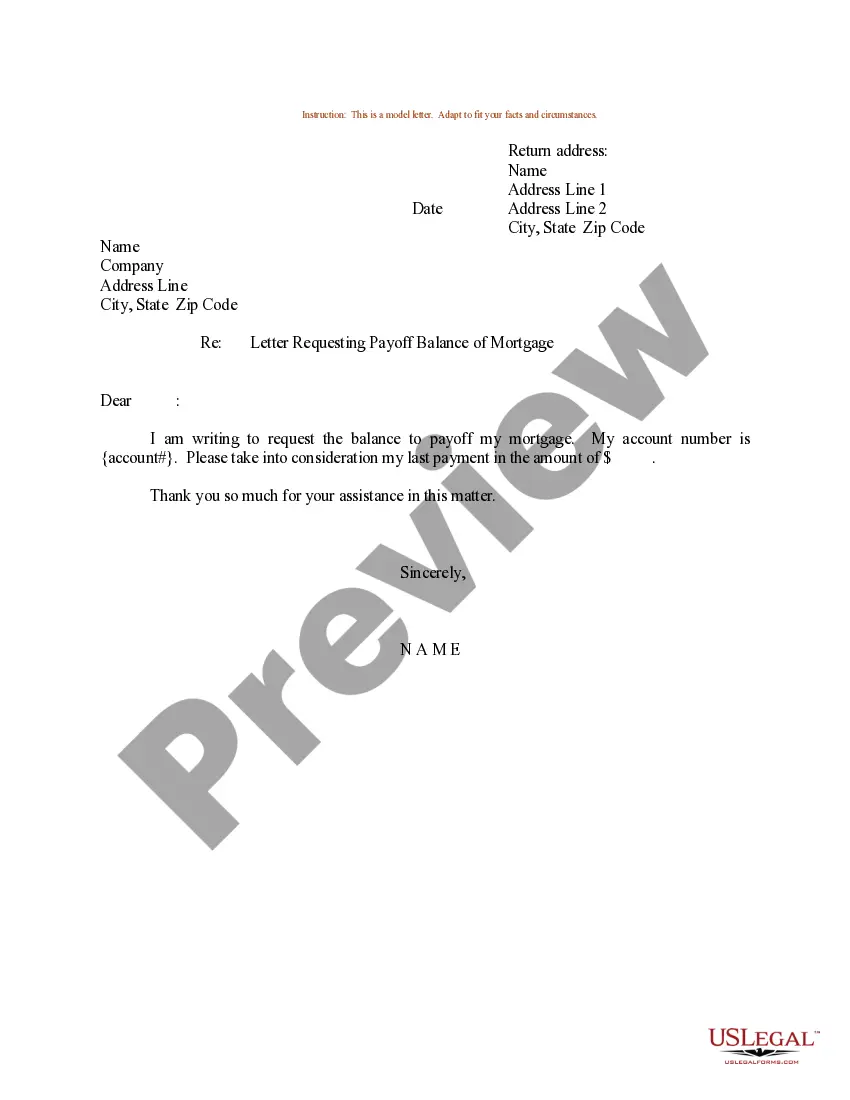
Get your form ready online
Our built-in tools help you complete, sign, share, and store your documents in one place.
Make edits, fill in missing information, and update formatting in US Legal Forms—just like you would in MS Word.
Download a copy, print it, send it by email, or mail it via USPS—whatever works best for your next step.
Sign and collect signatures with our SignNow integration. Send to multiple recipients, set reminders, and more. Go Premium to unlock E-Sign.
If this form requires notarization, complete it online through a secure video call—no need to meet a notary in person or wait for an appointment.
We protect your documents and personal data by following strict security and privacy standards.

Make edits, fill in missing information, and update formatting in US Legal Forms—just like you would in MS Word.

Download a copy, print it, send it by email, or mail it via USPS—whatever works best for your next step.

Sign and collect signatures with our SignNow integration. Send to multiple recipients, set reminders, and more. Go Premium to unlock E-Sign.

If this form requires notarization, complete it online through a secure video call—no need to meet a notary in person or wait for an appointment.

We protect your documents and personal data by following strict security and privacy standards.
Looking for another form?

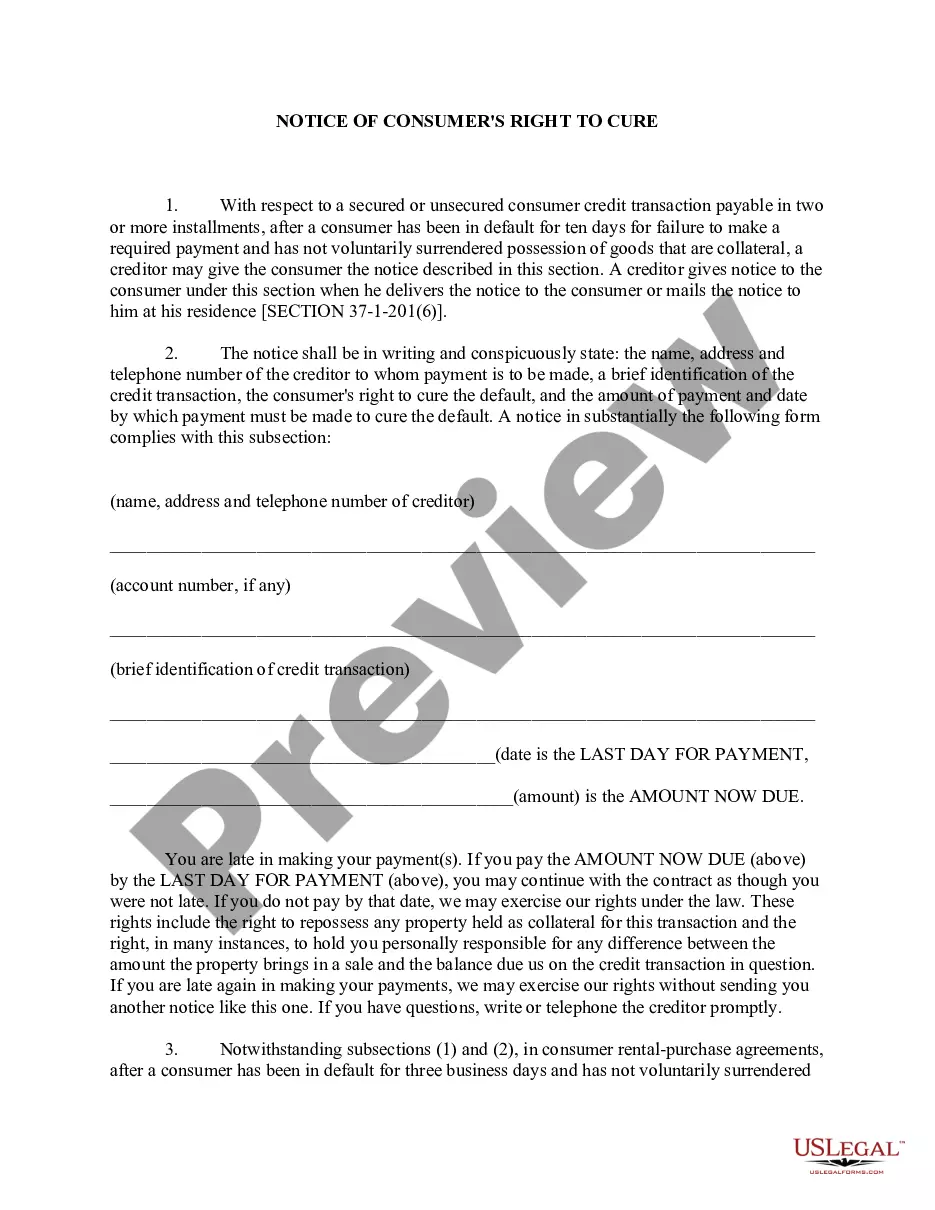
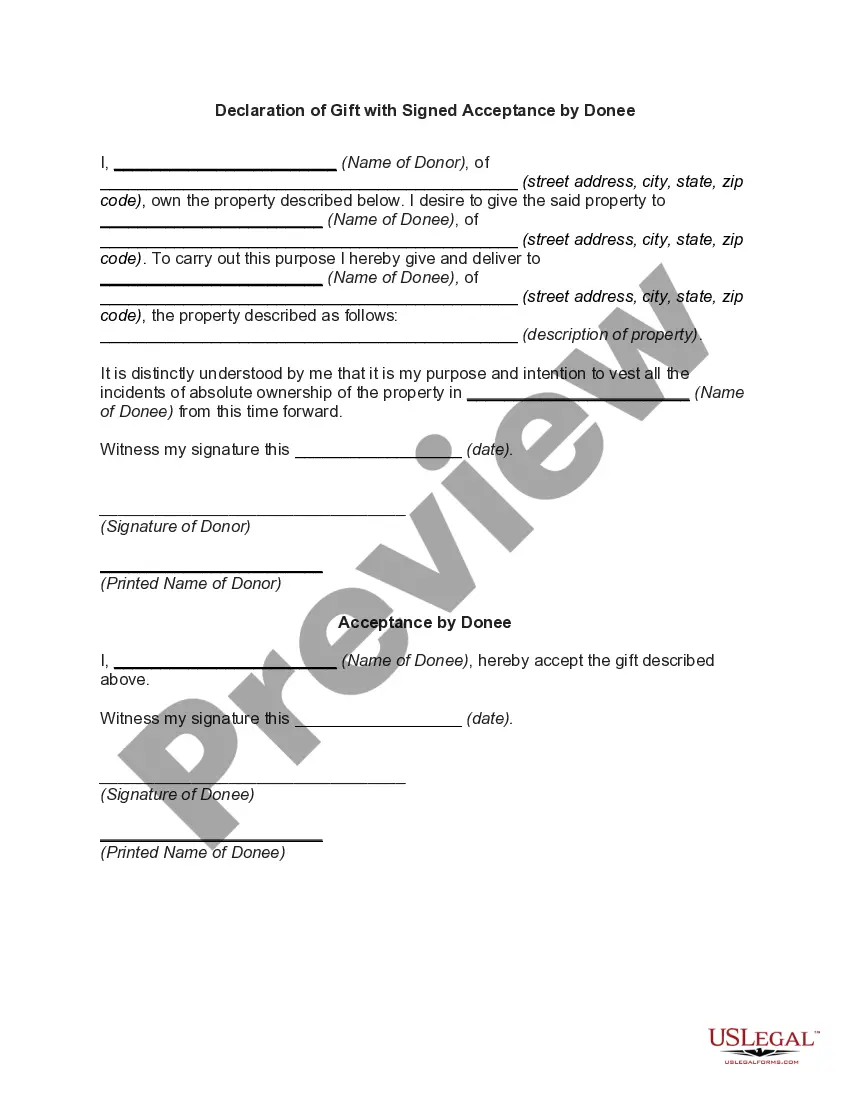
Form popularity
FAQ
Taxes: Your property taxes are assessed by the county you live in. Property taxes are typically collected as part of your mortgage payment and put the into an escrow account until the bills are due. Insurance: Payment for homeowner's insurance to cover damage to your home or property.
State Tax Liens To release a tax lien, the debtor must contact the Ohio Attorney General's Office of Collections and Enforcement to determine the exact amount of tax owed. Payment of the original tax must be remitted to the Ohio Department of Taxation.
Real estate property taxes are billed twice a year, with payment due in mid-February and mid-July. Mobile home taxes are billed twice a year, as well, with payment due March 1st and July 31st. The Treasurer's Office wants to make paying taxes as simple as possible for Cuyahoga County taxpayers.
Who do I contact with a question on my property tax bill? Contact the Cuyahoga County Fiscal Officer's Office, by calling 216-443-7010 or visiting online at Fiscal Officer , with any property tax bill questions you may have.
The Department of Taxation does not forward information to, nor receive information from the credit bureau. However, when an assessment is forwarded to the Attorney General's Office for collection, a judgment lien is filed with the county clerk of courts. This information is public record.
Tax lien: The statute of limitations for a tax lien in Ohio is 15 years from the date the tax liability was assessed. This means that the government has 15 years to collect the taxes owed before the lien expires. Judgment lien: In Ohio, a judgment lien can be valid for up to 5 years.
The Homestead Tax Exemption lets qualifying homeowners reduce their property taxes. The program is designed to help senior citizens, disabled homeowners and, in some cases, their surviving spouses. Income-eligible couples can qualify even if only one partner is a senior or disabled.
To qualify for the direct assistance, resident must: Maintain a primary residence in Cuyahoga County for at least 3 years. Have an active certified tax delinquency on that residence. Be aged 70 years or greater.
The Homestead Exemption program allows senior citizens and permanently and totally disabled Ohioans that meet annual state set income requirements to reduce their property tax burden by shielding some of the market value of their home from taxation.

