Loan Payoff Letter Form With Collateral In Contra Costa
Description
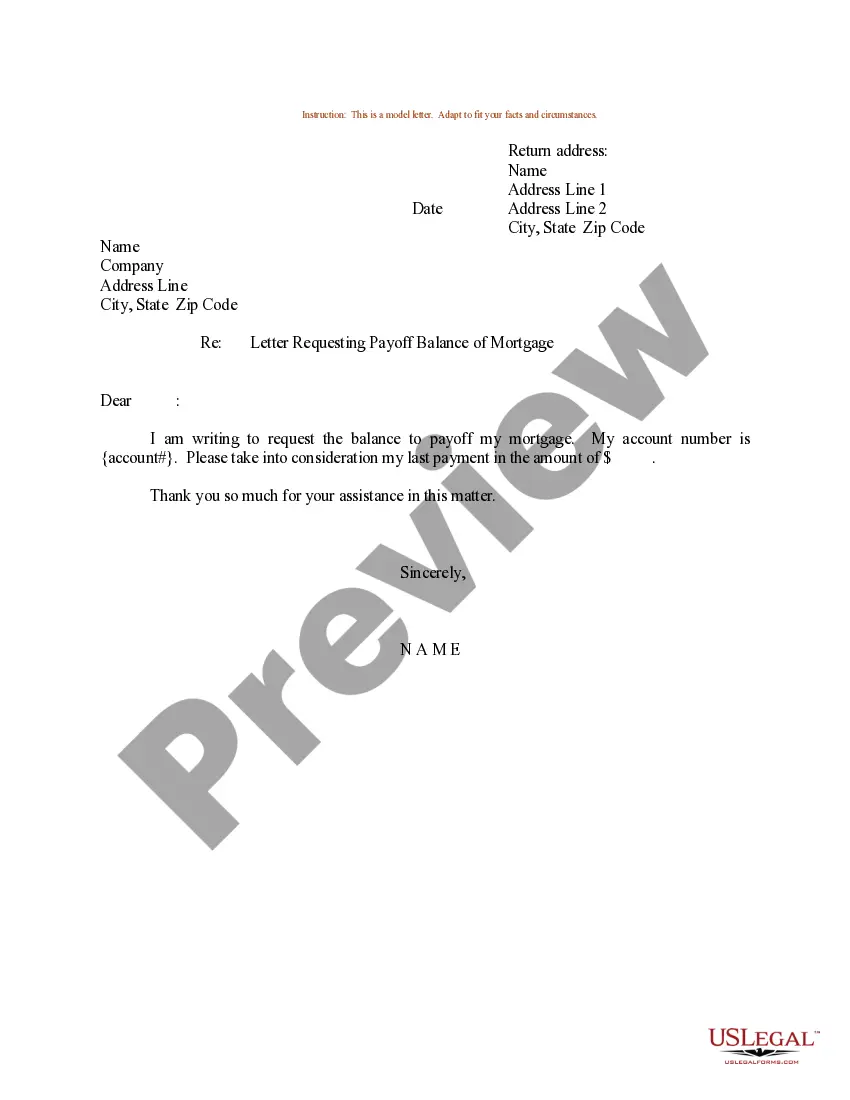
Get your form ready online
Our built-in tools help you complete, sign, share, and store your documents in one place.
Make edits, fill in missing information, and update formatting in US Legal Forms—just like you would in MS Word.
Download a copy, print it, send it by email, or mail it via USPS—whatever works best for your next step.
Sign and collect signatures with our SignNow integration. Send to multiple recipients, set reminders, and more. Go Premium to unlock E-Sign.
If this form requires notarization, complete it online through a secure video call—no need to meet a notary in person or wait for an appointment.
We protect your documents and personal data by following strict security and privacy standards.

Make edits, fill in missing information, and update formatting in US Legal Forms—just like you would in MS Word.

Download a copy, print it, send it by email, or mail it via USPS—whatever works best for your next step.

Sign and collect signatures with our SignNow integration. Send to multiple recipients, set reminders, and more. Go Premium to unlock E-Sign.

If this form requires notarization, complete it online through a secure video call—no need to meet a notary in person or wait for an appointment.

We protect your documents and personal data by following strict security and privacy standards.
Looking for another form?

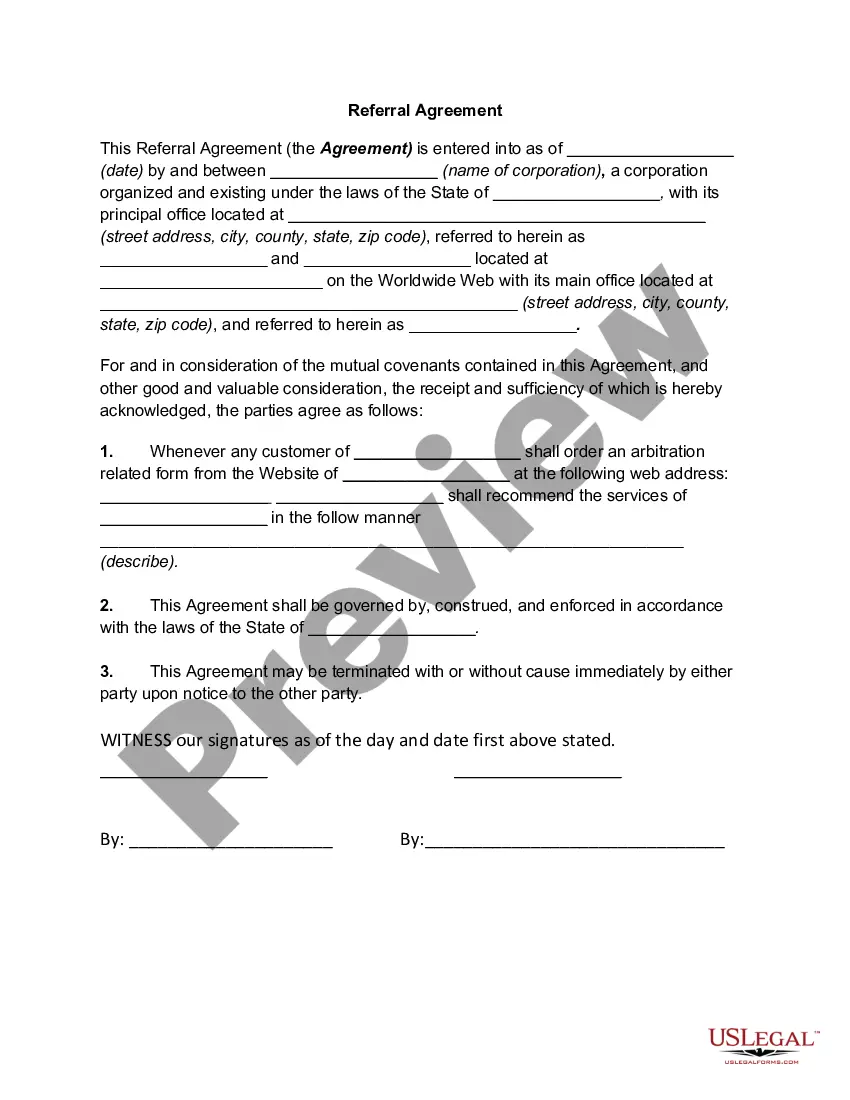







Form popularity
FAQ
How to Apply. To apply for an exemption, you must provide all required information and acceptable proof for you and your tax household. Requirements are explained in the application for each exemption type. You can submit your application online, by fax, or by mail.
The California Constitution provides for the exemption of $7,000 (maximum) in assessed value from the property tax assessment of any property owned and occupied as the owner's principal place of residence. The exemption reduces the annual property tax bill for a qualified homeowner.
Obtain the claim form from the County Assessor's office where the property is located. Submit the completed form to the same office. Once the exemption has been granted, it remains effective until a change in eligibility occurs, such as selling or moving out of the home. Annual filing is not required.
New property owners will usually receive an exemption application enclosed with their notice of supplemental assessment, approximately 90 to 120 days after the deed is recorded. If you acquired the property more than 120 days ago, and have not received an application, please call (925) 313-7400 for an application.
Homeowner's Exemption If you own and occupy the property as your principal place of residence, you are eligible for a Homeowners' Exemption of $7,000 in assessed value for that property. The exemption will reduce the annual property tax bill by at least $70 each year.
Documents are recorded within two (2) business days of receipt of the document. The average turnaround time for a document submitted for recording is 30 days. Documents recorded electronically through an agent will not be returned from our office.
WHAT IS A HOMESTEAD DECLARATION? A homestead declaration is a legal document that claims and registers a particular house as the owner's homestead or principle dwelling. This document helps to protect the house against loss to creditors.
The Contra Costa County Vital Registration Office is able to provide certified copies for births occurring this year and last year in Contra Costa County. Births that occurred prior to that may be obtained from the Clerk-Recorders Office at 925-335-7900 or on the County Clerk website.
Preserves Home Equity: Filing a homestead declaration ensures that a portion of your home's equity is protected. The statutory amount that can be shielded is capped at $600,000 and will depend upon the average home value in your county.
