Loan Payoff Letter Format For Audit In Broward
Description

Get your form ready online
Our built-in tools help you complete, sign, share, and store your documents in one place.
Make edits, fill in missing information, and update formatting in US Legal Forms—just like you would in MS Word.
Download a copy, print it, send it by email, or mail it via USPS—whatever works best for your next step.
Sign and collect signatures with our SignNow integration. Send to multiple recipients, set reminders, and more. Go Premium to unlock E-Sign.
If this form requires notarization, complete it online through a secure video call—no need to meet a notary in person or wait for an appointment.
We protect your documents and personal data by following strict security and privacy standards.

Make edits, fill in missing information, and update formatting in US Legal Forms—just like you would in MS Word.

Download a copy, print it, send it by email, or mail it via USPS—whatever works best for your next step.

Sign and collect signatures with our SignNow integration. Send to multiple recipients, set reminders, and more. Go Premium to unlock E-Sign.

If this form requires notarization, complete it online through a secure video call—no need to meet a notary in person or wait for an appointment.

We protect your documents and personal data by following strict security and privacy standards.
Looking for another form?
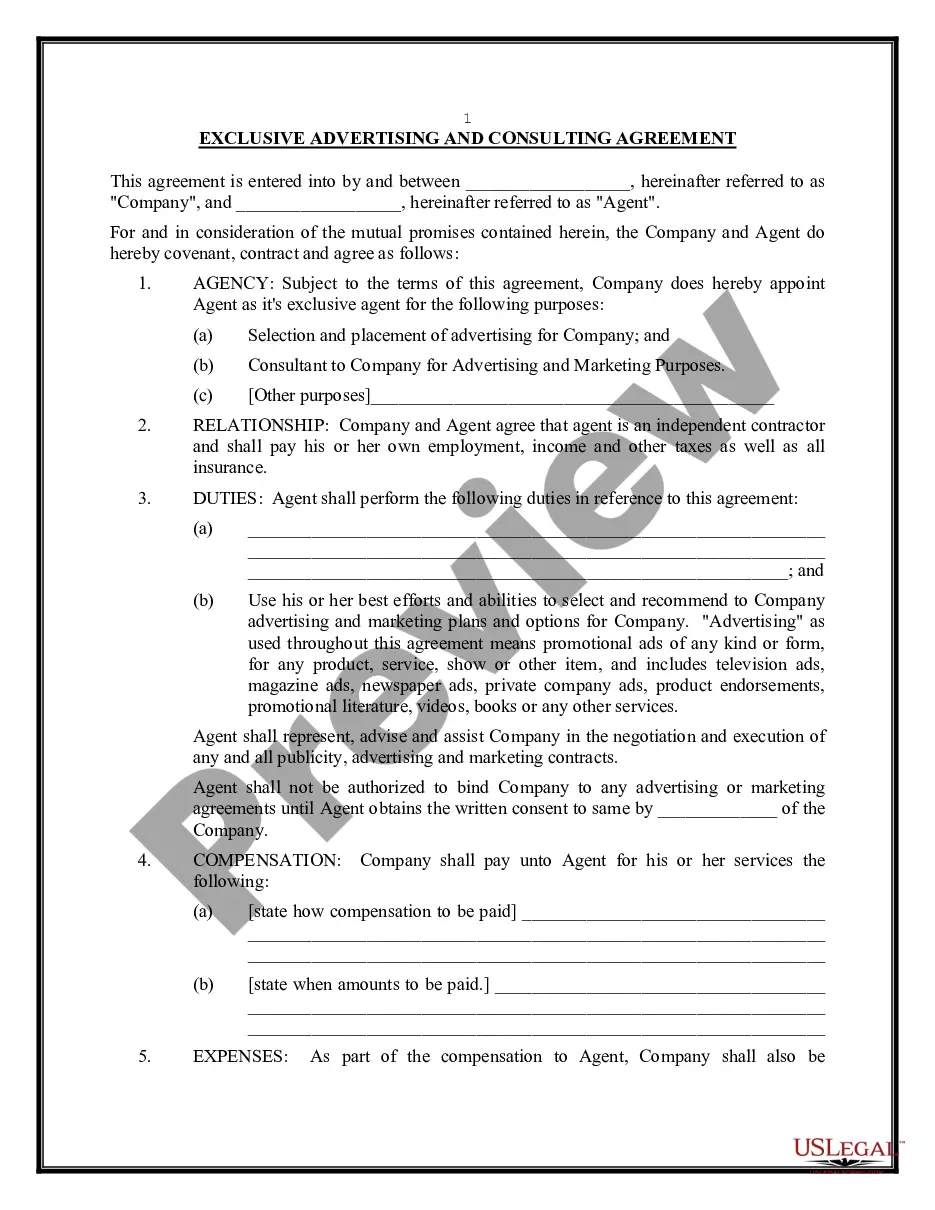



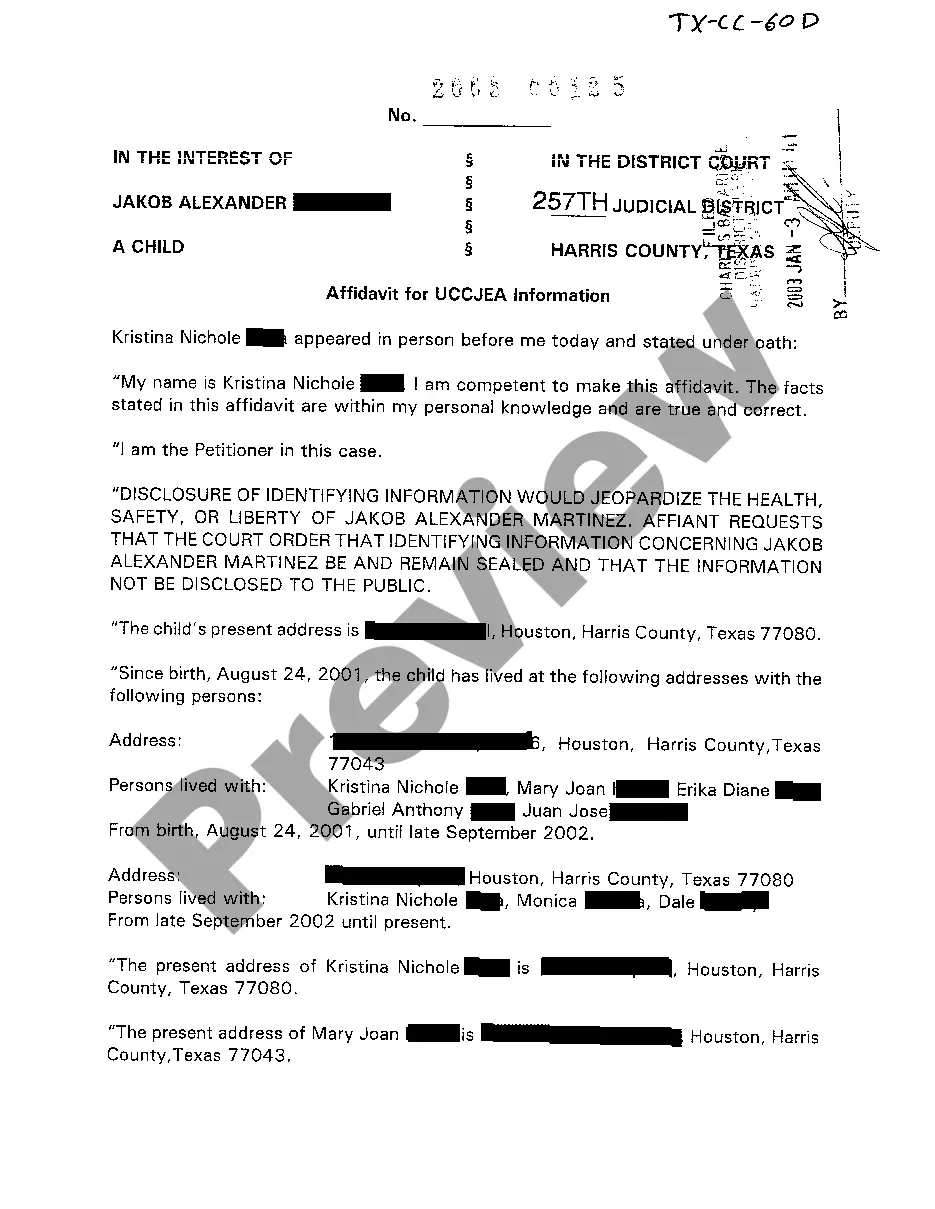





Form popularity
FAQ
To test this, an auditor will compare the bad debt ratio over several years to see if it appears out of line. The bad debt ratio is calculated by dividing the bad debt written off divided by the total sales for the period. Any large discrepancy will need to be justified. Verify the accuracy of credit memos.
Unlike the direct-write off method, the allowance method follows the GAAP standards and is therefore the accepted method of accounting to write off bad debts. Businesses using the allowance method need to estimate the percentage of uncollected accounts receivable at the end of each accounting period.
There are two ways to calculate bad debt expense: the direct write-off method, in which the invoice amount is charged directly to bad debt expense and removed from the accounts receivable (this method is used for federal income tax purposes only), or the allowance method, in which the bad debts are anticipated even ...
The Bureau of Financial Investigations is the criminal justice arm of the agency. The bureau maintains investigative teams throughout the state who have expertise in financial records and analysis, forensic accounting, interviewing and legal case preparation.
By law, the annual financial statements of public companies must be audited each year by independent auditors. These auditors are certified public accountants (CPAs) who examine the statements for conformity with U.S. Generally Accepted Accounting Principles (GAAP).
The auditor should check the agreement of balances as shown in the schedules of debtors with those in the ledger accounts. He should also check the agreement of the total of debtor balances with the related control accounts. Any differences in this regard should be examined.
The chief functions of an audit department are to: Determine compliance with policies and procedures. Assess the quality of internal controls. Evaluate the quality of risk management.
You should be reviewing each balance and assessing what the probable amount you anticipate receiving will be, and to provide against the difference. When reviewing the individual balances, you should bear in mind historic experience and any risk characteristics you may be aware of.
Under the Florida Homeowners' Association Act Section 720.303(7), all HOAs with an annual revenue exceeding $500,000 must have audited financial statements yearly to comply with Florida HOA audit requirements. HOAs with an annual revenue of $300,000-$500,000 do not require an audit.
The Bureau of Auditing is responsible for the auditing and collection of excise taxes levied upon alcoholic beverages, cigarettes, and other tobacco products sold in Florida, as well as the auditing and collection of surcharge on cigarettes and other tobacco products sold in Florida.

