Loan Payoff Letter Sample With Collateral In Bronx
Description
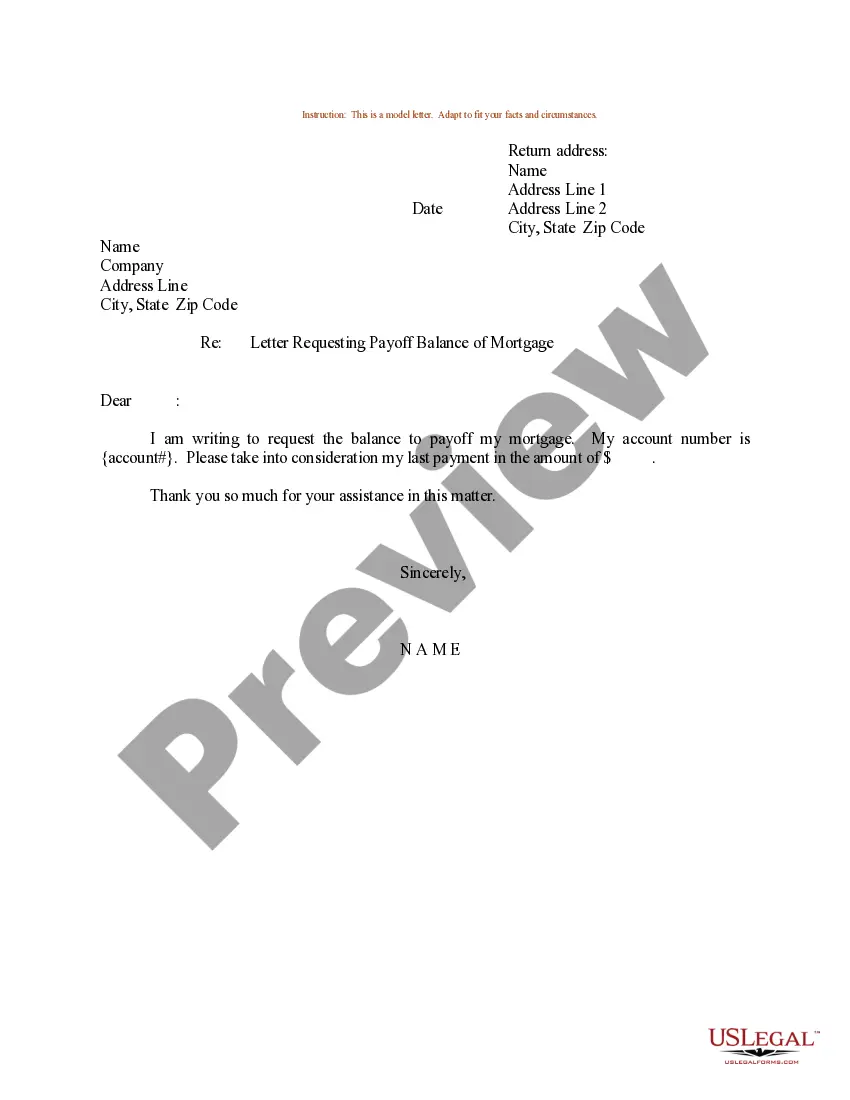
Get your form ready online
Our built-in tools help you complete, sign, share, and store your documents in one place.
Make edits, fill in missing information, and update formatting in US Legal Forms—just like you would in MS Word.
Download a copy, print it, send it by email, or mail it via USPS—whatever works best for your next step.
Sign and collect signatures with our SignNow integration. Send to multiple recipients, set reminders, and more. Go Premium to unlock E-Sign.
If this form requires notarization, complete it online through a secure video call—no need to meet a notary in person or wait for an appointment.
We protect your documents and personal data by following strict security and privacy standards.

Make edits, fill in missing information, and update formatting in US Legal Forms—just like you would in MS Word.

Download a copy, print it, send it by email, or mail it via USPS—whatever works best for your next step.

Sign and collect signatures with our SignNow integration. Send to multiple recipients, set reminders, and more. Go Premium to unlock E-Sign.

If this form requires notarization, complete it online through a secure video call—no need to meet a notary in person or wait for an appointment.

We protect your documents and personal data by following strict security and privacy standards.
Looking for another form?









Form popularity
FAQ
Under the CCFA: Once the statute of limitations has expired, it can't be revived or extended if you make a payment or affirm that you owe a debt. This wasn't the case prior to the law being passed. Debt collectors, including original creditors, must provide notice to the court when filing such a lawsuit.
Keep in mind that making a partial payment or acknowledging you owe an old debt, even after the statute of limitations expired, may restart the time period.
Can a collection agency open an old debt as new? A collection agency can't report an old debt as new. If your creditor sells an old debt to an agency, the timeline simply continues from where it left off.
This legal time limit, which varies by state, sets a deadline for creditors to sue you for unpaid debts. In most states, the statute of limitations for collecting on credit card debt is between three and 10 years, but a few states allow for longer periods, extending up to 15 years.
Depending on the type of case or procedure, New York's statutes of limitations generally range from one (1) year to six (6) years. The point at which the clock starts ticking is typically the date of the incident or discovery of a wrong.
If collateral is taken for the bail bond, it must be returned to the indemnitor within 21 days after the bail bond has been discharged in writing by the court. With this said, just because the case was discharged that day in court does not mean that you can come get your collateral that day.
In a Nutshell The statute of limitations on debt in New York state is three years.
The New York State Debt Collection Procedures Law prohibits creditors (and their agents) from: communicating the nature of your debt to your employer before obtaining a judgment against you. threatening to take an action that it cannot or would not normally undertake.
For example, a collector cannot make threats of violence or use obscene or profane language, or repeated annoying telephone calls. They cannot make false or misleading statements about the amount owed or whom they represent. The law also prevents collectors from giving false credit information about you to anyone.
The New York statute of limitations for consumer debt is three years. This means creditors or debt collectors have three years to try to collect on an unpaid debt or sue you for a debt.

