Loan Payoff Form With Amortization In Arizona
Description
Get your form ready online
Our built-in tools help you complete, sign, share, and store your documents in one place.
Make edits, fill in missing information, and update formatting in US Legal Forms—just like you would in MS Word.
Download a copy, print it, send it by email, or mail it via USPS—whatever works best for your next step.
Sign and collect signatures with our SignNow integration. Send to multiple recipients, set reminders, and more. Go Premium to unlock E-Sign.
If this form requires notarization, complete it online through a secure video call—no need to meet a notary in person or wait for an appointment.
We protect your documents and personal data by following strict security and privacy standards.

Make edits, fill in missing information, and update formatting in US Legal Forms—just like you would in MS Word.

Download a copy, print it, send it by email, or mail it via USPS—whatever works best for your next step.

Sign and collect signatures with our SignNow integration. Send to multiple recipients, set reminders, and more. Go Premium to unlock E-Sign.

If this form requires notarization, complete it online through a secure video call—no need to meet a notary in person or wait for an appointment.

We protect your documents and personal data by following strict security and privacy standards.
Looking for another form?








Form popularity
FAQ
Mortgage amortization is the reduction of debt by regular payments of principal and interest over a period of time.
Similar to what obtains for the depreciation of tangible assets, there are three primary methods of amortization: the straight-line method, the accelerated method, and the units-of-production method.
You can ask your lender for an amortization schedule, but this might not be as helpful if you're looking to see how extra payments could impact that schedule.
On the income statement, typically within the “depreciation and amortization” line item, will be the amount of an amortization expense write-off. On the balance sheet, as a contra account, will be the accumulated amortization account. It is located after the intangible assets line item.
Example of Amortization In the first month, $75 of the $664.03 monthly payment goes to interest. The remaining $589.03 goes toward the principal. The total payment stays the same each month, while the portion going to principal increases and the portion going to interest decreases.
Fortunately, Excel can be used to create an amortization schedule. The amortization schedule template below can be used for a variable number of periods, as well as extra payments and variable interest rates.
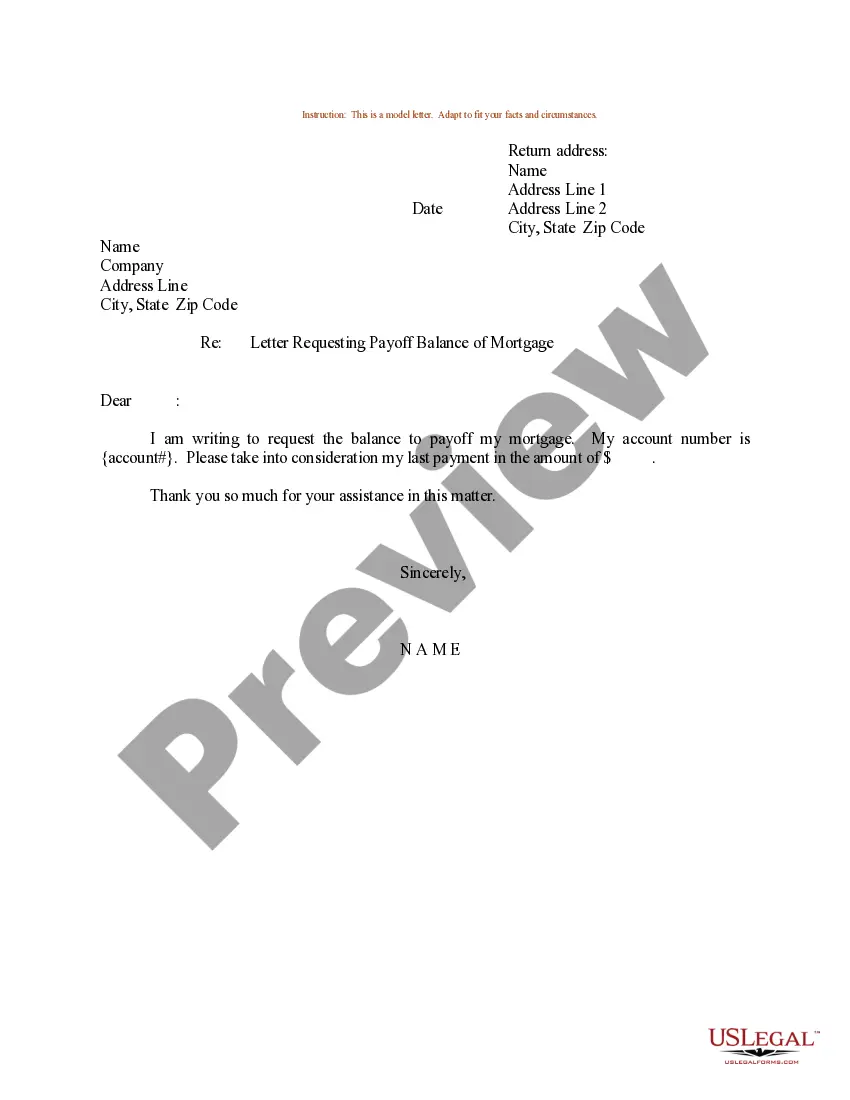
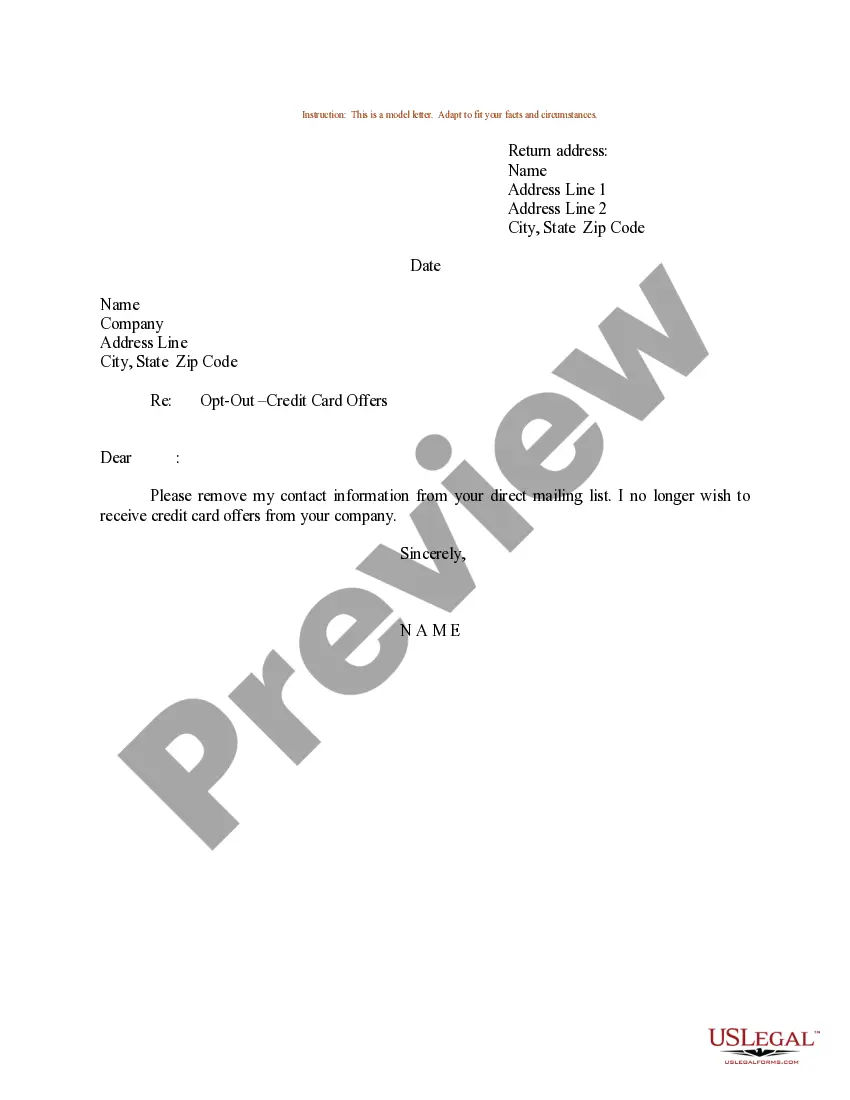
How can I request a payoff statement? Contact your servicing bank (where you make your monthly mortgage payments) and request a payoff statement.
The statement is provided by the mortgage servicer and can be requested at any time. Accurate payoff information is crucial for managing financial decisions related to property ownership.
To get a payoff letter, ask your lender for an official payoff statement. Call or write to customer service or make the request online. While logged into your account, look for options to request or calculate a payoff amount, and provide details such as your desired payoff date.
