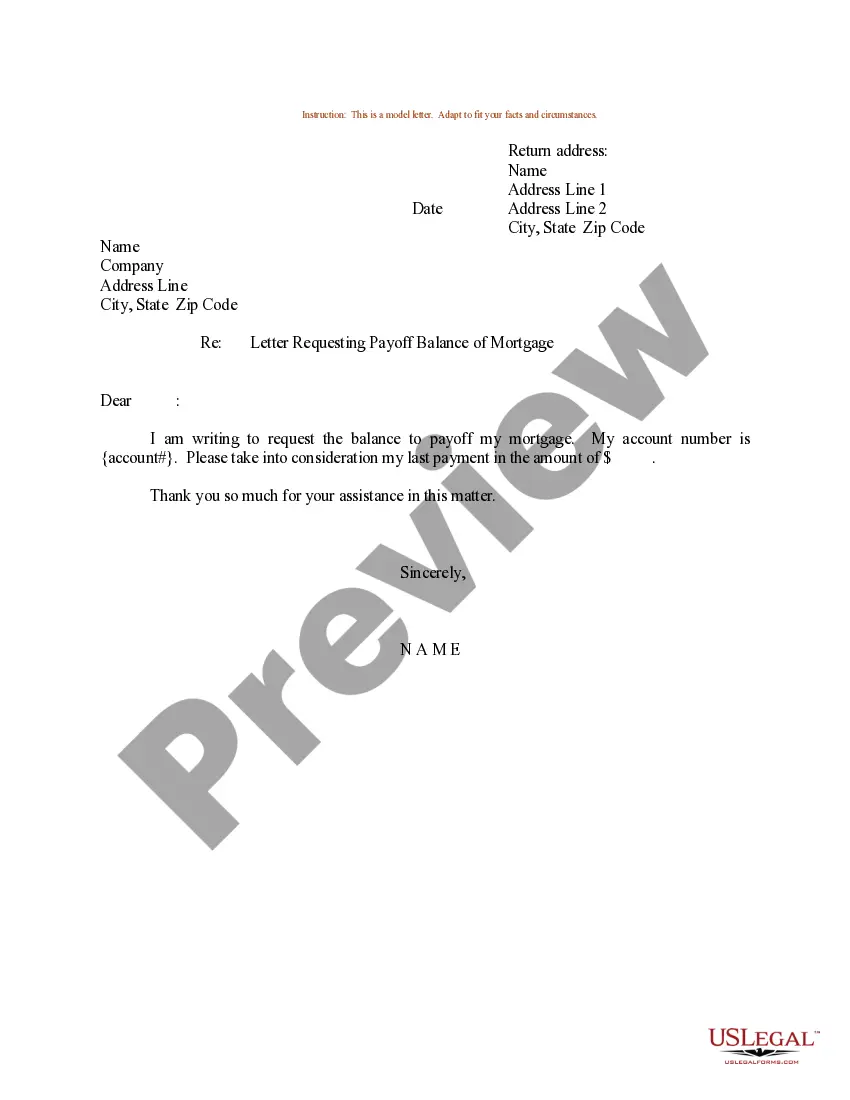
Lien Release Letter For Property In Allegheny
Description
Get your form ready online
Our built-in tools help you complete, sign, share, and store your documents in one place.
Make edits, fill in missing information, and update formatting in US Legal Forms—just like you would in MS Word.
Download a copy, print it, send it by email, or mail it via USPS—whatever works best for your next step.
Sign and collect signatures with our SignNow integration. Send to multiple recipients, set reminders, and more. Go Premium to unlock E-Sign.
If this form requires notarization, complete it online through a secure video call—no need to meet a notary in person or wait for an appointment.
We protect your documents and personal data by following strict security and privacy standards.

Make edits, fill in missing information, and update formatting in US Legal Forms—just like you would in MS Word.

Download a copy, print it, send it by email, or mail it via USPS—whatever works best for your next step.

Sign and collect signatures with our SignNow integration. Send to multiple recipients, set reminders, and more. Go Premium to unlock E-Sign.

If this form requires notarization, complete it online through a secure video call—no need to meet a notary in person or wait for an appointment.

We protect your documents and personal data by following strict security and privacy standards.
Looking for another form?
Form popularity
FAQ
Pennsylvania Tax Lien Search A tax lien search in Pennsylvania can be conducted through the Prothonotary Office in the county where the property is located or where the taxpayer resides or does business.
Yes, it happens. Sometimes a court decision or settlement results in a lien being placed on a property without the owner's immediate knowledge. This typically occurs when a court-ordered lien or certificate of judgment is issued against you and recorded at the county recordings office.
How can I check for liens against my property? Except mortgages, most liens are filed in the Prothonotary's Office, not in the Recorder of Deeds Office. You can check with them for liens filed against you there.
Pennsylvania judgments are valid for 5 years. Judgments can be revived every 5 years and should be revived if a creditor is attempting to actively collect on the debt. Judgments also act as a lien against real property for up to 20 years or longer if properly revived.
Contact (412) 350-4224. DeptRealEstate@alleghenycounty. .
Common notification methods include sending multiple unpaid bills in the mail but these bills can be lost or not reach the appropriate person before a lien is placed. They can also arrive when the previous homeowner was at the property but cease by the time a new homeowner moves in.
If the lien is released by the lienholder on Form MV-38O(opens in a new tab), or with a notarized lien release statement on lienholder's letterhead, PennDOT's counter service area will accept a properly completed application and issue a duplicate title to the vehicle owner (with proper owner ID) with no lien.
All deeds made in the state to be acknowledged and recorded within ninety days.
Obtaining a Lien Release 1 Confirm the FDIC has the authority to assist with a lien release. 2 Compile Required Documents and Prepare Request for a Lien Release. 3 Register/Mail request to FDIC DRR Customer Service and Records Research.
