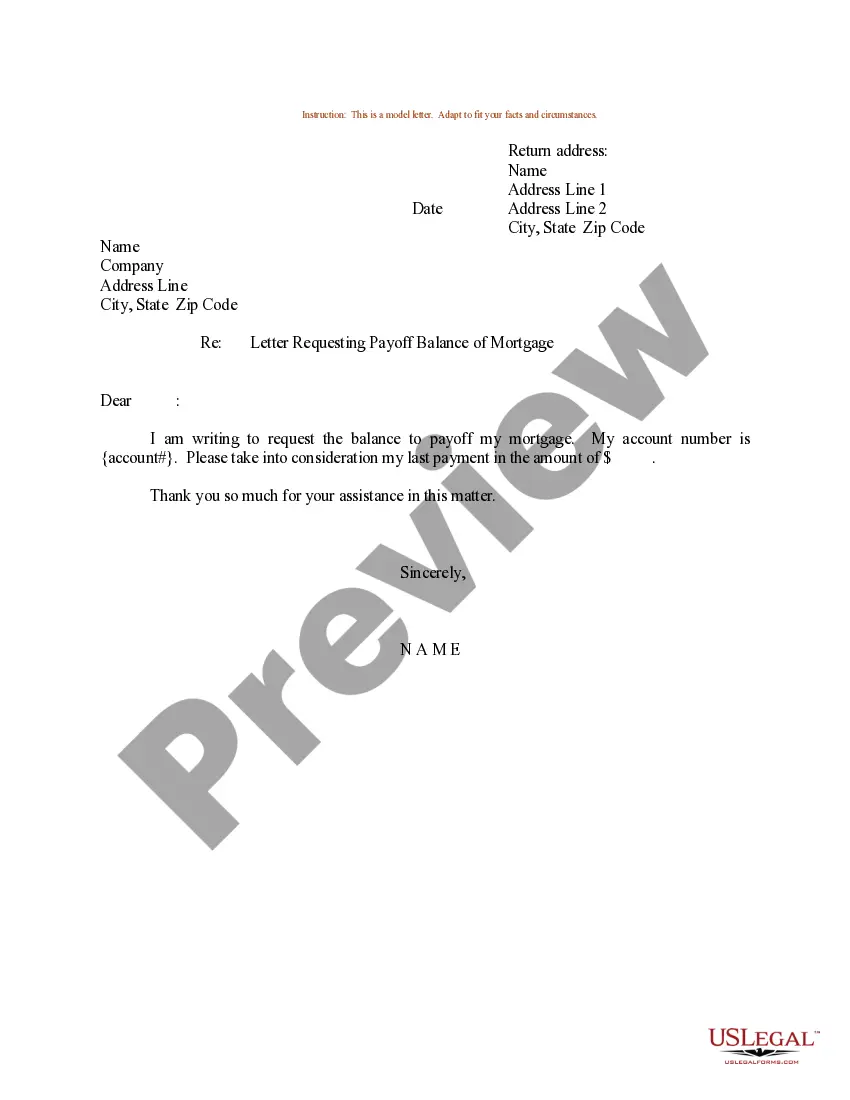
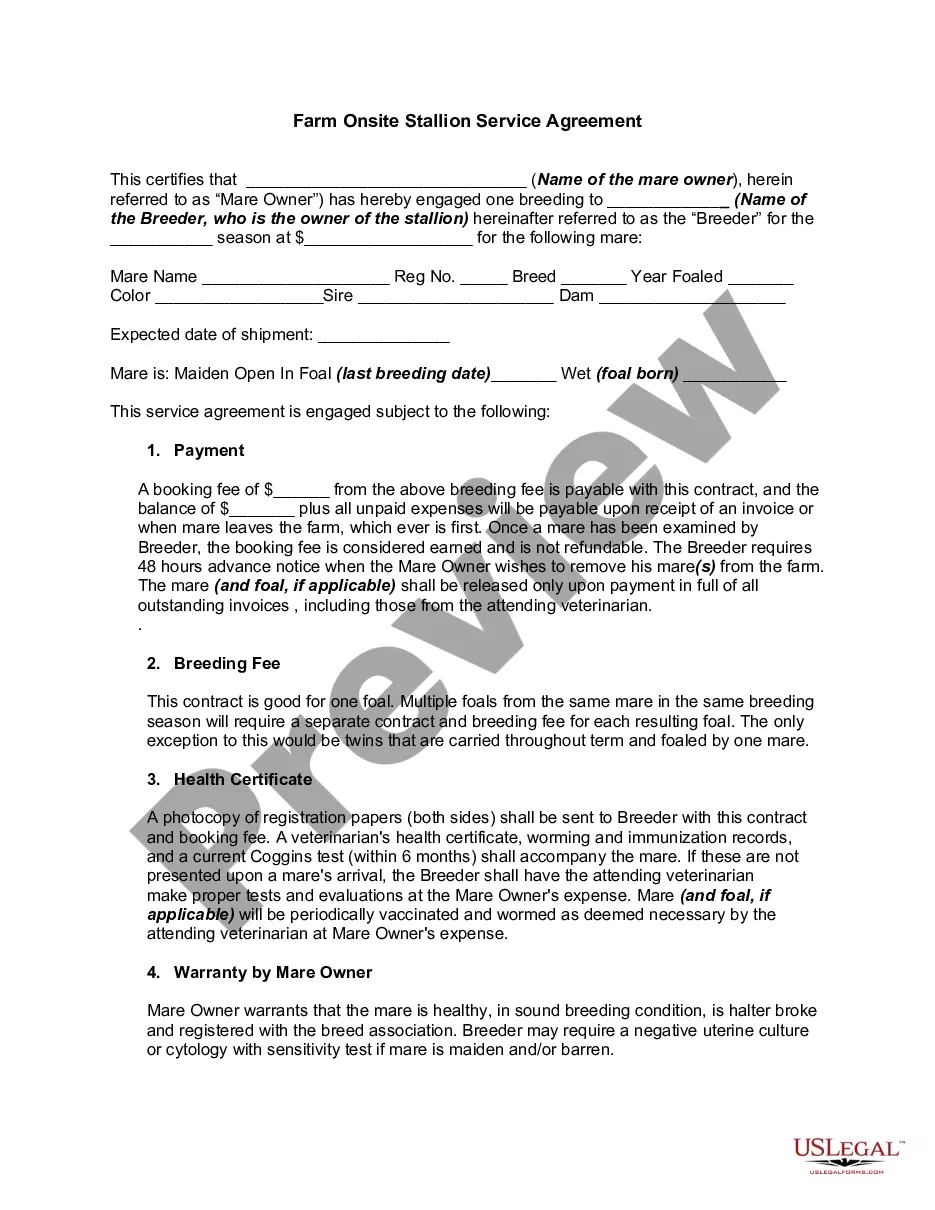
Payoff Statement Template With Credit Card In Alameda
Description
Get your form ready online
Our built-in tools help you complete, sign, share, and store your documents in one place.
Make edits, fill in missing information, and update formatting in US Legal Forms—just like you would in MS Word.
Download a copy, print it, send it by email, or mail it via USPS—whatever works best for your next step.
Sign and collect signatures with our SignNow integration. Send to multiple recipients, set reminders, and more. Go Premium to unlock E-Sign.
If this form requires notarization, complete it online through a secure video call—no need to meet a notary in person or wait for an appointment.
We protect your documents and personal data by following strict security and privacy standards.

Make edits, fill in missing information, and update formatting in US Legal Forms—just like you would in MS Word.

Download a copy, print it, send it by email, or mail it via USPS—whatever works best for your next step.

Sign and collect signatures with our SignNow integration. Send to multiple recipients, set reminders, and more. Go Premium to unlock E-Sign.

If this form requires notarization, complete it online through a secure video call—no need to meet a notary in person or wait for an appointment.

We protect your documents and personal data by following strict security and privacy standards.
Looking for another form?








Form popularity
FAQ
For County assistance, please call 510.208. 9770 for a menu of County Agencies and Departments.
Annual Secured Property Tax Bills are prepared and mailed by the Treasurer and Tax Collector in October of each year. The first installment of your tax bill is due on November 1 and becomes delinquent by the close of business on December 10.
Real property owners who do not receive their tax bill by November 8 should contact the Tax Collector's Office. Call 510-272-6800, write to the office, or download an internet copy of the bill from the Alameda County Property Tax website.
George E. McDonald Courthouse, Alameda: (510) 891-6005.
In California, all properties are subject to a basic tax rate of 1% based on their assessed value. This value is set by the county assessor when the property is bought or newly built. For example, if your assessment is $500,000, the basic property tax you owe would be $5,000 annually.
To get a payoff letter, ask your lender for an official payoff statement. Call or write to customer service or make the request online. While logged into your account, look for options to request or calculate a payoff amount, and provide details such as your desired payoff date.
First, you'll need to contact your lender and let them know you want the information. Depending on your lender, you may have to sign in to an online account, call a helpline, or send a formal letter to start the request process.
(c) A beneficiary, or his or her authorized agent, shall, on the written demand of an entitled person, or his or her authorized agent, prepare and deliver a payoff demand statement to the person demanding it within 21 days of the receipt of the demand.
Under federal law, the servicer must generally send you a payoff statement within seven business days of your request, subject to a few exceptions. (12 C.F.R. § 1026.36.)
You can request a payoff statement from your credit card issuer by calling the customer service number on the back of your card. Some issuers may also allow you to request a payoff statement online.

