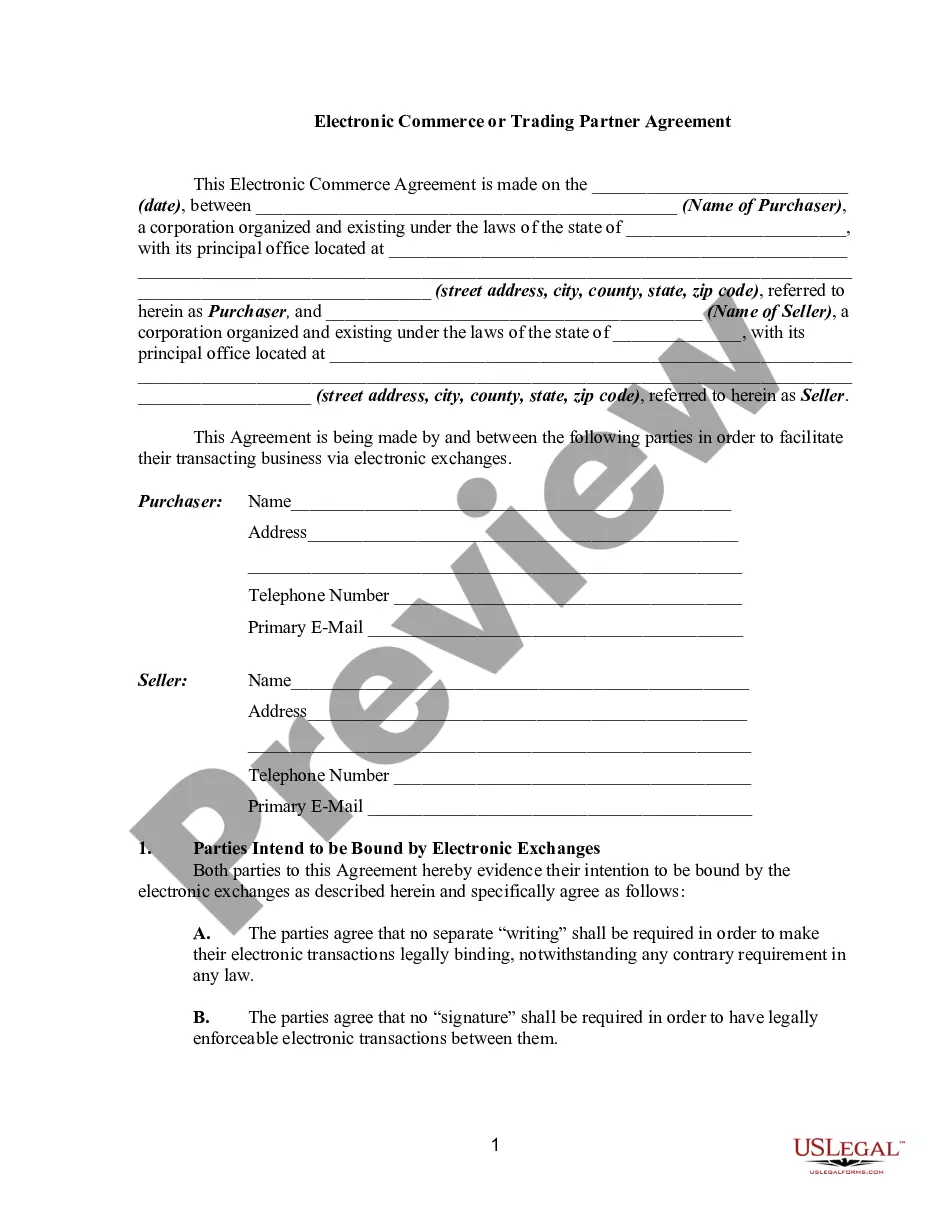
E Commerce Agreement For Beginners In Washington
Description

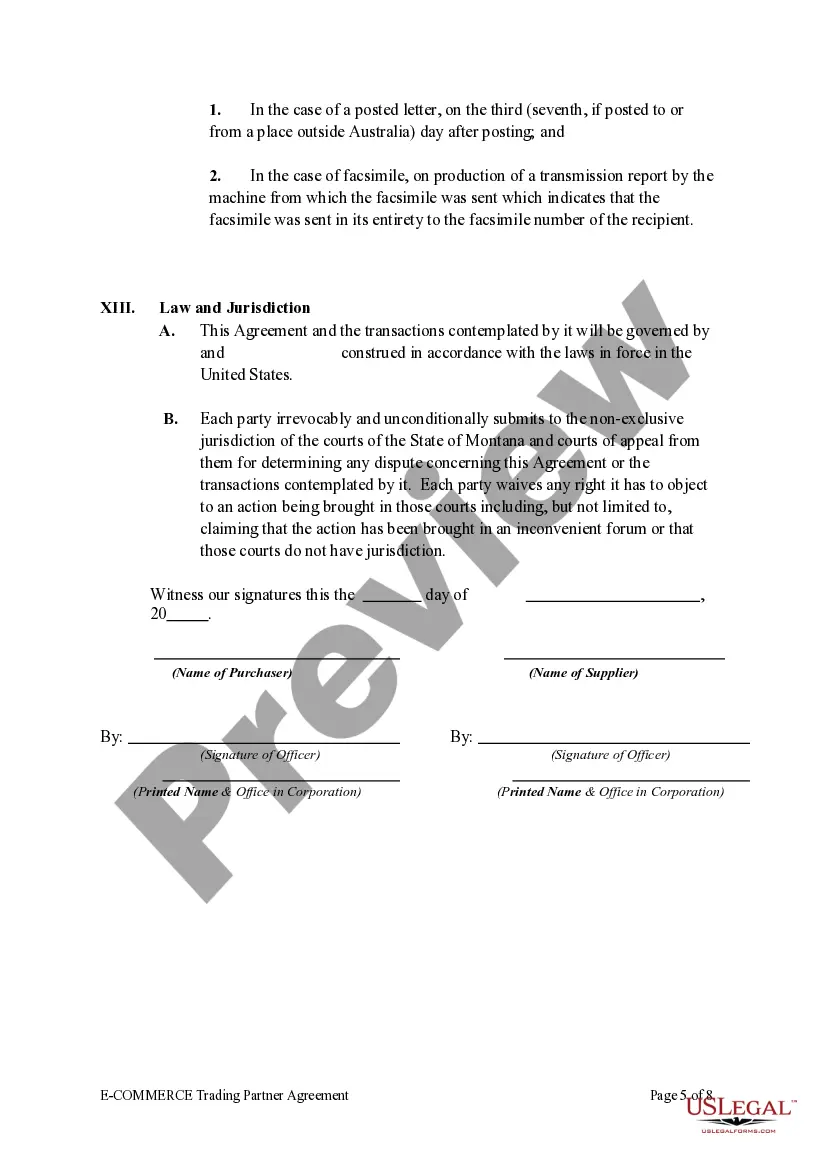
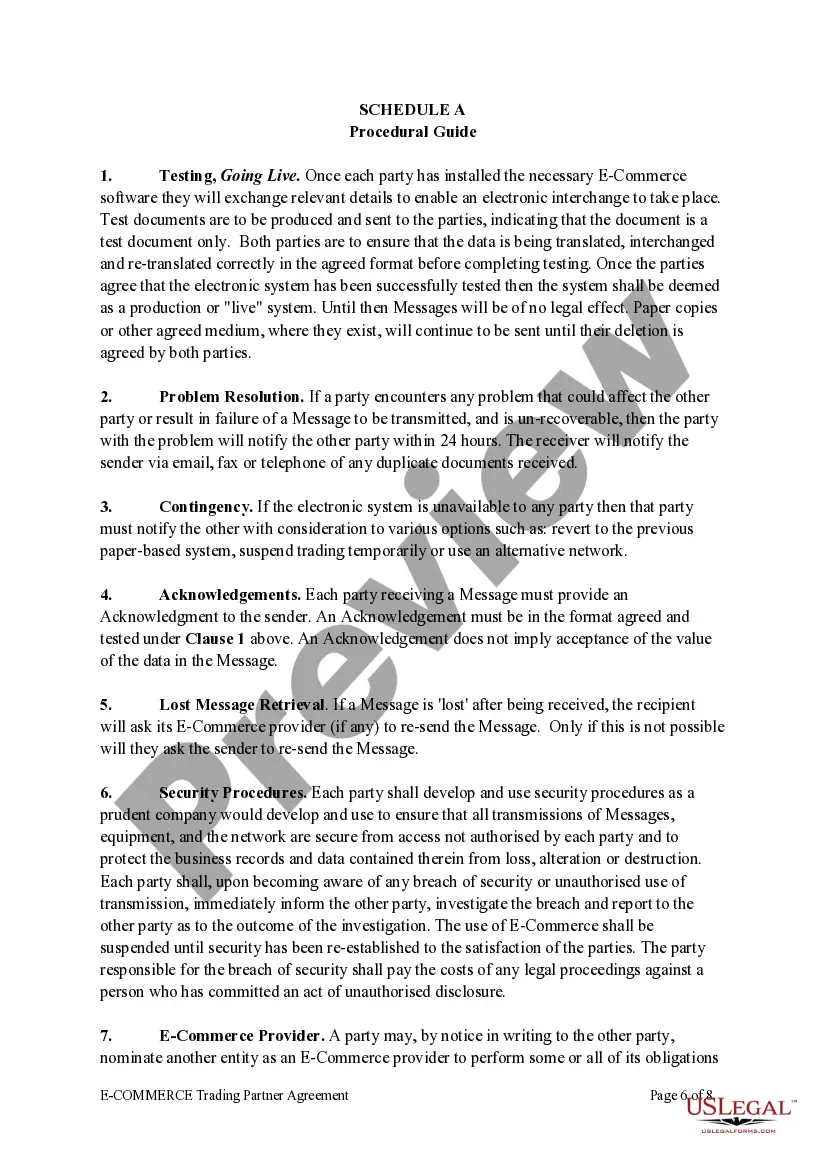
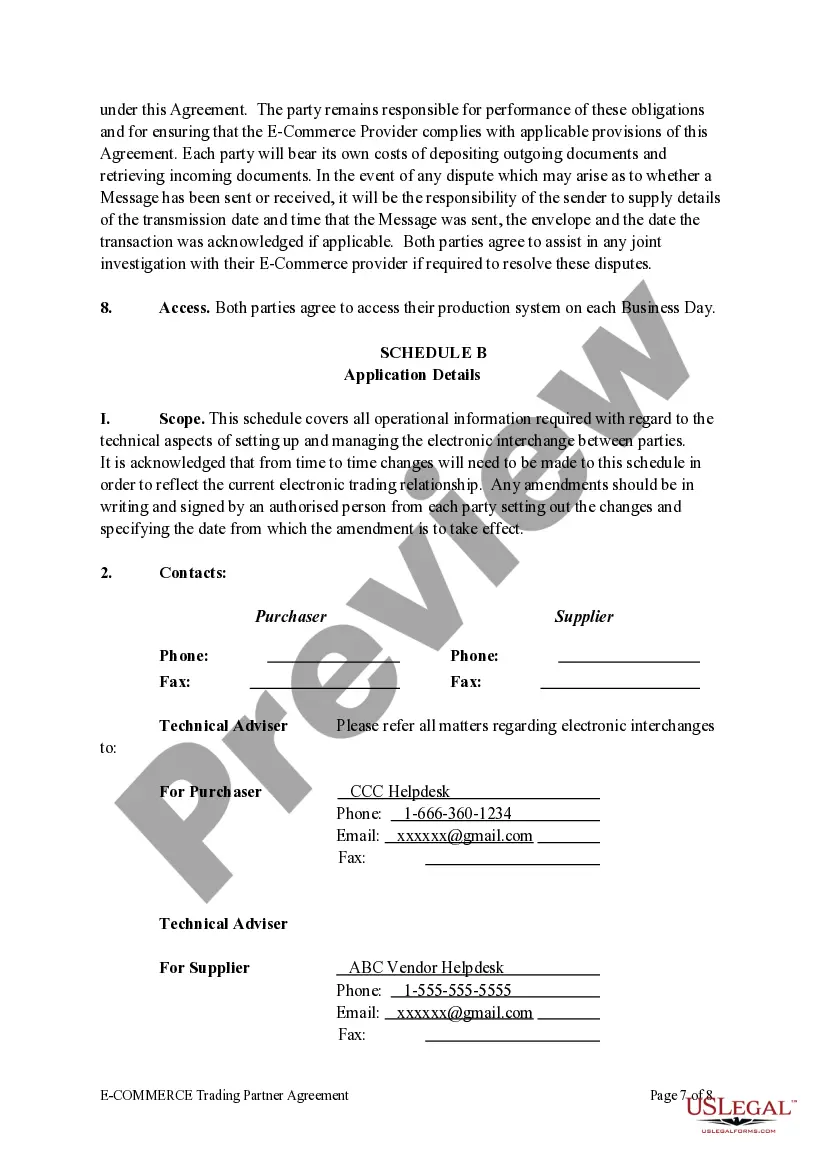

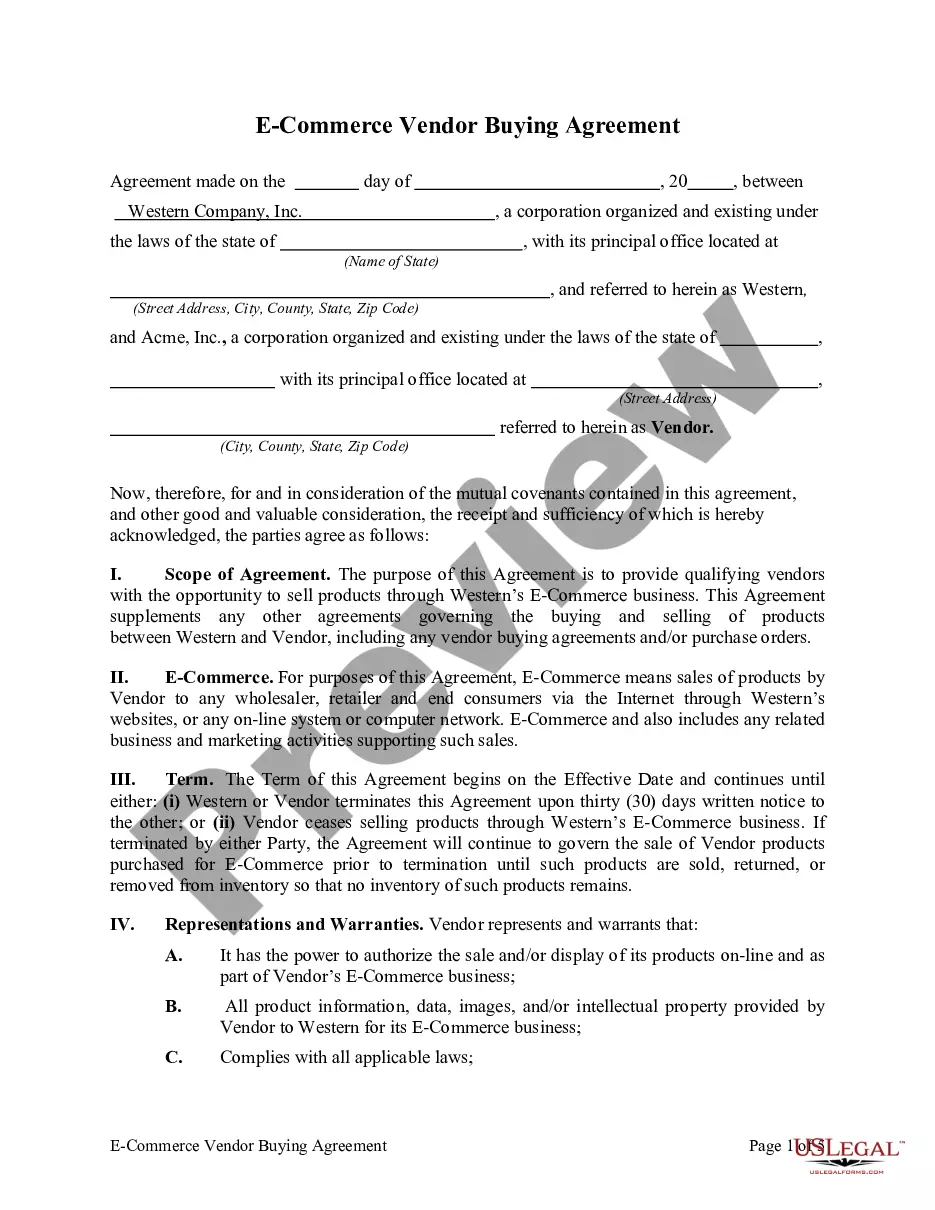
Get your form ready online
Our built-in tools help you complete, sign, share, and store your documents in one place.
Make edits, fill in missing information, and update formatting in US Legal Forms—just like you would in MS Word.
Download a copy, print it, send it by email, or mail it via USPS—whatever works best for your next step.
Sign and collect signatures with our SignNow integration. Send to multiple recipients, set reminders, and more. Go Premium to unlock E-Sign.
If this form requires notarization, complete it online through a secure video call—no need to meet a notary in person or wait for an appointment.
We protect your documents and personal data by following strict security and privacy standards.

Make edits, fill in missing information, and update formatting in US Legal Forms—just like you would in MS Word.

Download a copy, print it, send it by email, or mail it via USPS—whatever works best for your next step.

Sign and collect signatures with our SignNow integration. Send to multiple recipients, set reminders, and more. Go Premium to unlock E-Sign.

If this form requires notarization, complete it online through a secure video call—no need to meet a notary in person or wait for an appointment.

We protect your documents and personal data by following strict security and privacy standards.
Looking for another form?





Form popularity
FAQ
Business-to-Business (B2B) Business-to-Consumer (B2C) Consumer-to-Consumer (C2C) Consumer-to-Business (C2B).
10 Easy Steps on How to Start a Consulting Business in Washington State Determine Your Specialization. Specify Your Audience. Craft a Business Strategy. Decide Your Business Structure. Choose a Name For Your Business. Register Your Business Entity. Open a Business Bank Account. Get Your Business License and Permits.
Business-to-Business (B2B) Business-to-Consumer (B2C) Consumer-to-Consumer (C2C) Consumer-to-Business (C2B)
There are three distinct types of e-commerce: Business-to-business (B2B) is the direct sale of goods and services between businesses. Retail is the sale of goods and services directly to consumers. Consumer to consumer is the sale of goods and services between individuals, as on eBay or Facebook Marketplace.
How to start an ecommerce business from scratch in 5 steps Researching and validating your business idea so you know what's likely to sell. Procuring products or sourcing them from reliable suppliers. Choosing selling channels to connect with customers. Listing products and optimizing content to drive sales.
3 Important Elements of E-Commerce Customer Experience. Brands can't underestimate the importance of user experience when designing or revamping a user-friendly e-commerce website design. Back-end Integration. Digital Marketing.
Online stores like Amazon, Flipkart, Shopify, Myntra, Ebay, Quikr, Olx are examples of E-commerce websites. By 2020, global retail e-commerce can reach up to $27 Trillion.
Steps to Incorporating in Washington NAME YOUR CORPORATION. SUBMIT ARTICLES OF INCORPORATION. WRITE CORPORATE BYLAWS. OBTAIN AN EMPLOYER IDENTIFICATION NUMBER (EIN) ... FILE YOUR BENEFICIAL OWNERSHIP INFORMATION (BOI) REPORT. APPLY FOR A WASHINGTON BUSINESS LICENSE. SUBMIT AN INITIAL REPORT.
How to get a Washington State LLC in 9 steps Name your Washington LLC. Choose your registered agent. Prepare and file a certificate of formation. Obtain a Washington business license. File an initial report. Receive a certificate from the state. Create an operating agreement.
Because of the one-class-of-stock restriction, an S corporation cannot allocate losses or income to specific shareholders. Allocation of income and loss is governed by stock ownership, unlike partnerships or LLCs taxed as partnerships where the allocation can be set in the partnership agreement or operating agreement.