E Commerce Agreement For Farmers In Utah
Description

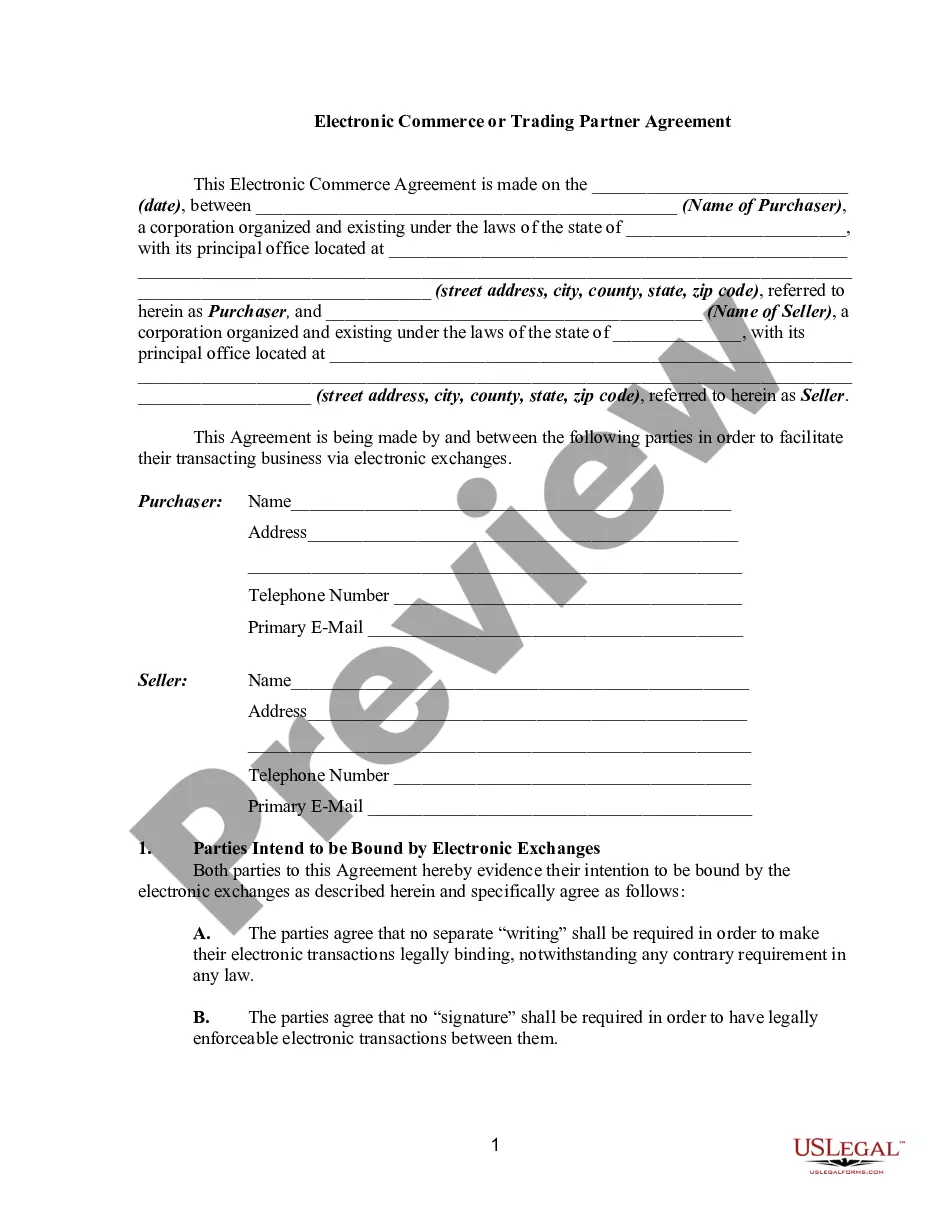
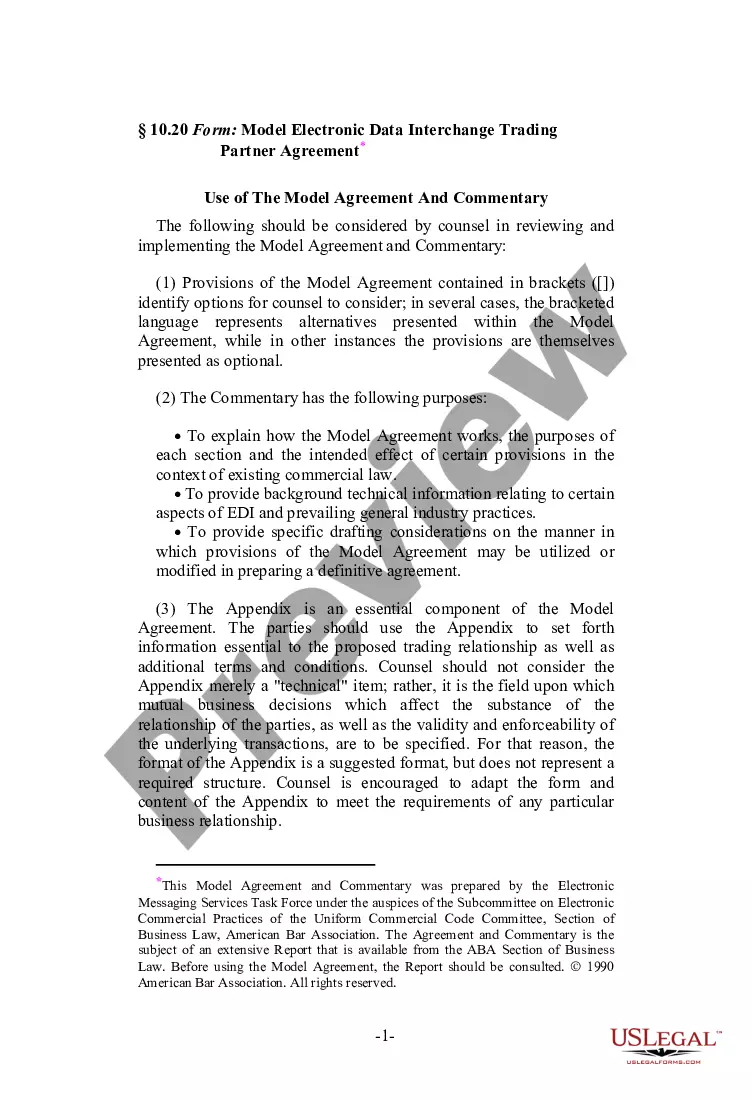
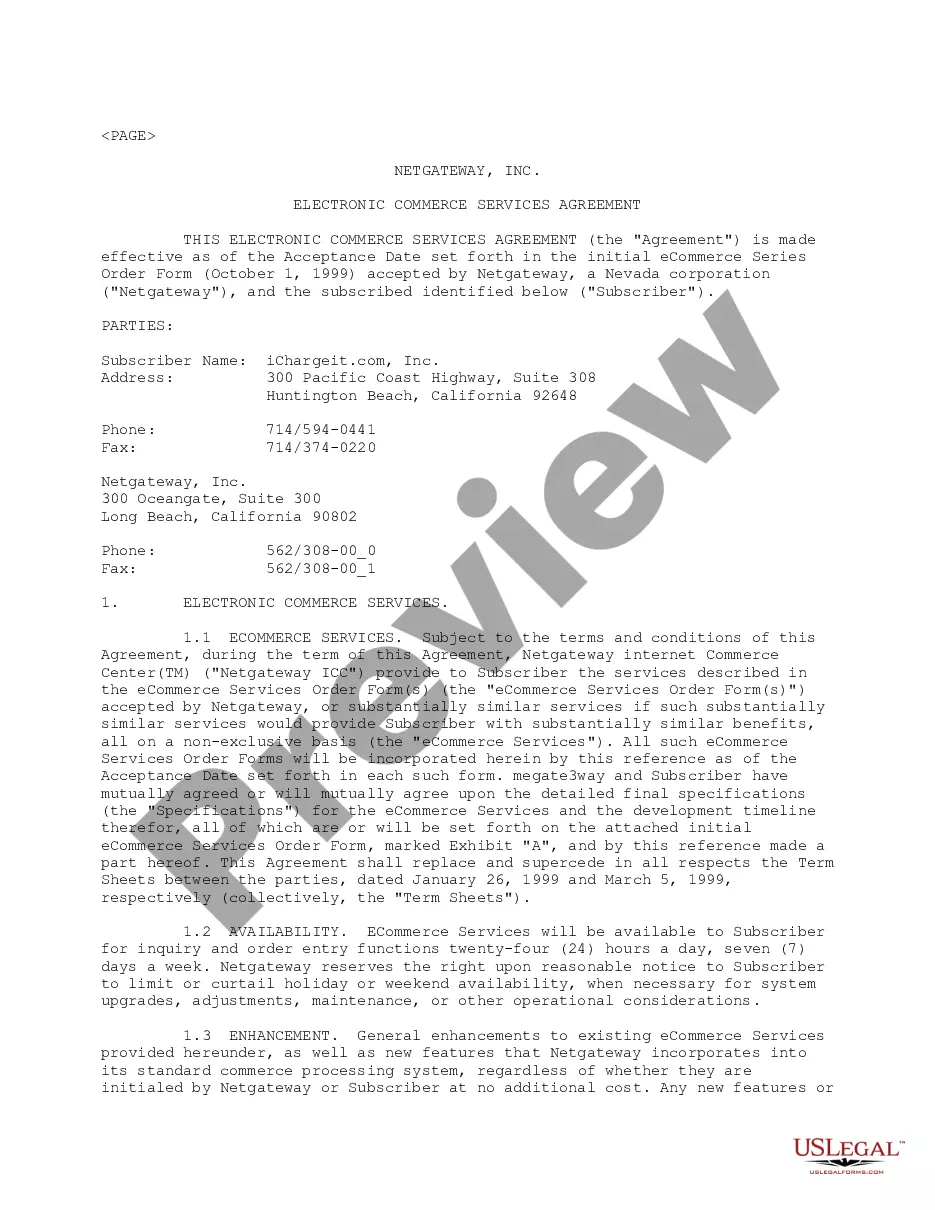
Get your form ready online
Our built-in tools help you complete, sign, share, and store your documents in one place.
Make edits, fill in missing information, and update formatting in US Legal Forms—just like you would in MS Word.
Download a copy, print it, send it by email, or mail it via USPS—whatever works best for your next step.
Sign and collect signatures with our SignNow integration. Send to multiple recipients, set reminders, and more. Go Premium to unlock E-Sign.
If this form requires notarization, complete it online through a secure video call—no need to meet a notary in person or wait for an appointment.
We protect your documents and personal data by following strict security and privacy standards.

Make edits, fill in missing information, and update formatting in US Legal Forms—just like you would in MS Word.

Download a copy, print it, send it by email, or mail it via USPS—whatever works best for your next step.

Sign and collect signatures with our SignNow integration. Send to multiple recipients, set reminders, and more. Go Premium to unlock E-Sign.

If this form requires notarization, complete it online through a secure video call—no need to meet a notary in person or wait for an appointment.

We protect your documents and personal data by following strict security and privacy standards.
Looking for another form?







Form popularity
FAQ
(4) "Department" means the Department of Agriculture and Food created in Chapter 2, Administration.
It establishes a legal foundation for the use of electronic communications in transactions where the parties have agreed to deal electronically. UETA validates and supports the use of electronic communications and records and places electronic commerce and paper-based commerce on the same legal footing.
UETA applies to electronic records and signatures relating to a transaction. UETA has since been adopted by 49 states, the District of Columbia, Puerto Rico, and the U.S. Virgin Islands. However, one state—New York—has not adopted UETA, but instead has implemented its own statute pertaining to electronic signatures.
The UETA explains the types of circumstances that need to exist to legally permit electronic signatures within the context of “transactions” (i.e., actions between two or more people relating to business, commercial, or governmental affairs), and to permit electronic transactions.
From a legal perspective, a contract is made when one party makes a valid offer and another party accepts that offer, and that can often be done verbally. However, Utah law requires that some types of agreements must be in writing.
The Electronic Transactions Act 1999 (or the ETA) is a law that confirms that many paper document processes (like signing or sending documents) are just as legally valid when completed or communicated electronically. The ETA only applies to Commonwealth laws and can be exempted.
First of all, both parties must have the intent to sign and be bound to terms, and they must also consent to do legal business electronically. The signed document must be available to all parties involved. From your perspective, you must be able to associate the signature with a signatory record of contract.
A vendor wants to sell food at my market. What do I need to do? First, have the vendor submit to you a copy of the local health department permit or the Department of Agriculture and Food Certificate of Registration.
The selling of food to the public always requires an approval, with a couple of exceptions. Yes, you need a registration from the Department of Agriculture and Food. I only sell vegetables. Do I need to be registered with UDAF?
Most independent farmers markets will fit into one of the following business structures: sole proprietorship, partnership, LLC, for-profit corporation, nonprofit, or cooperative. Some farmers markets are not independent legal entities—they may be programs operating under the umbrella of a larger organization.
