E Commerce Agreement Forbes In San Jose
Description

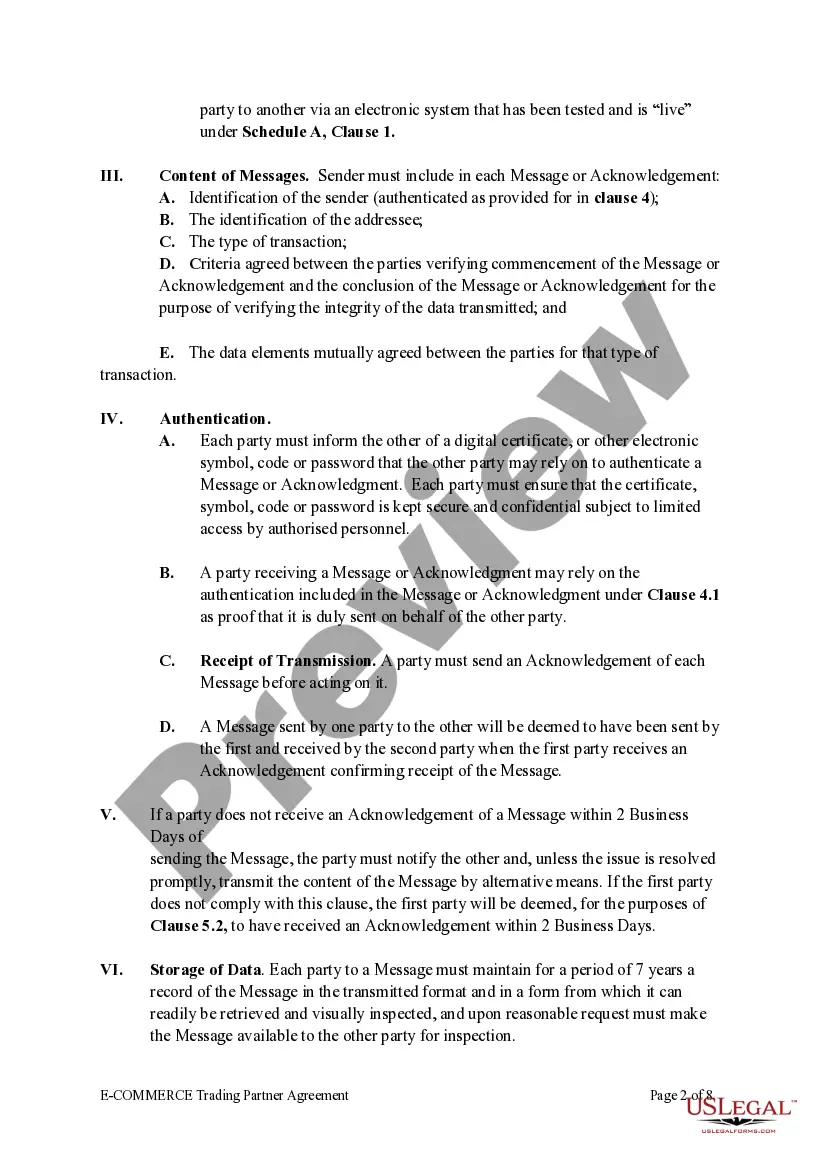
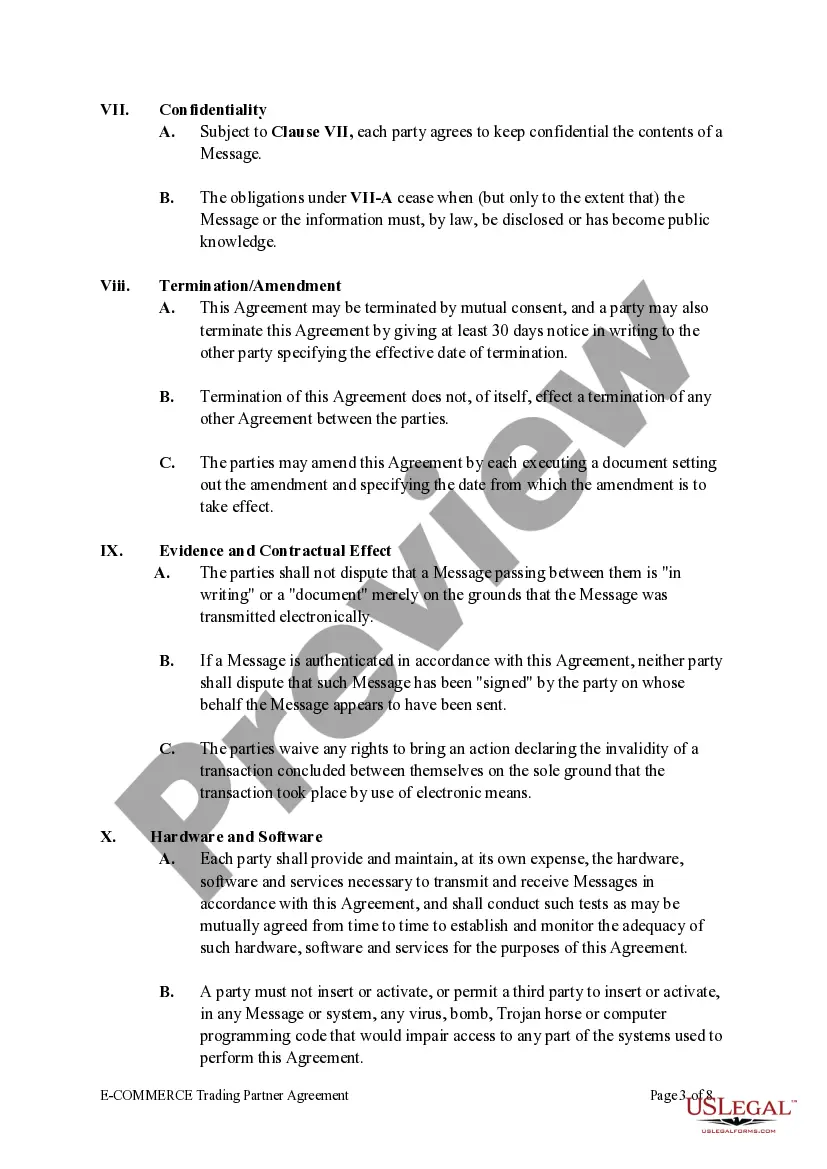
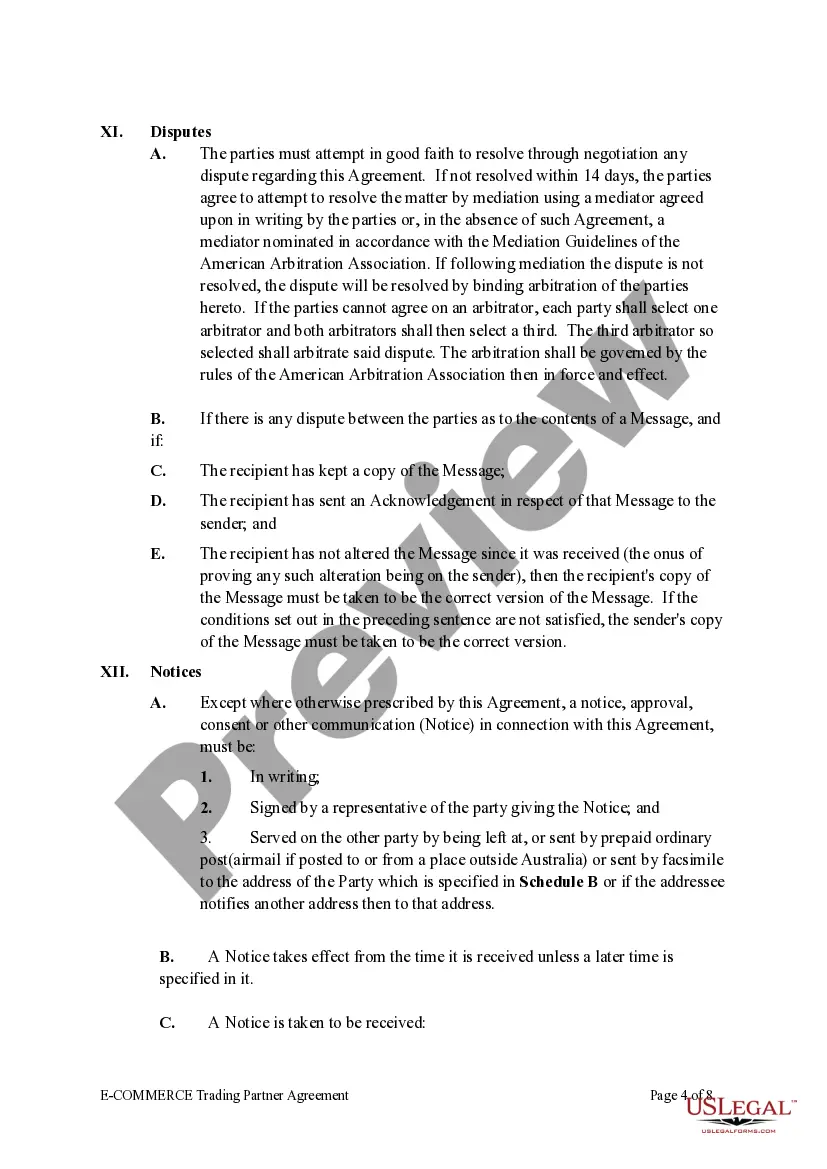
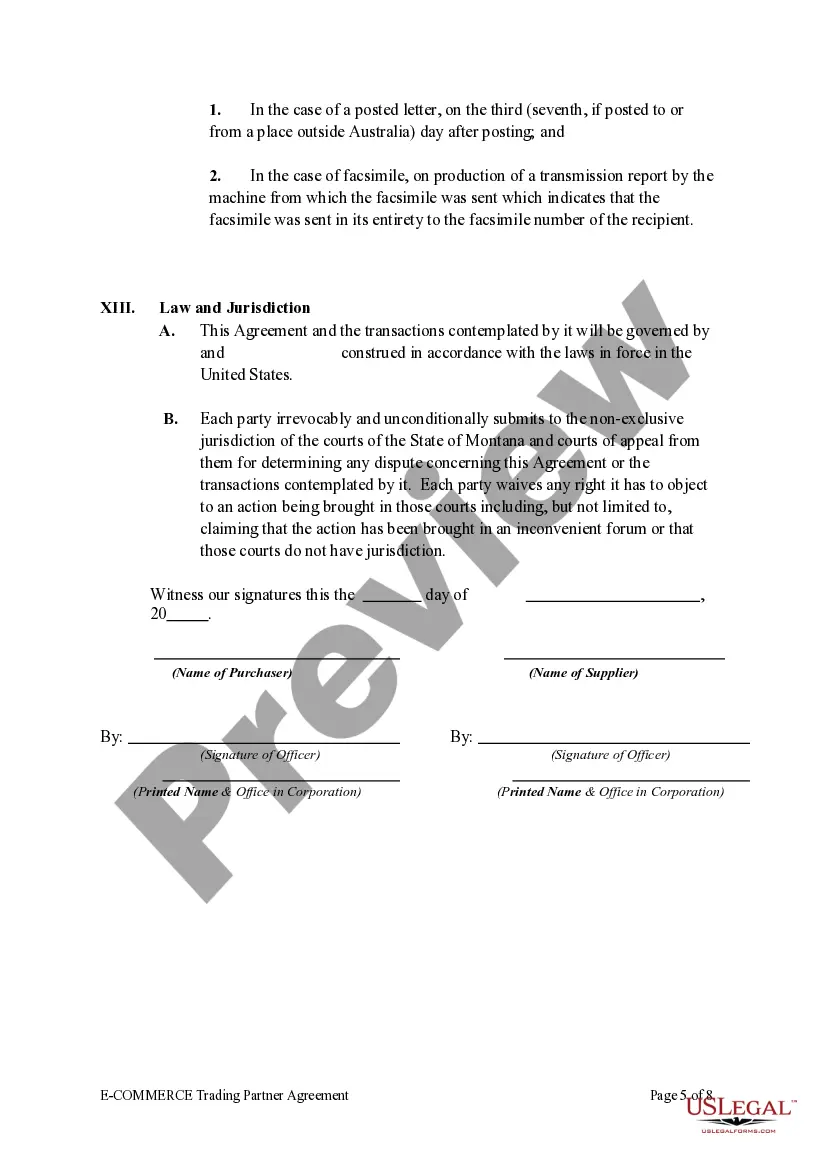

Get your form ready online
Our built-in tools help you complete, sign, share, and store your documents in one place.
Make edits, fill in missing information, and update formatting in US Legal Forms—just like you would in MS Word.
Download a copy, print it, send it by email, or mail it via USPS—whatever works best for your next step.
Sign and collect signatures with our SignNow integration. Send to multiple recipients, set reminders, and more. Go Premium to unlock E-Sign.
If this form requires notarization, complete it online through a secure video call—no need to meet a notary in person or wait for an appointment.
We protect your documents and personal data by following strict security and privacy standards.

Make edits, fill in missing information, and update formatting in US Legal Forms—just like you would in MS Word.

Download a copy, print it, send it by email, or mail it via USPS—whatever works best for your next step.

Sign and collect signatures with our SignNow integration. Send to multiple recipients, set reminders, and more. Go Premium to unlock E-Sign.

If this form requires notarization, complete it online through a secure video call—no need to meet a notary in person or wait for an appointment.

We protect your documents and personal data by following strict security and privacy standards.
Looking for another form?






Form popularity
FAQ
Follow these steps to write your business plan: Write your executive summary. Start by succinctly articulating the essence of your e-commerce business. Perform market analysis. Craft your product and service descriptions. Build marketing and sales strategies.
Business-to-Business (B2B) Business-to-Consumer (B2C) Consumer-to-Consumer (C2C) Consumer-to-Business (C2B)
A perfect eCommerce business description example can be as follows: “XYZ Store is an online one-stop solution for high-quality, sustainable, and ethically sourced home essentials. Catering to a diverse clientele who values quality and sustainability, our focus is promoting eco-friendly alternatives to household items.
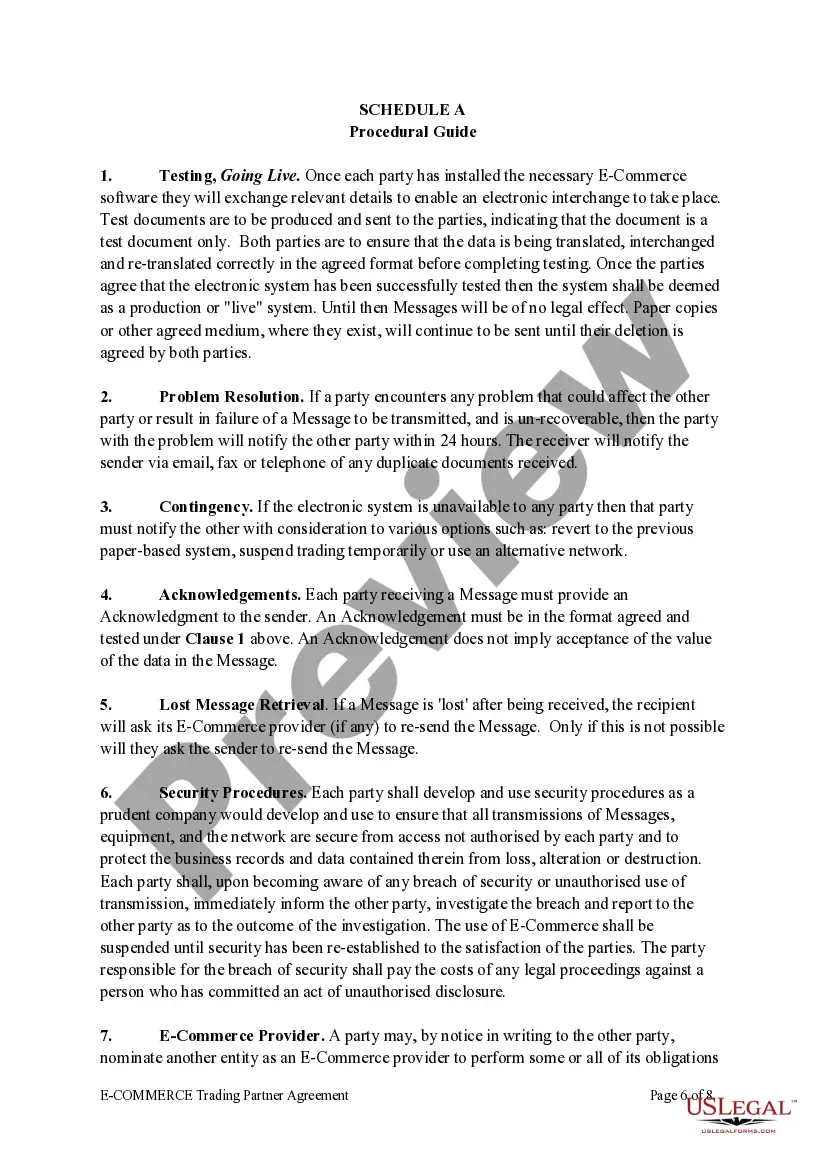
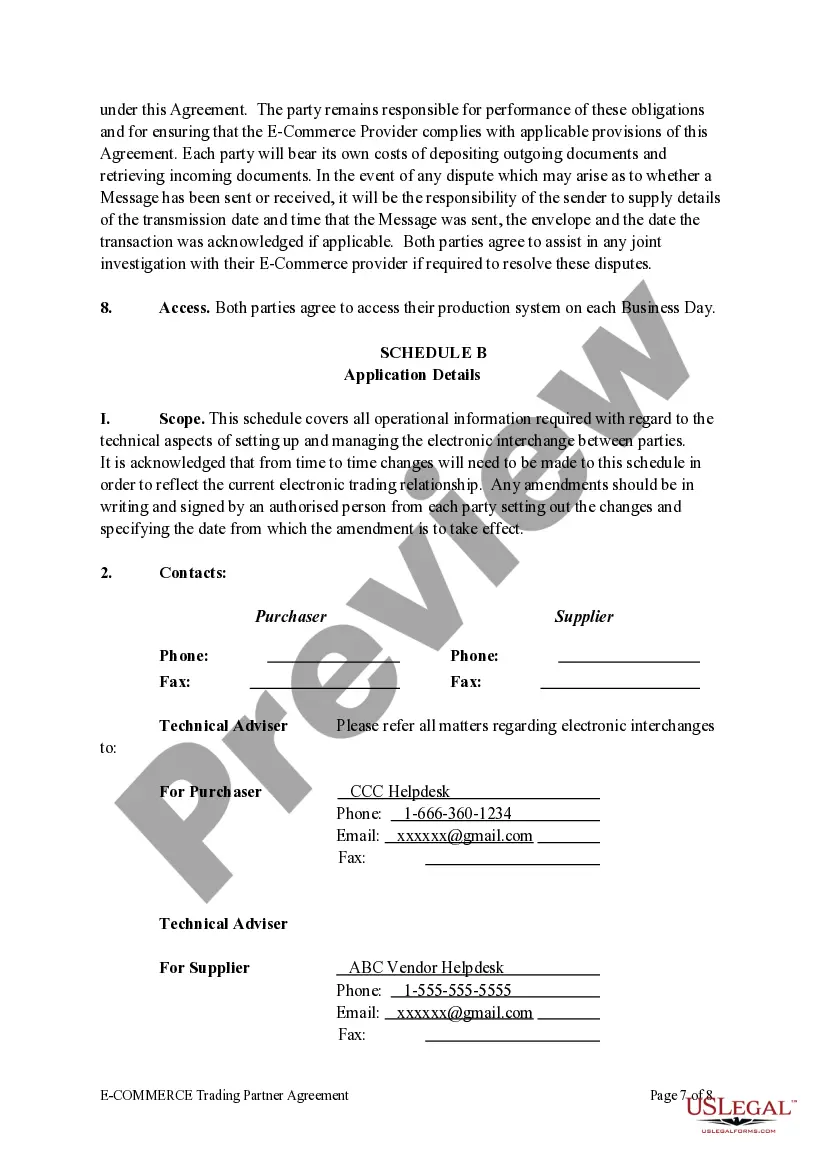
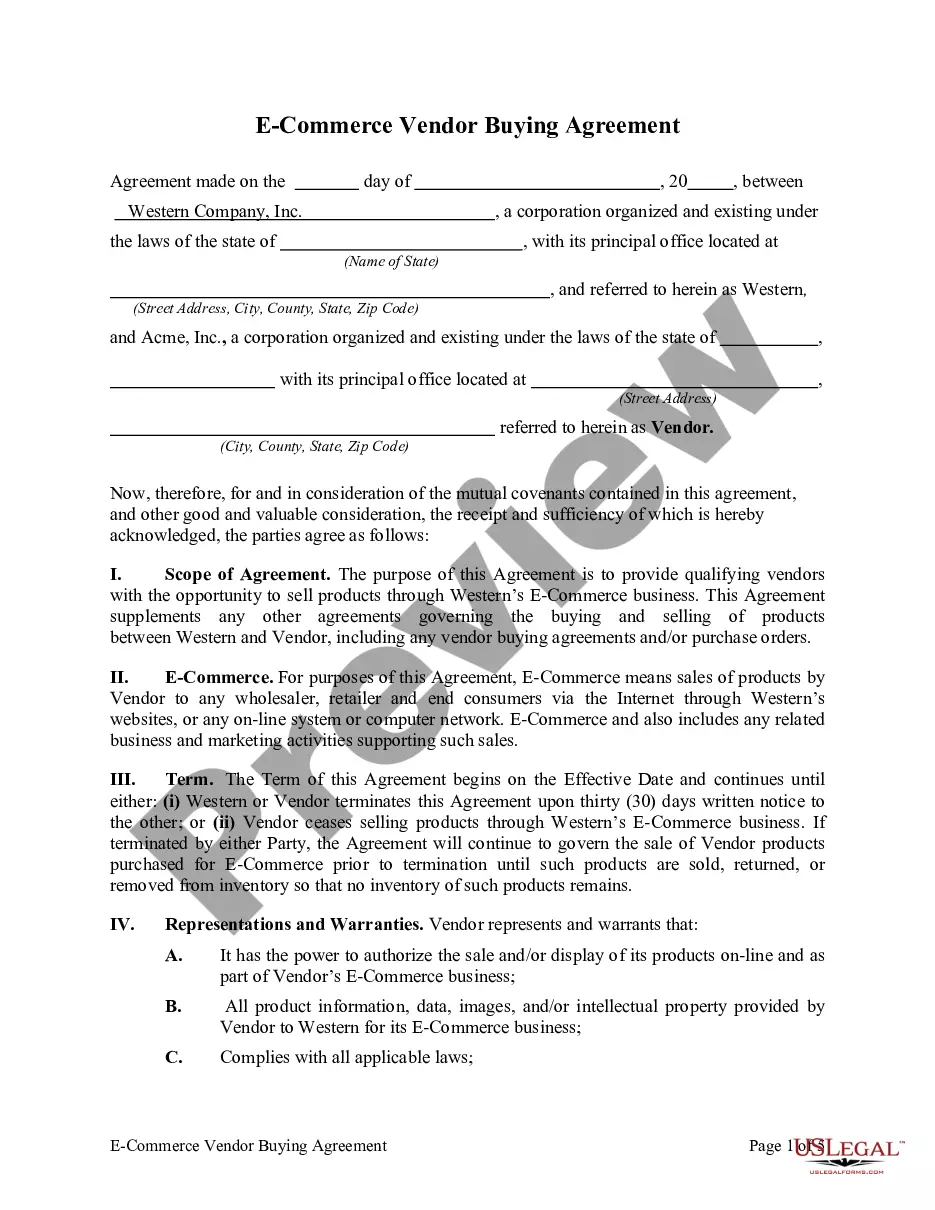
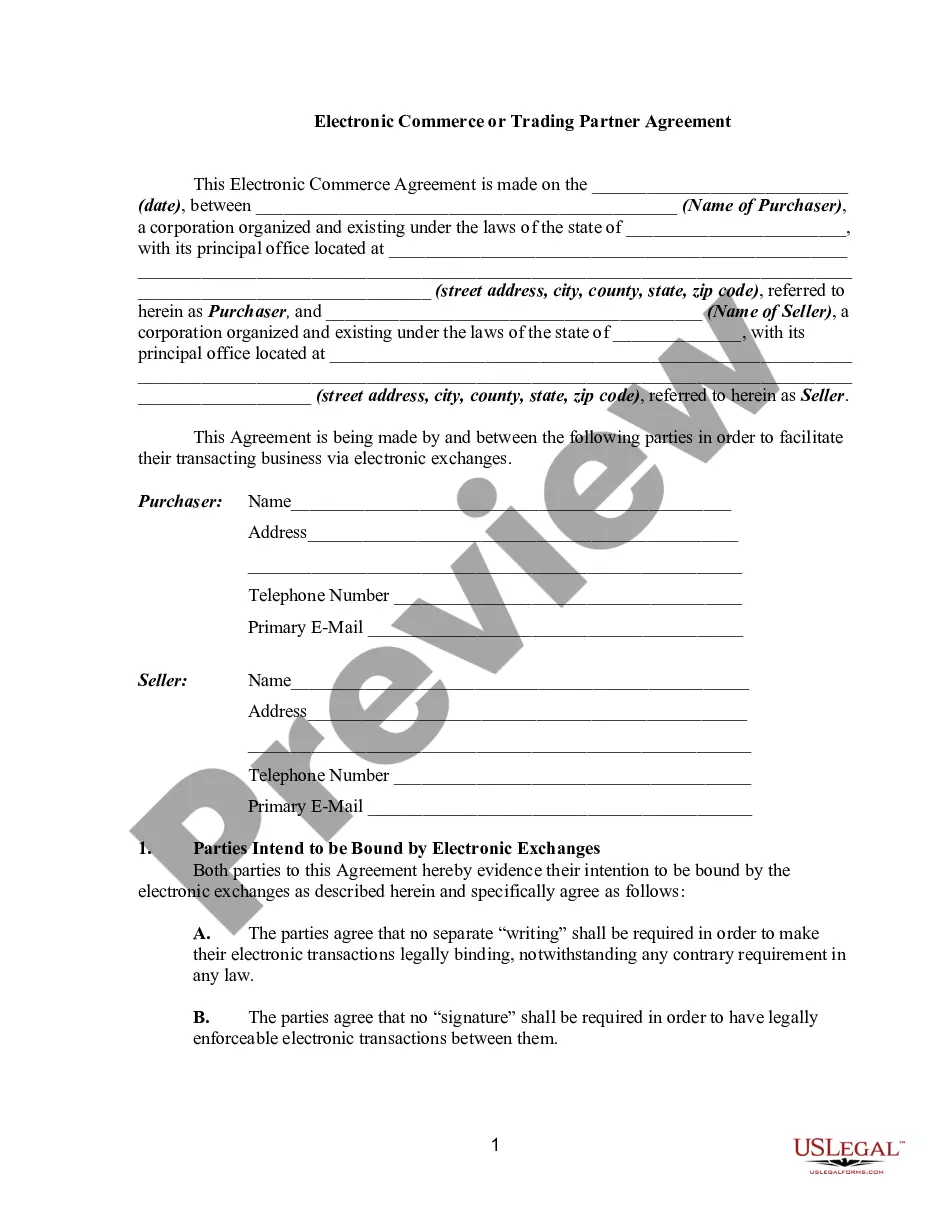
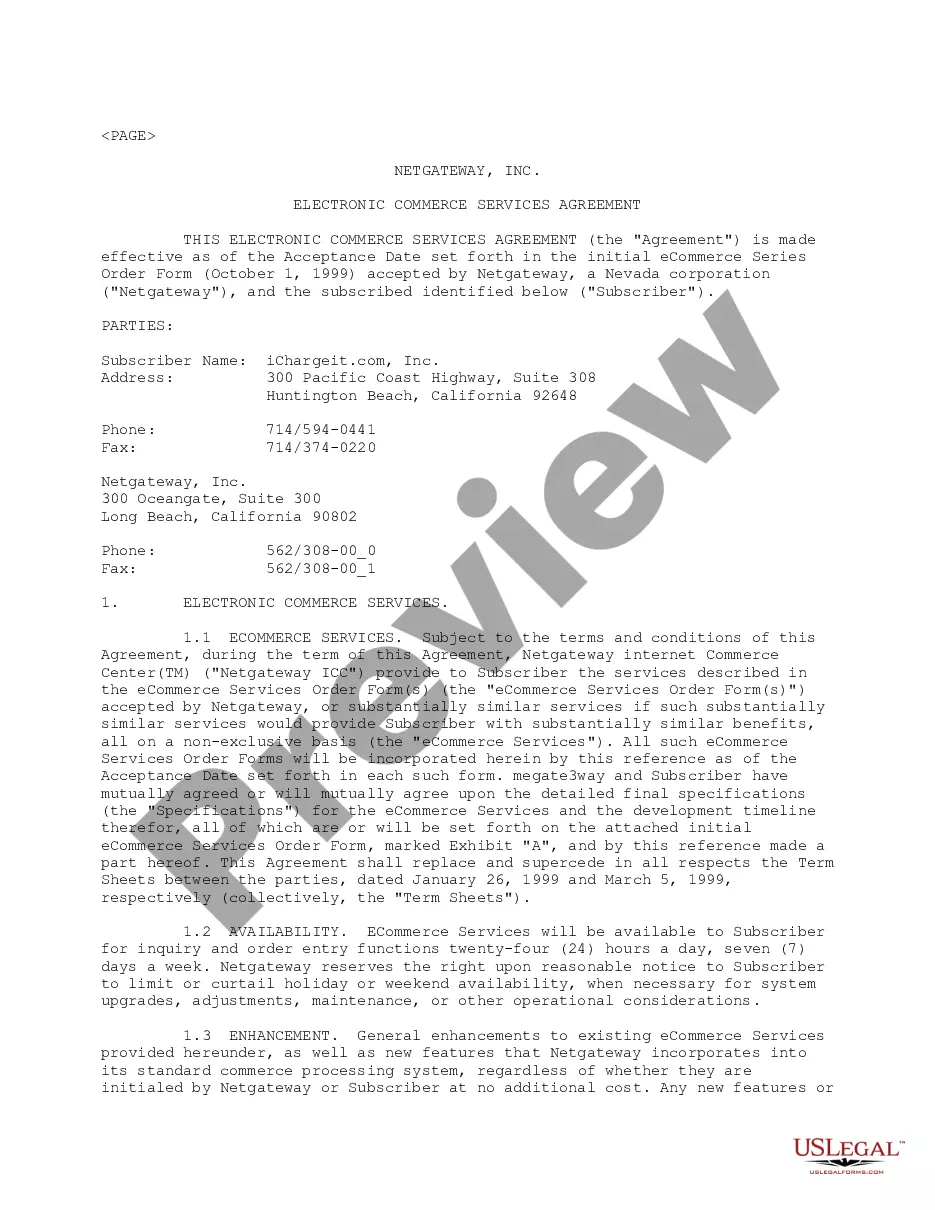
ECommerce agreements disclose the contractual relationship and obligations between a website owner and its commercial users.
Step 1: Research and validate your business idea. What problem or challenge are you seeking to solve? ... Step 2: Source products. Step 3: Choose an online selling channel. Step 4: List and optimize products. Step 5: Market and promote your ecommerce shop.
