Secure Debt Shall Forget The Day In Texas
Description


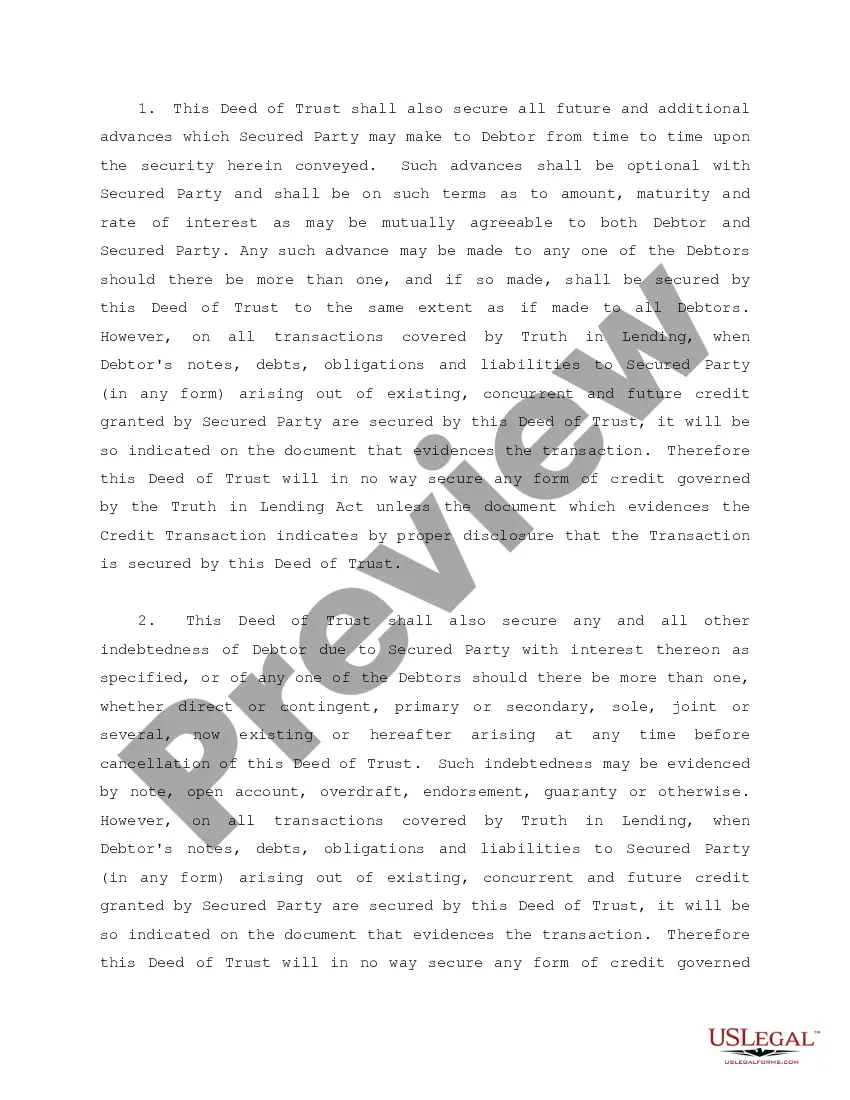
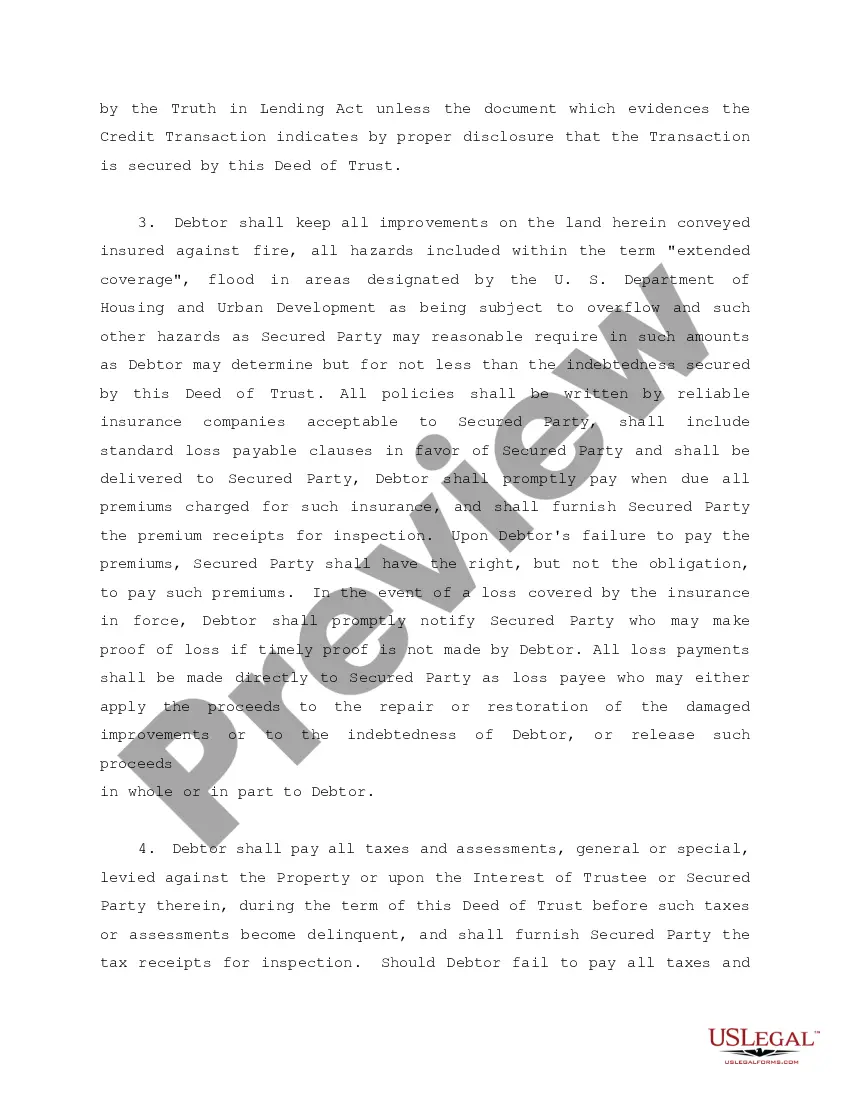
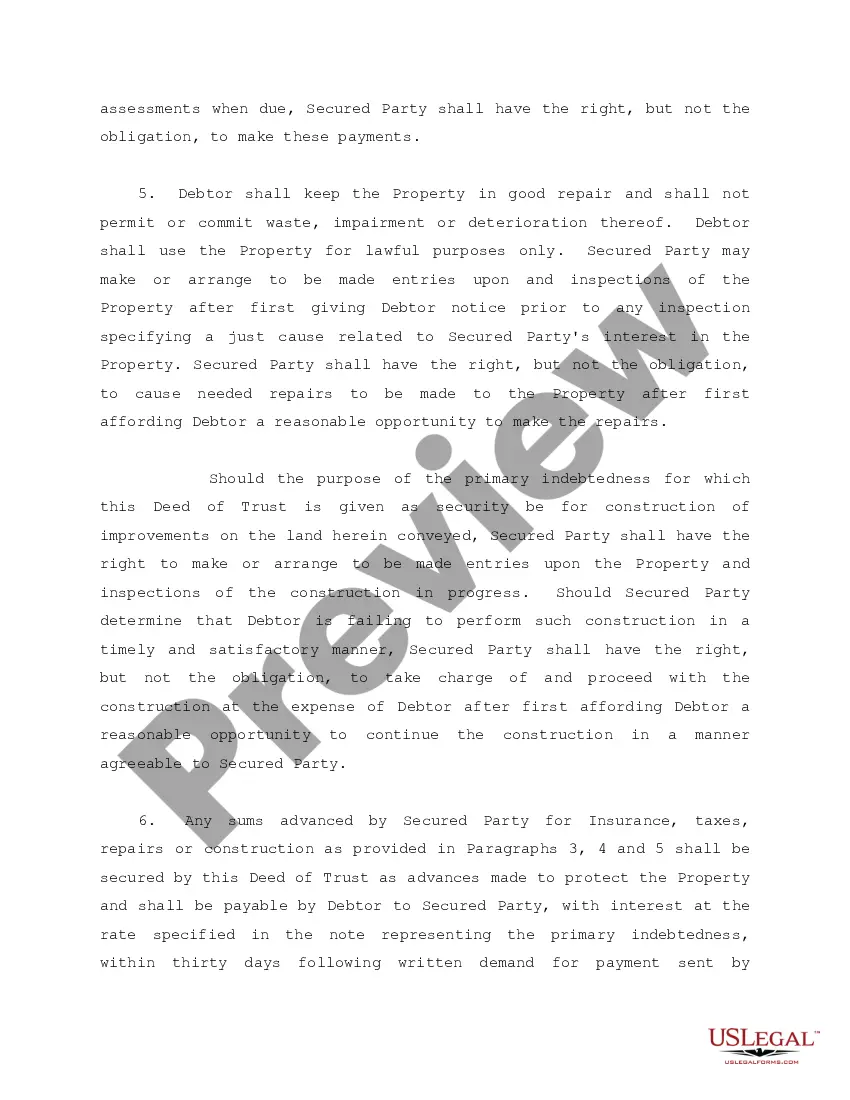
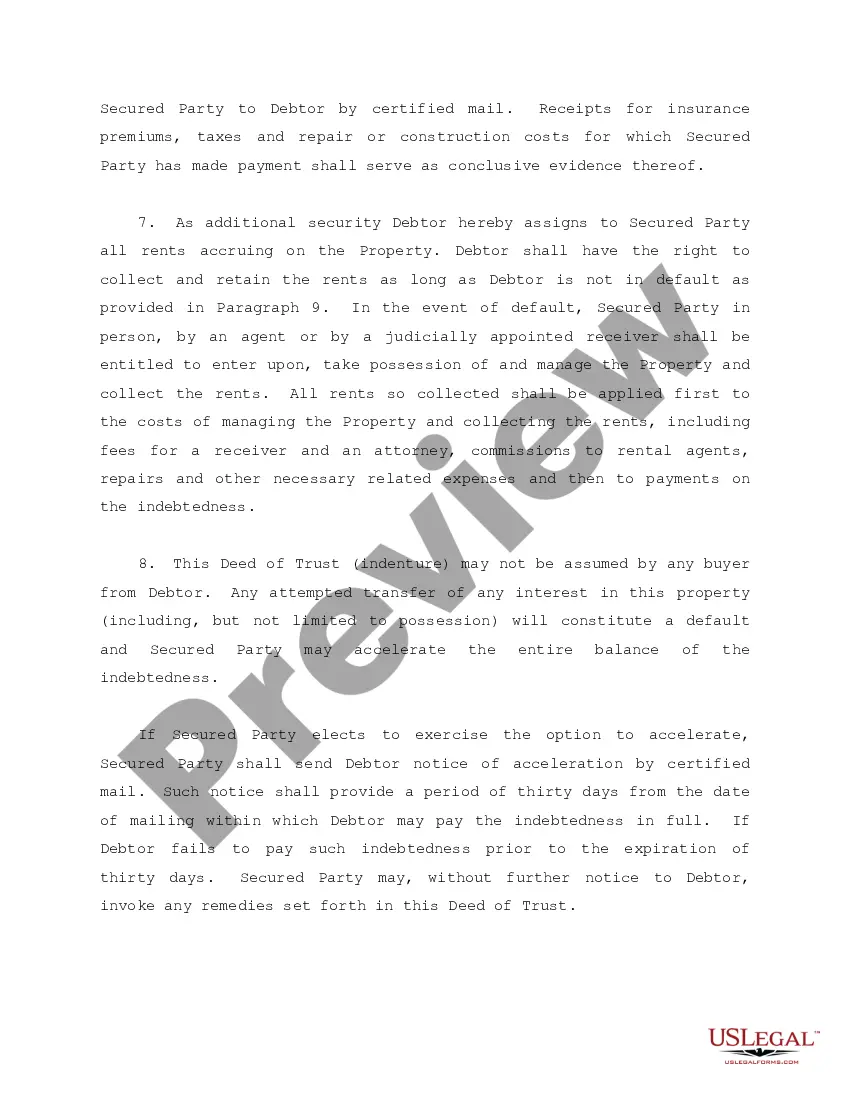

Get your form ready online
Our built-in tools help you complete, sign, share, and store your documents in one place.
Make edits, fill in missing information, and update formatting in US Legal Forms—just like you would in MS Word.
Download a copy, print it, send it by email, or mail it via USPS—whatever works best for your next step.
Sign and collect signatures with our SignNow integration. Send to multiple recipients, set reminders, and more. Go Premium to unlock E-Sign.
If this form requires notarization, complete it online through a secure video call—no need to meet a notary in person or wait for an appointment.
We protect your documents and personal data by following strict security and privacy standards.

Make edits, fill in missing information, and update formatting in US Legal Forms—just like you would in MS Word.

Download a copy, print it, send it by email, or mail it via USPS—whatever works best for your next step.

Sign and collect signatures with our SignNow integration. Send to multiple recipients, set reminders, and more. Go Premium to unlock E-Sign.

If this form requires notarization, complete it online through a secure video call—no need to meet a notary in person or wait for an appointment.

We protect your documents and personal data by following strict security and privacy standards.
Looking for another form?










Form popularity
FAQ
Under the new Texas debt collection laws, debt collectors are limited in the number of calls and texts they can make to consumers weekly. Debt collectors are prohibited from making more than seven phone calls per week to a consumer regarding a single debt.
Ignoring debt collectors is like hitting snooze on a loud alarm. It quiets things temporarily, but the problem remains. Ignoring them often escalates collection attempts. They may contact you more frequently, file a lawsuit, garnish wages, or put liens on assets.
Under the new Texas debt collection laws, debt collectors are limited in the number of calls and texts they can make to consumers weekly. Debt collectors are prohibited from making more than seven phone calls per week to a consumer regarding a single debt.
Provide Justification: Explain why you believe you qualify for forgiveness. Include any relevant personal circumstances, employment history, or financial hardships. Supporting Documentation: Mention any documents you are including to support your request (eg, proof of employment, income statements).
You can ask the creditor — either the original creditor or a debt collector — for what's called a “goodwill deletion.” Write the collector a goodwill letter explaining your circumstances and why you would like the debt removed, such as if you're about to apply for a mortgage.
Yes it does actually work. Collectors rarely actually validate the debt because most of the debts in fact are not valid. Some just back off because receiving a well worded debt validation letter means you have consulted the FDCPA (or at least a good debt/credit forum) and know what you're doing.
The statute of limitations on debt in Texas is four years.
Credit card debt can be forgiven through a variety of methods, including debt settlement negotiations with the lender, debt management programs, and in some cases, bankruptcy. In the case of bankruptcy, discharge of unsecured debt such as credit card debt is possible under Chapter 7.
There are a few professional and effective ways you can request payment from a debtor: Send a polite and formal payment request letter or email. Clearly state the amount owed, the due date, and any late fees or penalties. Provide banking information for the payment. Follow up the written request with a phone call.
Certain actions, like making a payment, can reset the clock on old debts and give your creditors more time to take legal action against you. Most consumer debts will “expire” after three to six years, meaning a creditor or debt collector can no longer sue you for them.
