E Commerce Agreement For Farmers In Sacramento
Description

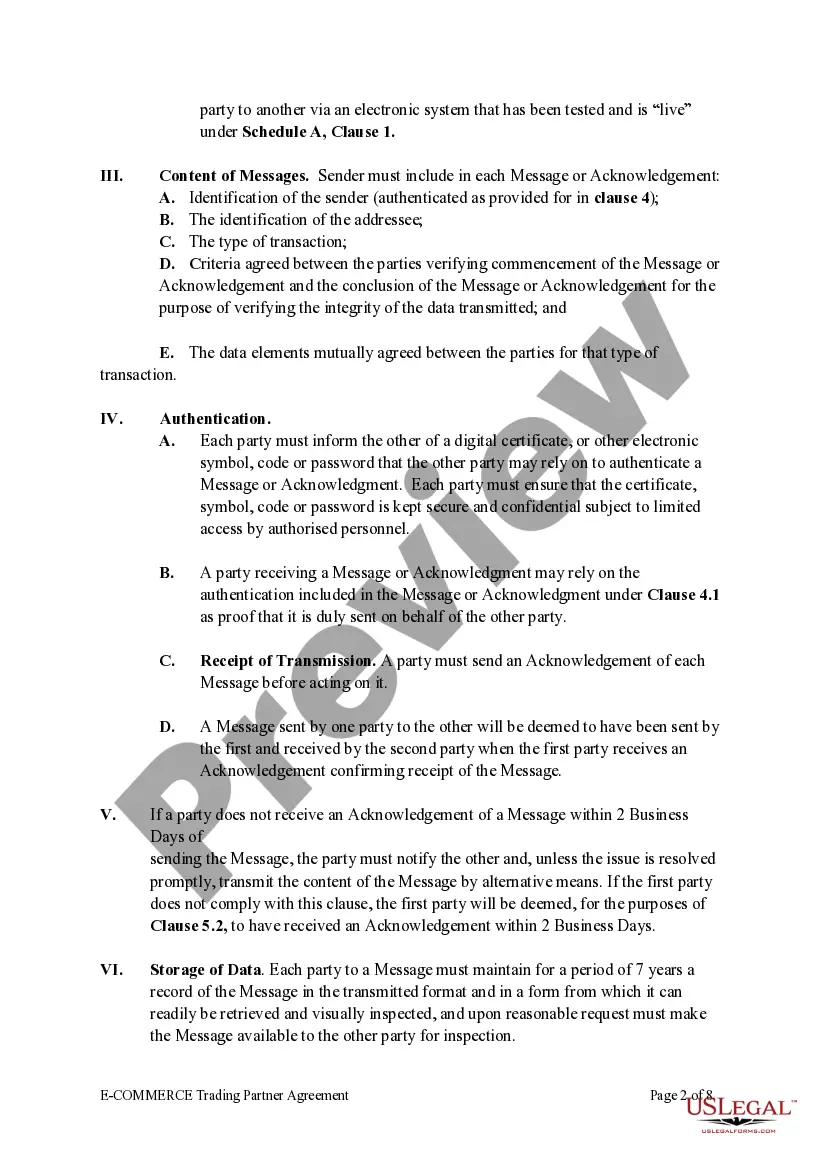
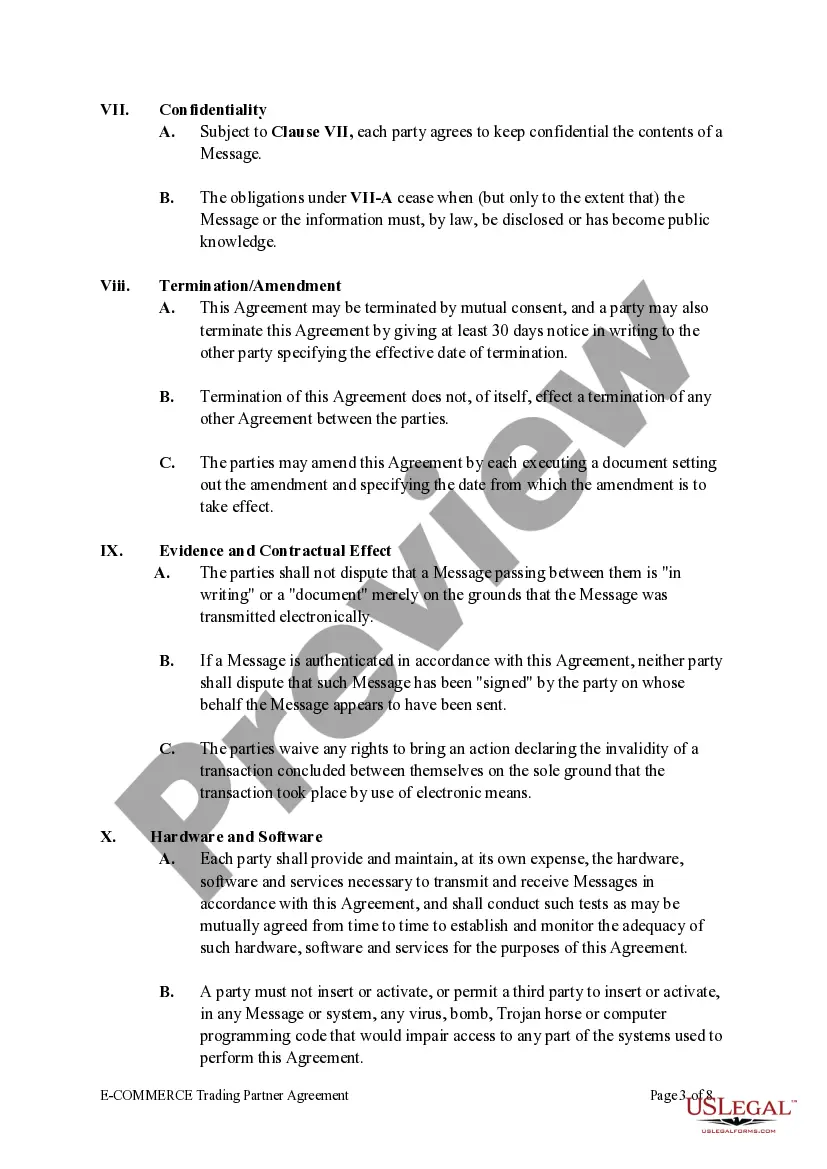
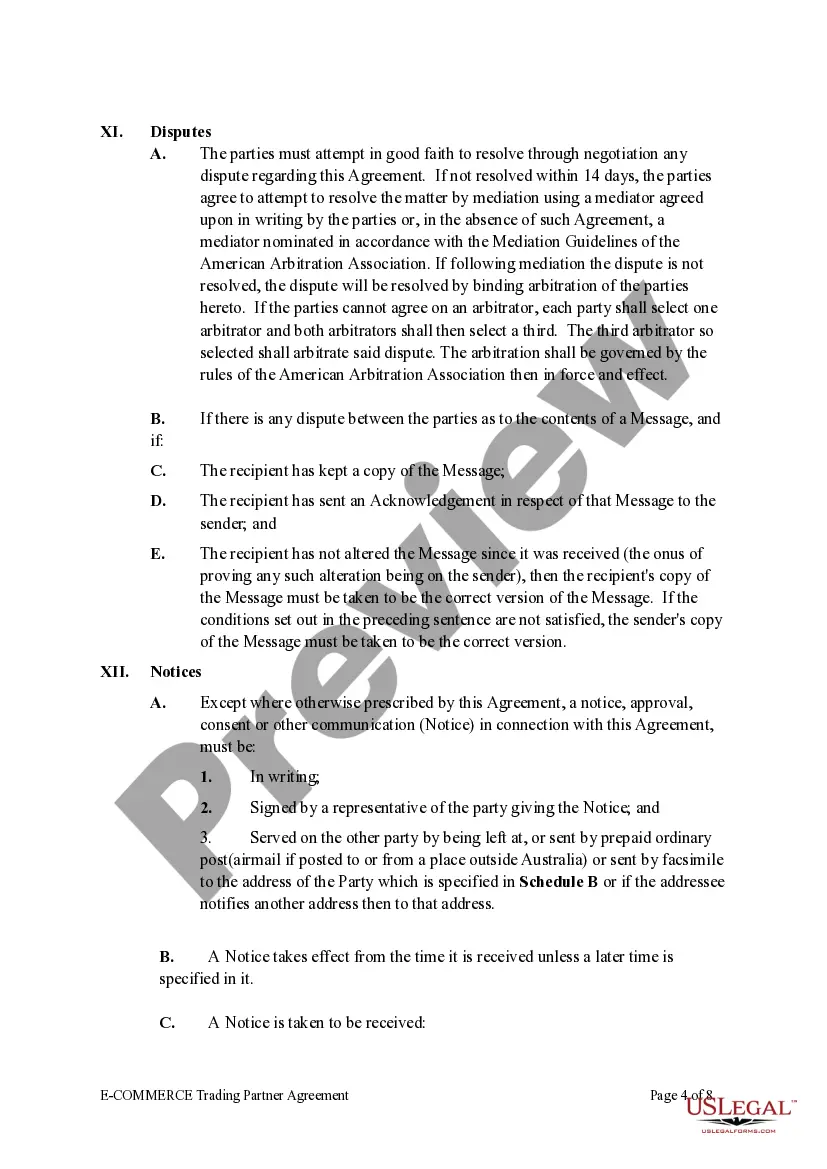
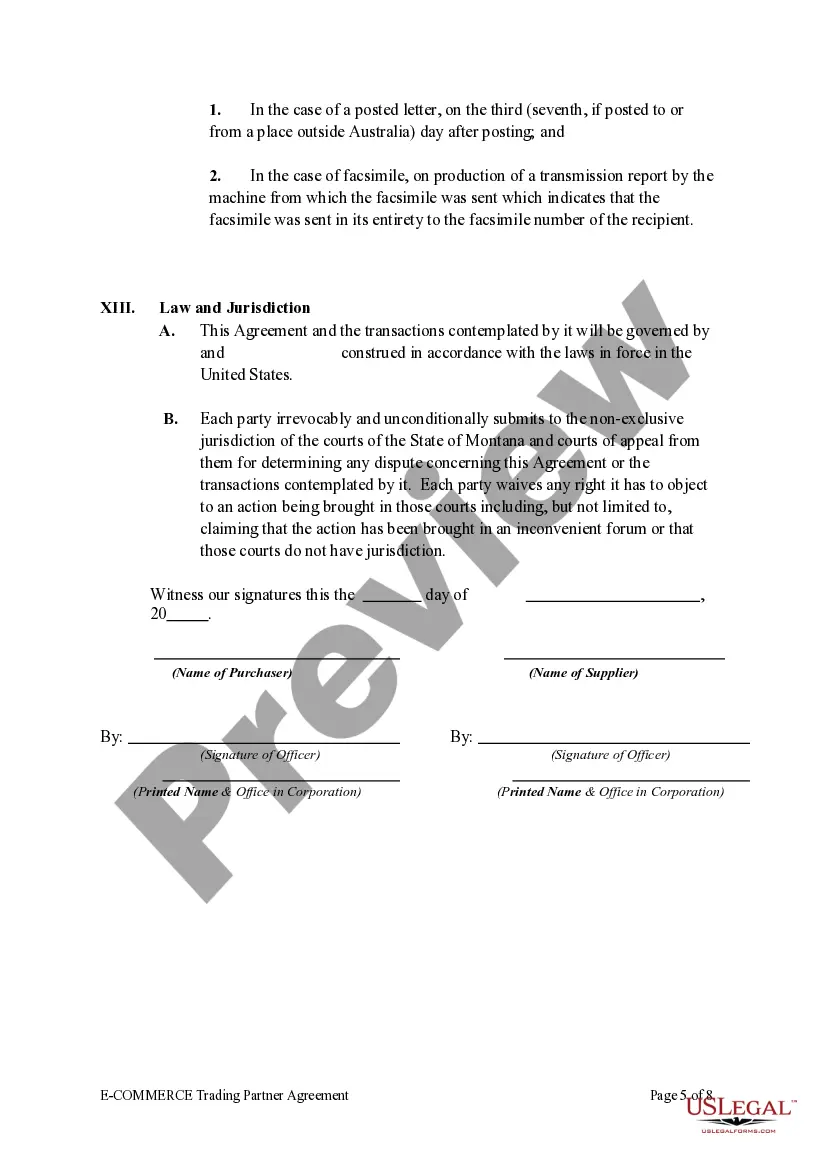
Get your form ready online
Our built-in tools help you complete, sign, share, and store your documents in one place.
Make edits, fill in missing information, and update formatting in US Legal Forms—just like you would in MS Word.
Download a copy, print it, send it by email, or mail it via USPS—whatever works best for your next step.
Sign and collect signatures with our SignNow integration. Send to multiple recipients, set reminders, and more. Go Premium to unlock E-Sign.
If this form requires notarization, complete it online through a secure video call—no need to meet a notary in person or wait for an appointment.
We protect your documents and personal data by following strict security and privacy standards.

Make edits, fill in missing information, and update formatting in US Legal Forms—just like you would in MS Word.

Download a copy, print it, send it by email, or mail it via USPS—whatever works best for your next step.

Sign and collect signatures with our SignNow integration. Send to multiple recipients, set reminders, and more. Go Premium to unlock E-Sign.

If this form requires notarization, complete it online through a secure video call—no need to meet a notary in person or wait for an appointment.

We protect your documents and personal data by following strict security and privacy standards.
Looking for another form?







Form popularity
FAQ
You must provide the following to receive a seller's permit: Your social security number (corporate officers excluded) Your date of birth. Your driver's license number, state ID number, or other ID (e.g., passport, military ID) Names and location of banks where you have an account. Names and addresses of suppliers.
Three of the most important permits that let you sell food to your community include the food handlers license, food facility health permit, and seller's permit.
Yes. All producers have the right to sell their unprocessed products from the point of production, i.e. their farm. If this isn't feasible, you can apply for permits to establish a produce stand at the nearest paved or main county road with the Planning Department and Environmental Health.
Producers that farm in multiple counties must obtain a Certified Producer's Certificate from each county. What permit is required to sell prepared food in a Certified Farmers' Market? Food vendors must obtain a Temporary Food Facility Permit from the Department of Environmental Health.
Bottom line: Business license is needed if you are doing retail sales in a municipality (e.g. farmers market, storefront). It is not needed if you are selling wholesale (e.g. to restaurants, markets).
No permit required to sell, trade or donate produce you have grown (see Urban Agriculture). However, the buyer may have food safety conditions. They may request evidence of a food safety plan, having participated in a food safety training (such as a Produce Safety Alliance training), or a third-party audit.
You will need to provide: A completed Public Health Permit/License Application. Business or individual identity documents, such as a Business License, Seller's Permit, Articles of Incorporation, or California ID (Sole Proprietor), depending on the nature of your business.
California Secretary of State (SOS) filing Limited partnerships, corporations, and limited liability companies (LLCs) are all legally required to register within California. Only sole proprietorships are exempt. To register your business, visit the California Secretary of State's business entity filings portal.
There are several ways you can choose to structure the ownership of your farm operation, ranging from a sole-proprietorship, general partnership, or corporation. More and more farms are now using a limited liability company (LLC) as a business entity which has become popular in the industry for several reasons.
