E Commerce Contract Example In North Carolina
Description
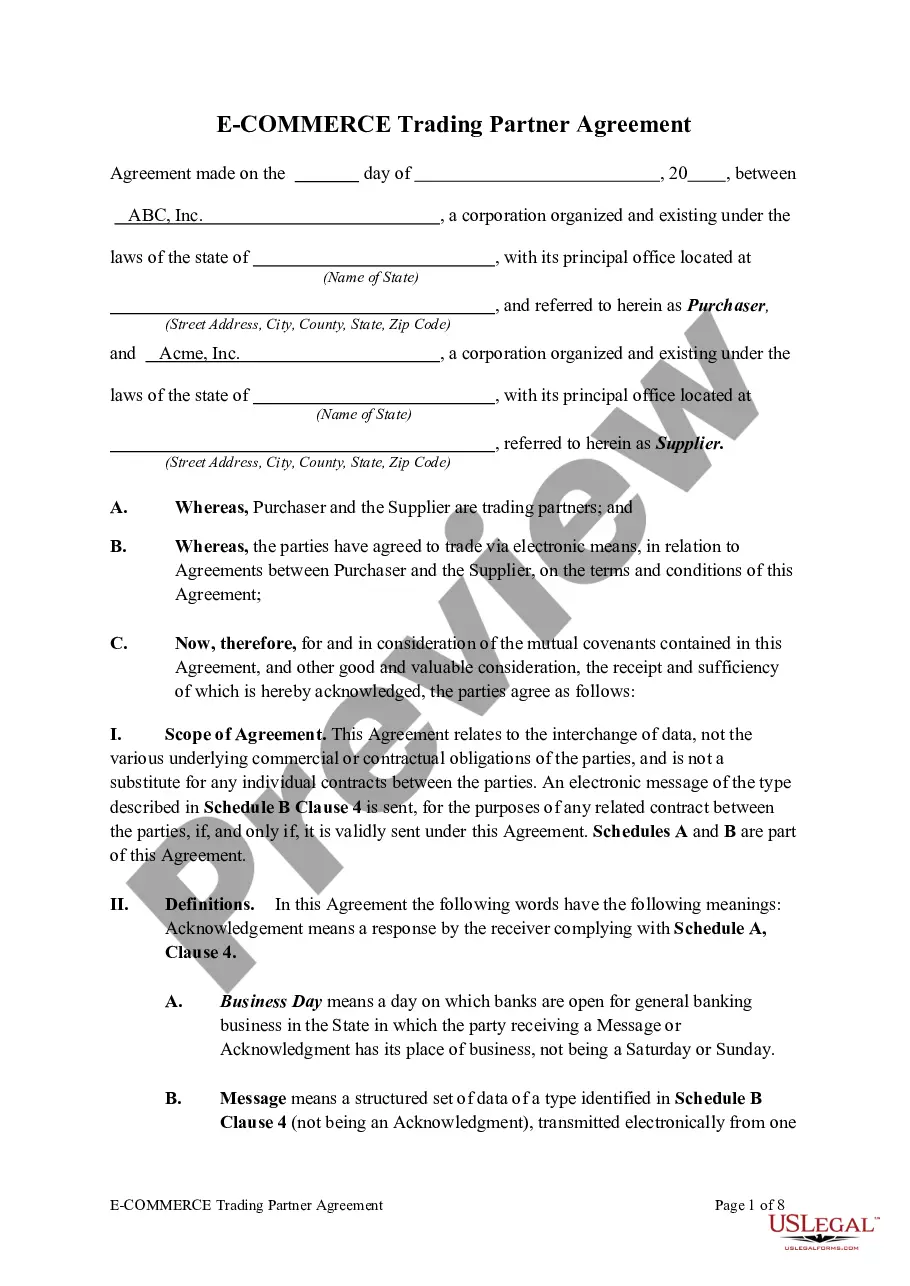
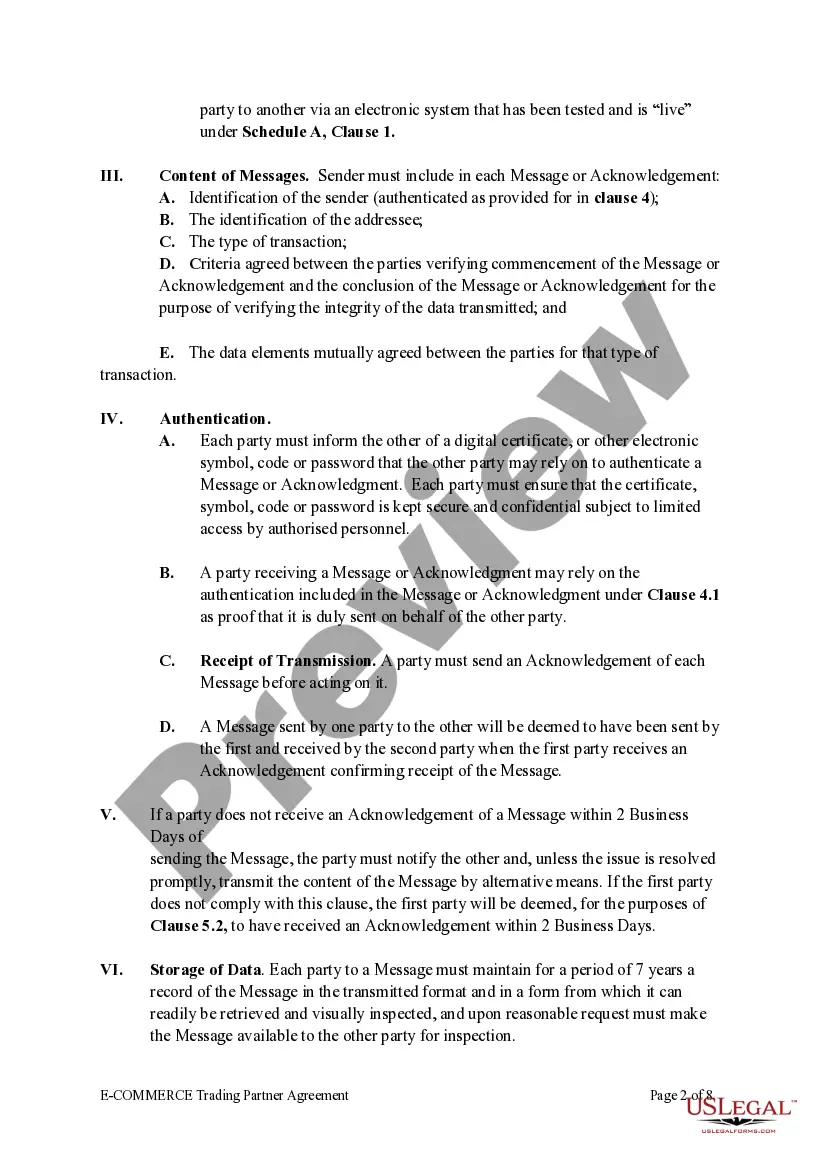
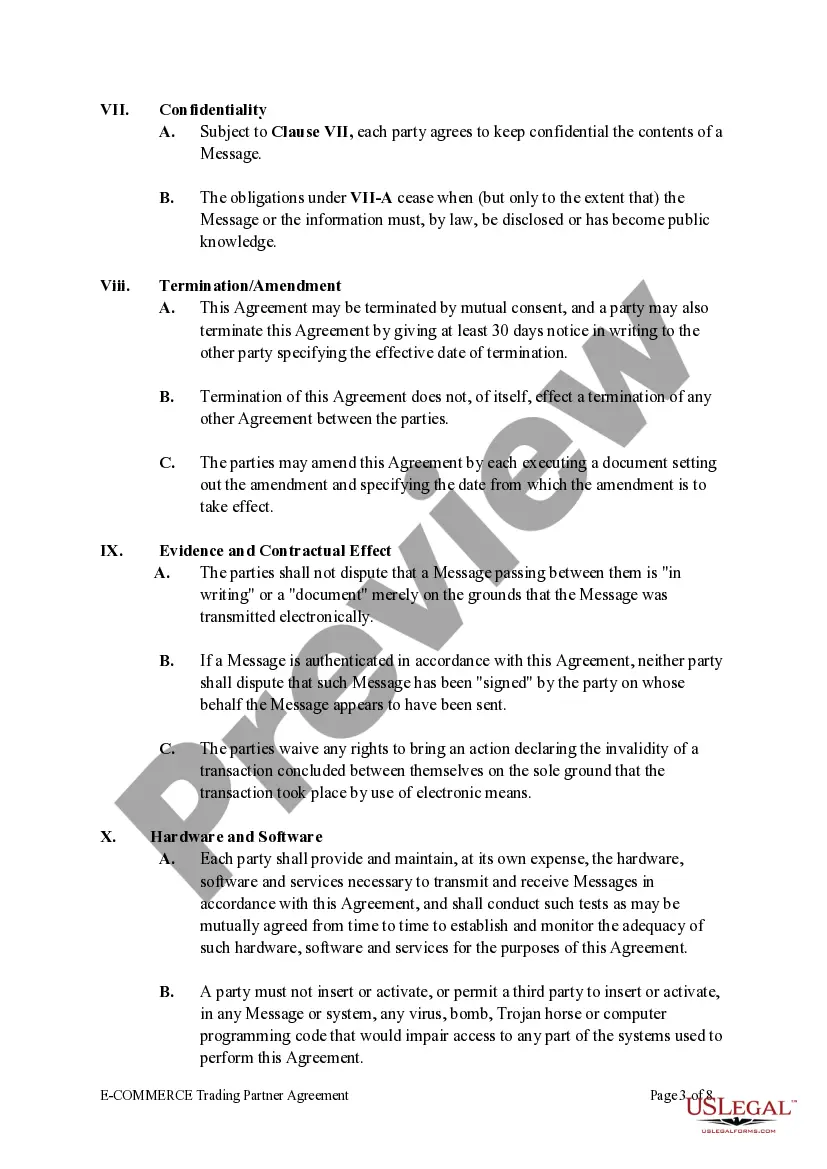
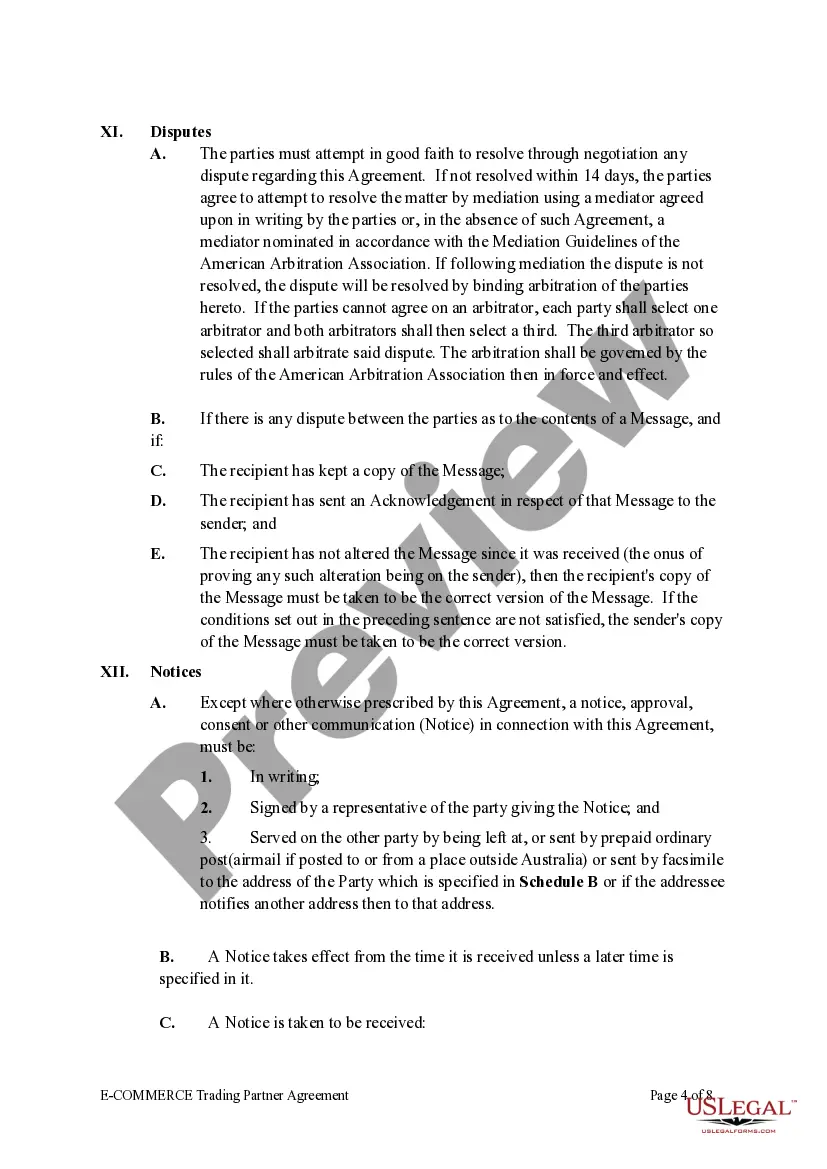
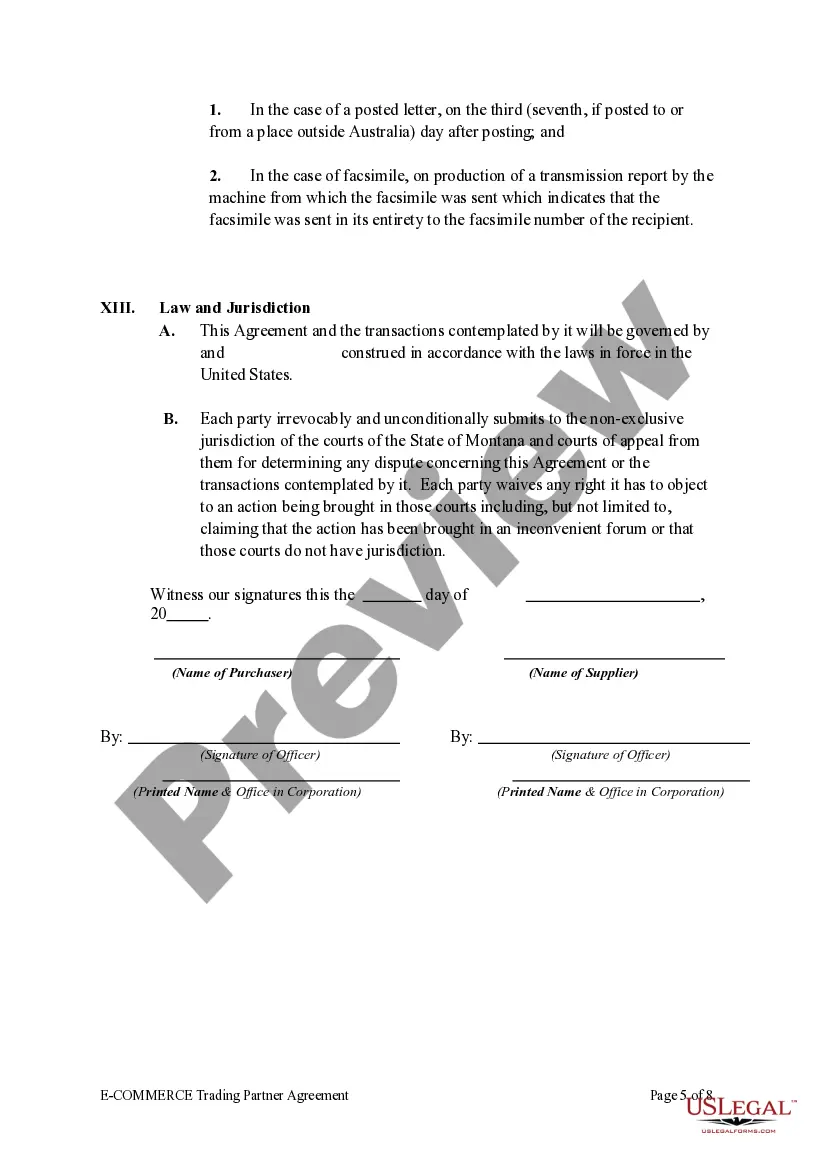
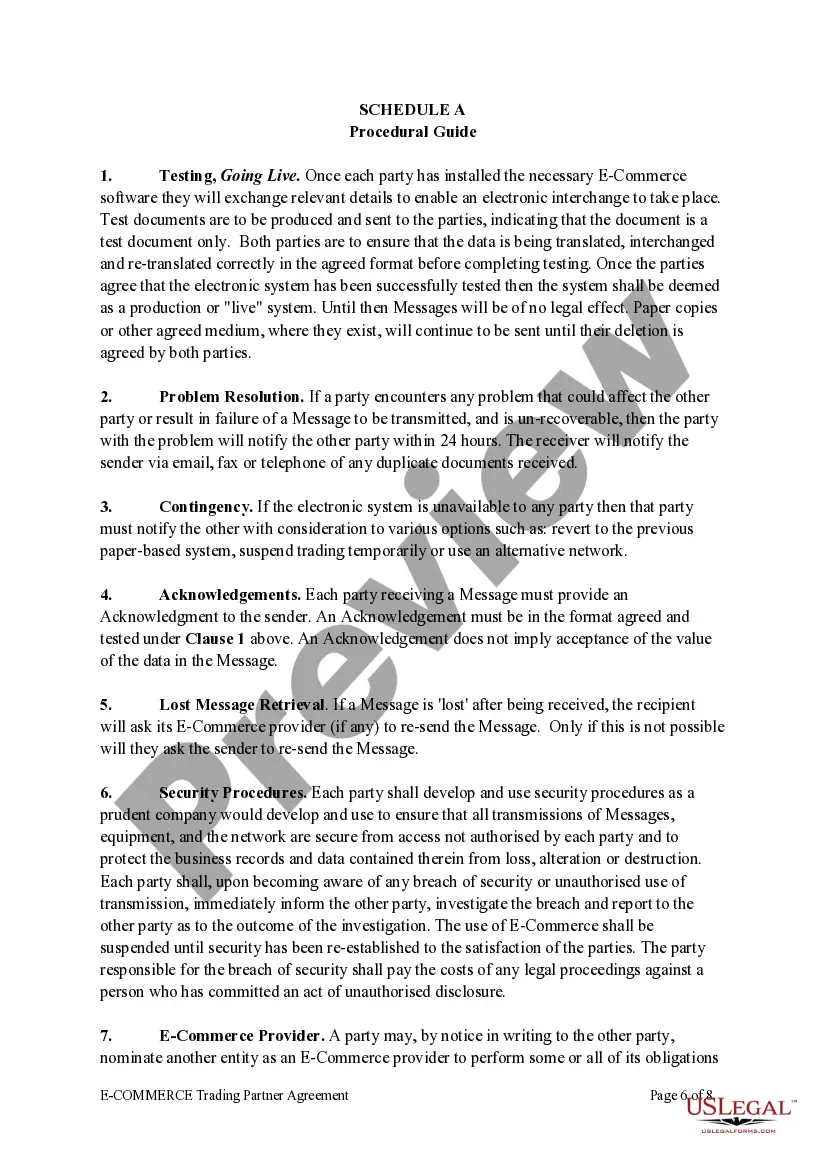
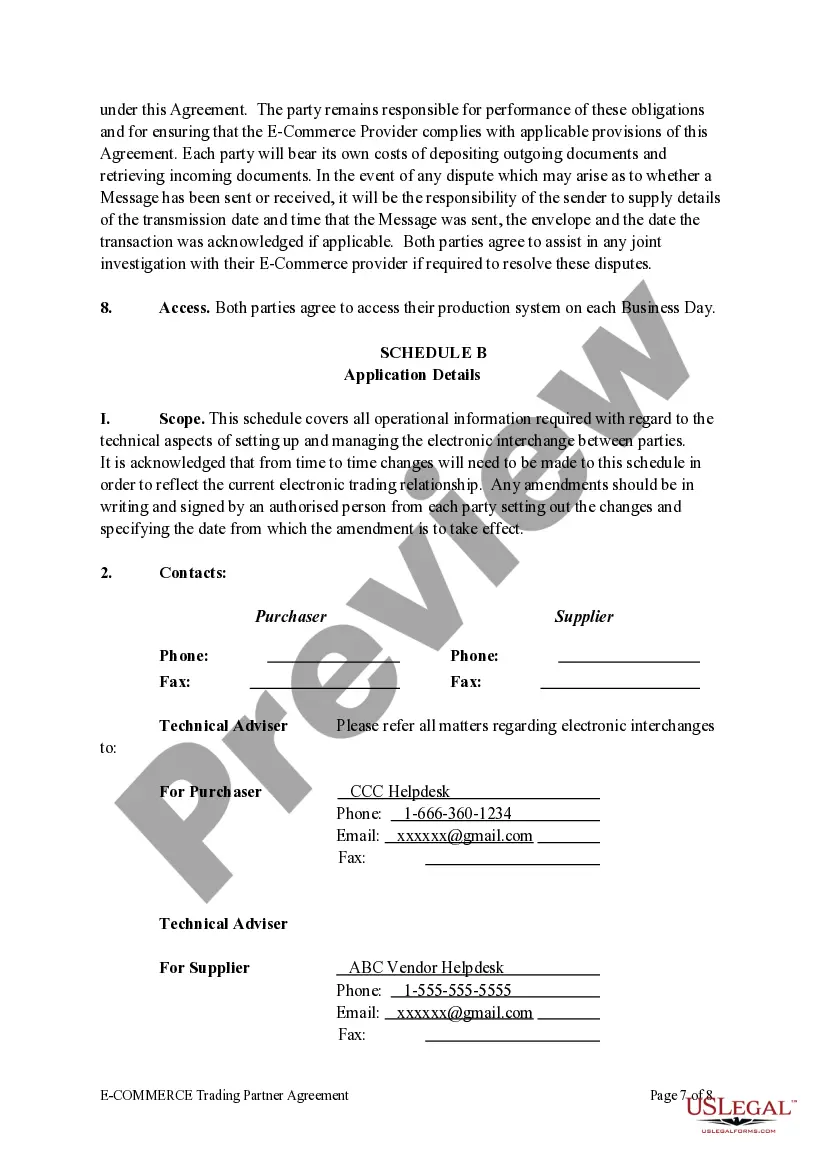
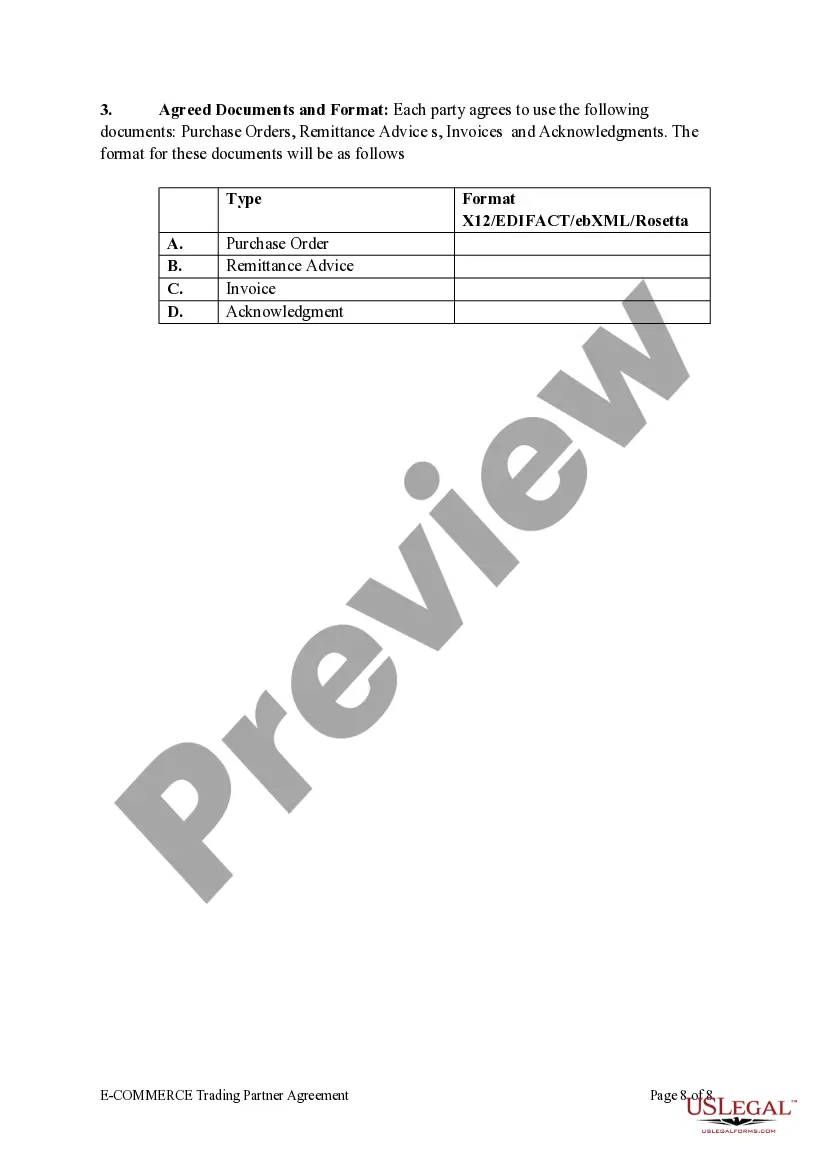
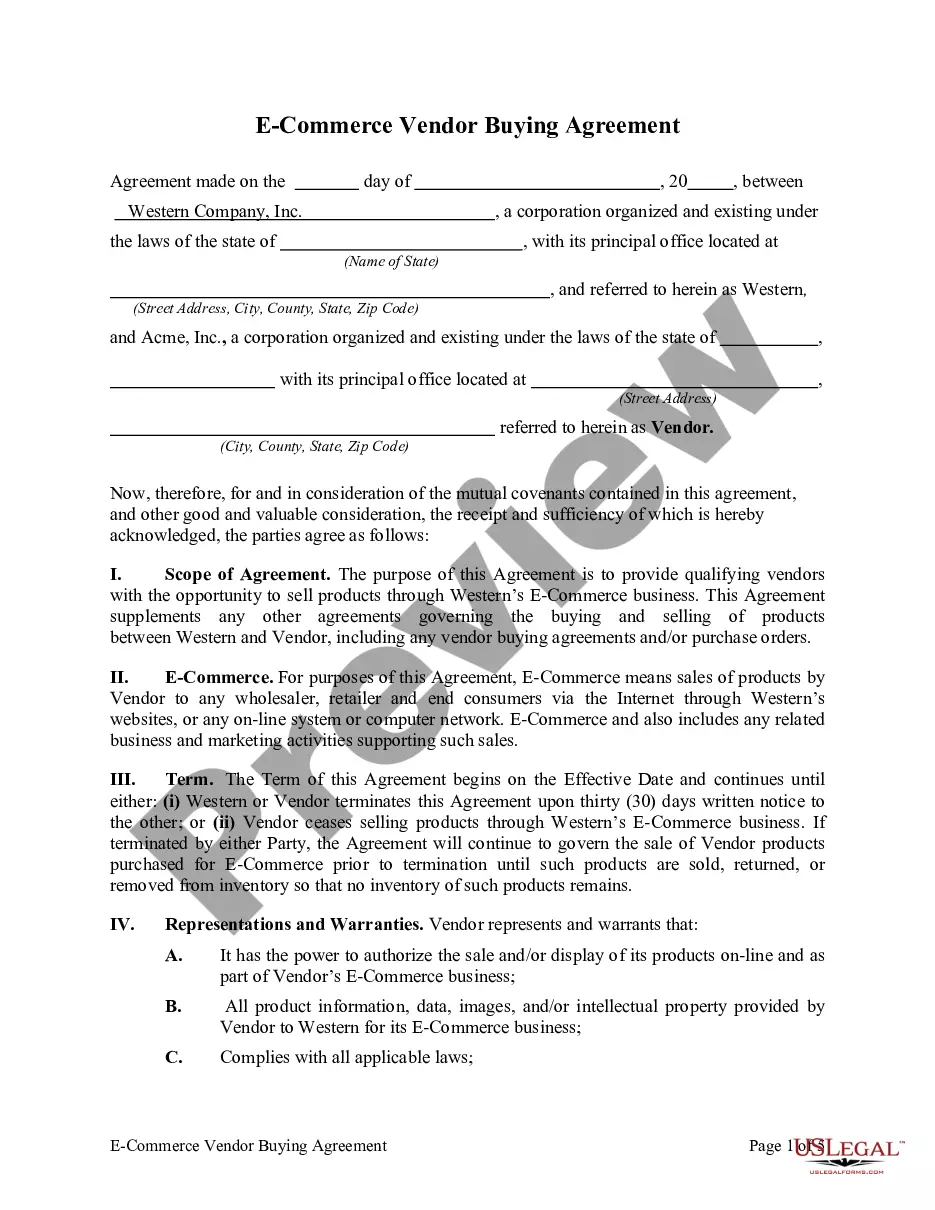
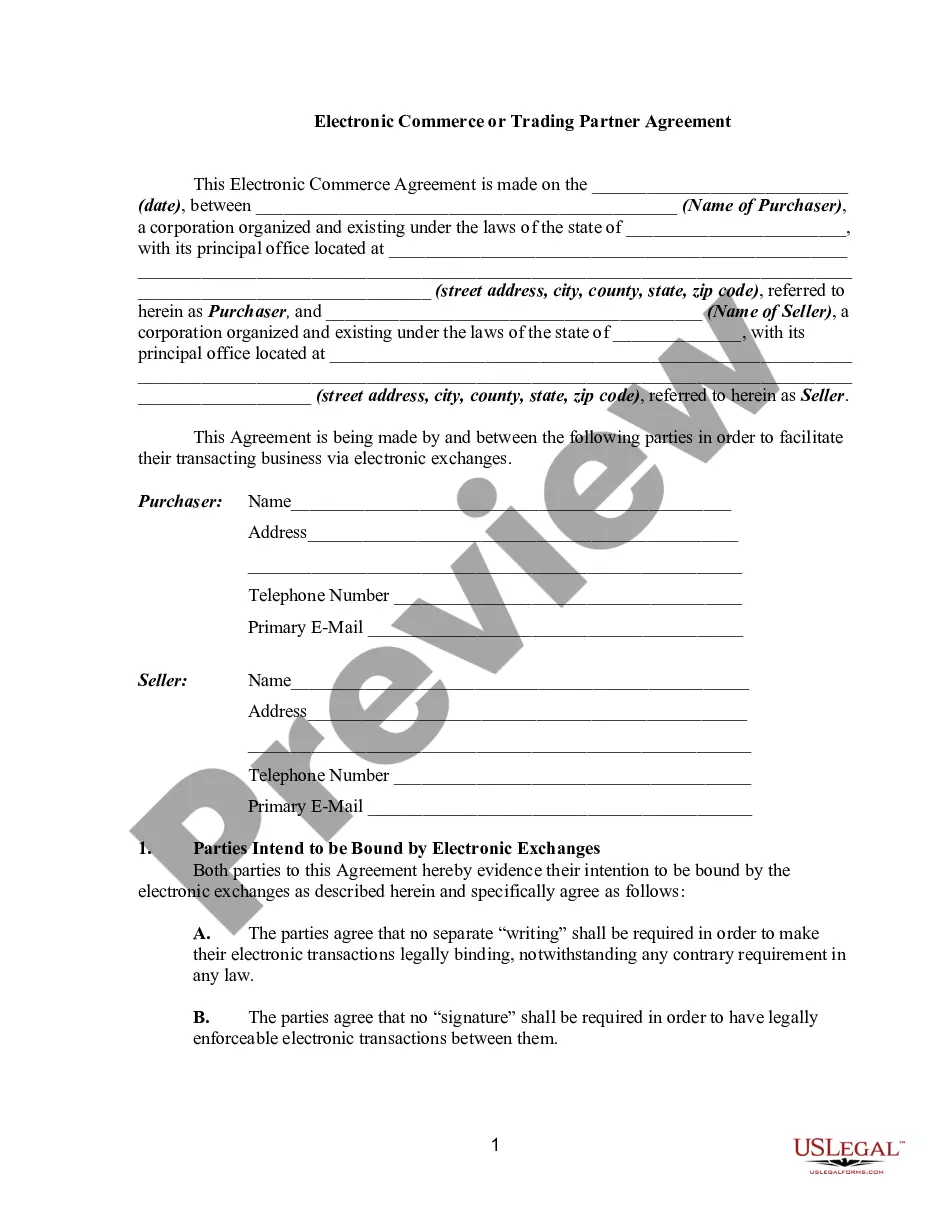
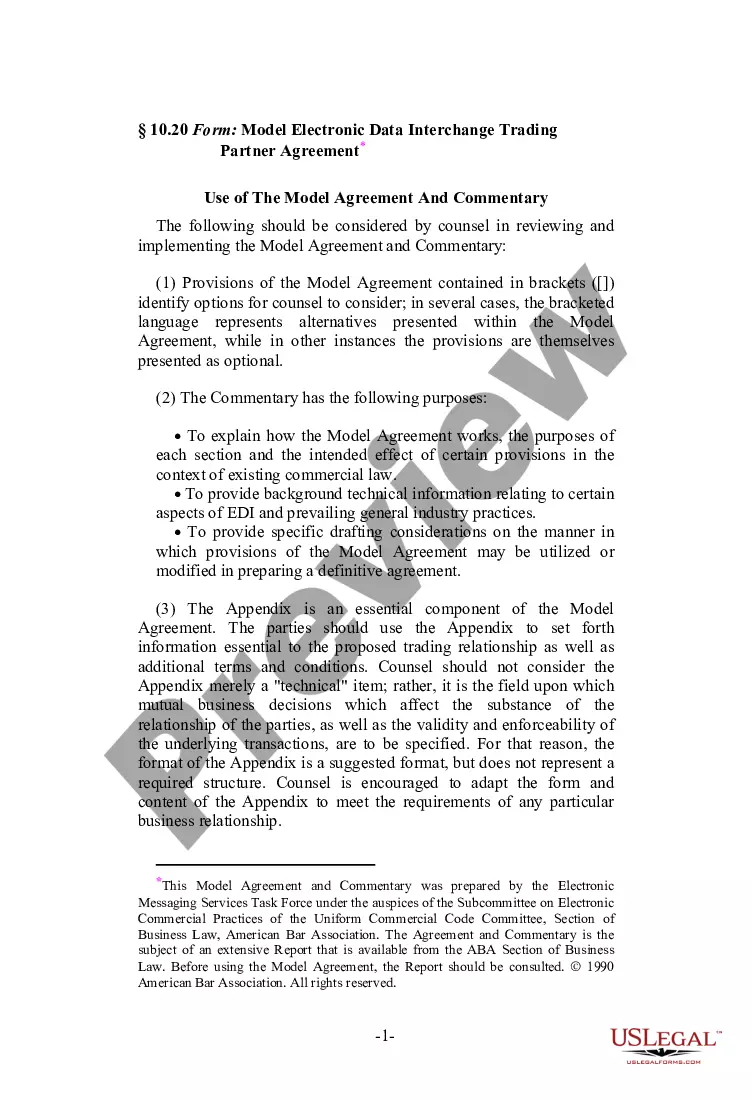
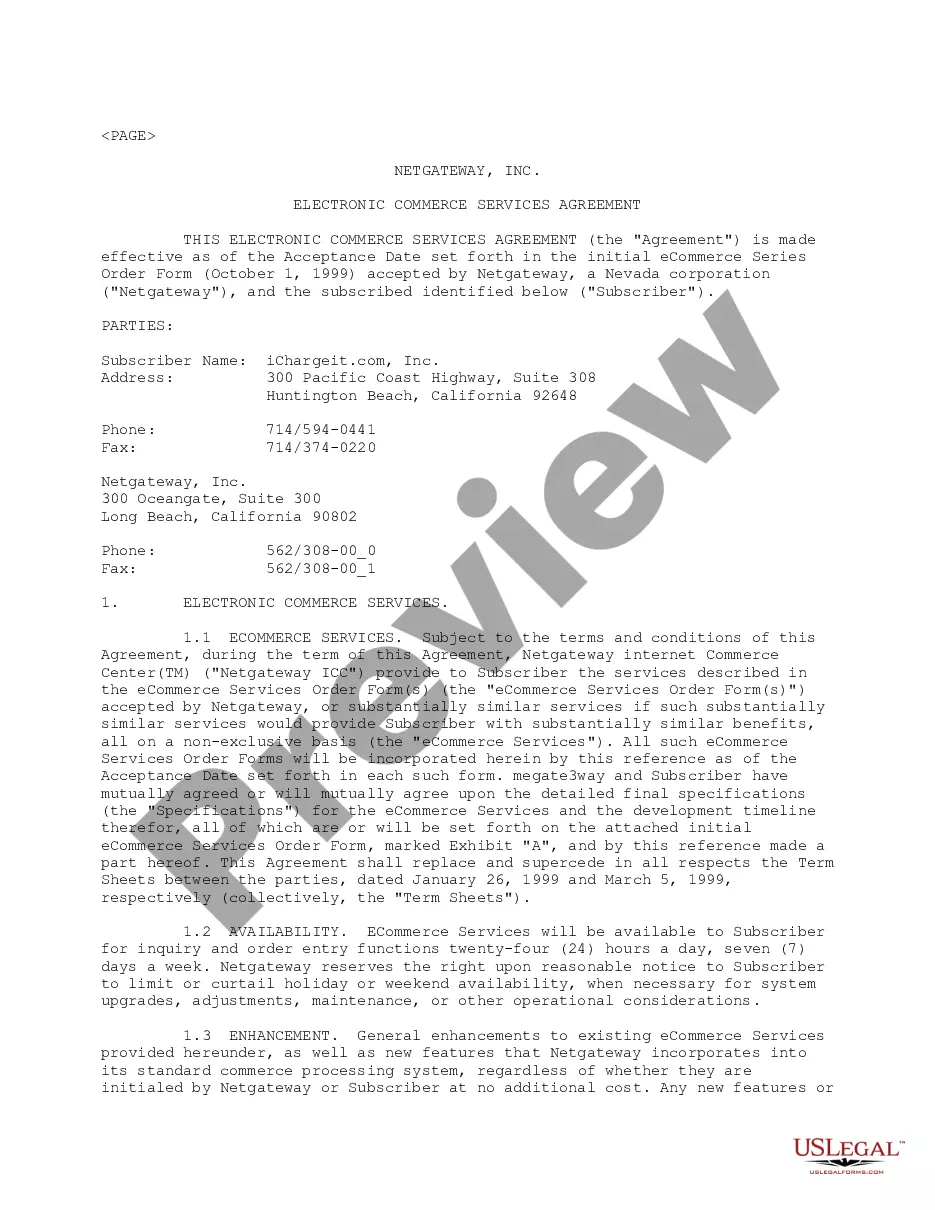
Get your form ready online
Our built-in tools help you complete, sign, share, and store your documents in one place.
Make edits, fill in missing information, and update formatting in US Legal Forms—just like you would in MS Word.
Download a copy, print it, send it by email, or mail it via USPS—whatever works best for your next step.
Sign and collect signatures with our SignNow integration. Send to multiple recipients, set reminders, and more. Go Premium to unlock E-Sign.
If this form requires notarization, complete it online through a secure video call—no need to meet a notary in person or wait for an appointment.
We protect your documents and personal data by following strict security and privacy standards.

Make edits, fill in missing information, and update formatting in US Legal Forms—just like you would in MS Word.

Download a copy, print it, send it by email, or mail it via USPS—whatever works best for your next step.

Sign and collect signatures with our SignNow integration. Send to multiple recipients, set reminders, and more. Go Premium to unlock E-Sign.

If this form requires notarization, complete it online through a secure video call—no need to meet a notary in person or wait for an appointment.

We protect your documents and personal data by following strict security and privacy standards.
Looking for another form?

Form popularity
FAQ
Electronic procurement, also known as e-procurement or supplier exchange, is the process of requisitioning, ordering and purchasing goods and services online. It is a business-to-business process.
In order to have a valid contract in North Carolina, there must be an offer, an acceptance, along with consideration. The parties must also have the capacity to enter into the contract.
Cons of e-procurement Micromanagement. E-procurement software tools offer features for detailed data analytics and classification. Time-consuming approval chains. The benefit of detailed insight can also be a drawback. Not ideal for direct materials. Supplier onboarding problems.
For sales & use tax the E-500 – Sales & Use Tax Return must be filed by the due date. For semimonthly and monthly filing frequency the due date is 20thday of the following month. For quarterly filing frequency the due date is the on the last day of January, April, July, and October for the preceding three month period.
What types of payments are considered eCommerce payments? Payments that are initiated through an online web browser via a specific retail website, browser-based payments from a tablet or smartphone, and smartphone payments that are initiated through a mobile app are all examples of eCommerce transactions.
In order to have a valid contract in North Carolina, there must be an offer, an acceptance, along with consideration.
commerce (electronic commerce) is the buying and selling of goods and services, or the transmitting of funds or data, over an electronic network, primarily the internet.
The standard definition of E-commerce is a commercial transaction which is happened over the internet. Online stores like Amazon, Flipkart, Shopify, Myntra, Ebay, Quikr, Olx are examples of E-commerce websites. By 2020, global retail e-commerce can reach up to $27 Trillion.
A user agreement is any contract between a website user and the site's owner or operator. These e-commerce contracts can be end-user license agreements (EULAs), terms of service/terms and conditions, or privacy policies. They outline the rights and obligations of both parties.
