E Commerce Agreement Template Forecasting In Collin
Description
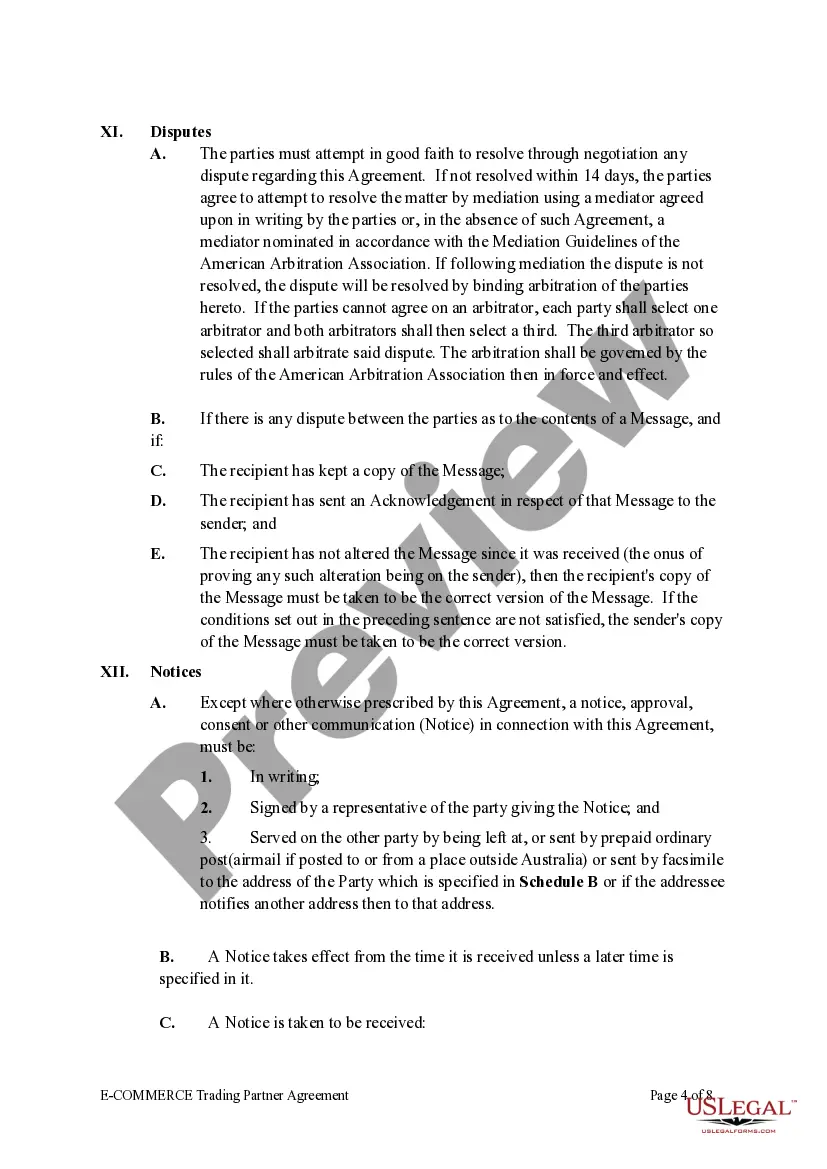
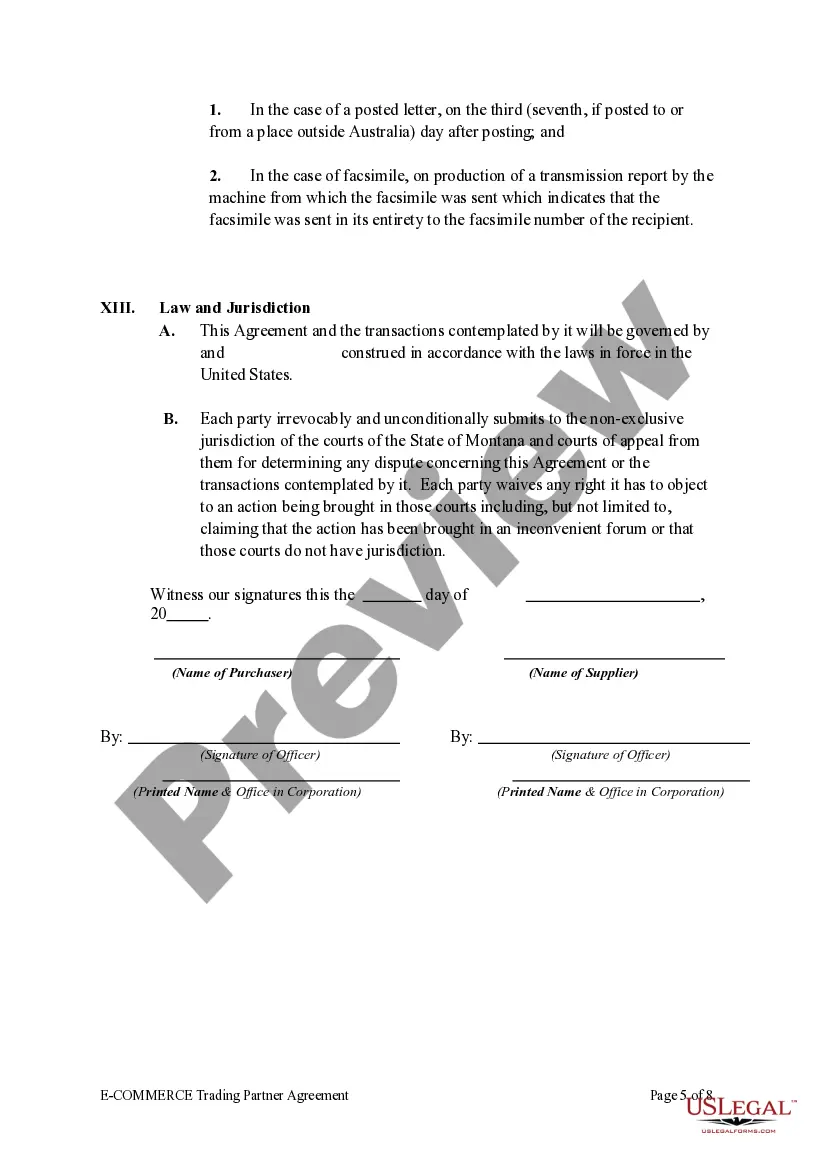
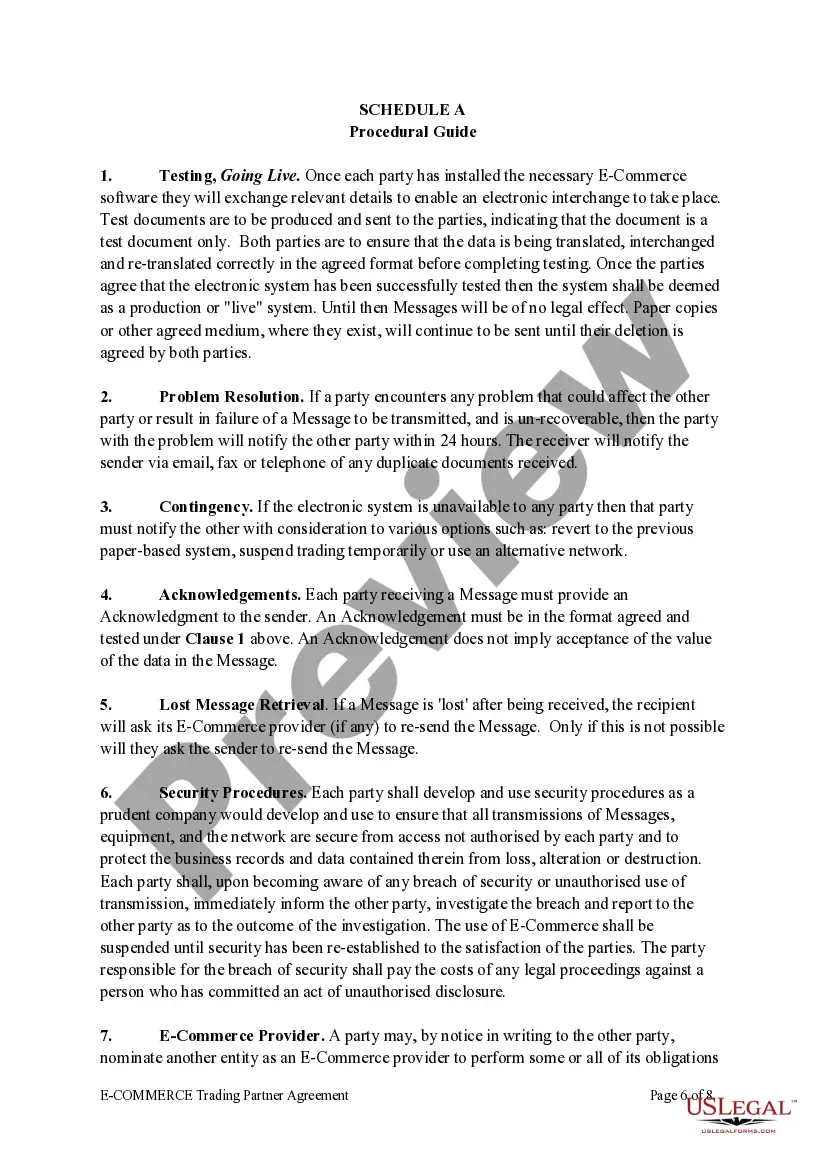
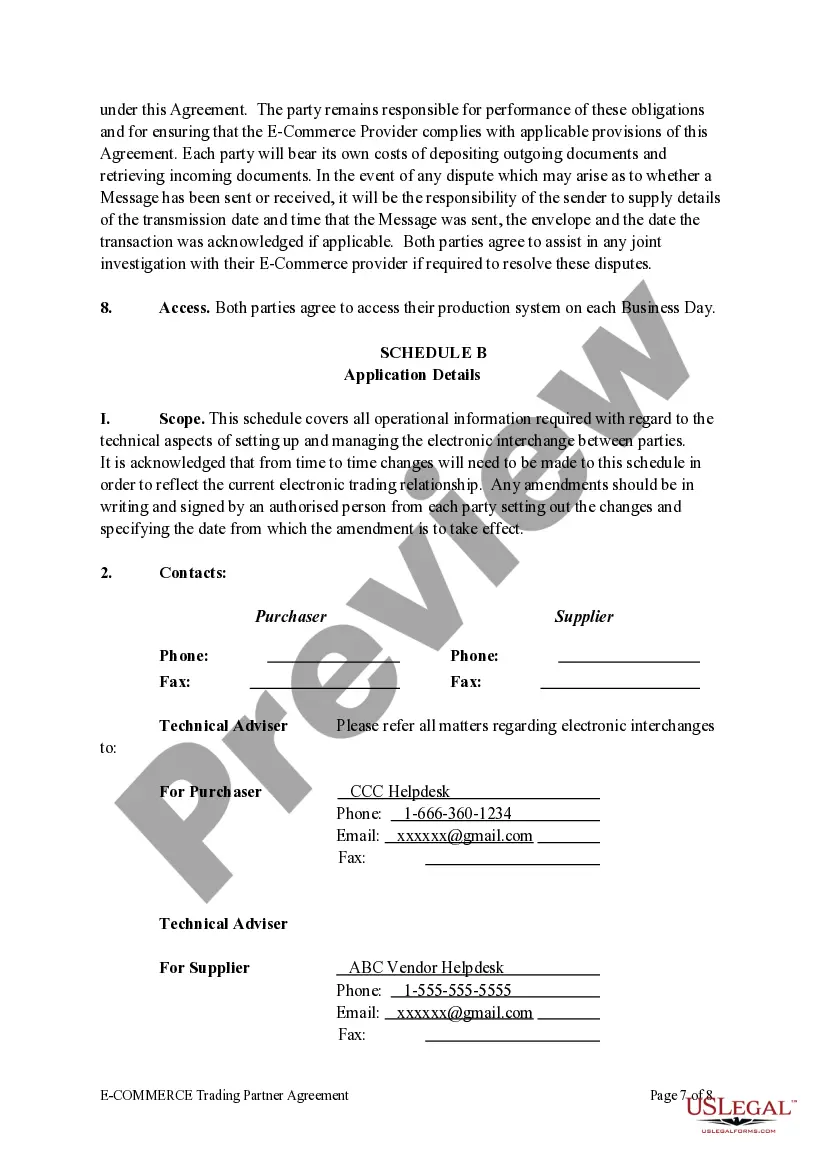

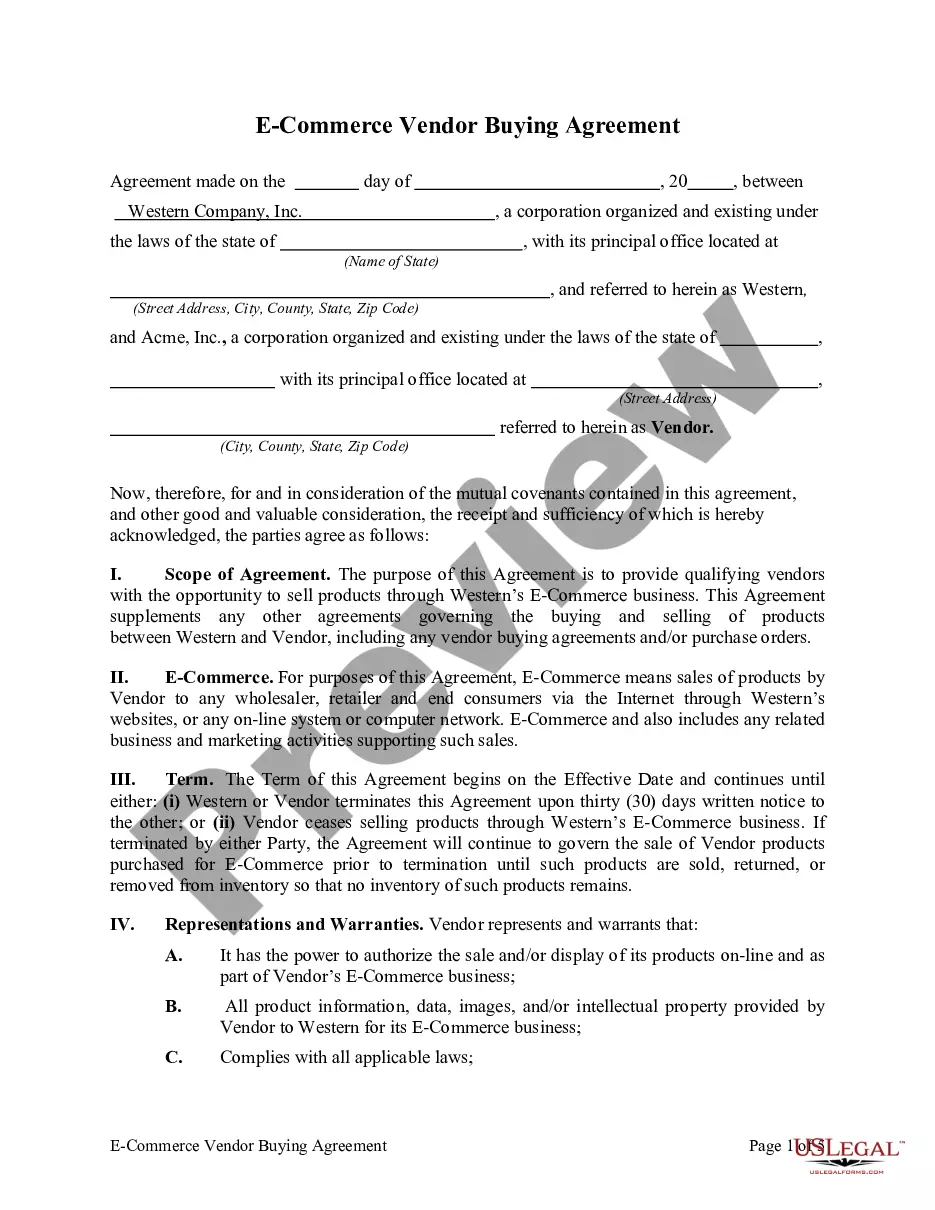
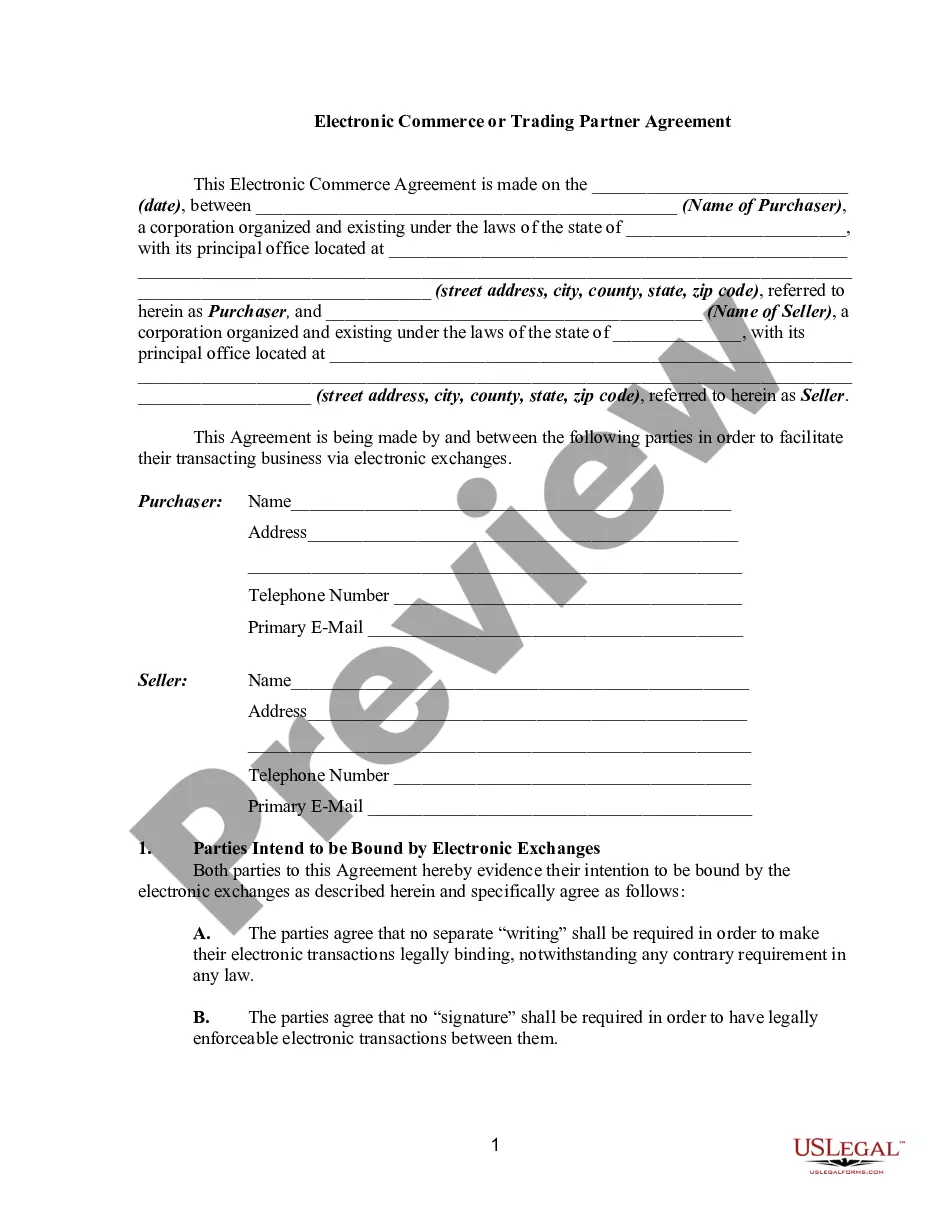
Get your form ready online
Our built-in tools help you complete, sign, share, and store your documents in one place.
Make edits, fill in missing information, and update formatting in US Legal Forms—just like you would in MS Word.
Download a copy, print it, send it by email, or mail it via USPS—whatever works best for your next step.
Sign and collect signatures with our SignNow integration. Send to multiple recipients, set reminders, and more. Go Premium to unlock E-Sign.
If this form requires notarization, complete it online through a secure video call—no need to meet a notary in person or wait for an appointment.
We protect your documents and personal data by following strict security and privacy standards.

Make edits, fill in missing information, and update formatting in US Legal Forms—just like you would in MS Word.

Download a copy, print it, send it by email, or mail it via USPS—whatever works best for your next step.

Sign and collect signatures with our SignNow integration. Send to multiple recipients, set reminders, and more. Go Premium to unlock E-Sign.

If this form requires notarization, complete it online through a secure video call—no need to meet a notary in person or wait for an appointment.

We protect your documents and personal data by following strict security and privacy standards.
Looking for another form?




Form popularity
FAQ
What is Demand Forecasting? In eCommerce demand forecasting means predicting future sales using data on your business' past performance. You're finding out when and why individual products sold well (or poorly) and using that knowledge to optimize your strategy for the future.
Revenue in the eCommerce Market is projected to reach US$4,791.00bn in 2025. Revenue is expected to show an annual growth rate (CAGR 2025-2029) of 7.83%, resulting in a projected market volume of US$6,478.00bn by 2029.
An eCommerce RFP (Request for Proposal) is a formal document outlining your business's objectives, project scope, technical requirements, company background, and specific eCommerce platform or solution needs. Its primary purpose is to find an agency to undertake your project.
5 basic steps in an ecommerce demand forecasting process Define goals. The first step in ecommerce demand forecasting is to clearly define your goals. Collect data. With your goals firmly in place, you can start collecting internal and external data. Analyze data. Forecast demand. Make adjustments.
Introduce yourself and provide background information. State your purpose for the proposal. Define your goals and objectives. Highlight what sets you apart. Briefly discuss budget and how funds will be used. Finish with a call to action and request a follow-up. Close the letter and provide contact details.
Tips for writing a persuasive e-commerce proposal Understand your client's goals and what they do, then tailor your proposal to meet their specific needs. Conduct market research on their industry and understand the challenges they face so that you can offer solutions that align with their specific requirements.
How to write a business proposal. Research and outline your business proposal. Build the title and table of contents. Write your executive summary. Explain the problem statement and solution. List deliverables, milestones, and budgets. Craft the conclusion and appendix. Edit and professionally polish your proposal.
Here, you'll see examples and learn how to: Draft an executive summary. Describe your company. List your products and services. Analyze your target audience. Estimate overall market size. Define your marketing plan. Define your value delivery system. Create pro forma financial statements to explain operational assumptions.
Market demand is the total of what everyone within a specific industry desires and can help guide merchants when building an ecommerce site.
Global ecommerce sales are projected to grow to a staggering $7.41 trillion by 2026 , demonstrating the increasing digitalization of consumer behavior. This growth is largely fueled by rising internet access, mobile shopping, and international expansion of ecommerce platforms.