E Commerce Agreement For Farmers In Clark
Description

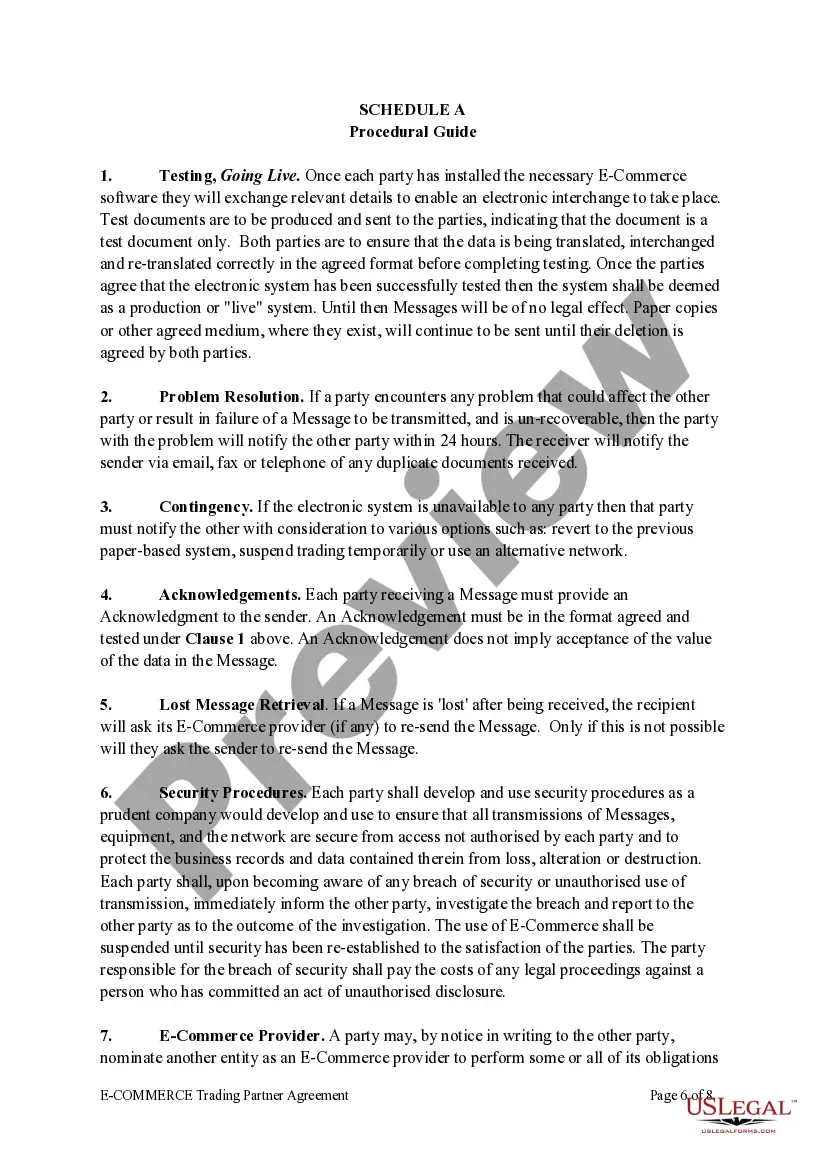
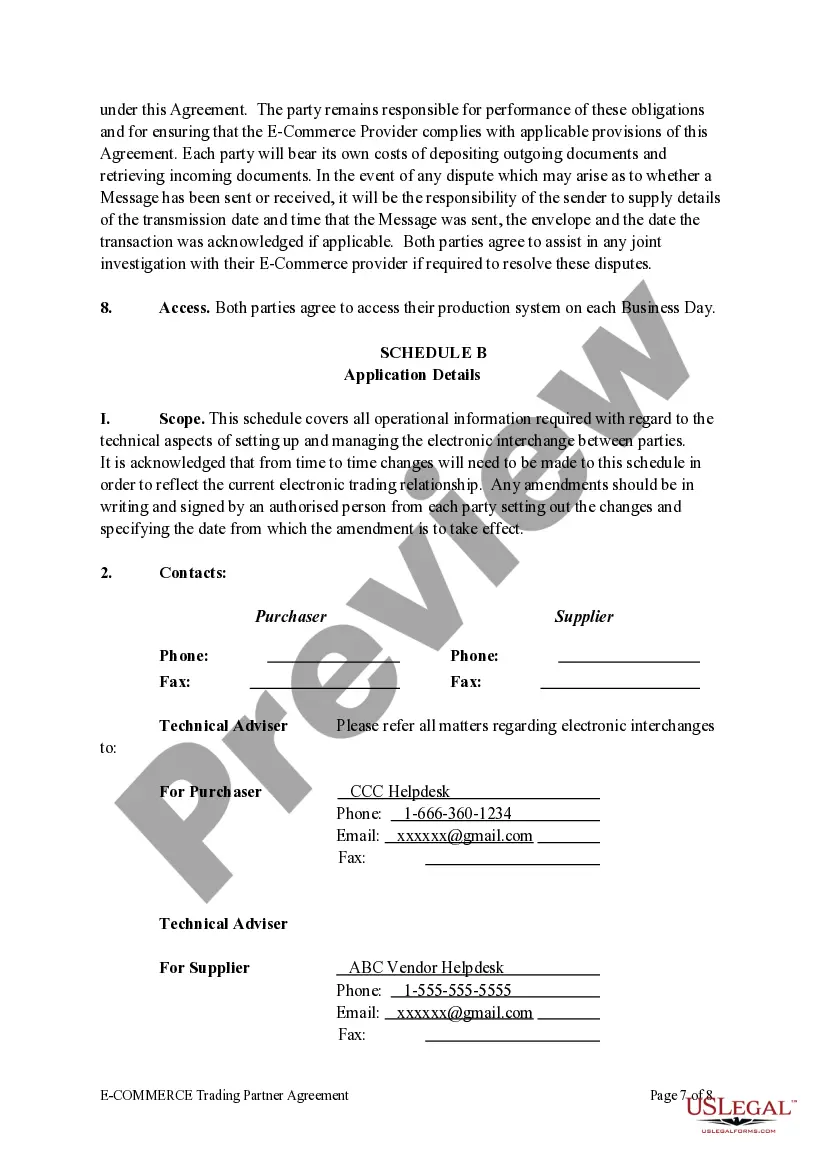
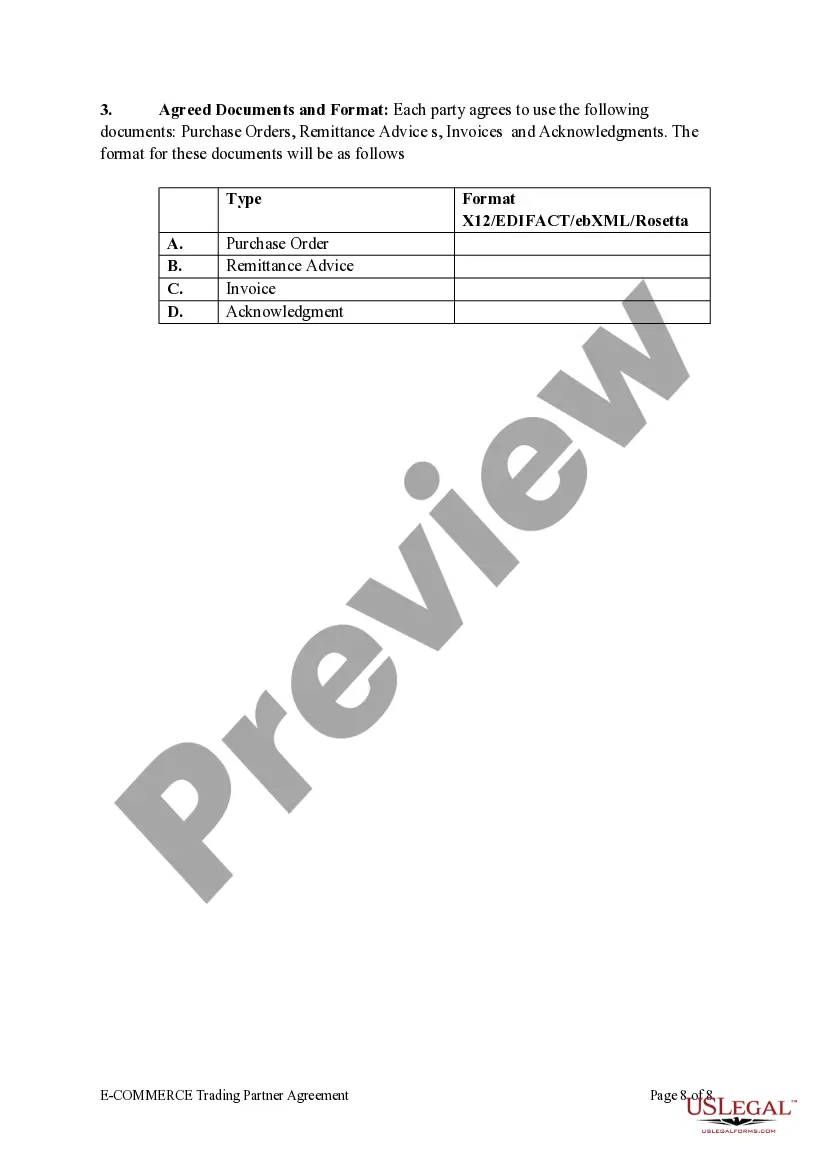
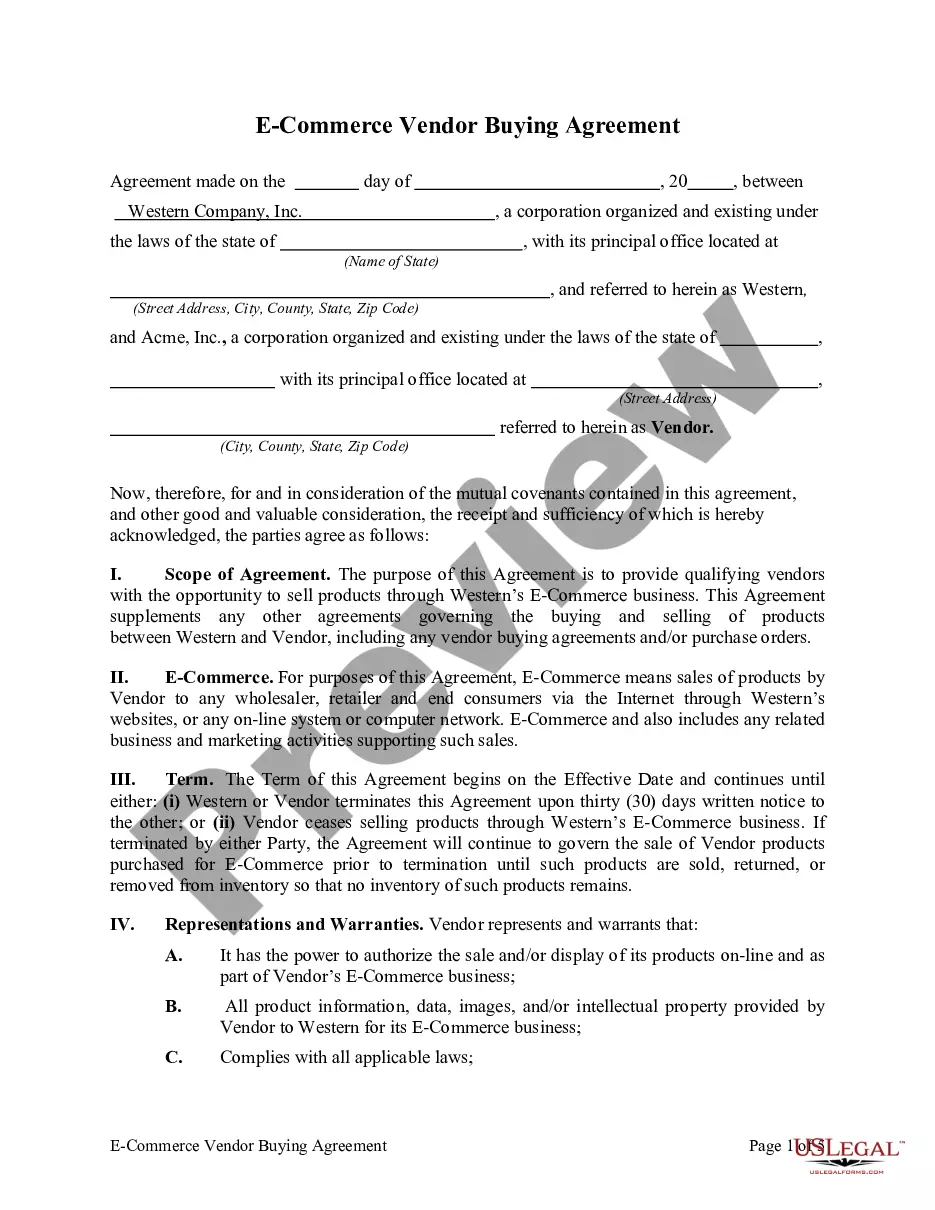
Get your form ready online
Our built-in tools help you complete, sign, share, and store your documents in one place.
Make edits, fill in missing information, and update formatting in US Legal Forms—just like you would in MS Word.
Download a copy, print it, send it by email, or mail it via USPS—whatever works best for your next step.
Sign and collect signatures with our SignNow integration. Send to multiple recipients, set reminders, and more. Go Premium to unlock E-Sign.
If this form requires notarization, complete it online through a secure video call—no need to meet a notary in person or wait for an appointment.
We protect your documents and personal data by following strict security and privacy standards.

Make edits, fill in missing information, and update formatting in US Legal Forms—just like you would in MS Word.

Download a copy, print it, send it by email, or mail it via USPS—whatever works best for your next step.

Sign and collect signatures with our SignNow integration. Send to multiple recipients, set reminders, and more. Go Premium to unlock E-Sign.

If this form requires notarization, complete it online through a secure video call—no need to meet a notary in person or wait for an appointment.

We protect your documents and personal data by following strict security and privacy standards.
Looking for another form?







Form popularity
FAQ
The law sought to prevent monopoly by promoting competition, and also to outlaw discriminatory rate-setting. Its most successful provisions were a requirement that railroads submit annual reports to the ICC, and a ban on special rates the railroads would arrange among themselves.
Small farmers and businessmen felt this was unfair, and eventually they petitioned Congress to force the railroads to be evenhanded. The result was the Interstate Commerce Act, which attempted to limit corporate power. It regulated the railroads so they had to offer “reasonable and just” transportation rates.
This helped level the playing field for farmers, ensuring that they were not charged more than other customers for transportation services. By preventing railroads from charging farmers higher rates, the Interstate Commerce Act of 1887 helped farmers reduce their transportation costs and increase their profits.
Ogden.) The Interstate Commerce Act addressed the problem of railroad monopolies by setting guidelines for how the railroads could do business. The act became law with the support of both major political parties and pressure groups from all regions of the country.
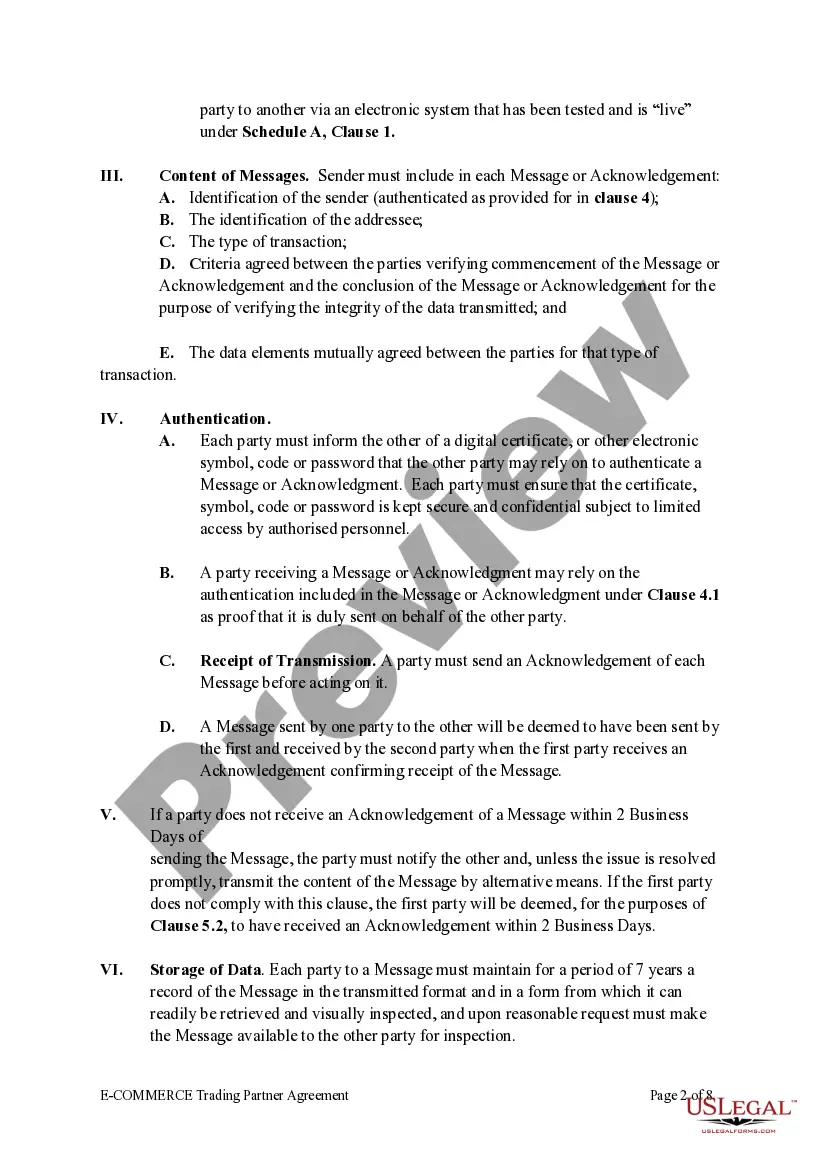
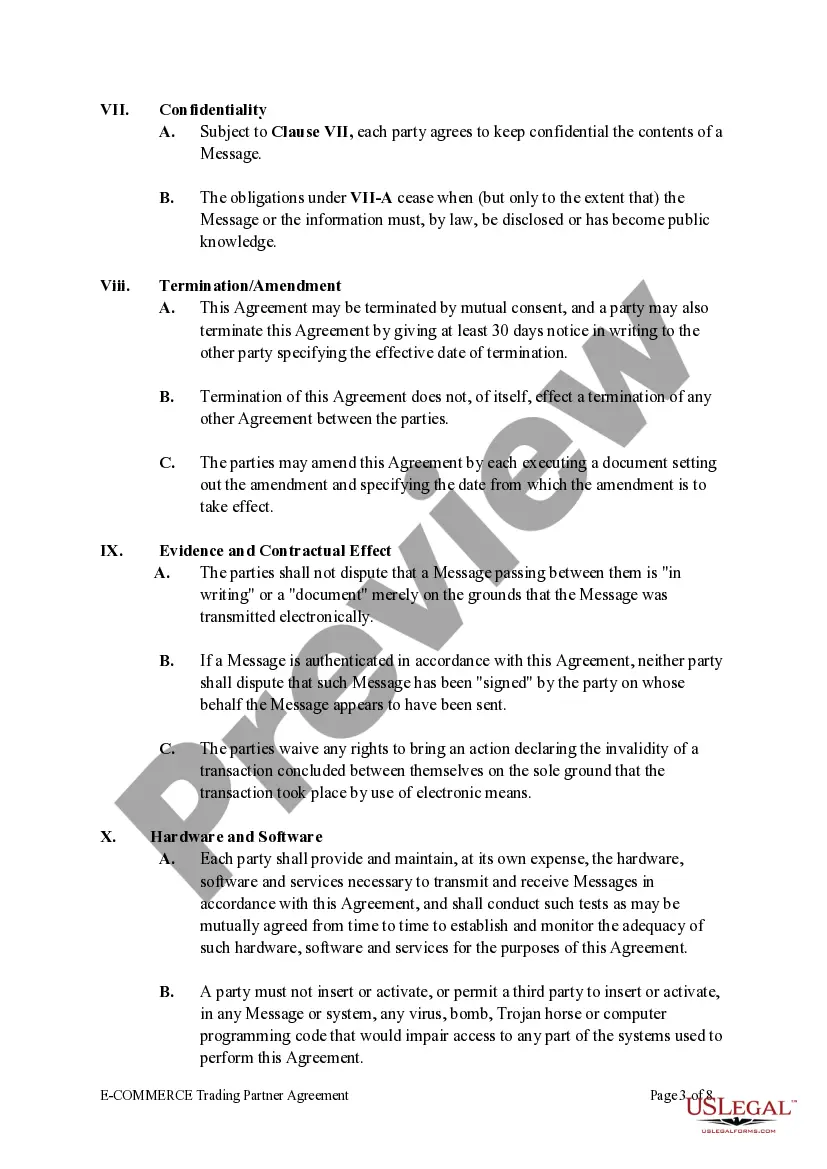
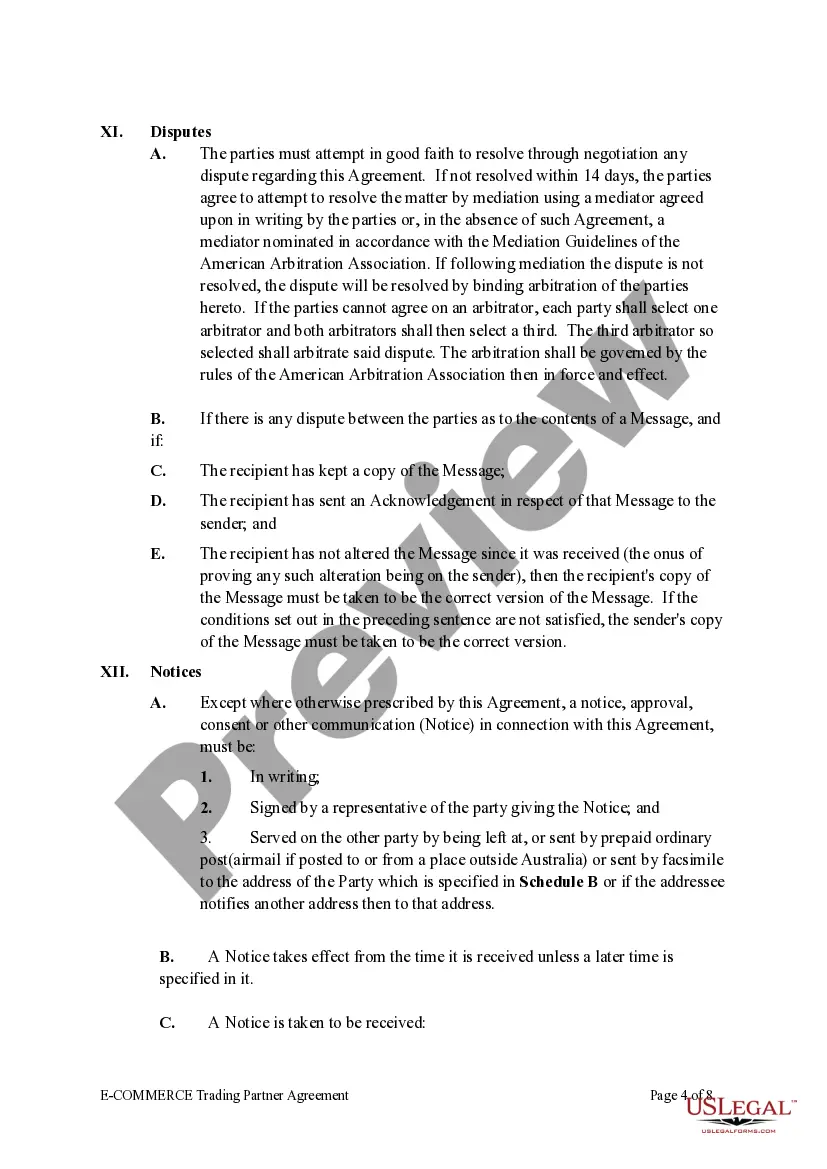
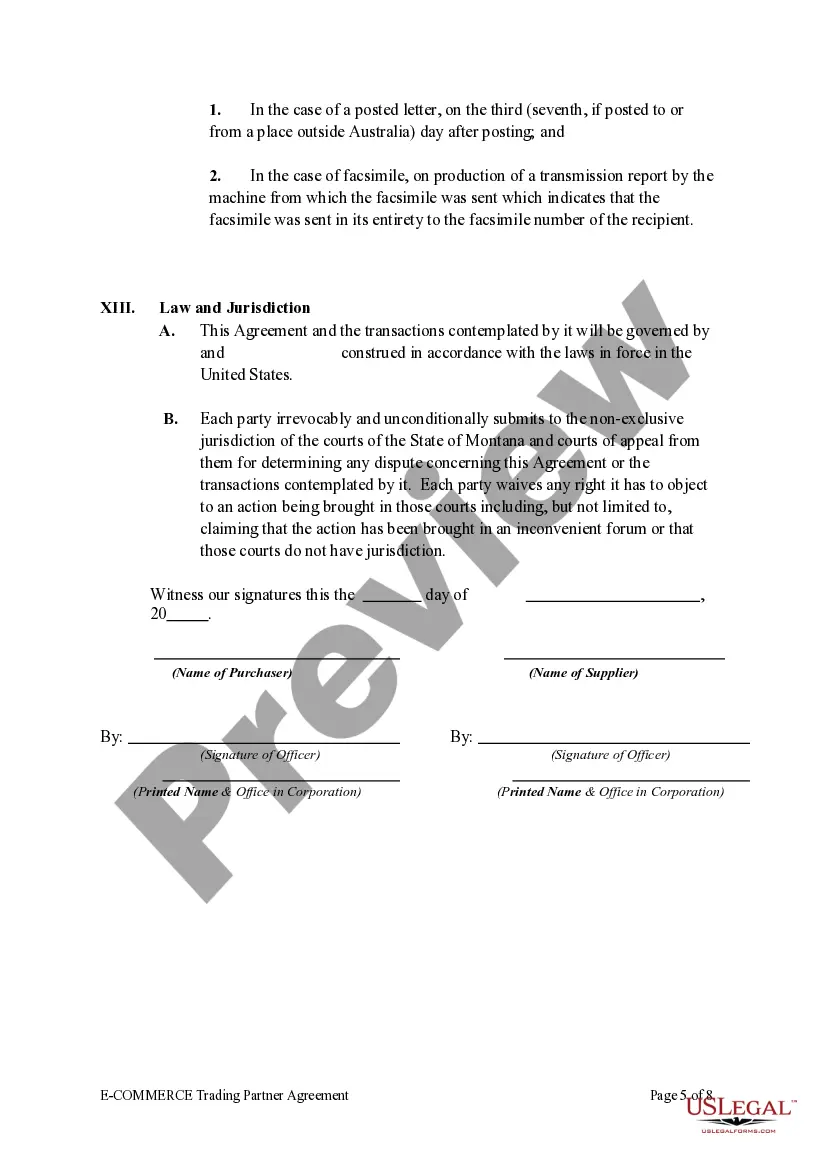
1.1 The Agreement on Electronic Commerce (the Agreement) is an agreement between a subset of Members of the WTO aimed at facilitating electronic commerce (e-commerce), ensuring an open environment for digital trade, and promoting trust in e-commerce.
