Indenture Vs Credit Agreement In Salt Lake
Description

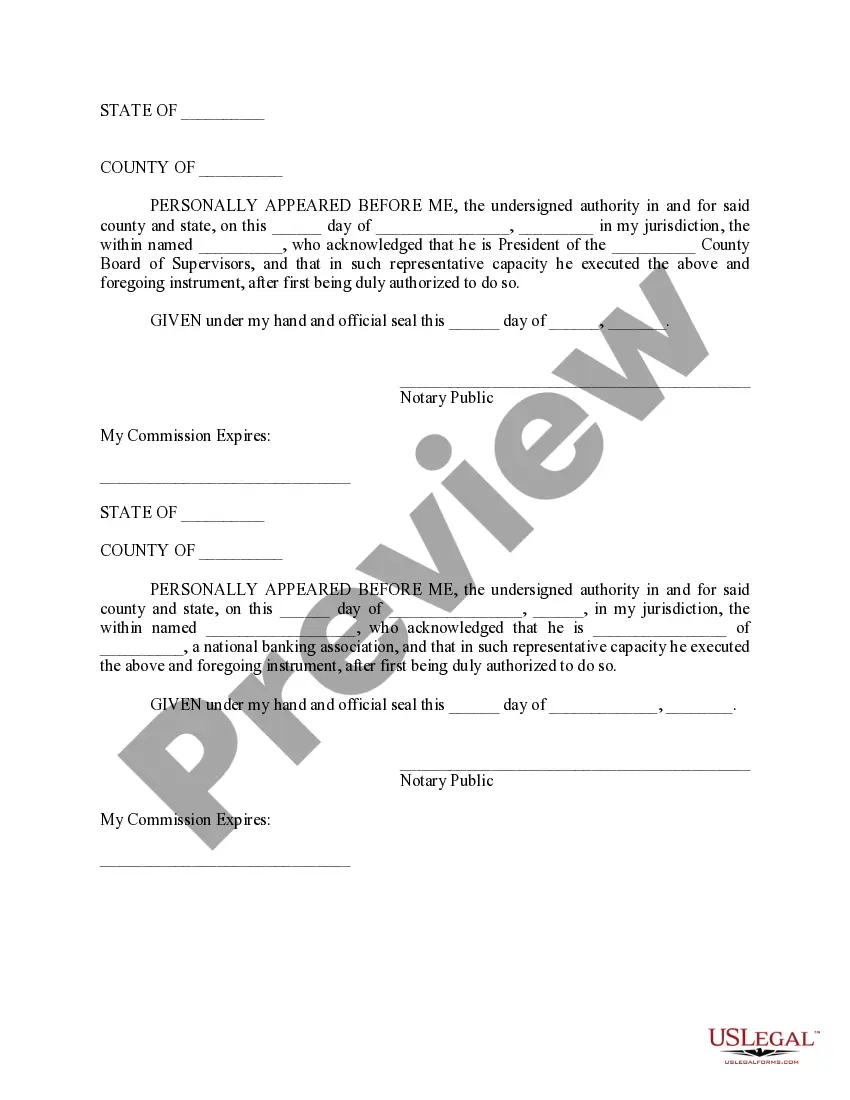
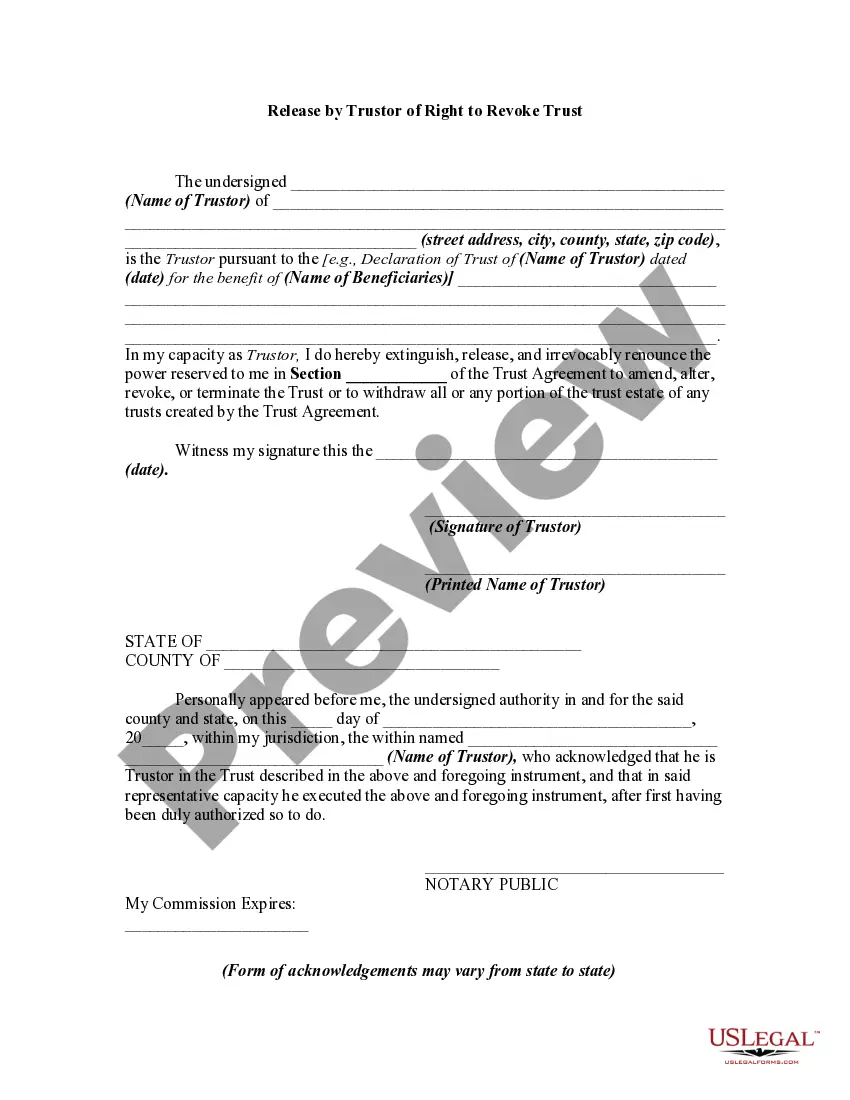
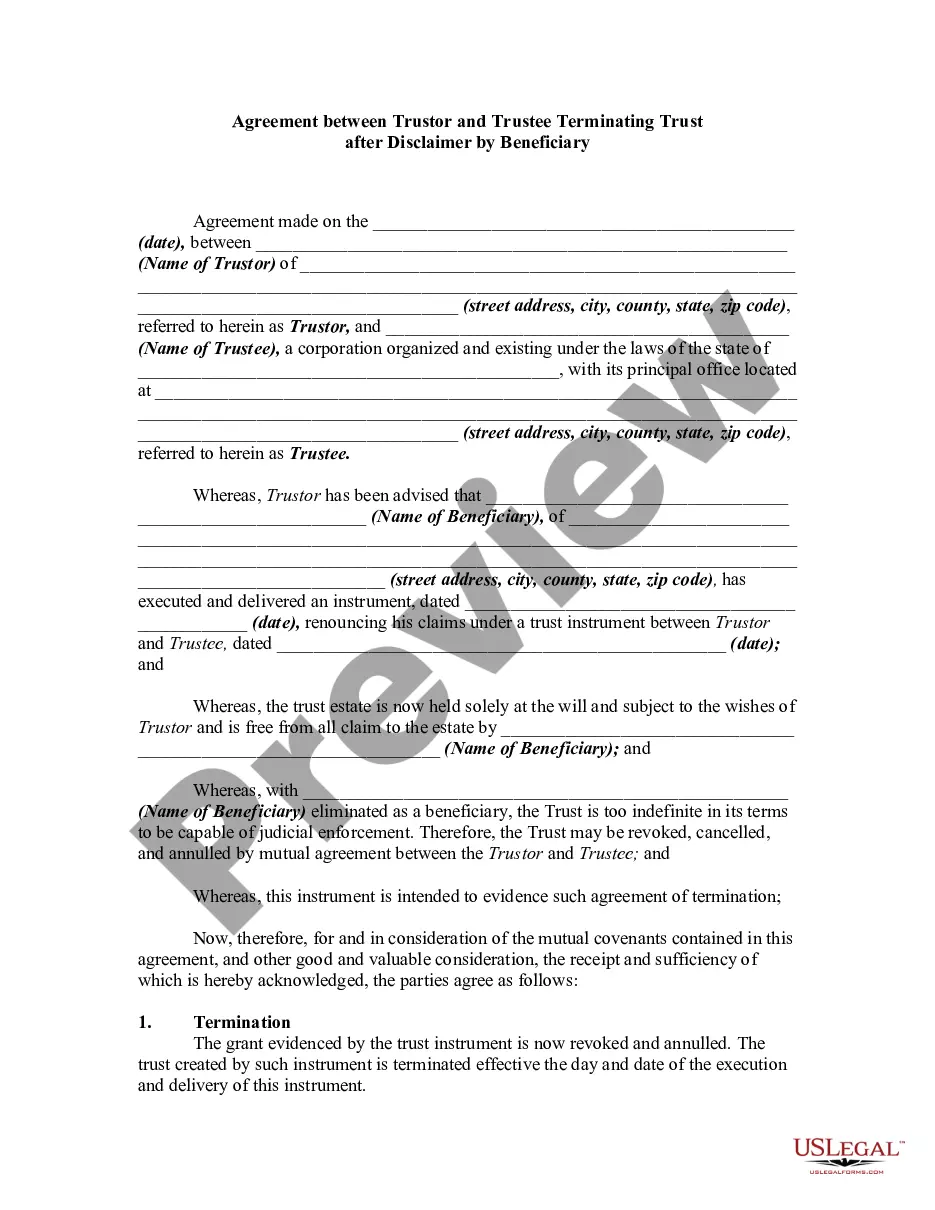
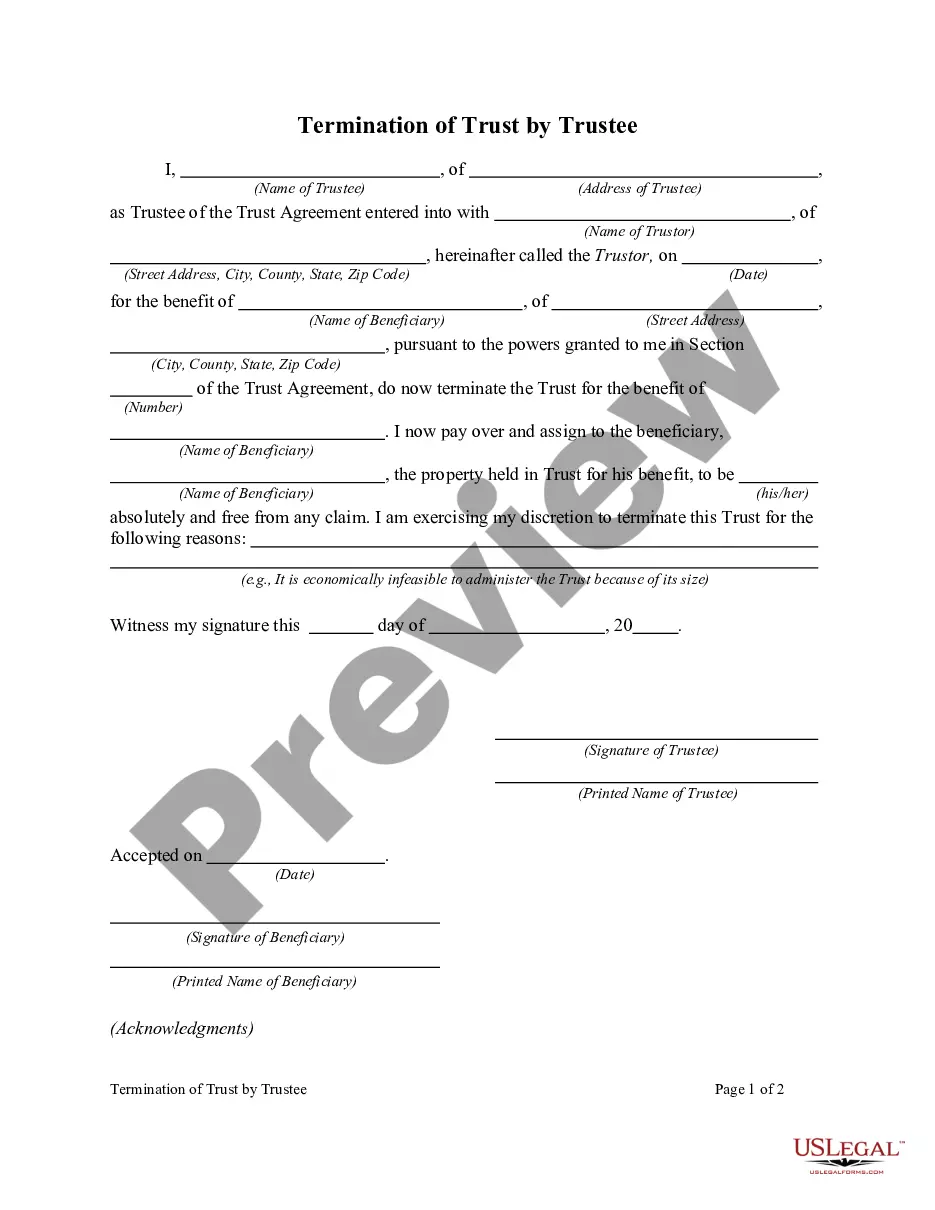
Get your form ready online
Our built-in tools help you complete, sign, share, and store your documents in one place.
Make edits, fill in missing information, and update formatting in US Legal Forms—just like you would in MS Word.
Download a copy, print it, send it by email, or mail it via USPS—whatever works best for your next step.
Sign and collect signatures with our SignNow integration. Send to multiple recipients, set reminders, and more. Go Premium to unlock E-Sign.
If this form requires notarization, complete it online through a secure video call—no need to meet a notary in person or wait for an appointment.
We protect your documents and personal data by following strict security and privacy standards.

Make edits, fill in missing information, and update formatting in US Legal Forms—just like you would in MS Word.

Download a copy, print it, send it by email, or mail it via USPS—whatever works best for your next step.

Sign and collect signatures with our SignNow integration. Send to multiple recipients, set reminders, and more. Go Premium to unlock E-Sign.

If this form requires notarization, complete it online through a secure video call—no need to meet a notary in person or wait for an appointment.

We protect your documents and personal data by following strict security and privacy standards.
Looking for another form?








Form popularity
FAQ
The credit agreement usually carries a term of five years or less; the indenture is usually seven to ten years in duration. The credit agreement can be, and often is, amended with some regularity; the indenture may only be amended by consent solicitation, which is costly and time consuming.
The other critical distinction between a credit agreement and a high yield indenture is the time horizon of the instrument and flexibility to amend it once issued. The credit agreement usually carries a term of five years or less; the indenture is usually seven to ten years in duration.
The terms of the Indenture are tailored to reflect the specific type of transaction and issuer. Like credit agreements,1 an Indenture contains lending and repayment terms. In contrast to credit agreements, however, the lender is not a party to an Indenture.
The terms of the Indenture are tailored to reflect the specific type of transaction and issuer. Like credit agreements,1 an Indenture contains lending and repayment terms. In contrast to credit agreements, however, the lender is not a party to an Indenture.
Lesson Summary. A bond indenture is a contract that describes information related specifically to the issuance or usage of bonds. The term is synonymous with a deed of trust, which is used in financial fields and other areas of business to offer protection to bond issuers and bondholders or investors.
An indenture is a particular formal contract or deed made between two or more parties. Beginning in medieval England, an indenture can be defined as a specific agreement within a contract noted with a specific duration or significance.
The two main differences between a mortgage and a deed of trust are: a mortgage involves two parties, while a deed of trust has three, and. mortgages are usually foreclosed judicially, while deeds of trust typically go through a nonjudicial foreclosure process (but not always).
What Is a Trust Indenture? A trust indenture is an agreement in a bond contract made between a bond issuer and a trustee that represents the bondholder's interests by highlighting the rules and responsibilities that each party must adhere to. It may also indicate where the income stream for the bond is derived from.
