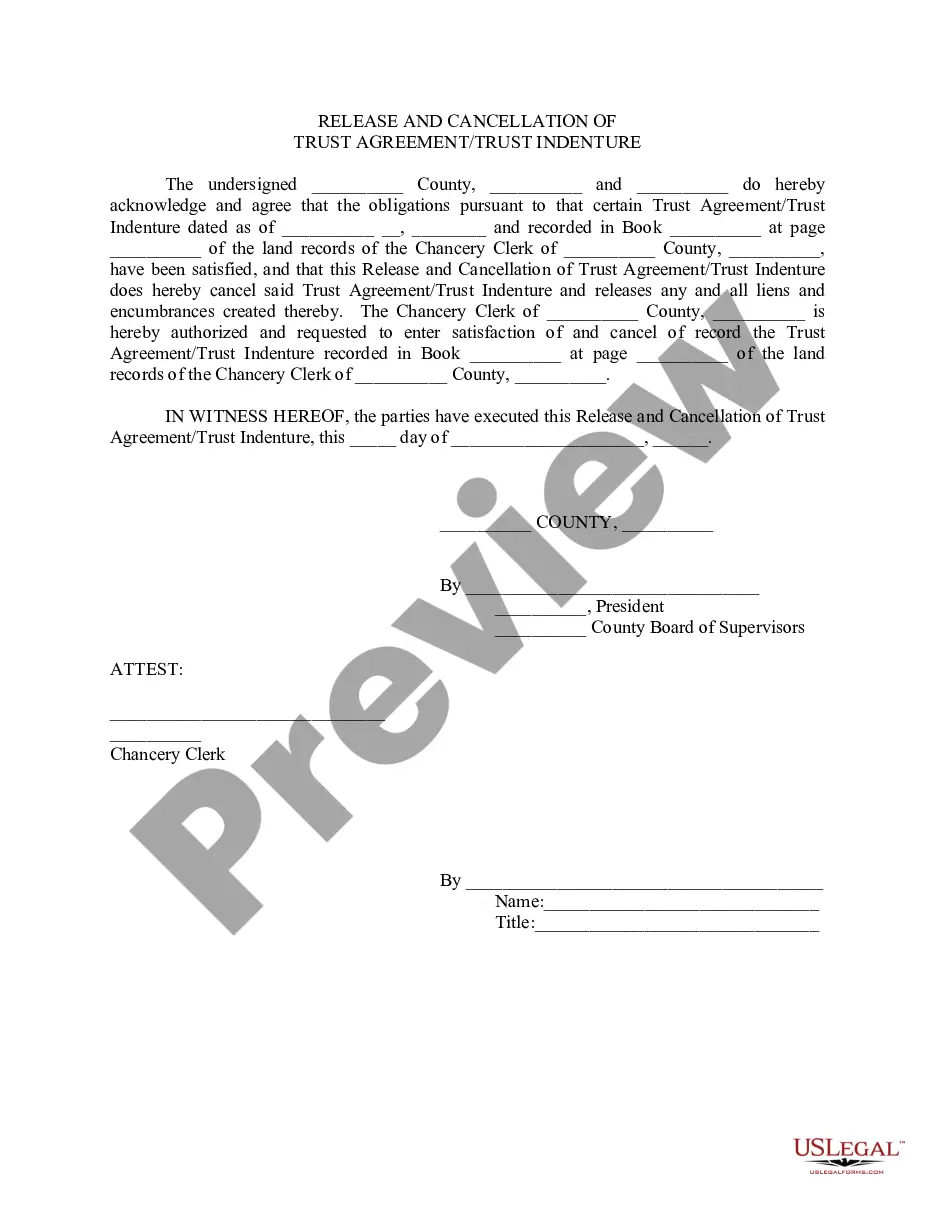
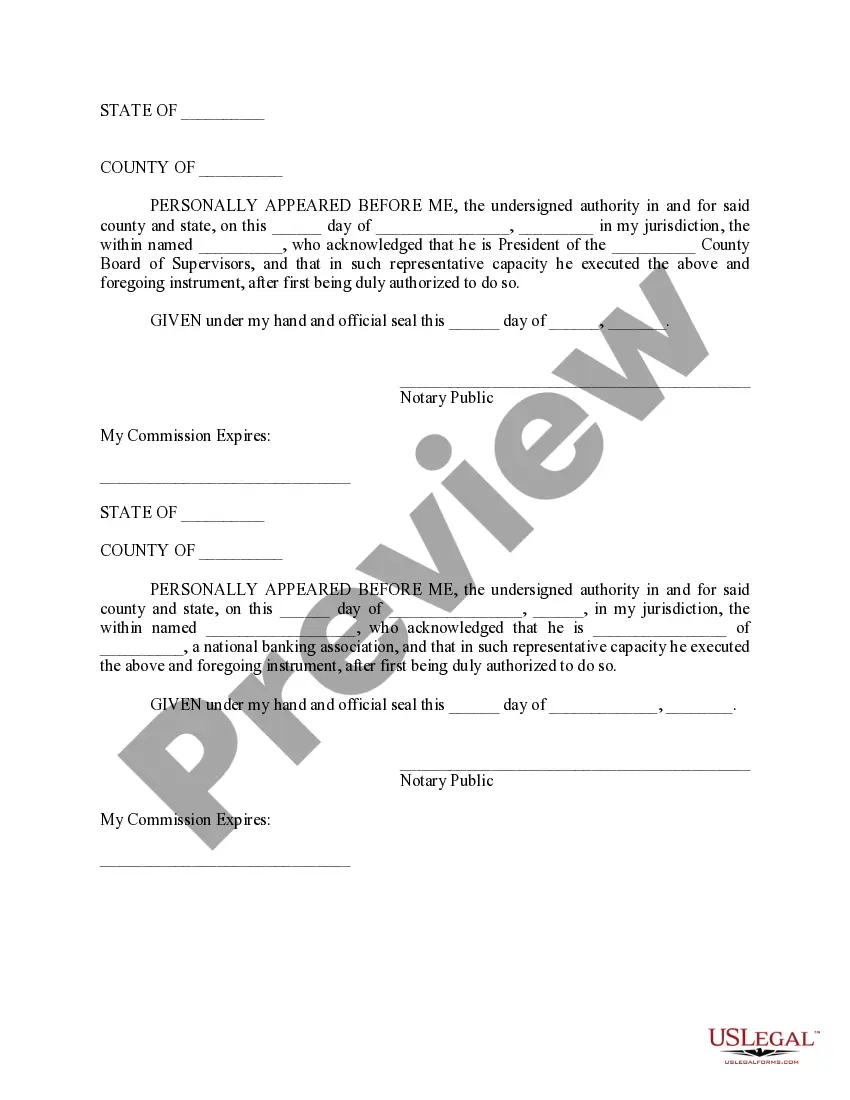
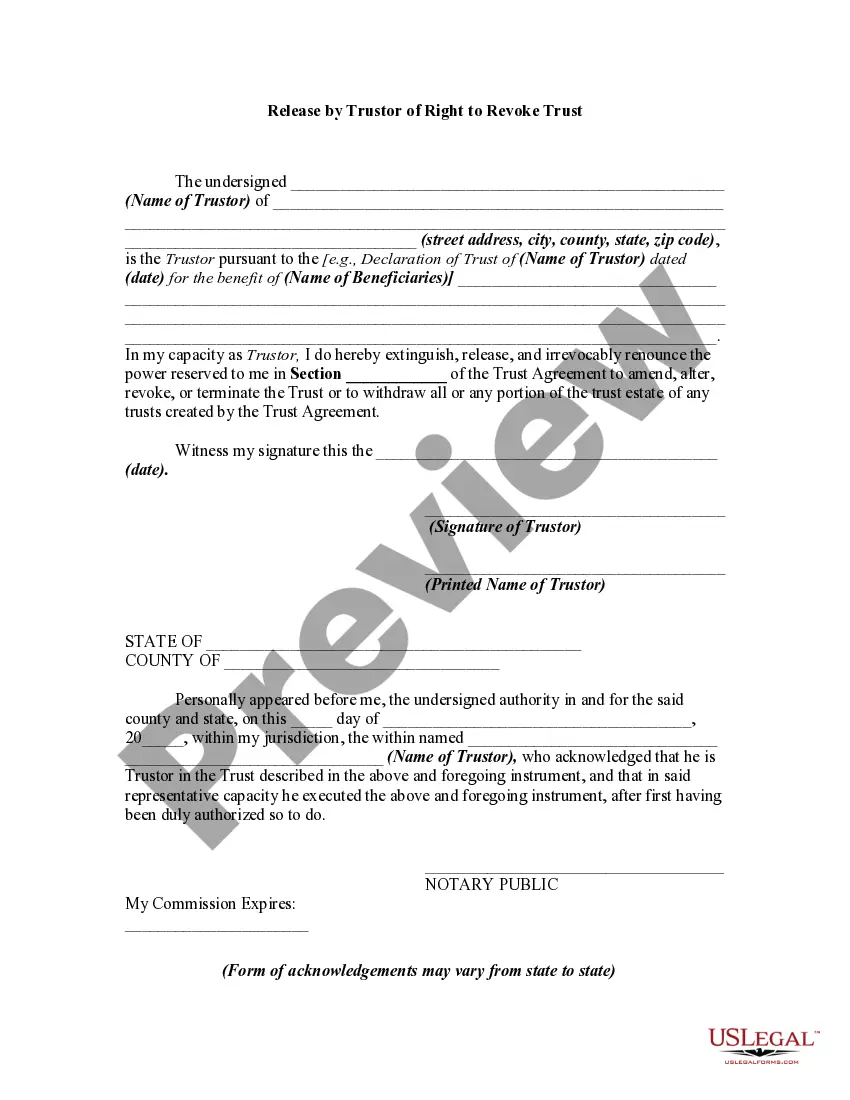
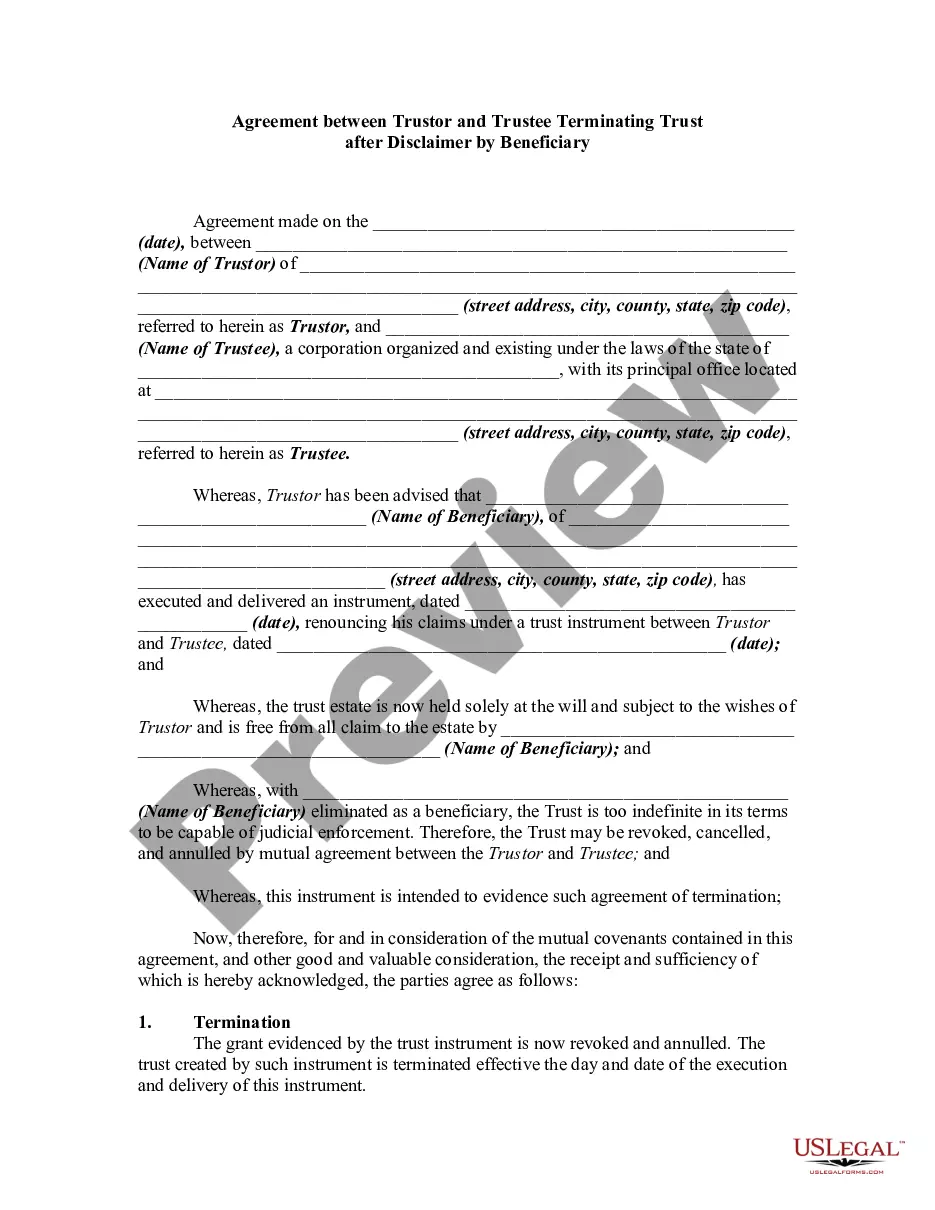
Indenture With Covenants In North Carolina
Description
Get your form ready online
Our built-in tools help you complete, sign, share, and store your documents in one place.
Make edits, fill in missing information, and update formatting in US Legal Forms—just like you would in MS Word.
Download a copy, print it, send it by email, or mail it via USPS—whatever works best for your next step.
Sign and collect signatures with our SignNow integration. Send to multiple recipients, set reminders, and more. Go Premium to unlock E-Sign.
If this form requires notarization, complete it online through a secure video call—no need to meet a notary in person or wait for an appointment.
We protect your documents and personal data by following strict security and privacy standards.

Make edits, fill in missing information, and update formatting in US Legal Forms—just like you would in MS Word.

Download a copy, print it, send it by email, or mail it via USPS—whatever works best for your next step.

Sign and collect signatures with our SignNow integration. Send to multiple recipients, set reminders, and more. Go Premium to unlock E-Sign.

If this form requires notarization, complete it online through a secure video call—no need to meet a notary in person or wait for an appointment.

We protect your documents and personal data by following strict security and privacy standards.
Looking for another form?







Form popularity
FAQ
In many states, covenants only last 30 years, becoming unenforceable after they expire. However, North Carolina isn't one of these states.
If not, a duration of 1-2 years is normally the outer range of reasonableness for most non-competition and non-solicitation restrictions. ingly, if, for example, a restrictive covenant between employer and employee includes a five-year term, the covenant is unlikely to be deemed enforceable by a court.
Some restrictive covenants have sunset provisions by their own terms, meaning they automatically end after a certain period of time. More frequently, the restrictive covenants have no end date, and in theory last forever until the owners of the affected parcels decide to terminate them by mutual agreement.
Covenants can be unenforceable if they expire, if there is a history of the covenant being violated, or if there is no individual or group benefiting from them. Otherwise, they are generally enforceable and you could face legal action if you ignore them.
Condominiums in California, for one, must obtain 100 percent written consent of all the owners to reimpose expired covenants. In addition to that, the condominium must also obtain 100 percent written consent from all the mortgage lenders. This is not only time-consuming but also incredibly difficult to achieve.
All bond covenants are part of a bond's legal documentation and are part of corporate bonds and government bonds. A bond's indenture is the portion that contains the covenants, both positive and negative, and is enforceable throughout the entire life of the bond until maturity.
For instance, under California law, extensions are deemed invalid if they exceed the length of the initial term of the CC&Rs or 20 years, whichever is less.
In North Carolina, there's a noteworthy aspect of restrictive covenants to consider; most covenants automatically expire after 30 years unless they are specifically for residential purposes only. This statutory limitation is a safeguard against outdated or unreasonable restrictions binding properties in perpetuity.
(7) The term ''indenture'' means any mortgage, deed of trust, trust or other indenture, or similar instrument or agree- ment (including any supplement or amendment to any of the foregoing), under which securities are outstanding or are to be issued, whether or not any property, real or personal, is, or is to be, ...
