Difference Between Land Title And Indenture In Miami-Dade
Description

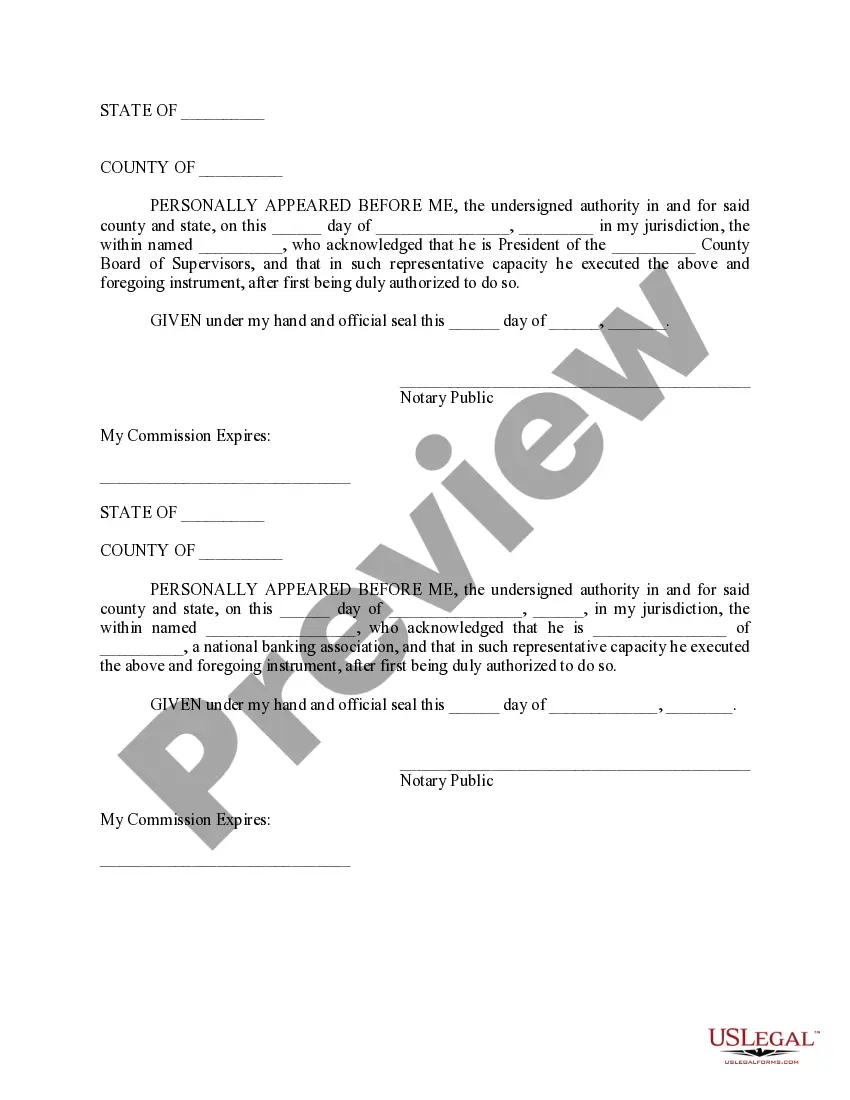
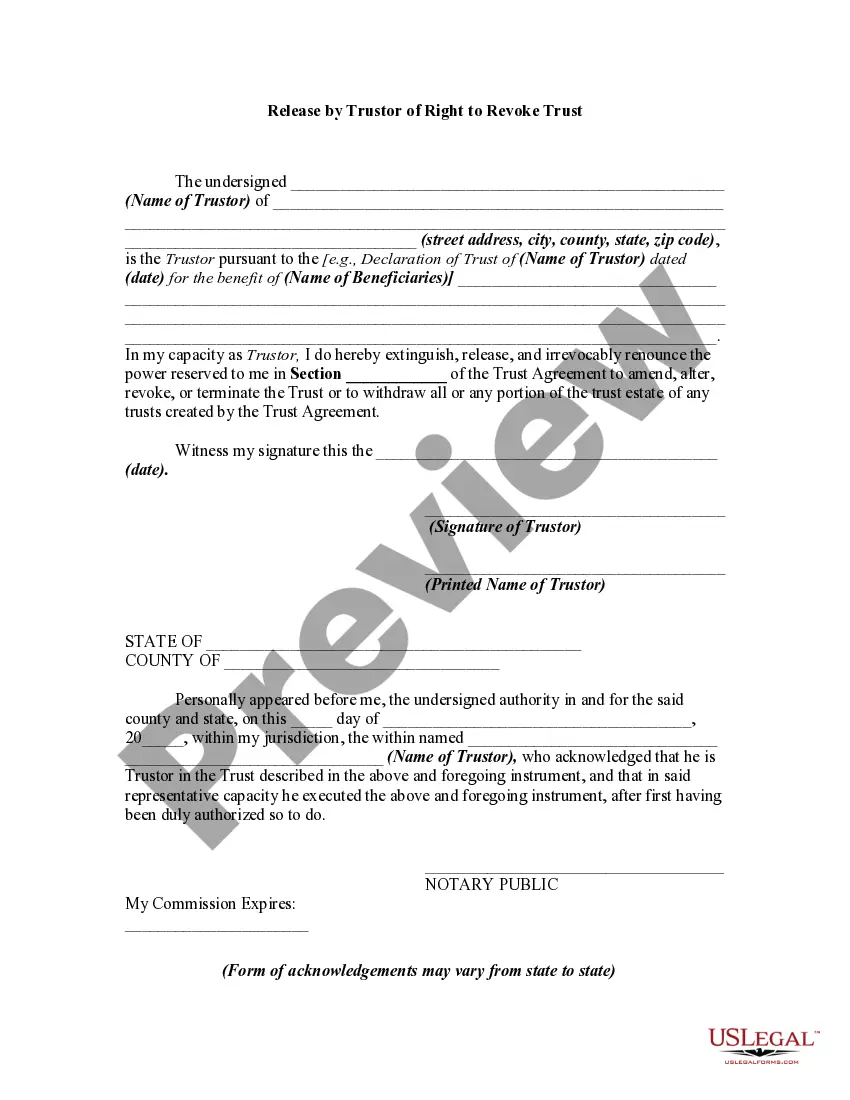
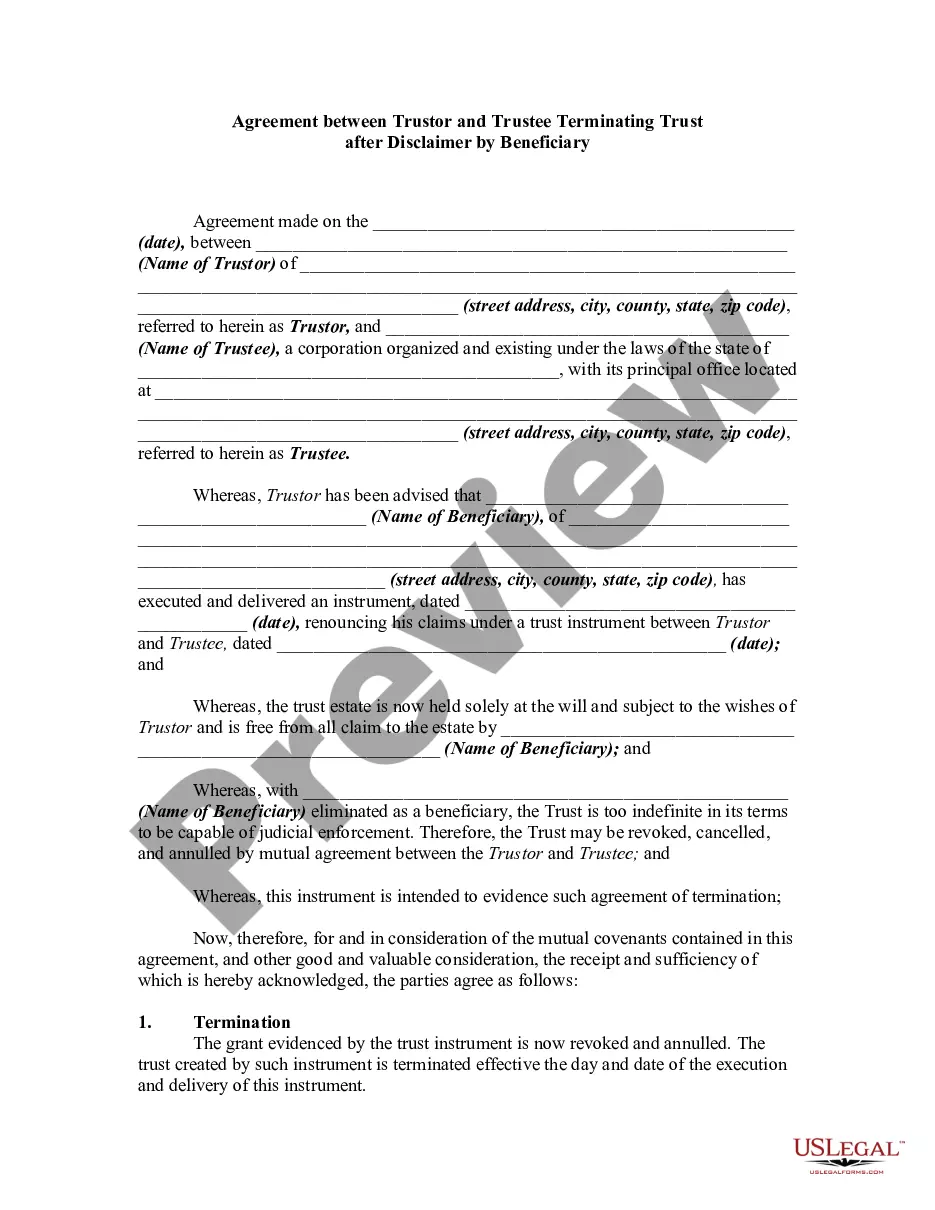
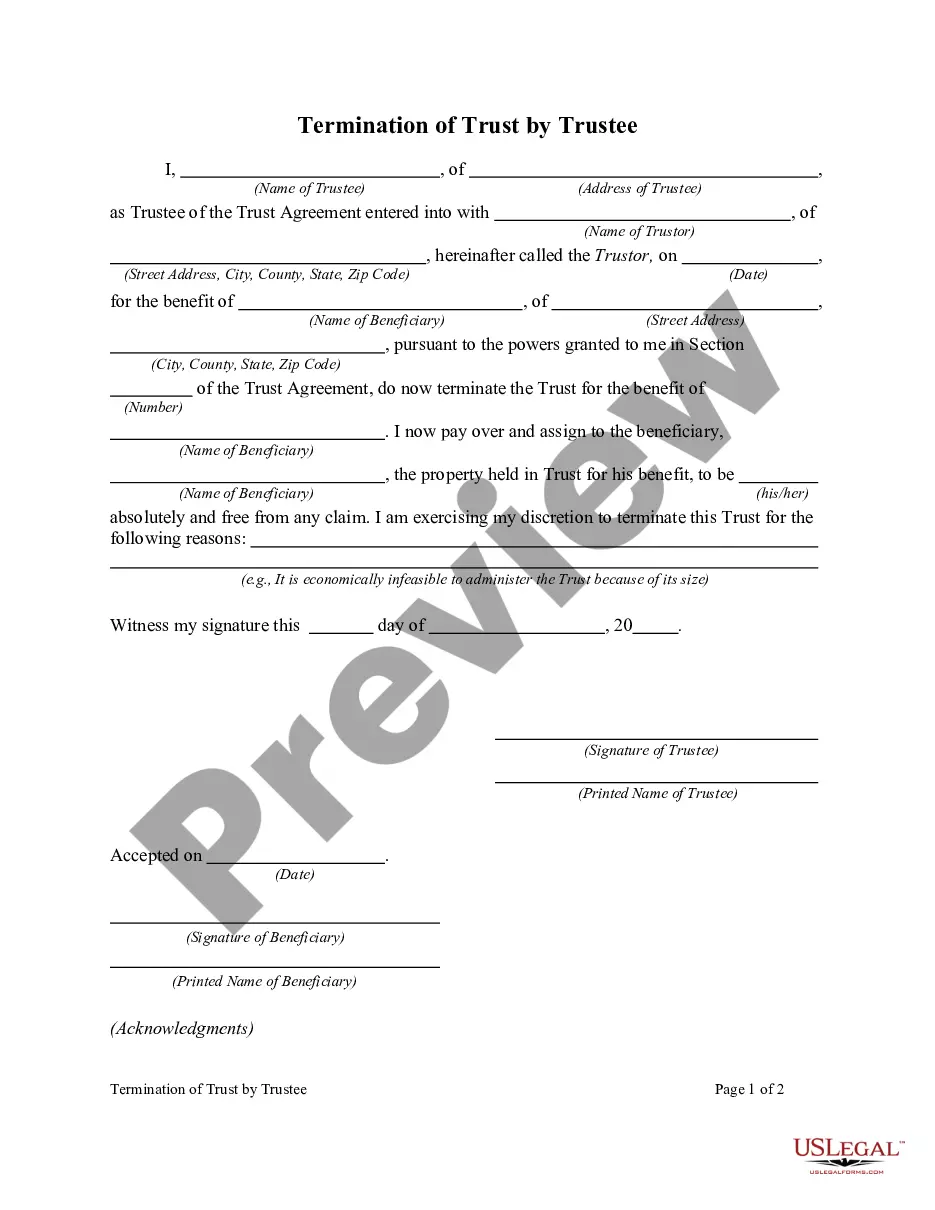
Get your form ready online
Our built-in tools help you complete, sign, share, and store your documents in one place.
Make edits, fill in missing information, and update formatting in US Legal Forms—just like you would in MS Word.
Download a copy, print it, send it by email, or mail it via USPS—whatever works best for your next step.
Sign and collect signatures with our SignNow integration. Send to multiple recipients, set reminders, and more. Go Premium to unlock E-Sign.
If this form requires notarization, complete it online through a secure video call—no need to meet a notary in person or wait for an appointment.
We protect your documents and personal data by following strict security and privacy standards.

Make edits, fill in missing information, and update formatting in US Legal Forms—just like you would in MS Word.

Download a copy, print it, send it by email, or mail it via USPS—whatever works best for your next step.

Sign and collect signatures with our SignNow integration. Send to multiple recipients, set reminders, and more. Go Premium to unlock E-Sign.

If this form requires notarization, complete it online through a secure video call—no need to meet a notary in person or wait for an appointment.

We protect your documents and personal data by following strict security and privacy standards.
Looking for another form?




Form popularity
FAQ
You have three options for recording your documents in the Official Records: You can bring your original documents in person, along with the appropriate fees, and a self-addressed stamped envelope to the Miami-Dade County Courthouse. You can eRecord your document through one of our approved vendors.
No, a warranty deed does not prove ownership. A title search is the best way to prove that a grantor rightfully owns a property. The warranty deed is a legal document that offers the buyer protection. In other words, the property title and warranty deed work in tandem together.
Most current deeds fall into one of four categories: 1) General Warranty, 2) Special Warranty, 3) Quit Claim deed, and 4) Bargain and Sale deed. General Warranty Deed — The General Warranty deed is often referred to simply as a warranty deed.
A deed is evidence of a specific event of transferring the title of the property from one person to another. A title is the legal right to use and modify the property how you see fit, or transfer interest or any portion that you own to others via a deed. A deed represents the right of the owner to claim the property.
While a warranty deed and title insurance are similar, they serve different purposes. A warranty deed shows that there are no claims to the property. A title insurance policy, though, offers protection from financial loss associated with ownership issues, and transfers any such risks to the insurance company.
No, a warranty deed does not prove ownership. A title search is the best way to prove that a grantor rightfully owns a property. The warranty deed is a legal document that offers the buyer protection. In other words, the property title and warranty deed work in tandem together.
A certificate of title in either electronic or paper form is the proof of ownership of a vehicle, mobile home, or vessel in the state of Florida. Most vehicles, mobile homes, or vessels are required to be titled, with the exception of mopeds, motorized bicycles, and trailers weighing less than 2,000 pounds.
Is A Deed Better Than A Title? When you buy a home, you need both the deed and the title; one isn't better than the other. The title is the concept of legal ownership while the deed is the document that proves ownership.
Deed in Florida – Explaining the Concept At the closing process, both the buyer and the seller must sign the deed to settle the real estate transaction. Unlike the title, the deed is a physical document that must be kept in a safe place by the buyer.
While the certificate of title is an opinion of status and doesn't guarantee ownership, the deed is a document used when there is a transfer of property from a seller to a buyer. By issuing a deed, the seller transfers the interest to the buyer, also known as the grantor.
