Indenture For Land In Maryland
Description

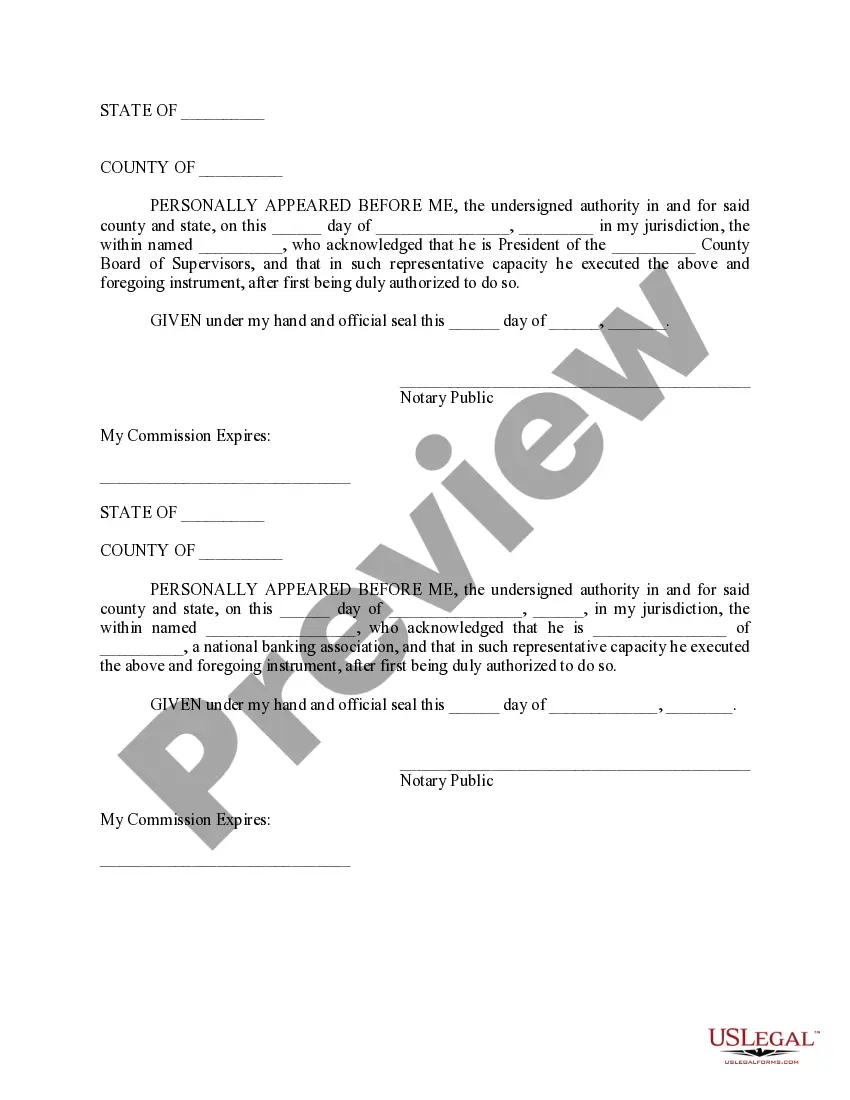
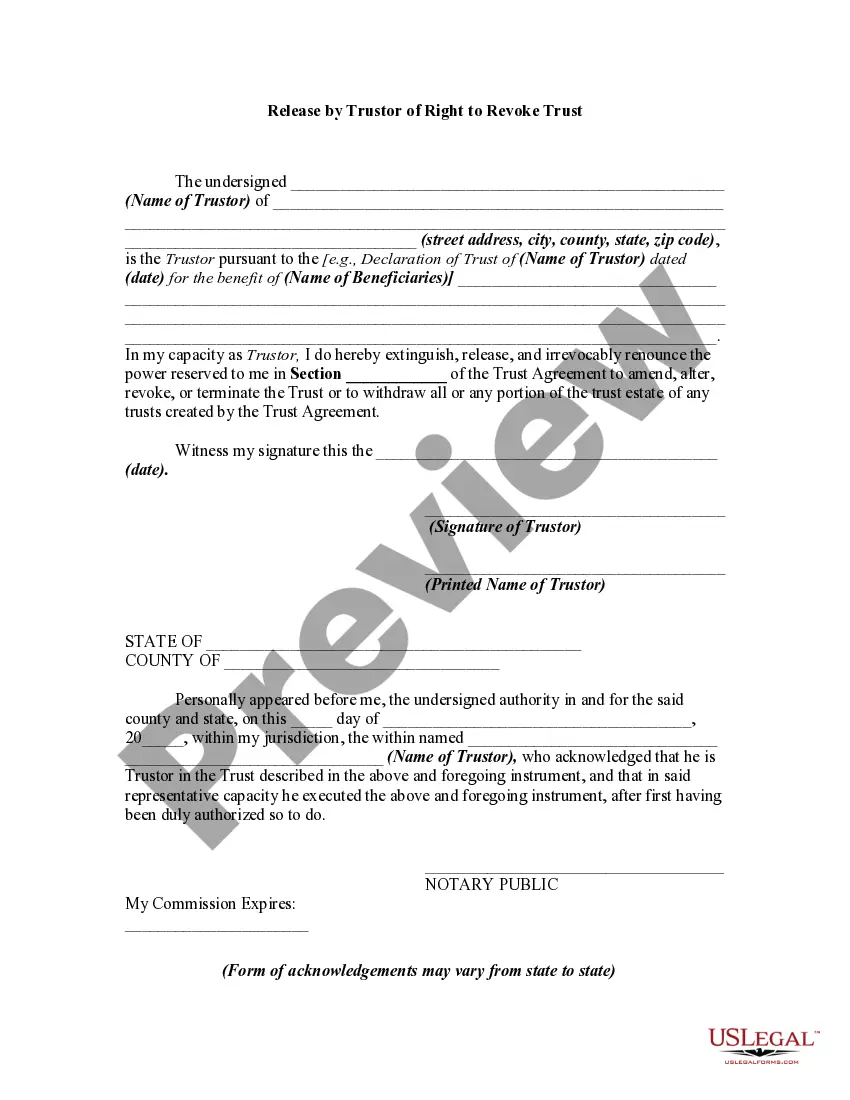
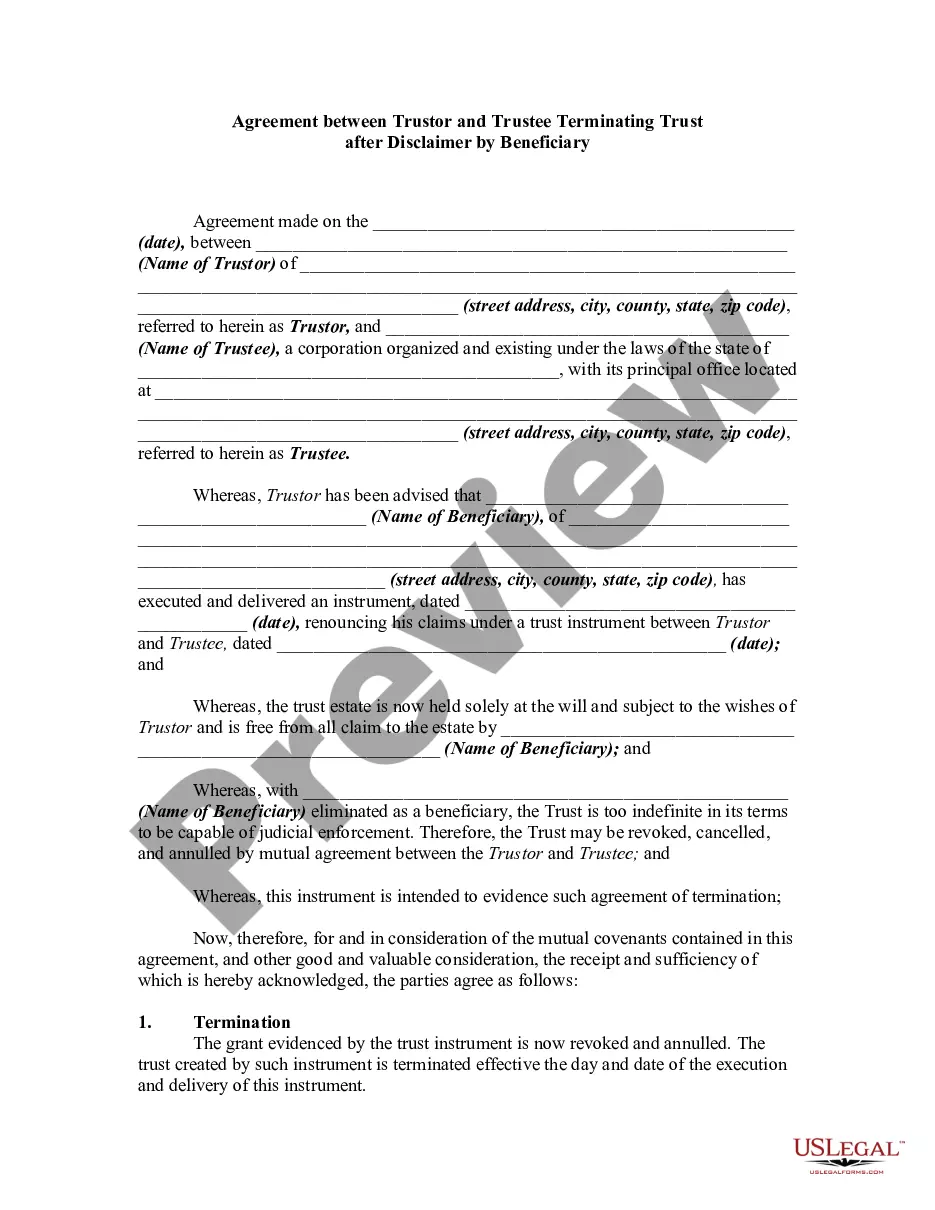
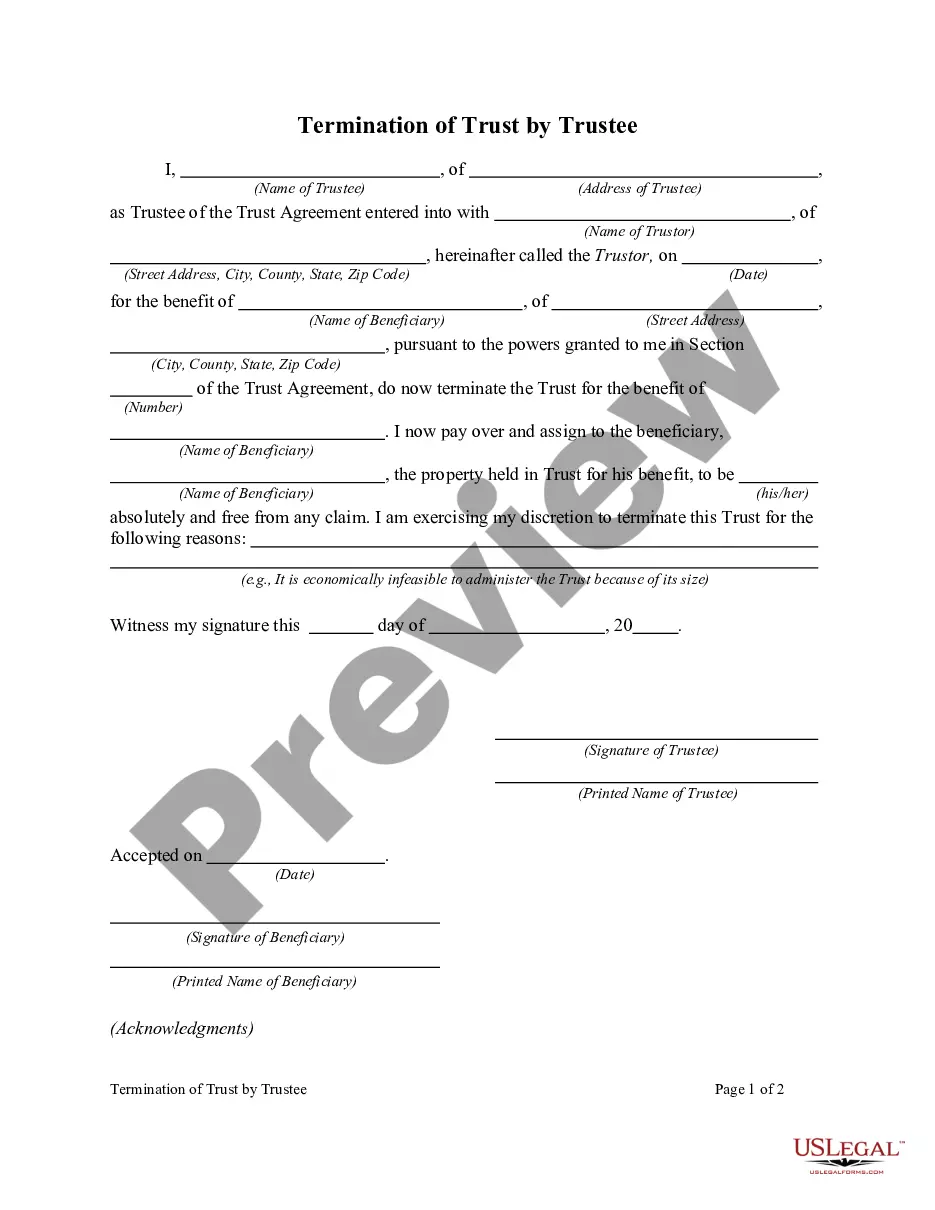
Get your form ready online
Our built-in tools help you complete, sign, share, and store your documents in one place.
Make edits, fill in missing information, and update formatting in US Legal Forms—just like you would in MS Word.
Download a copy, print it, send it by email, or mail it via USPS—whatever works best for your next step.
Sign and collect signatures with our SignNow integration. Send to multiple recipients, set reminders, and more. Go Premium to unlock E-Sign.
If this form requires notarization, complete it online through a secure video call—no need to meet a notary in person or wait for an appointment.
We protect your documents and personal data by following strict security and privacy standards.

Make edits, fill in missing information, and update formatting in US Legal Forms—just like you would in MS Word.

Download a copy, print it, send it by email, or mail it via USPS—whatever works best for your next step.

Sign and collect signatures with our SignNow integration. Send to multiple recipients, set reminders, and more. Go Premium to unlock E-Sign.

If this form requires notarization, complete it online through a secure video call—no need to meet a notary in person or wait for an appointment.

We protect your documents and personal data by following strict security and privacy standards.
Looking for another form?







Form popularity
FAQ
Land patents, common in the 19th century, were direct conveyances of property from the federal government to settlers during westward expansion. They are not to be confused with deeds, which refer to subsequent transfers of the property and are now are much better known.
How to Obtain a Land Patent Step 1: Prove Your Ownership Through a Deed. The first step is to gather sufficient evidence to prove your land ownership. Step 2: Confirm the Property Location. Step 3: Get the Legal Copy of the Land Patent. Step 4: Publicly File Your Patent.
A land patent is a land grant from Lord Baltimore or later from the State of Maryland to a person. Originally written on parchment, it is the first instrument of conveyance for the land. If a patentee sold the land or a portion of it, the transaction was noted on the back of the original patent.
There are four steps, or elements, to filing a land patent. Prove you own the land. You must produce adequate evidence that you own the rights to the property in question. Describe and confirm the location of the property. Obtain the land patent. File your patent publicly (optional)
While land patents are still issued by governments to indicate property is privately held, they are also often used by sovereign citizens and similar groups in illegitimate attempts to gain unlawful possession of property, or avoid taxes and foreclosure.
If you were hoping to obtain an allodial title to avoid taxes or governmental regulations, this won't be possible under Maryland law.
The Patent Process Step 1: Obtaining a Warrant to survey. A warrant is issued to a surveyor by the Land Office and contains a general description of the area and acreage to be surveyed. Step 2: Having the Land Surveyed. (optional) The Caveat Process. Step 4: Patenting the Land. Tract maps in MSA collections
For example, the following property is not subject to probate in Maryland: Real estate jointly owned. Property placed in a trust. Retirement accounts with designated beneficiaries. Life Insurance with designated beneficiaries.
Generally, if an individual dies with assets in his or her sole name, probate will be required. In addition, even if an individual dies with an original last will and testament and no assets in his or her sole name, the original will must be filed with the Register of Wills office.
A probate attorney can help you determine if the estate needs to go through the probate process. Regular Estate - property of the decedent subject to administration in Maryland is es- tablished to have a value in excess of $50,000 (in excess of $100,000 if spouse is sole heir).
