Sentence With Indenture In California
Description
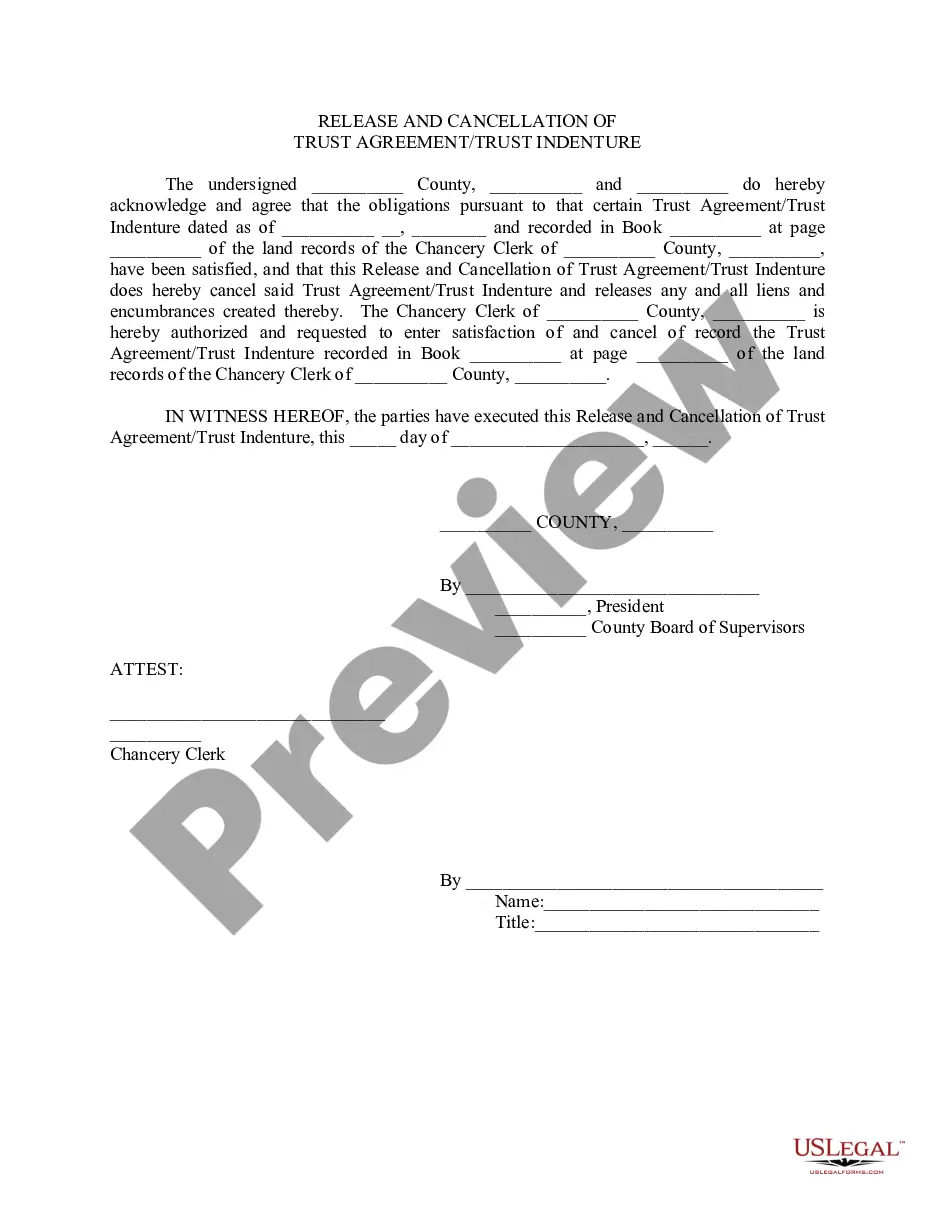
Get your form ready online
Our built-in tools help you complete, sign, share, and store your documents in one place.
Make edits, fill in missing information, and update formatting in US Legal Forms—just like you would in MS Word.
Download a copy, print it, send it by email, or mail it via USPS—whatever works best for your next step.
Sign and collect signatures with our SignNow integration. Send to multiple recipients, set reminders, and more. Go Premium to unlock E-Sign.
If this form requires notarization, complete it online through a secure video call—no need to meet a notary in person or wait for an appointment.
We protect your documents and personal data by following strict security and privacy standards.

Make edits, fill in missing information, and update formatting in US Legal Forms—just like you would in MS Word.

Download a copy, print it, send it by email, or mail it via USPS—whatever works best for your next step.

Sign and collect signatures with our SignNow integration. Send to multiple recipients, set reminders, and more. Go Premium to unlock E-Sign.

If this form requires notarization, complete it online through a secure video call—no need to meet a notary in person or wait for an appointment.

We protect your documents and personal data by following strict security and privacy standards.
Looking for another form?










Form popularity
FAQ
In federal court you will have to serve 85% of your sentence if convicted of federal charges. Thus, if you are sentenced to 10 years in prison, you will actually serve 8.5 years in prison. However, for most state felony convictions, you will only serve 50% of your actual sentence.
The general rule is that a defendant serves 50 percent of his or her sentence while in prison. (Pen. Code §2933.)
Petition to Modify a Sentence Any person who has been convicted and sentenced can file a “motion for resentencing” (MFR) seeking to modify the terms of their sentence. The petitioner may seek to have the sentence reduced or modified.
Penal Code § 1172.1 provides the mechanism for resentencing in cases where the original sentence is no longer in the interest of justice or was disproportionately harsh. It empowers the court to recall a sentence and resentence an inmate if it finds that the original sentencing was excessive.
In California, the time you serve in prison or jail depends on various factors, including the specific offense you were convicted of, your criminal history, and your behavior while incarcerated. California uses a complex “good time credits” and “work time credits” system to determine how much of your sentence you will ...
After the 120 days pass, the judge can no longer on its own resentence defendant, but must receive a recommendation to resentence defendant from the secretary of the Board of Parole Hearings (when defendant is in state prison), the county correctional administrator (when defendant is in county jail), the district ...
Every year a rumor goes around the federal prison system that some law was changed reducing sentences for federal inmates, but the fact is the law has not changed. The federal law still requires the inmate to serve 85% minimum of their sentence before being eligible for parole/release.
The general rule is that a defendant serves 50 percent of his or her sentence while in prison. (Pen. Code §2933.) However, if the current offense is listed as a “violent felony” in Penal Code §667.5(c), the defendant serves 85 percent of the prison sentence.
Judges give concurrent sentences when the defendant is to serve multiple sentences, often for related crimes or the crimes of the same incident.
Concurrent sentences are prison terms that are served at the same time. Serving consecutive sentences means more time in prison. They are a factor if you are convicted of multiple crimes. California judges have lots of discretion in which type of sentence to impose.
