Indenture For Sale In Allegheny
Description

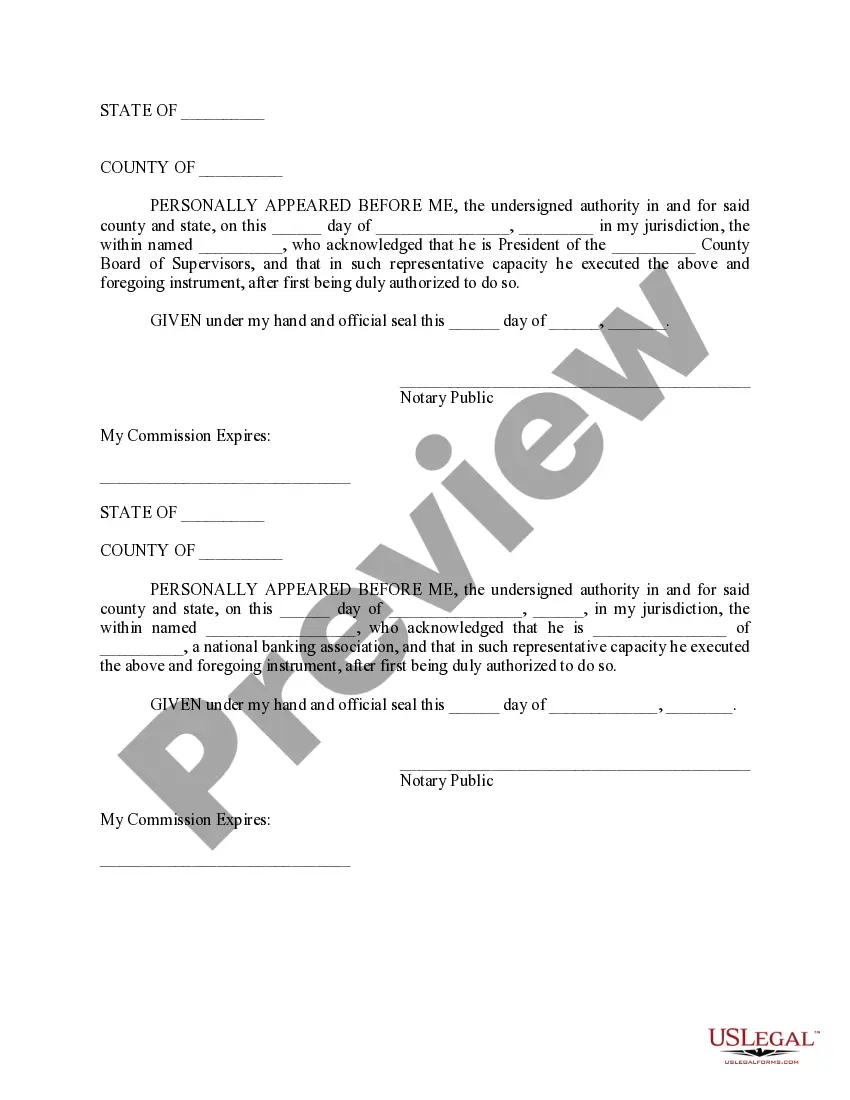
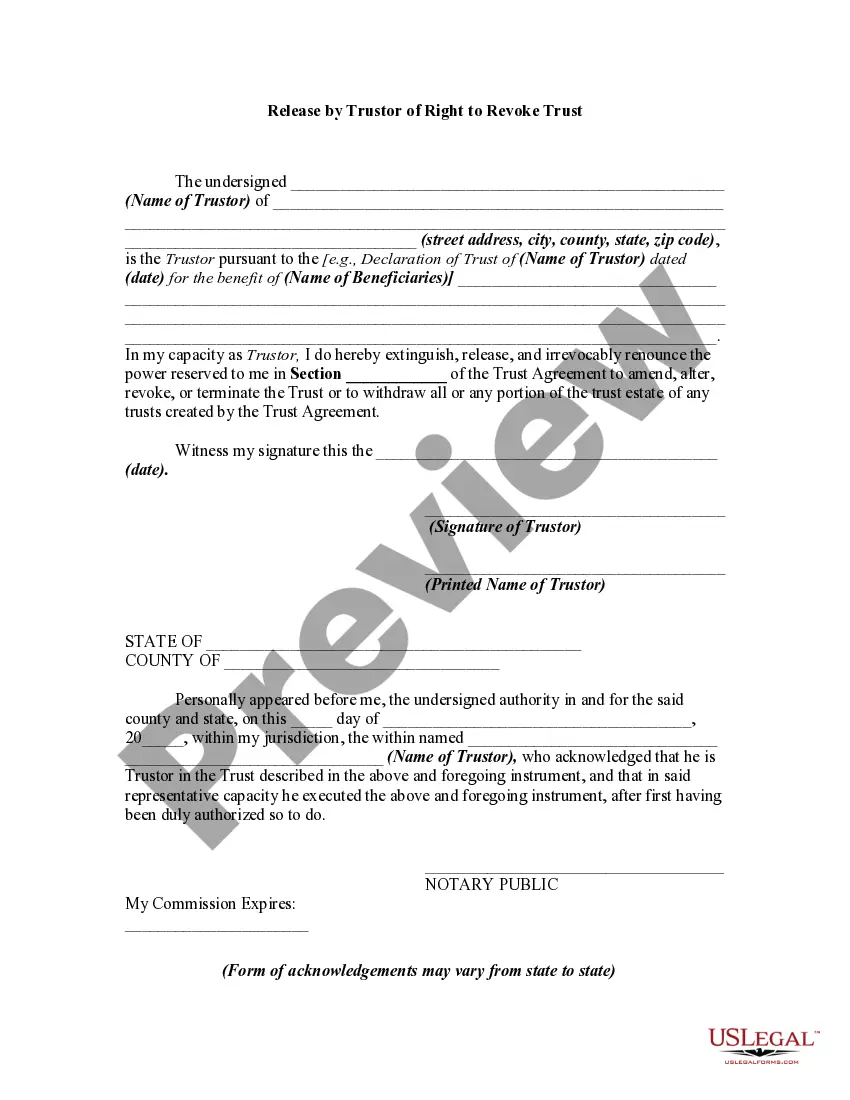
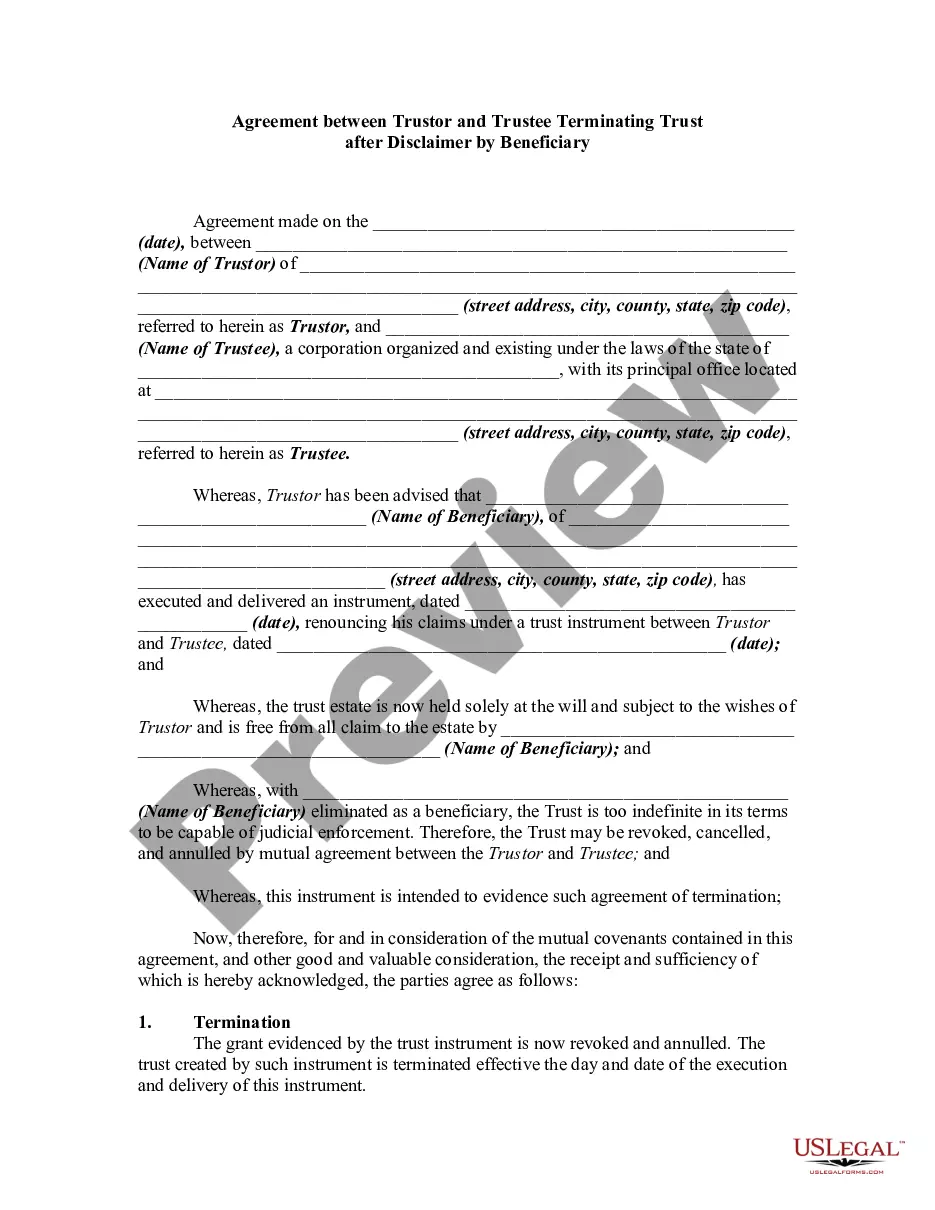
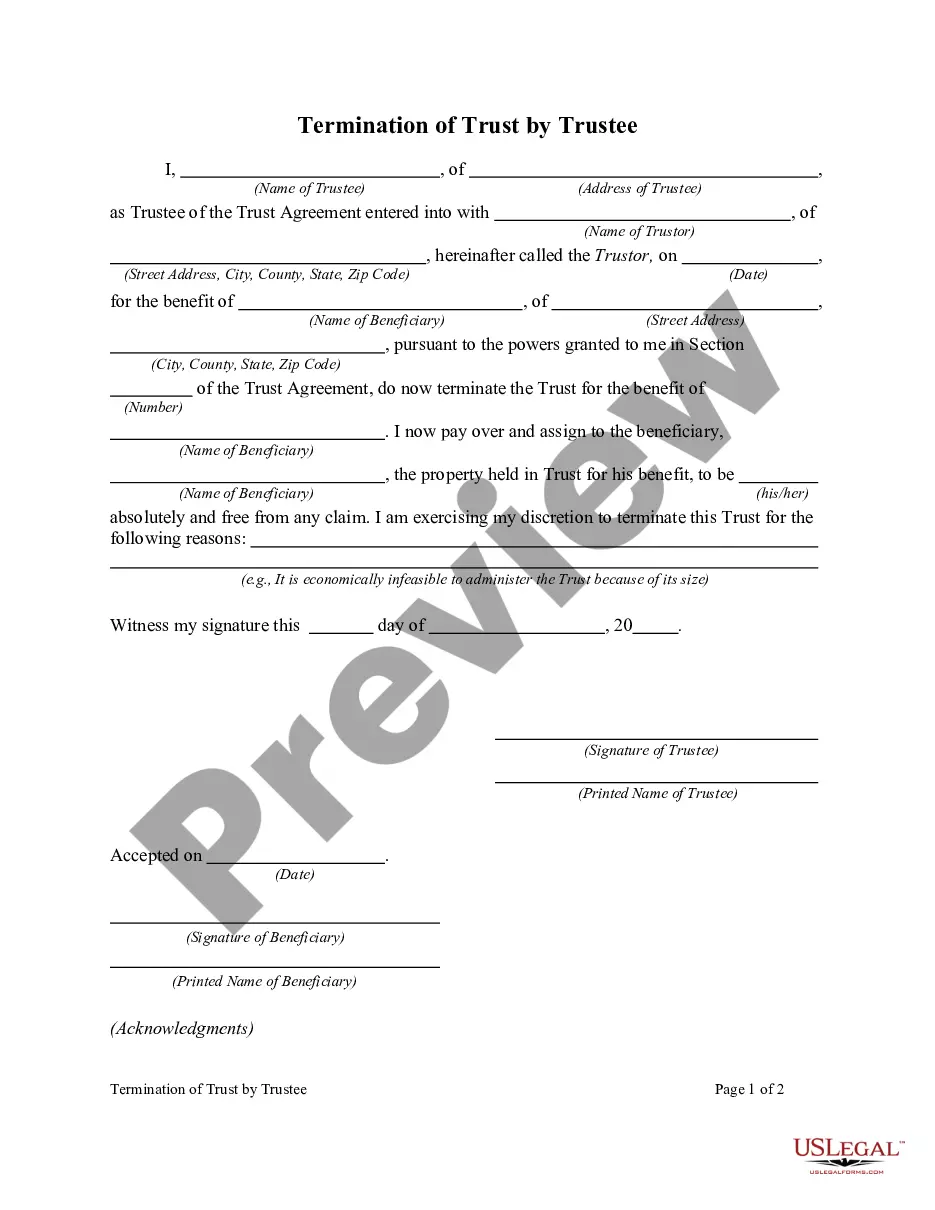
Get your form ready online
Our built-in tools help you complete, sign, share, and store your documents in one place.
Make edits, fill in missing information, and update formatting in US Legal Forms—just like you would in MS Word.
Download a copy, print it, send it by email, or mail it via USPS—whatever works best for your next step.
Sign and collect signatures with our SignNow integration. Send to multiple recipients, set reminders, and more. Go Premium to unlock E-Sign.
If this form requires notarization, complete it online through a secure video call—no need to meet a notary in person or wait for an appointment.
We protect your documents and personal data by following strict security and privacy standards.

Make edits, fill in missing information, and update formatting in US Legal Forms—just like you would in MS Word.

Download a copy, print it, send it by email, or mail it via USPS—whatever works best for your next step.

Sign and collect signatures with our SignNow integration. Send to multiple recipients, set reminders, and more. Go Premium to unlock E-Sign.

If this form requires notarization, complete it online through a secure video call—no need to meet a notary in person or wait for an appointment.

We protect your documents and personal data by following strict security and privacy standards.
Looking for another form?






Form popularity
FAQ
How do I change my name on the deed? The Allegheny County Real Estate Office handles owner name changes, please call 412-350-4226. Please note, if any changes are made to the deed you must reapply for any programs (i.e., Homestead, Senior Citizen Tax Relief).
The Indenture pledges certain revenues as security for repayment of the Bonds. The Trustee agrees to act on behalf of the holders of the Bonds and to represent their interests.
First, in an Indenture, the Trustee accepts its duties to the bondholders and agrees to monitor and handle the moneys received from the Bond Issue, to handle the revenues pledged as Security for the repayment of the Bonds, to deposit moneys into the various funds and accounts created under the Indenture and to make any ...
A bond trustee is hired by a bond issuer and oversees the implementation of a bond or trust indenture, which is a contract between a bond issuer and a bondholder. The trustee has a fiduciary responsibility to act on behalf of the issuer, rather than in its own interests.
Ultimately, the role of the indenture is to ensure transactions are processed correctly and noteholders receive payments on the due dates. Deal participants rely on the credibility of the indenture trustee to give them confidence this will happen appropriately.
§ 9.100 Acting as indenture trustee and creditor. With respect to a debt securities issuance, a national bank may act both as indenture trustee and as creditor until 90 days after default, if the bank maintains adequate controls to manage the potential conflicts of interest.
1985) (“Unlike the ordinary trustee, who has historic common-law duties imposed beyond those in the trust agreement, an indenture trustee is more like a stakeholder whose duties and obligations are exclusively defined by the terms of the indenture agreement.”); Harold L. Kaplan & Mark F.
The term is used for any kind of deed executed by more than one party, in contrast to a deed poll which is made by one individual. In the case of bonds, the indenture shows the pledge, promises, representations and covenants of the issuing party.
An indenture is a legal and binding contract usually associated with bond agreements, real estate, or bankruptcy. An indenture provides detailed information on terms, clauses, and covenants. There can be a few different types of indentures and many different types of indenture clauses.
The value of an indentured document can vary immensely based on several factors: Age: Older documents, especially those from the 16th and 17th centuries, tend to be more valuable than their newer counterparts.
