Sba Eidl Loan Assumption With All Business Assets In Wake
Description

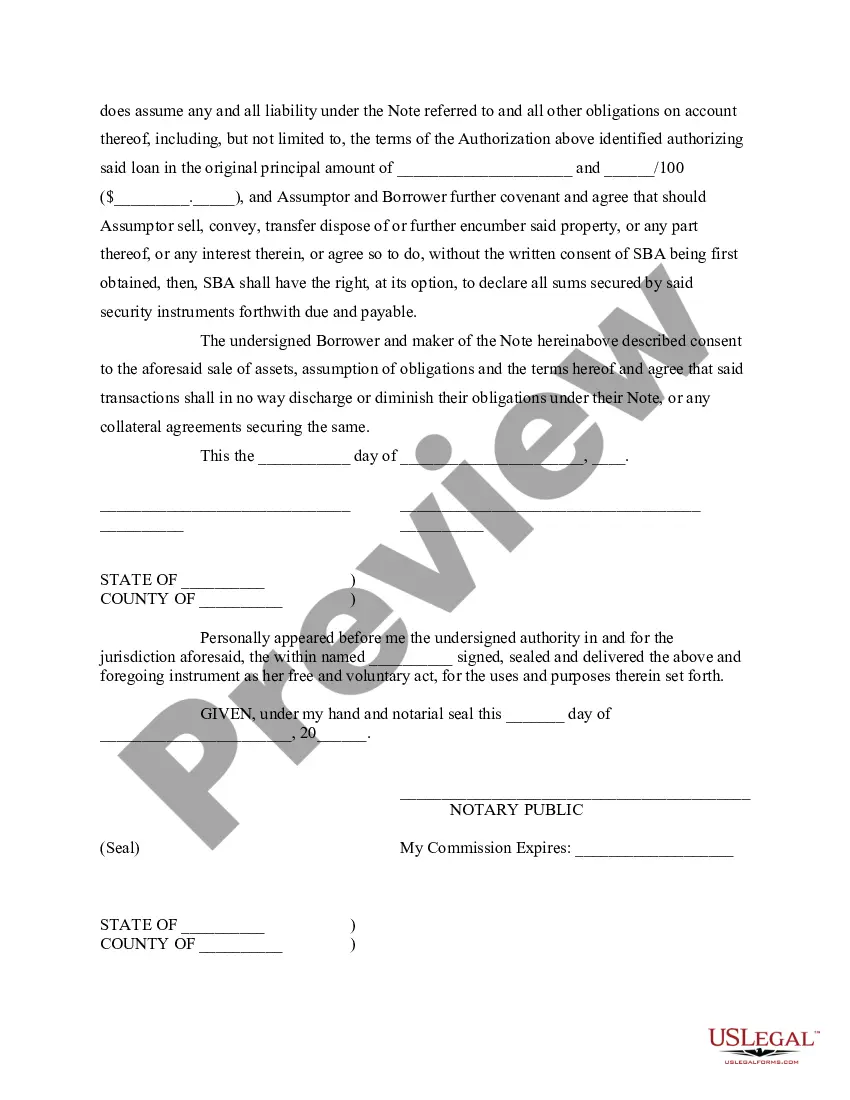
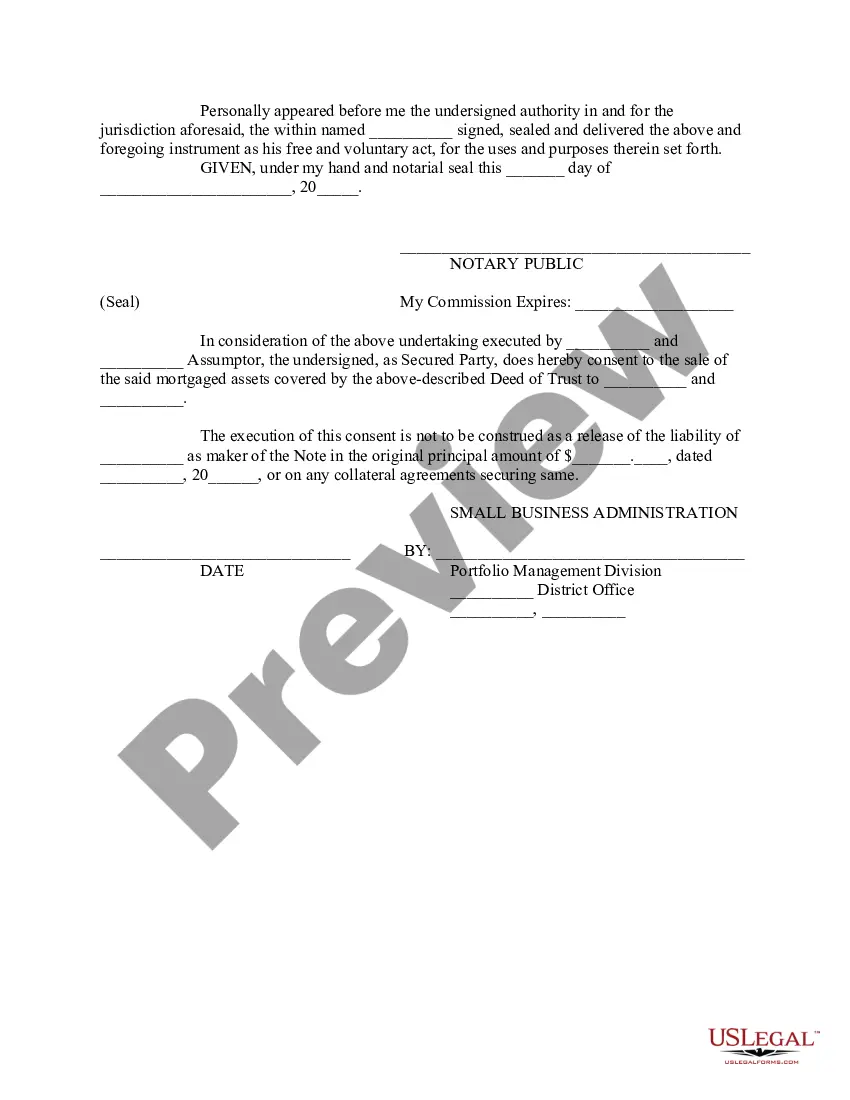
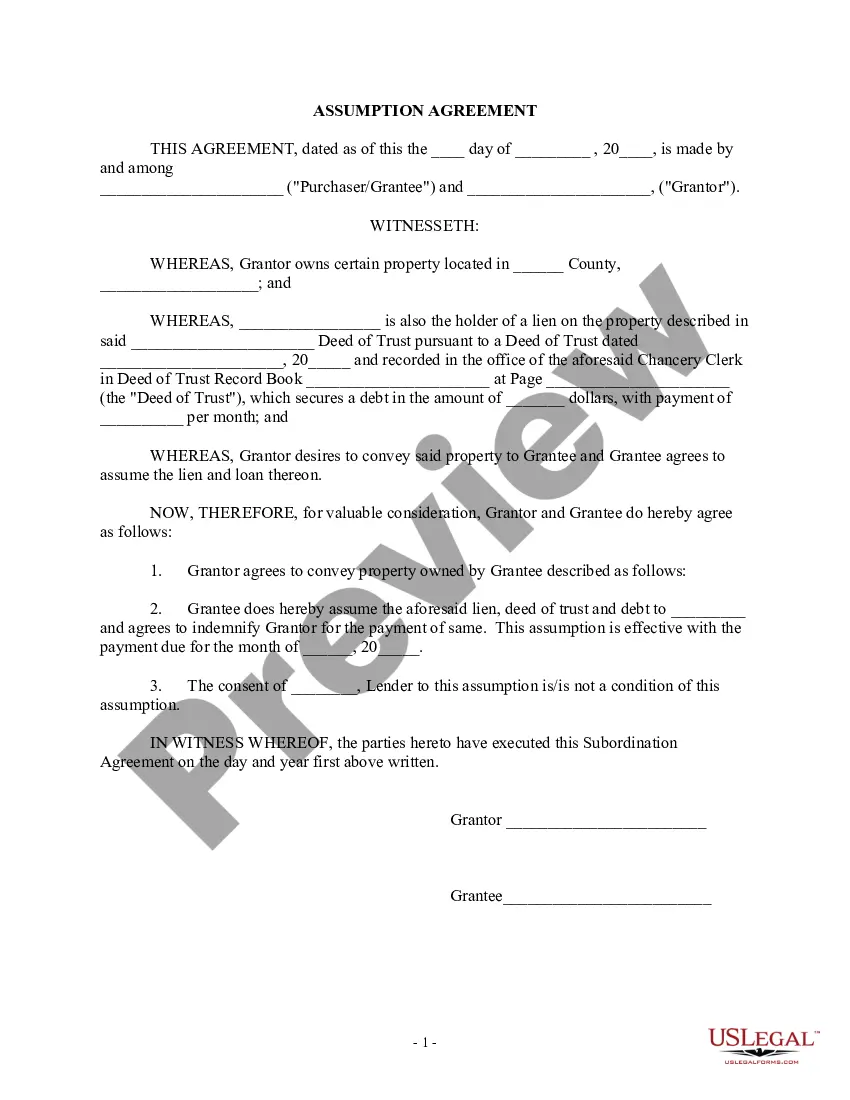
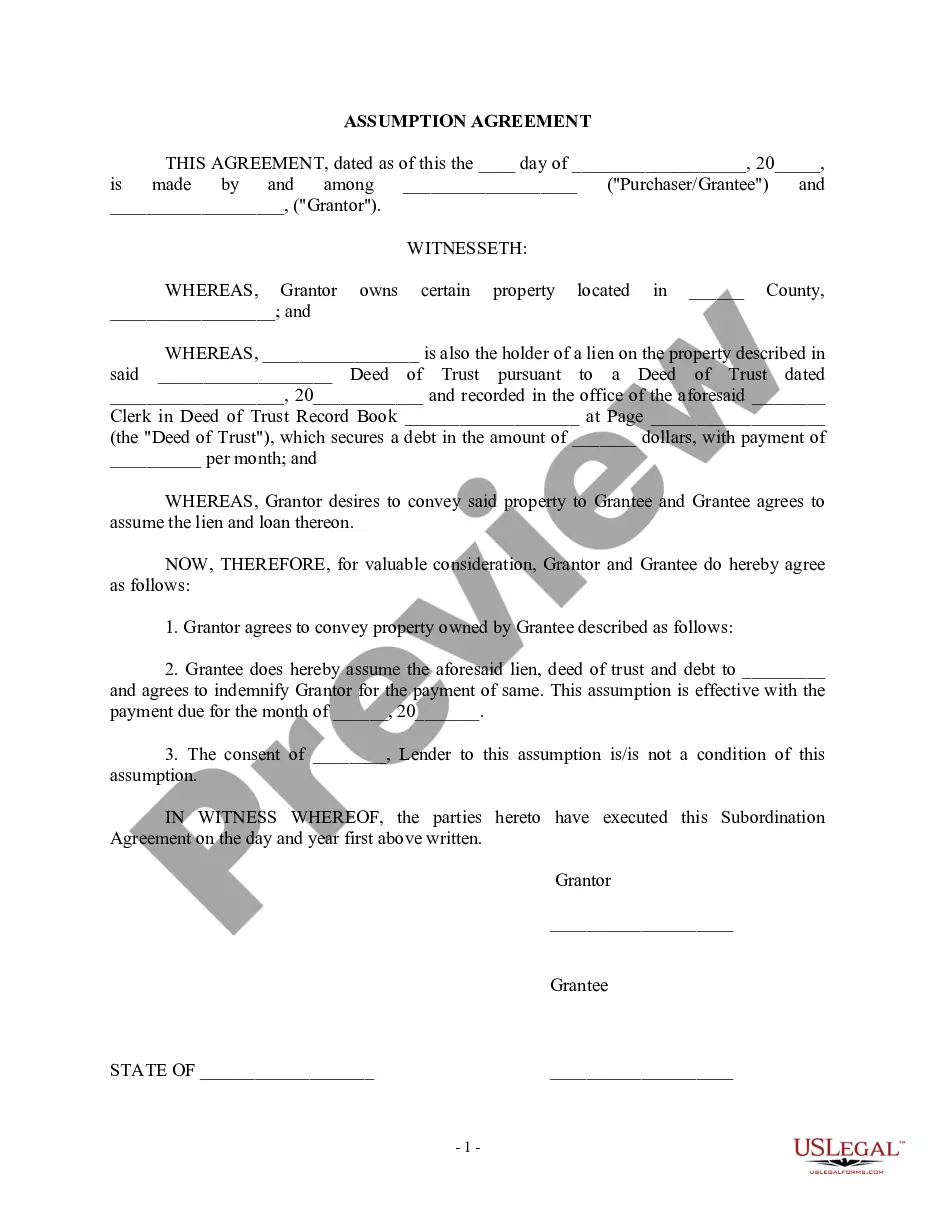
Get your form ready online
Our built-in tools help you complete, sign, share, and store your documents in one place.
Make edits, fill in missing information, and update formatting in US Legal Forms—just like you would in MS Word.
Download a copy, print it, send it by email, or mail it via USPS—whatever works best for your next step.
Sign and collect signatures with our SignNow integration. Send to multiple recipients, set reminders, and more. Go Premium to unlock E-Sign.
If this form requires notarization, complete it online through a secure video call—no need to meet a notary in person or wait for an appointment.
We protect your documents and personal data by following strict security and privacy standards.

Make edits, fill in missing information, and update formatting in US Legal Forms—just like you would in MS Word.

Download a copy, print it, send it by email, or mail it via USPS—whatever works best for your next step.

Sign and collect signatures with our SignNow integration. Send to multiple recipients, set reminders, and more. Go Premium to unlock E-Sign.

If this form requires notarization, complete it online through a secure video call—no need to meet a notary in person or wait for an appointment.

We protect your documents and personal data by following strict security and privacy standards.
Looking for another form?





Form popularity
FAQ
As of January 2025, there are no plans to forgive outstanding SBA EIDL loans. There are a variety of challenges involved with widespread forgiveness.
Unfortunately, eidl loans are not being forgiven. I would call the SBA and ask them to find your account. They will send it to the treasury department. They can garnish your Social Security, your wages, and go right into your bank account and take it out!
SBA 504 loans offer fixed interest rates, providing stability for borrowers. However, these loans reamortize every 5 years. This means that while the interest rate remains fixed, the payment amount is recalculated every five years based on the remaining balance and term.
As of January 2025, there are no plans to forgive outstanding SBA EIDL loans.
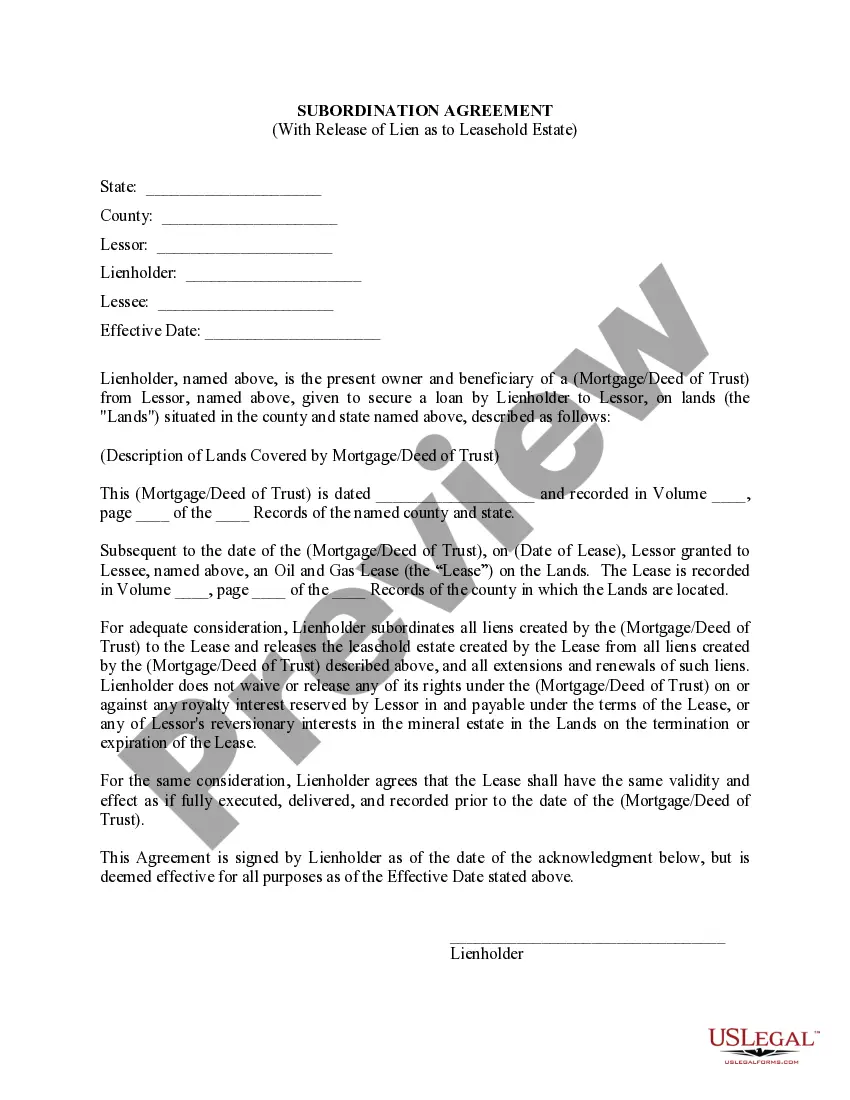
Subordinating a lien is a process where the initial financial entity (SBA or your bank) agrees to rank its lien position behind an incoming lien on the assets of the company (i.e. accounts and accounts receivable of your company).
