Sba Loan Assumption With A Mortgage In Fulton
Description

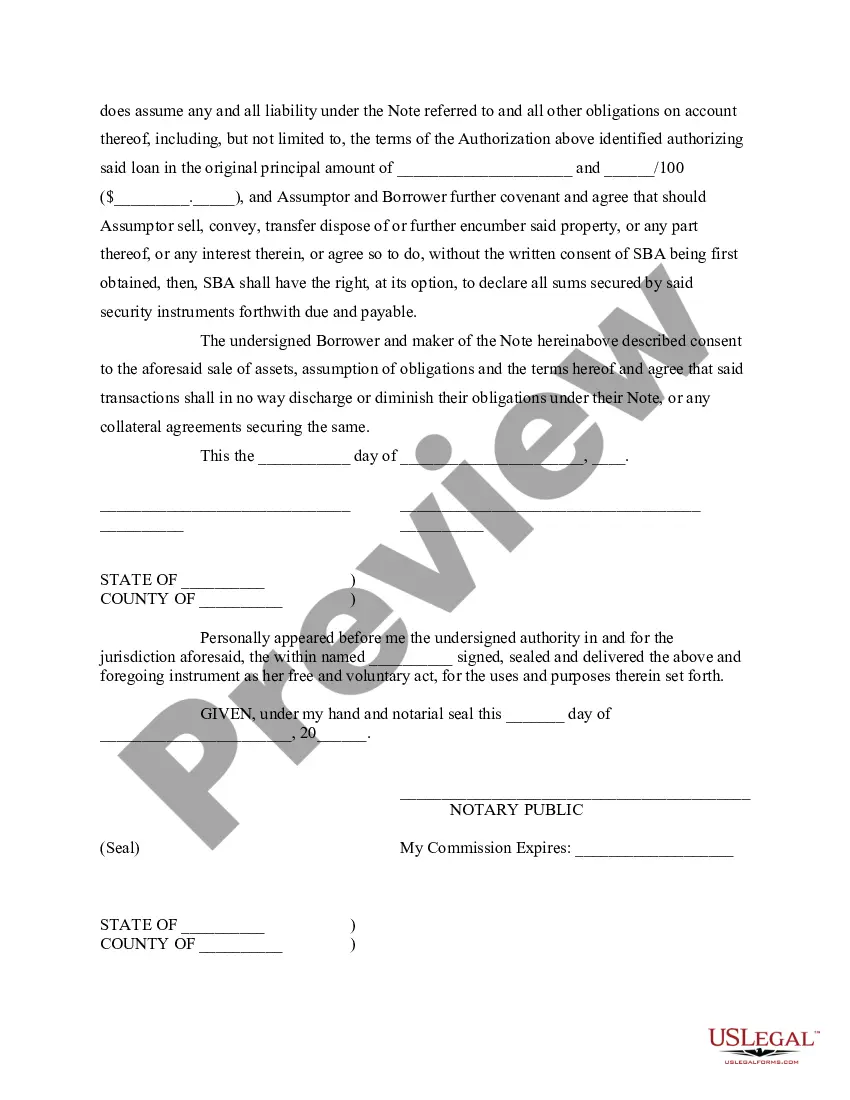
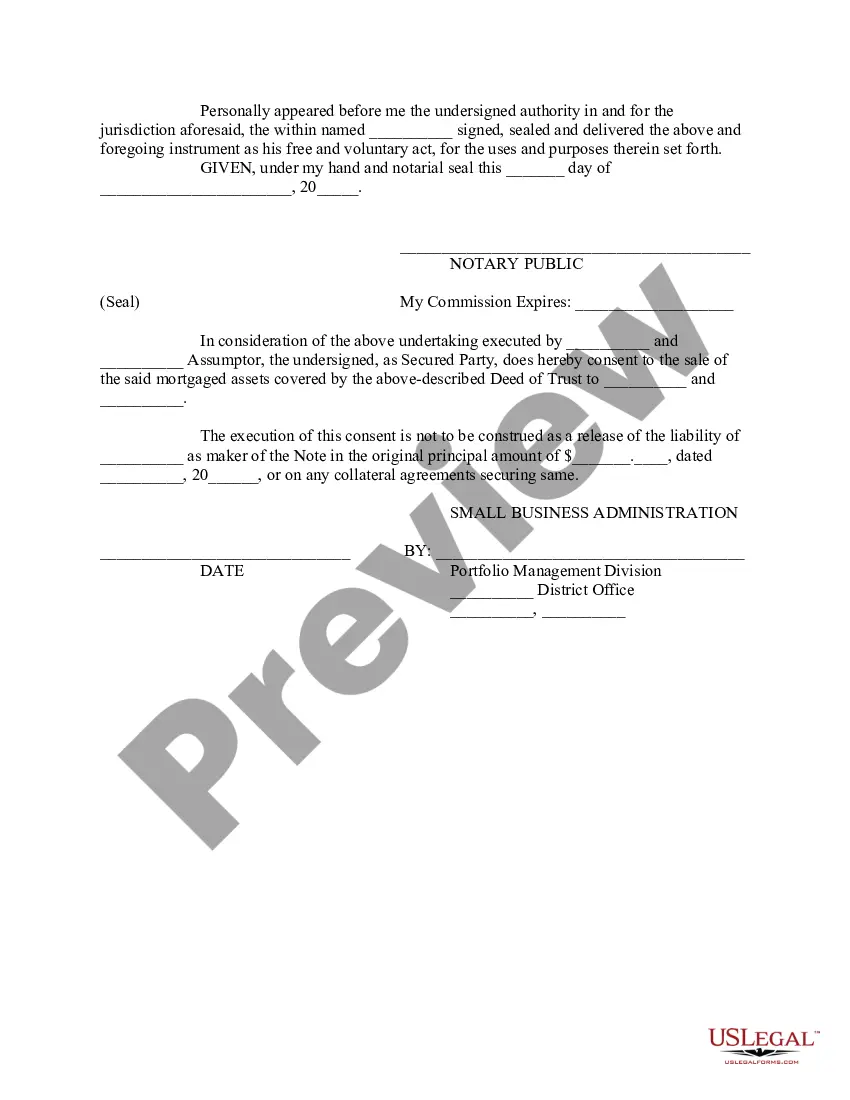
Get your form ready online
Our built-in tools help you complete, sign, share, and store your documents in one place.
Make edits, fill in missing information, and update formatting in US Legal Forms—just like you would in MS Word.
Download a copy, print it, send it by email, or mail it via USPS—whatever works best for your next step.
Sign and collect signatures with our SignNow integration. Send to multiple recipients, set reminders, and more. Go Premium to unlock E-Sign.
If this form requires notarization, complete it online through a secure video call—no need to meet a notary in person or wait for an appointment.
We protect your documents and personal data by following strict security and privacy standards.

Make edits, fill in missing information, and update formatting in US Legal Forms—just like you would in MS Word.

Download a copy, print it, send it by email, or mail it via USPS—whatever works best for your next step.

Sign and collect signatures with our SignNow integration. Send to multiple recipients, set reminders, and more. Go Premium to unlock E-Sign.

If this form requires notarization, complete it online through a secure video call—no need to meet a notary in person or wait for an appointment.

We protect your documents and personal data by following strict security and privacy standards.
Looking for another form?




Form popularity
FAQ
All loans insured by the SBA require a personal guarantee from every owner with a 20 percent or greater equity stake in the business.
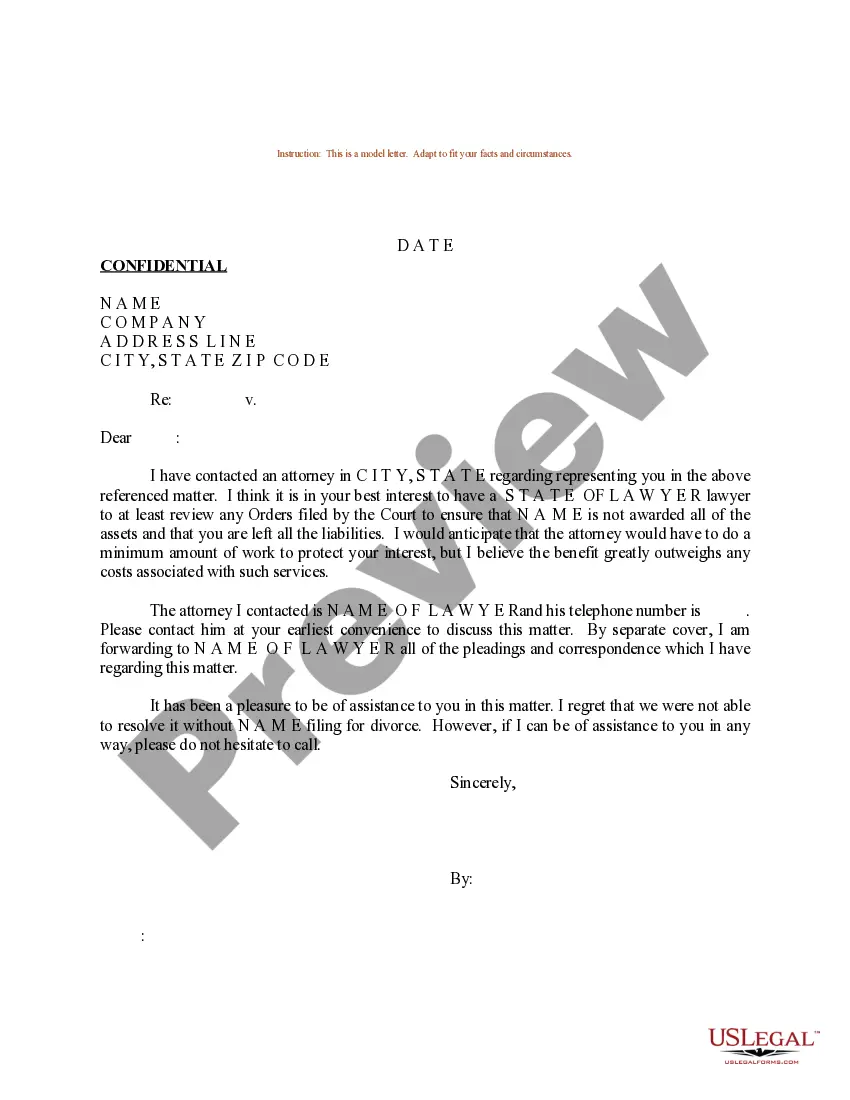
This is a standard form of notice of default and demand for payment provided by a lender to a borrower and a guarantor, if applicable, when a borrower is in default under its mortgage and the lender is ready to accelerate its mortgage and demand repayment.
Ing to the SBA Form 1086, non-PPP loans and payments are due at the Fiscal and Transfer Agent (FTA) on the third calendar day of the month, or the next business day if the third is not a business day. The SBA allows a grace period of two business days after the due date.
A debt assumption involves two simultaneous transactions; the first transaction cancels the original debtor's obligation, and the second transaction creates a new debt contract between the creditor and the new debtor, or assumer.
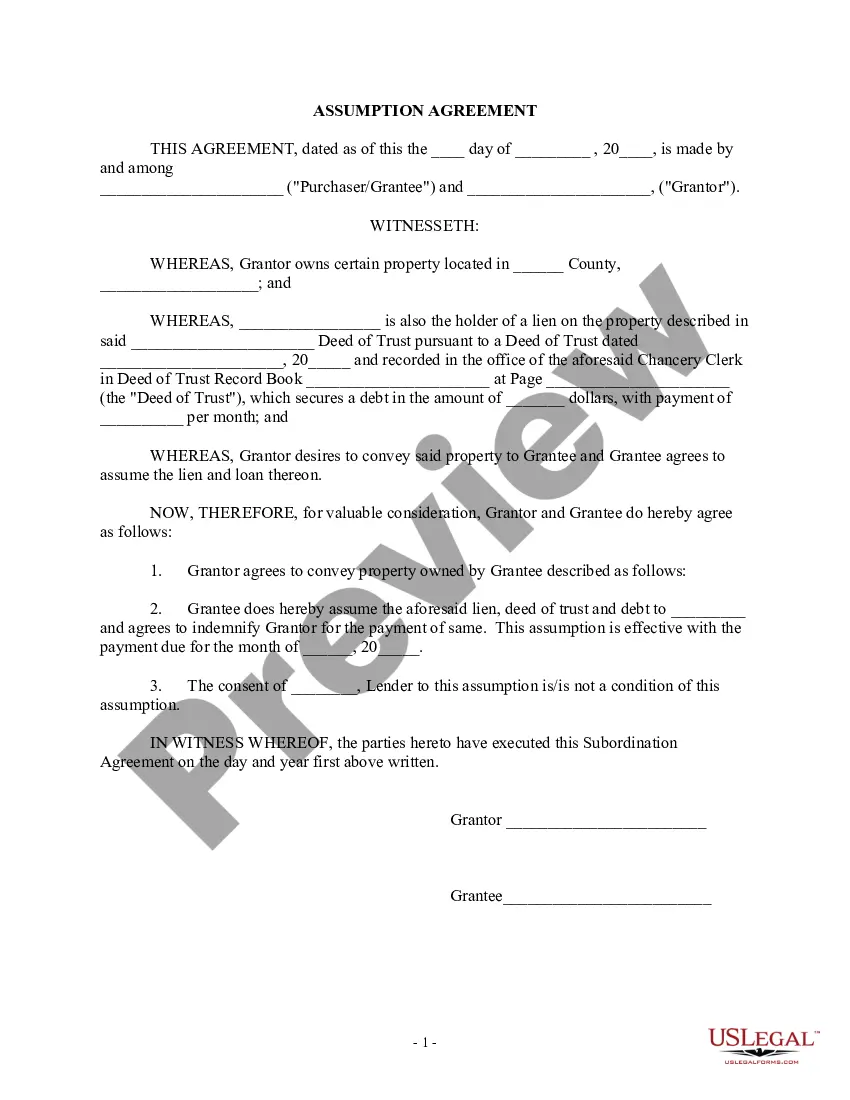
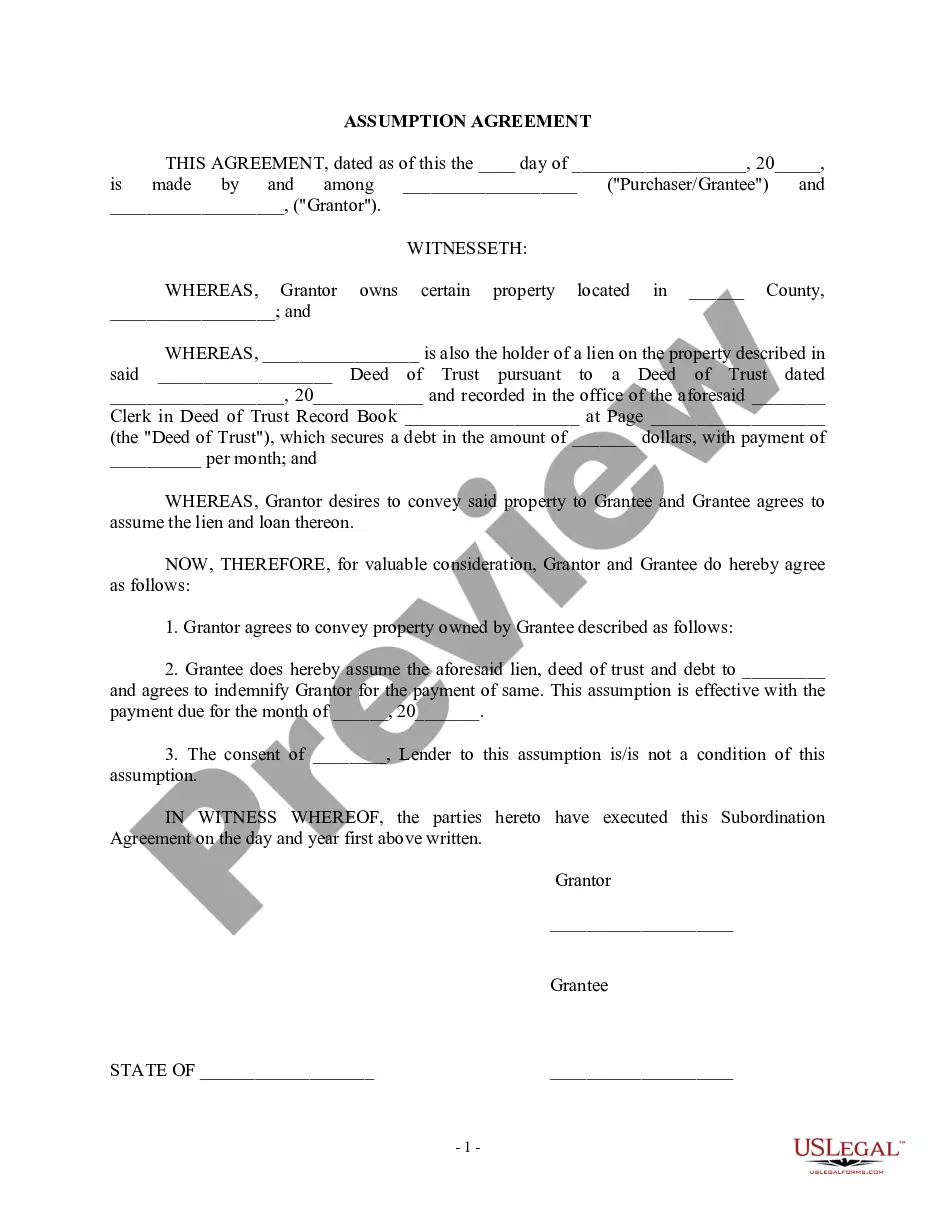
The purpose of an assumption agreement is to ensure the seller is freed from their obligations, while the buyer agrees to take on these obligations. Legally, the seller could still be held liable if they don't have a proper assumption agreement in place that absolves them of those responsibilities.
The mortgage balance, interest rate, and repayment schedule all carry over to the buyer. However, only Federal Housing Administration (FHA) loans, U.S. Department of Agriculture (USDA) loans, and U.S. Department of Veterans Affairs (VA) loans can qualify. Conventional mortgages cannot be assumed.
