Eidl Loan Assumption With Seller Financing In Florida
Description

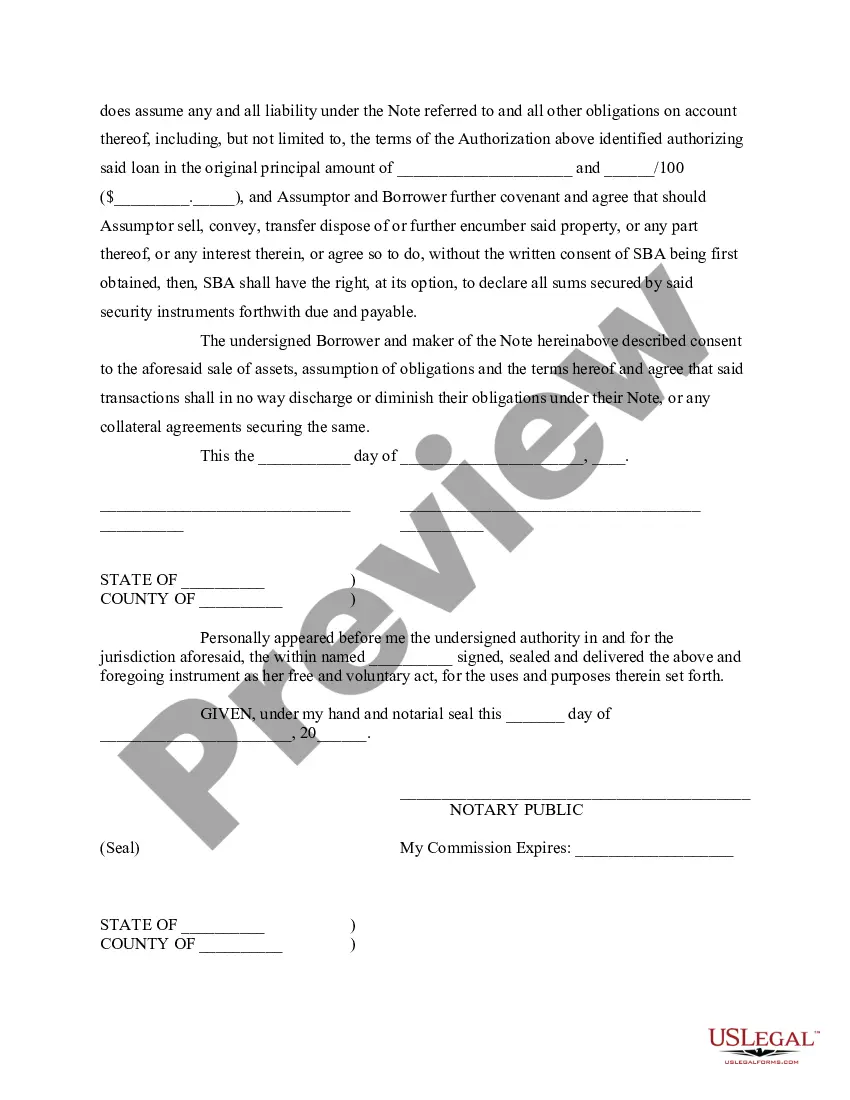
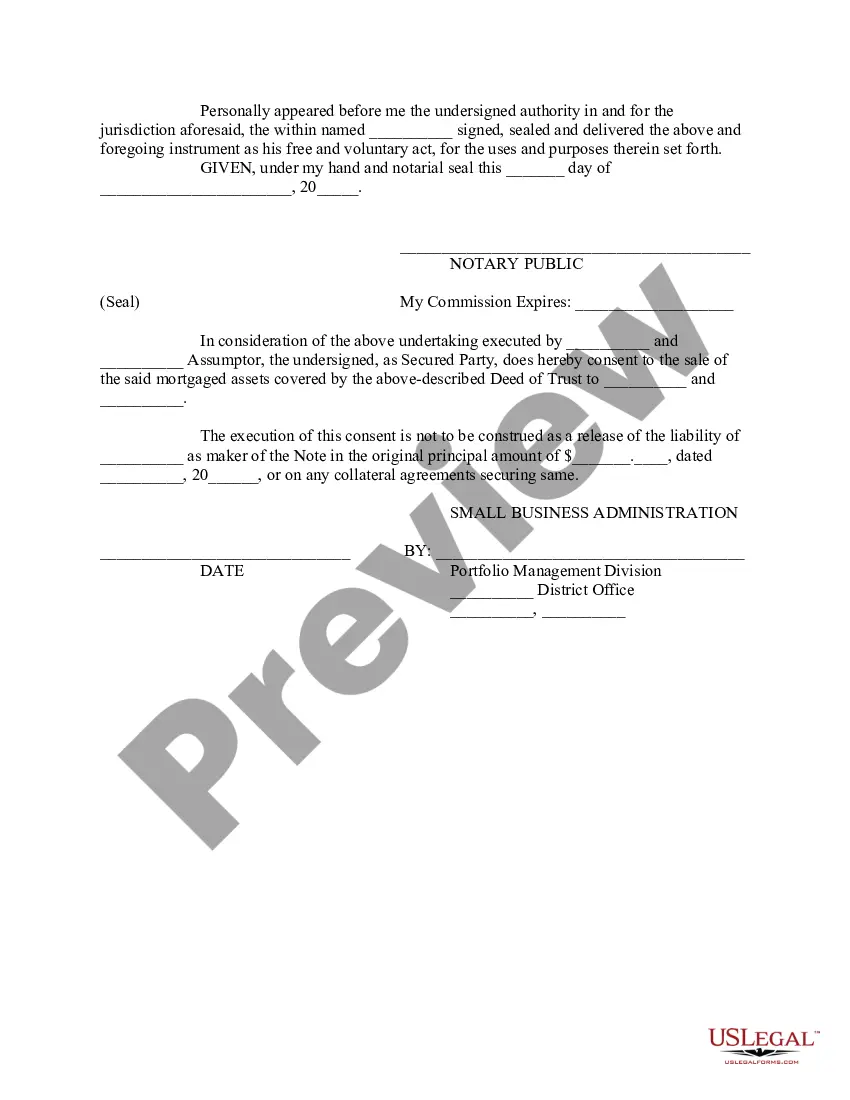
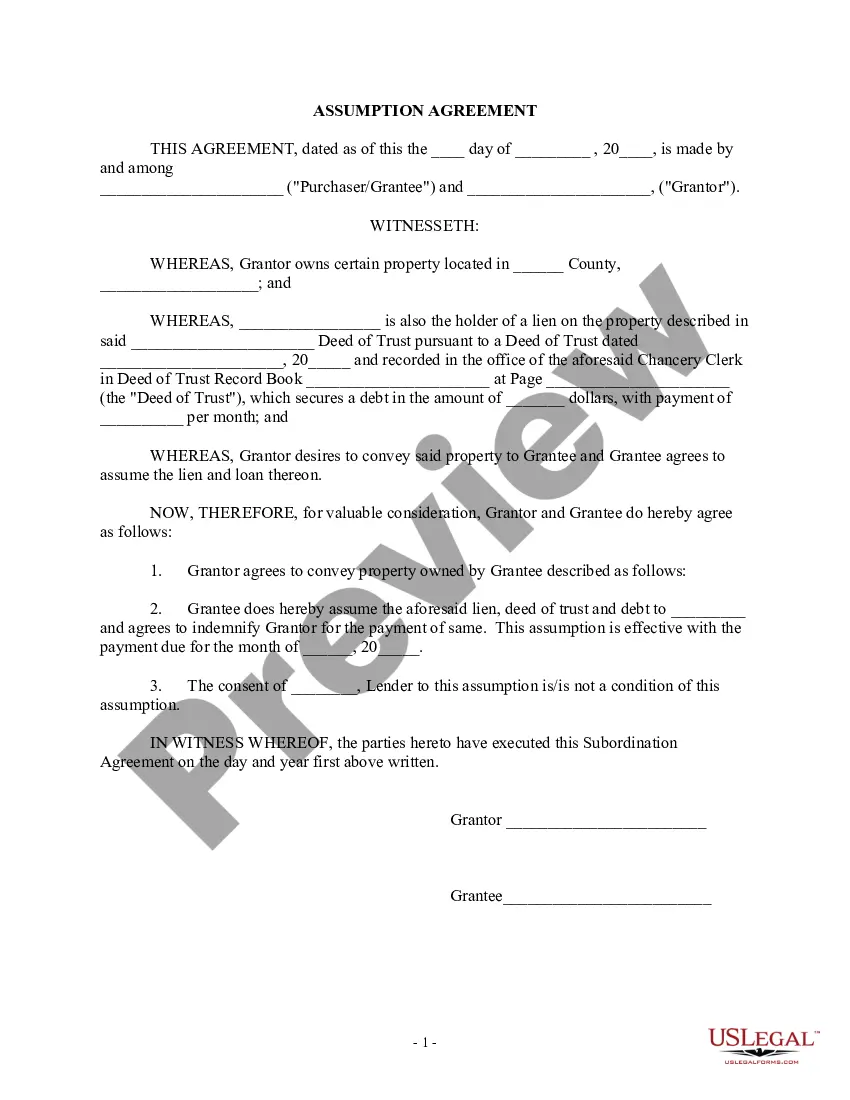
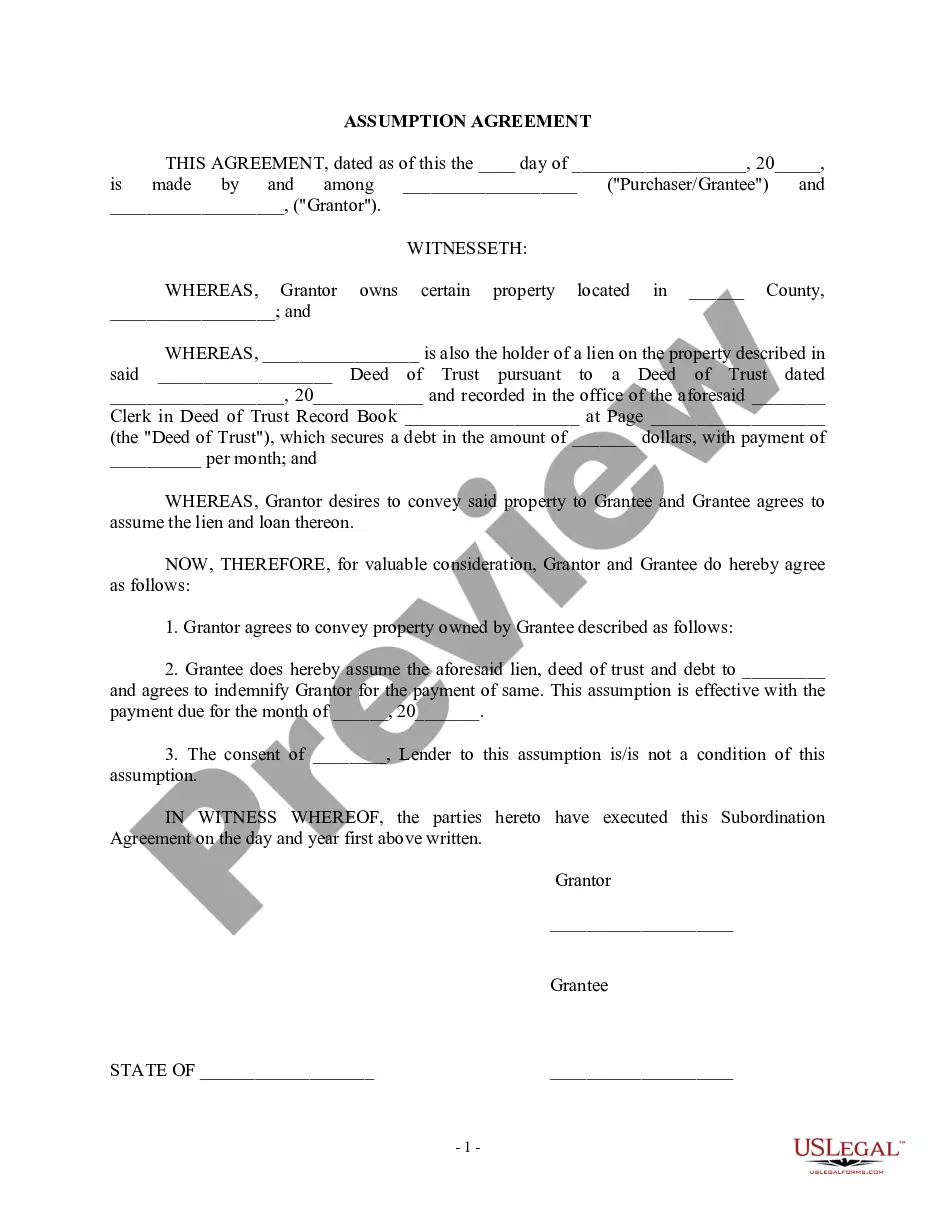
Get your form ready online
Our built-in tools help you complete, sign, share, and store your documents in one place.
Make edits, fill in missing information, and update formatting in US Legal Forms—just like you would in MS Word.
Download a copy, print it, send it by email, or mail it via USPS—whatever works best for your next step.
Sign and collect signatures with our SignNow integration. Send to multiple recipients, set reminders, and more. Go Premium to unlock E-Sign.
If this form requires notarization, complete it online through a secure video call—no need to meet a notary in person or wait for an appointment.
We protect your documents and personal data by following strict security and privacy standards.

Make edits, fill in missing information, and update formatting in US Legal Forms—just like you would in MS Word.

Download a copy, print it, send it by email, or mail it via USPS—whatever works best for your next step.

Sign and collect signatures with our SignNow integration. Send to multiple recipients, set reminders, and more. Go Premium to unlock E-Sign.

If this form requires notarization, complete it online through a secure video call—no need to meet a notary in person or wait for an appointment.

We protect your documents and personal data by following strict security and privacy standards.
Looking for another form?









Form popularity
FAQ
For EIDL loans less than $200,000, dissolve your business. EIDLs for less than $200,000 are generally not personally guaranteed, which means the business owner is not personally liable for the debt as long as the business is structured as an LLC or corporation.
Conventional loans backed by Fannie Mae and Freddie Mac are generally not assumable, though exceptions may be allowed for adjustable-rate mortgages.
In this scenario, the seller typically retains the deed to the property until the buyer pays for it in full.
The owner is also responsible for paying property taxes when a property is owner financed. If the buyer appears as the owner on the deed, they may be responsible for the property tax. However, if the seller is financing the property, they are still responsible for paying the taxes.
In Florida, seller-financed transactions must comply with state and federal regulations, including the Dodd-Frank Act. It's important for both parties to understand the legal requirements and to work with professionals to structure the deal.
In Florida, buyers can typically assume federally guaranteed or insured mortgages, such as: FHA Loans: Insured by the Federal Housing Administration.
Who Holds the Deed When You Have a Mortgage Lender? The short answer is: You, the homeowner, typically hold the deed to your house, even when you have a mortgage.
Wrap loans are legal in Florida. See related statute below. If you want to discuss further, let me know. 655.56 Collection of fines, interest, or premiums on loans made by financial institutions.
