Sba Loan Agreement Form In Cook
Description

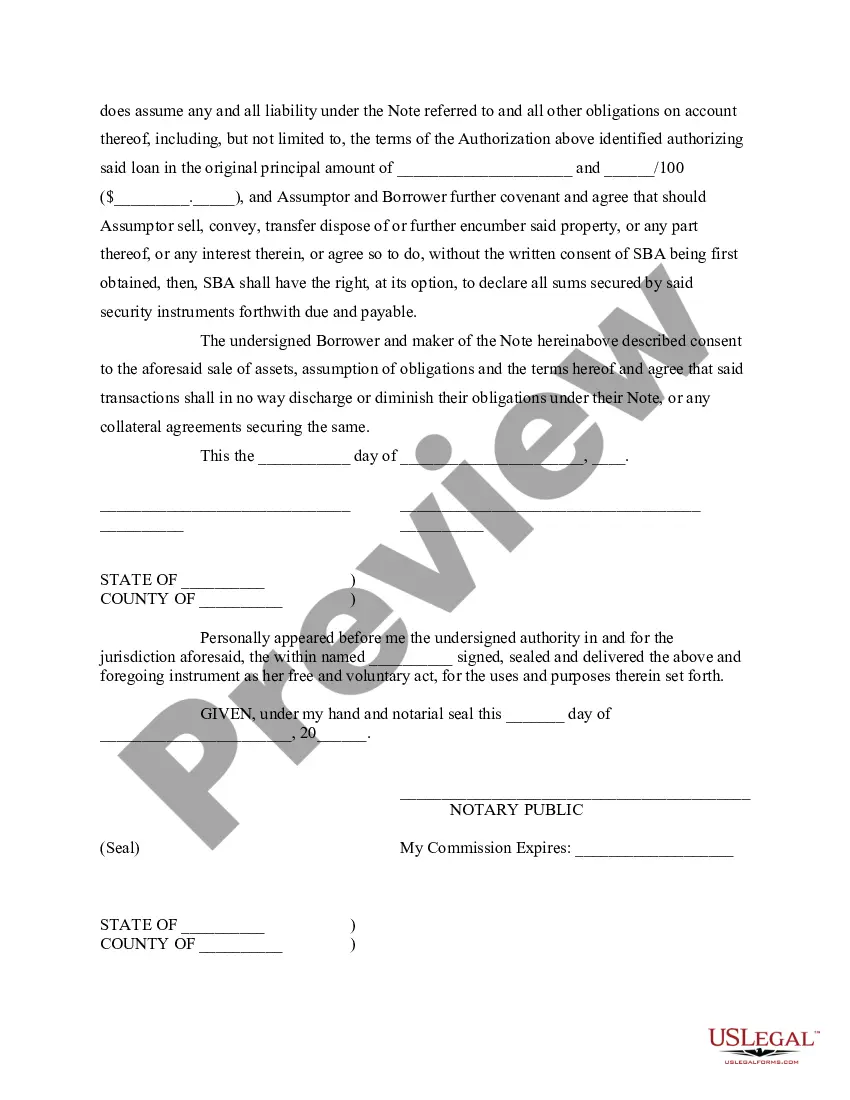
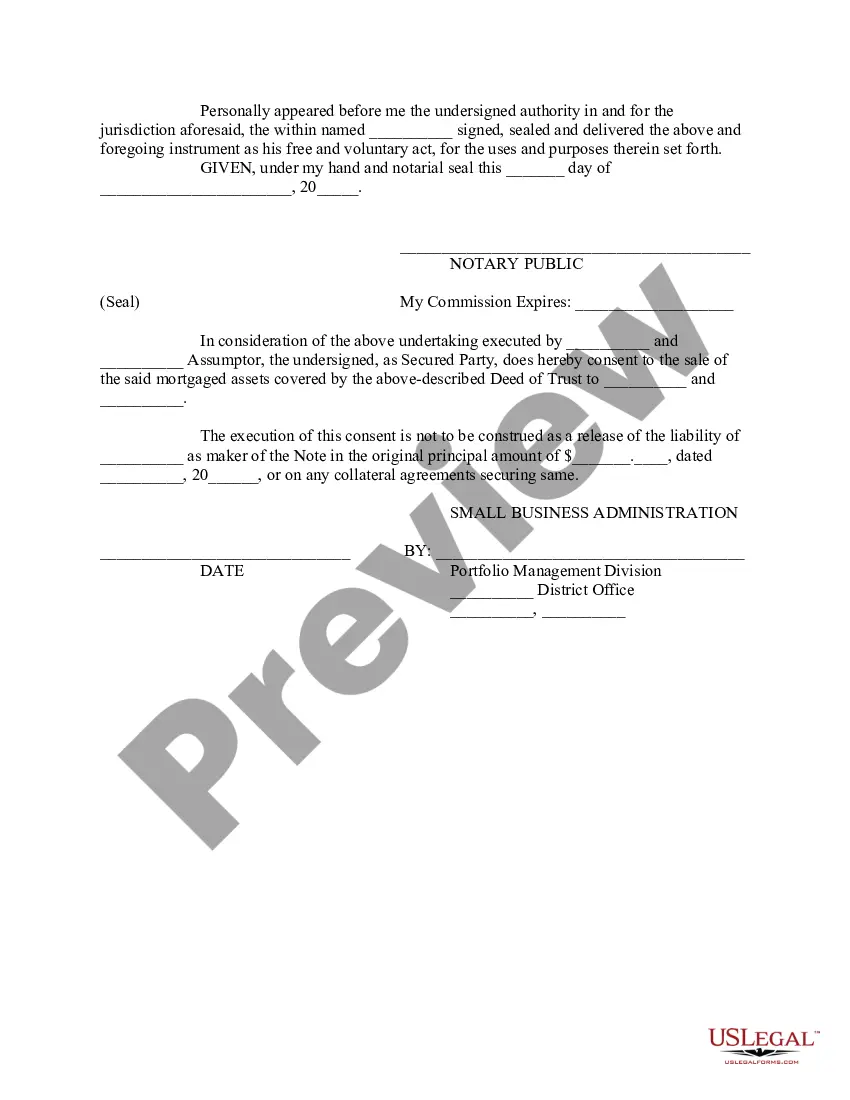

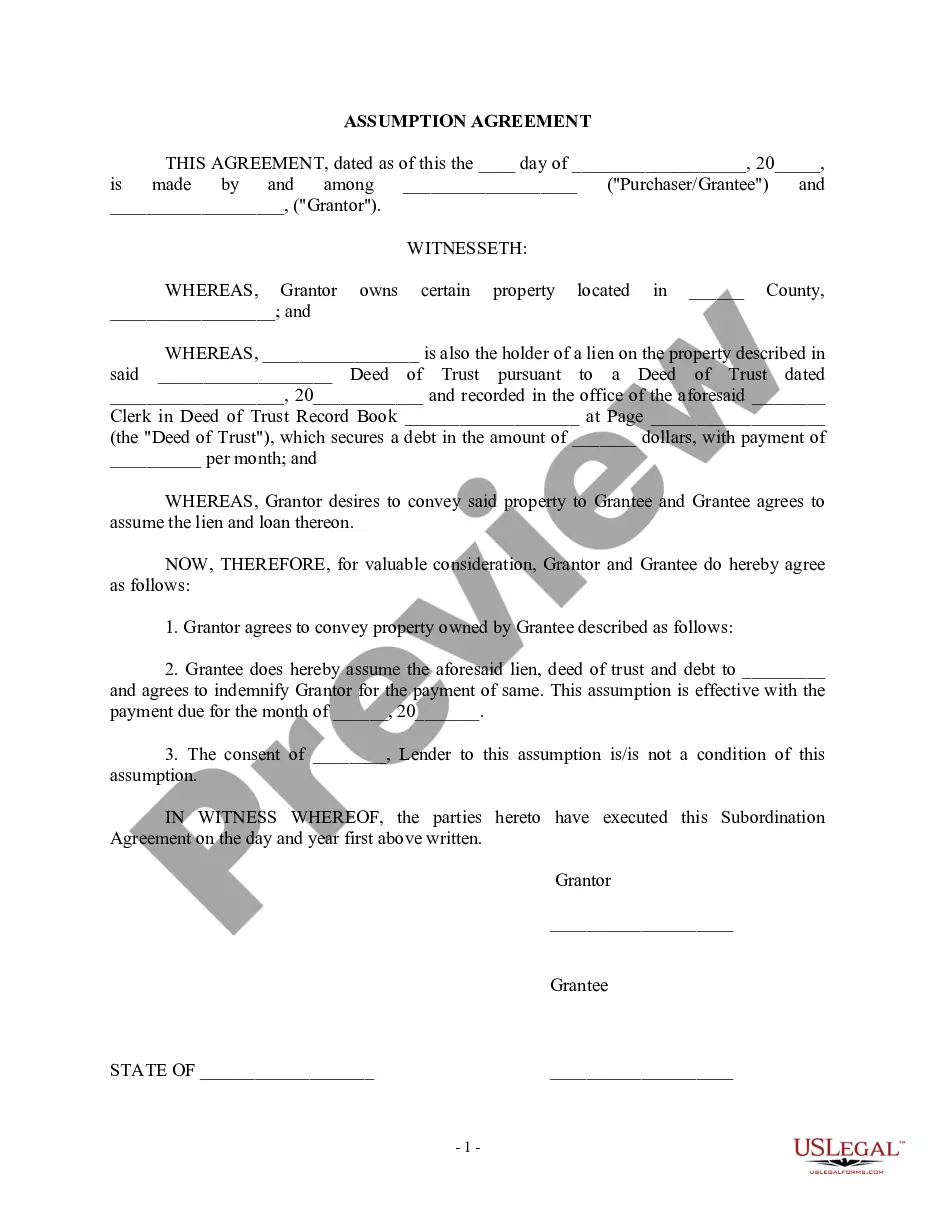
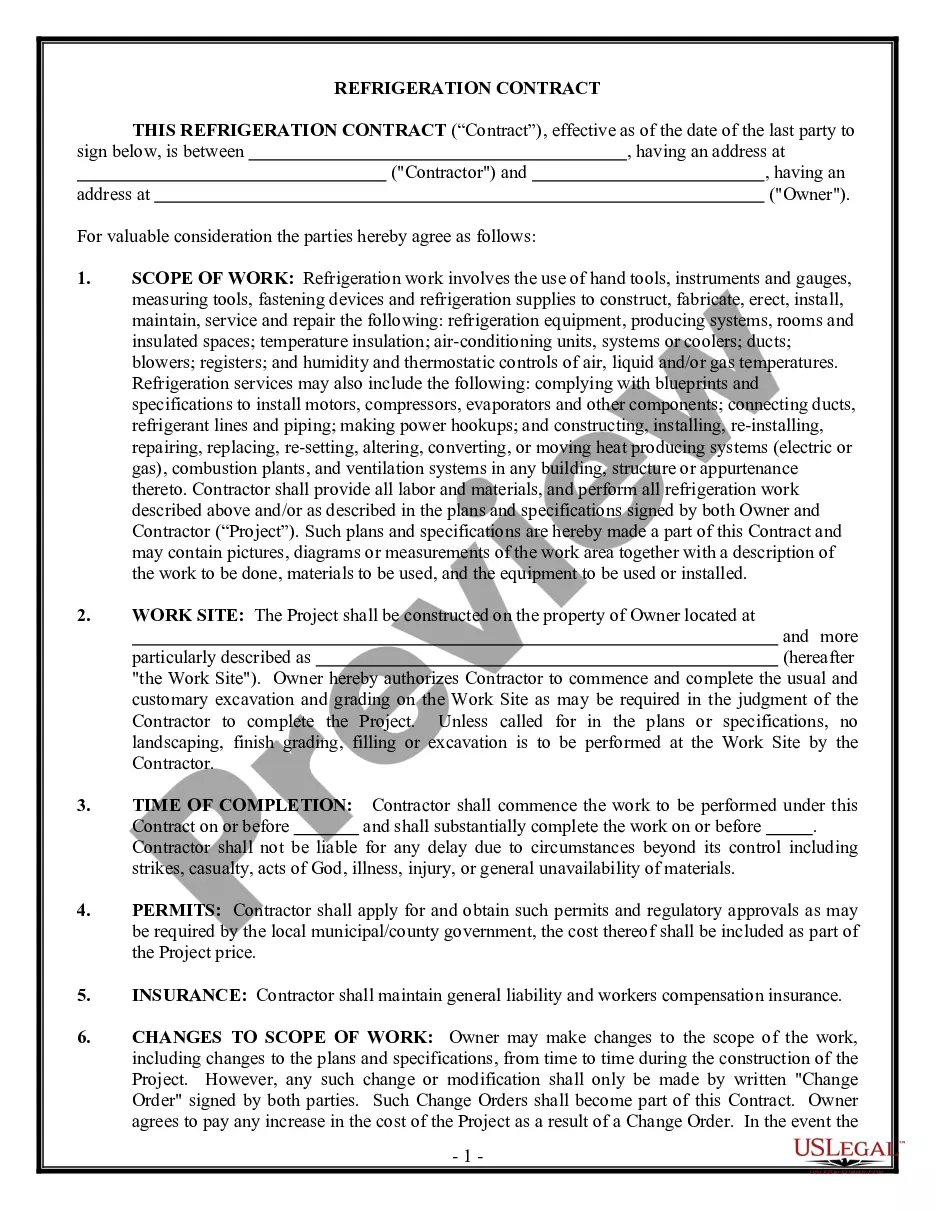
Get your form ready online
Our built-in tools help you complete, sign, share, and store your documents in one place.
Make edits, fill in missing information, and update formatting in US Legal Forms—just like you would in MS Word.
Download a copy, print it, send it by email, or mail it via USPS—whatever works best for your next step.
Sign and collect signatures with our SignNow integration. Send to multiple recipients, set reminders, and more. Go Premium to unlock E-Sign.
If this form requires notarization, complete it online through a secure video call—no need to meet a notary in person or wait for an appointment.
We protect your documents and personal data by following strict security and privacy standards.

Make edits, fill in missing information, and update formatting in US Legal Forms—just like you would in MS Word.

Download a copy, print it, send it by email, or mail it via USPS—whatever works best for your next step.

Sign and collect signatures with our SignNow integration. Send to multiple recipients, set reminders, and more. Go Premium to unlock E-Sign.

If this form requires notarization, complete it online through a secure video call—no need to meet a notary in person or wait for an appointment.

We protect your documents and personal data by following strict security and privacy standards.
Looking for another form?





Form popularity
FAQ
Needed Documentation For 7(a) loans and microloans, you will need SBA Form 1919 or SBA Form 912. Anyone in company management will need to submit a resume. A business plan. A statement of how long you've been in business. Your personal tax returns. Your business tax returns.
Completed applications should be mailed to: U.S. Small Business Administration, Processing and Disbursement Center, 14925 Kingsport Road, Fort Worth, TX 76155.
Once you submit the certification application, it enters processing. An SBA representative may contact you if additional information is required. Please note that our average processing time is currently 8 months from the time of submittal.
SBA Form 1920 has been retired as of August 1, 2023.
SBA Form 601 is a certificate of agreement to ensure contractors comply with EO 11246 when working on federally assisted construction projects. A borrower or contractor seeking SBA financing of more than $10,000 must complete and submit Form 601.
SBA Form 1919, or the Borrower Information Form, is part of a larger application process small businesses go through to obtain 7(a) loans. The seven-page form includes sections for information about the business, ownership interest, uses of funds, and the nature of the business, and was last updated in December 2023.
Form 1919 gives the SBA crucial information about you, the borrower, and also facilitates a background check. Once you fill it out, you'll submit it to your participating lender (not to the SBA itself). You must answer each of its 22 questions, and the SBA may review your answers.
SBA Form 1031 collects Portfolio Concern Financing information SBA also pools information provided by individual SBICs to analyze the SBIC program as a whole and the impact of SBIC Financings on the growth of small business.
The document is an Unconditional Limited Guarantee from the U.S. Small Business Administration (SBA) outlining the obligations of a Guarantor to repay amounts owed under a promissory note (the Note) in case of default by the Borrower.
For SBA loans, the type of personal guarantee required depends on how much of the business an individual owes. Business owners who own 20 percent or more of the company must sign an unconditional guarantee. Business owners who own less than 20 percent of the company may sign a limited guarantee.
