Escrow Release Form For Real Estate In Suffolk
Description
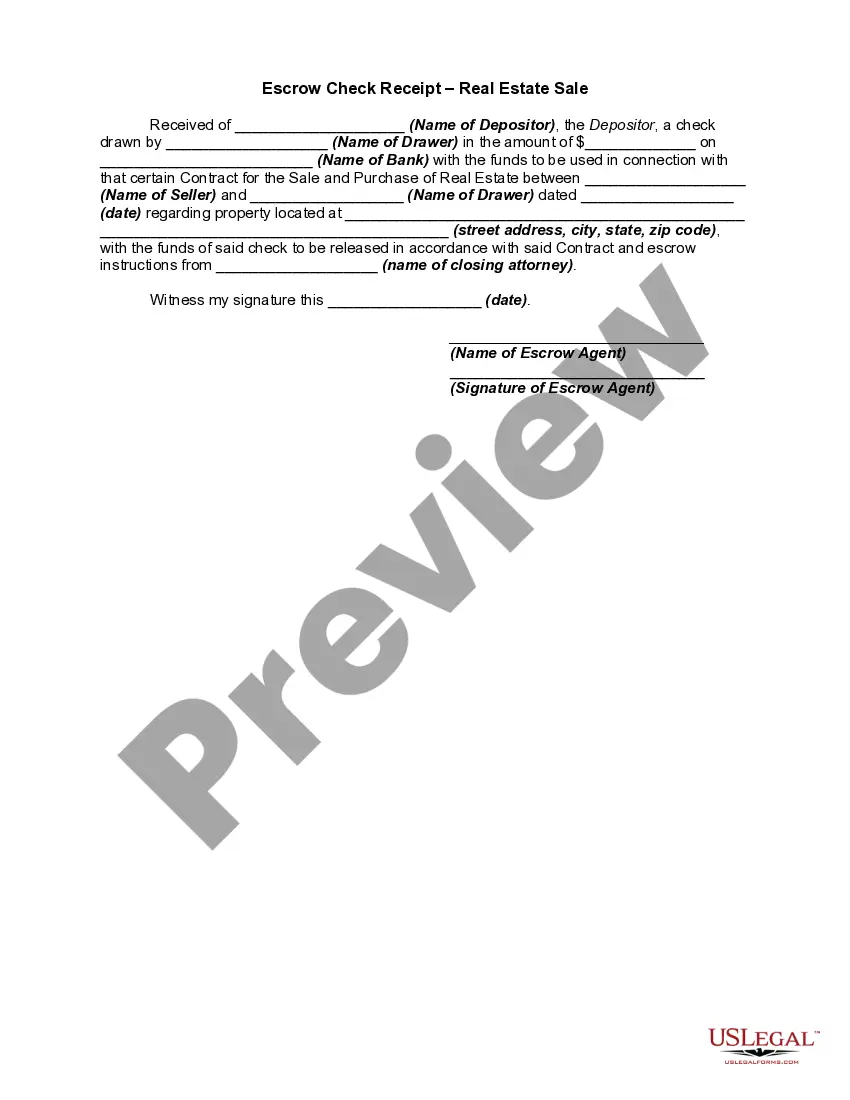
Get your form ready online
Our built-in tools help you complete, sign, share, and store your documents in one place.
Make edits, fill in missing information, and update formatting in US Legal Forms—just like you would in MS Word.
Download a copy, print it, send it by email, or mail it via USPS—whatever works best for your next step.
Sign and collect signatures with our SignNow integration. Send to multiple recipients, set reminders, and more. Go Premium to unlock E-Sign.
If this form requires notarization, complete it online through a secure video call—no need to meet a notary in person or wait for an appointment.
We protect your documents and personal data by following strict security and privacy standards.

Make edits, fill in missing information, and update formatting in US Legal Forms—just like you would in MS Word.

Download a copy, print it, send it by email, or mail it via USPS—whatever works best for your next step.

Sign and collect signatures with our SignNow integration. Send to multiple recipients, set reminders, and more. Go Premium to unlock E-Sign.

If this form requires notarization, complete it online through a secure video call—no need to meet a notary in person or wait for an appointment.

We protect your documents and personal data by following strict security and privacy standards.
Looking for another form?









Form popularity
FAQ
The escrow letter is typically issued by a title company and states that all necessary documents and funds related to the transaction have been received and will be processed when the transaction is completed.
They provide security for both parties in the transaction by ensuring that funds or assets are not released unless all agreed-upon conditions are met. They establish an impartial third party (the escrow agent) to handle the assets, reducing the risk of fraud or mismanagement.
A person may be added to a property deed as a result of inheritance, marriage or partnership. It's crucial to understand that adding someone to a deed typically involves a transfer of ownership interest in the property. With that transfer comes potential tax consequences.
Transfer Tax is due on all conveyances with consideration greater than $500.00. The amount of tax is computed at $2.00 per $500.00, or any fraction thereof. (Example: $750.00; Consideration = $4.00 tax.) Mansion Tax is due on all residential conveyances where the consideration is $1,000,000.00 or greater.
Whatever the reason, you will need to retain an attorney, experienced in real estate, to draft a new deed conveying (i.e., transferring) your home to yourself and the person you wish to add to your title. In addition to the deed, your attorney will also need to prepare transfer tax returns.
How do I obtain a copy of my property deed? Property deeds are recorded in the Suffolk County Clerk's Office in Riverhead, NY. The direct phone number is (631) 852-2000.
How do I add/remove a name on a Deed? You would have to record a new deed adding or removing the person(s) name. Because it is a legal document with legal consequences, we HIGHLY advise you work with an attorney to do so.
An Escrow is an arrangement for a third party to hold the assets of a transaction temporarily. The assets are kept in a third-party account and are only released when all terms of the agreement have been met. The use of an escrow account in a transaction adds a degree of safety for both parties.
Deeds should be recorded in the Office of the County Clerk of the county in which the real property being transferred is located. When recording a deed, it is your responsibility to take the proper steps to ensure that the document meets the legal requirements for recording.

