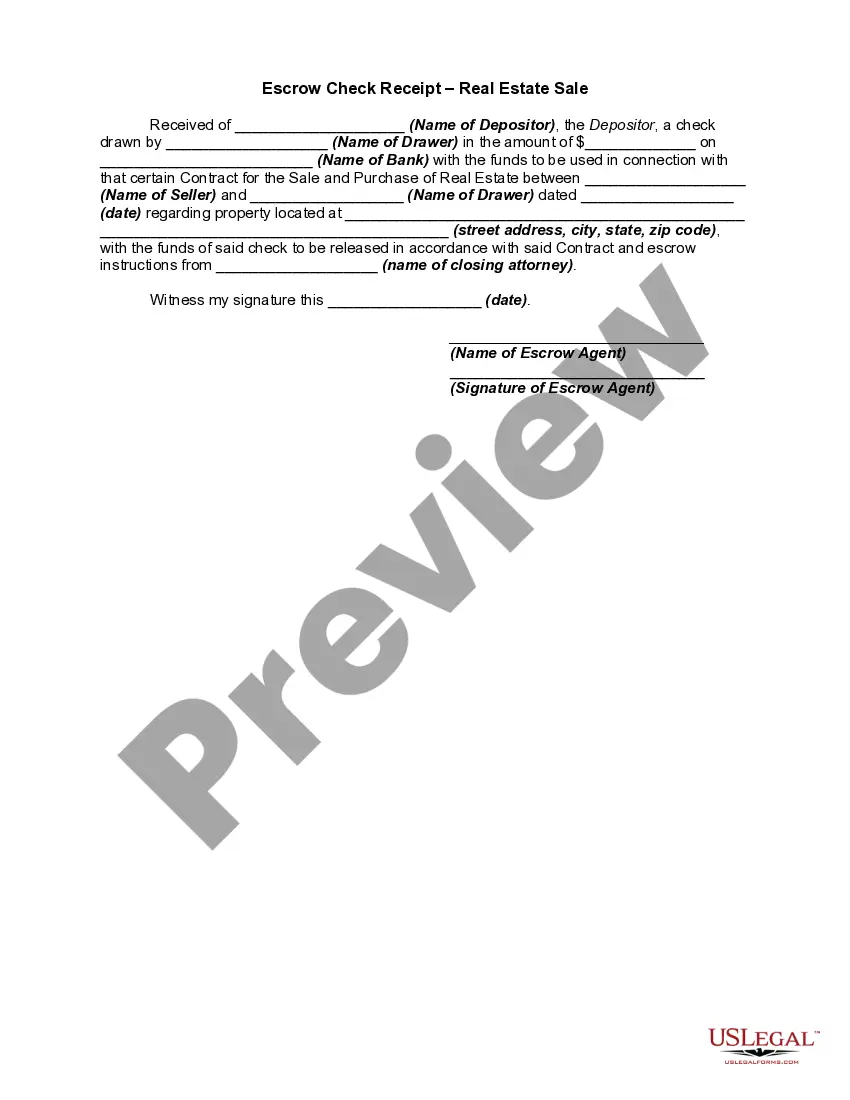
Escrow Release Form For Property In Nevada
Description
Get your form ready online
Our built-in tools help you complete, sign, share, and store your documents in one place.
Make edits, fill in missing information, and update formatting in US Legal Forms—just like you would in MS Word.
Download a copy, print it, send it by email, or mail it via USPS—whatever works best for your next step.
Sign and collect signatures with our SignNow integration. Send to multiple recipients, set reminders, and more. Go Premium to unlock E-Sign.
If this form requires notarization, complete it online through a secure video call—no need to meet a notary in person or wait for an appointment.
We protect your documents and personal data by following strict security and privacy standards.

Make edits, fill in missing information, and update formatting in US Legal Forms—just like you would in MS Word.

Download a copy, print it, send it by email, or mail it via USPS—whatever works best for your next step.

Sign and collect signatures with our SignNow integration. Send to multiple recipients, set reminders, and more. Go Premium to unlock E-Sign.

If this form requires notarization, complete it online through a secure video call—no need to meet a notary in person or wait for an appointment.

We protect your documents and personal data by following strict security and privacy standards.
Looking for another form?







Form popularity
FAQ
This is called the buyer's due diligence period and is typically ten days unless agreed upon otherwise in the contract. The seller is obligated to provide the Homeowner's Association Documents, and the buyer has five days to review those documents once delivered.
The seller must complete the “Seller's Real Property Disclosure” form, detailing the condition of the property, known defects, and any other aspects of the property which may affect its use or value. A real estate licensee, unless he is the seller of the property, may not complete this form.
If asbestos is found, the seller will need to disclose the results to potential buyers.
A seller has a legal duty to disclose anything that they know about the property that is a material fact that could affect a buyer's decision about the property.
The only time a death by any cause must be disclosed is if something that is a part of the property was a cause of or precipitated that death. However if asked, one must be honest.
Currently, the escrow states are: Alaska, Arizona, California, Hawaii, Idaho, Nevada, New Mexico, parts of Ohio, Oregon, Utah and Washington. States that structure closings differently. You and the seller are not required to be in the same location.
After the buyer and seller agree to terms of a sale, the transaction goes into escrow, which can take several weeks (30-45 days or more) to reach closing. Escrow can be opened by the buyer or the seller's real estate agent.
The seller must complete the “Seller's Real Property Disclosure” form, detailing the condition of the property, known defects, and any other aspects of the property which may affect its use or value. A real estate licensee, unless he is the seller of the property, may not complete this form.
. • 8-minute read. If you're buying a home, you'll probably hear the word “escrow” used in a few different contexts. Essentially, escrow is a financial arrangement where a neutral third party holds funds or assets on behalf of two parties involved in a transaction until specific conditions are met.
An escrow agreement is a contract that outlines the terms and conditions between parties involved, and the responsibility of each. Escrow agreements generally involve an independent third party, called an escrow agent, who holds an asset of value until the specified conditions of the contract are met.

