Escrow Seller Does For Taxes Mean In Suffolk
Description

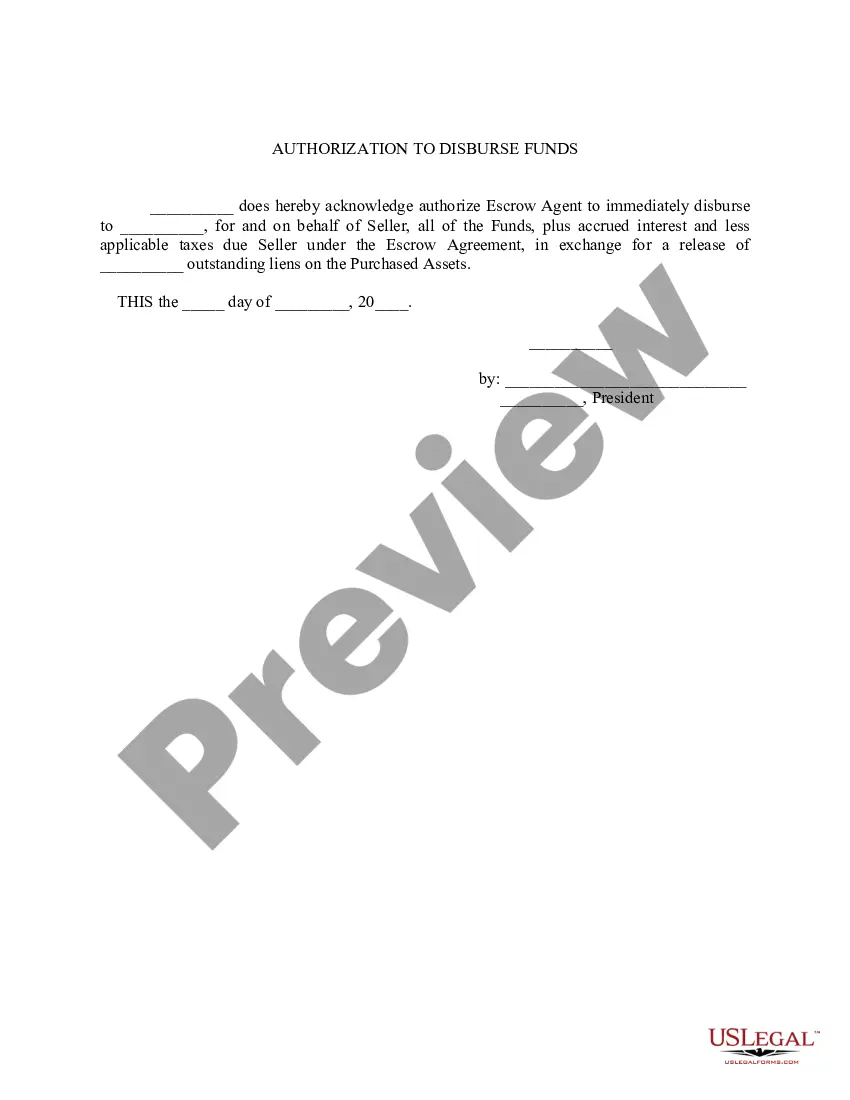
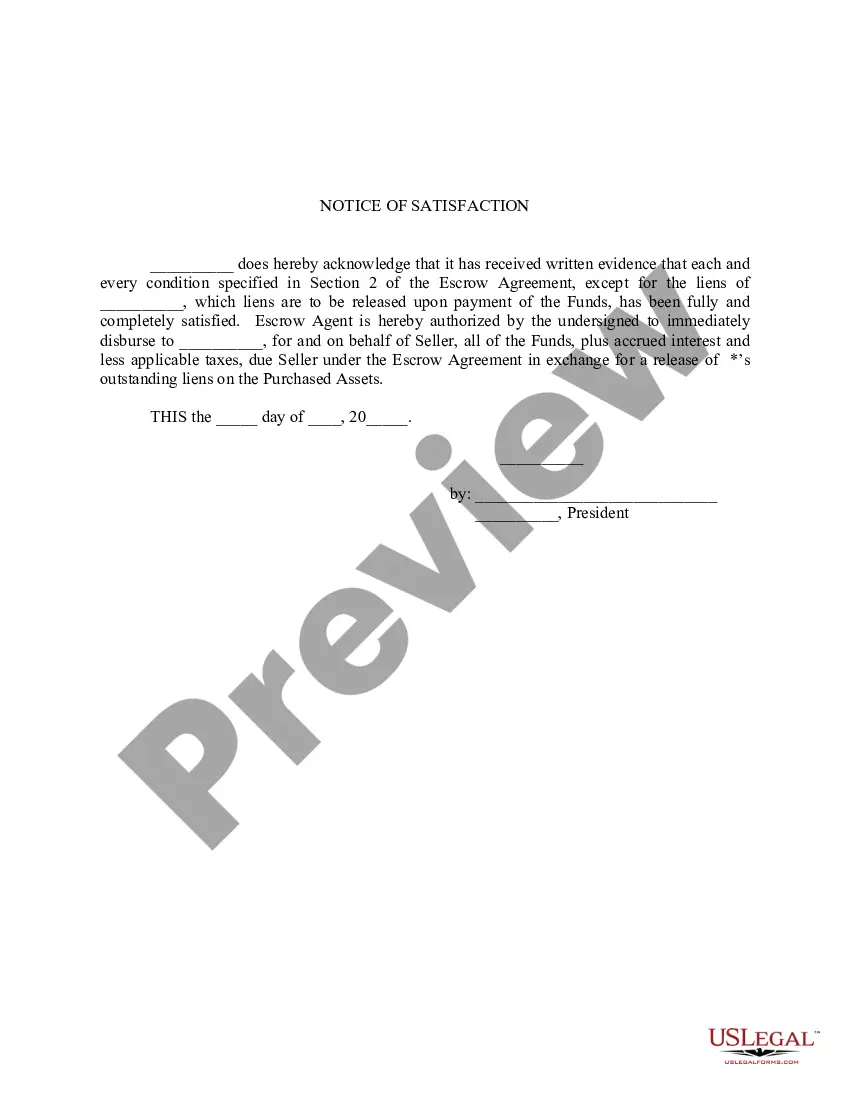
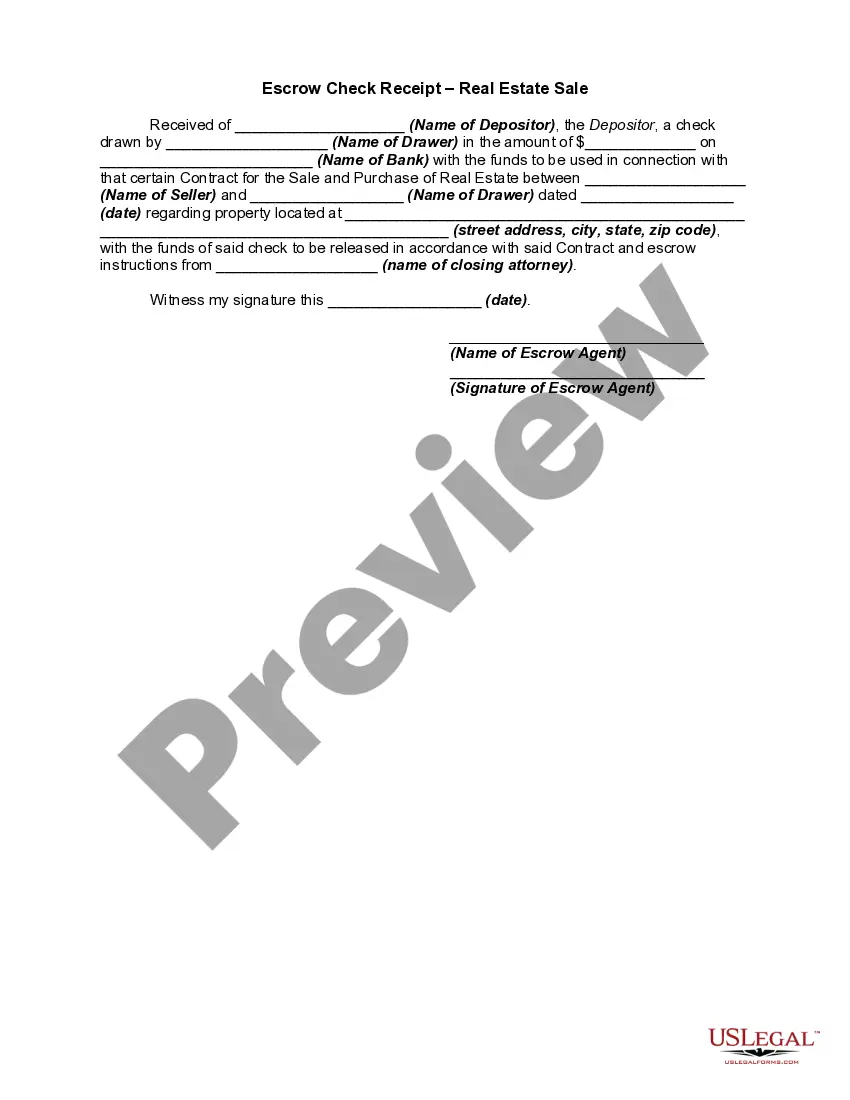
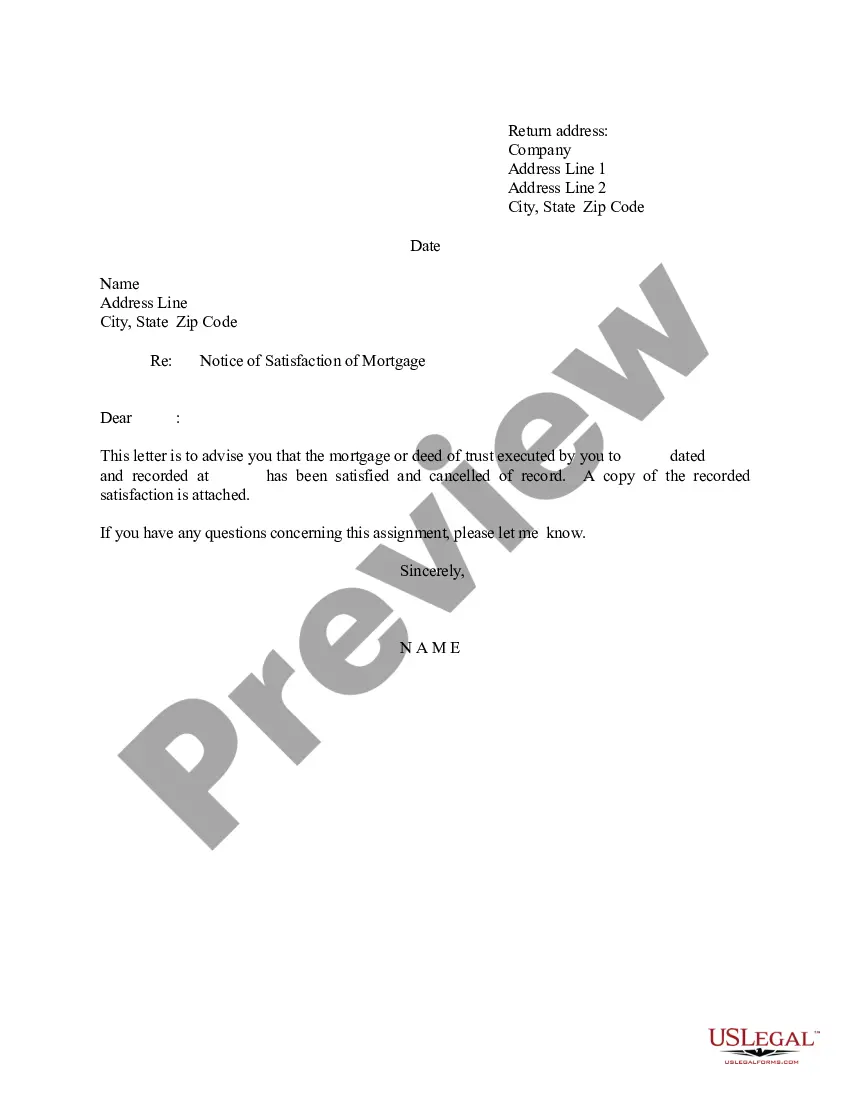
Get your form ready online
Our built-in tools help you complete, sign, share, and store your documents in one place.
Make edits, fill in missing information, and update formatting in US Legal Forms—just like you would in MS Word.
Download a copy, print it, send it by email, or mail it via USPS—whatever works best for your next step.
Sign and collect signatures with our SignNow integration. Send to multiple recipients, set reminders, and more. Go Premium to unlock E-Sign.
If this form requires notarization, complete it online through a secure video call—no need to meet a notary in person or wait for an appointment.
We protect your documents and personal data by following strict security and privacy standards.

Make edits, fill in missing information, and update formatting in US Legal Forms—just like you would in MS Word.

Download a copy, print it, send it by email, or mail it via USPS—whatever works best for your next step.

Sign and collect signatures with our SignNow integration. Send to multiple recipients, set reminders, and more. Go Premium to unlock E-Sign.

If this form requires notarization, complete it online through a secure video call—no need to meet a notary in person or wait for an appointment.

We protect your documents and personal data by following strict security and privacy standards.
Looking for another form?




Form popularity
FAQ
A tax lien is a legal claim placed on your property by the City due to unpaid property taxes, water and sewer charges, and other property-related charges. If you don't resolve your debt, the City will sell the lien to an authorized buyer.
You can call your county's tax collector directly to find out the process for buying tax liens. Some counties advertise the dates and the process on their websites. When counties list auctions on their websites, they will provide information about the properties up for auction and the minimum bids for each property.
- An Executor or Legal Representative Whether an executor or legal representative, they are responsible for paying the property taxes as long as the property is part of the estate.
To be eligible for SCHE, you must be 65 or older, earn no more than $58,399 for the last calendar year, and the property must be your primary residence. The exemption must be renewed every two years. Learn more and get answers to frequently asked questions.
After May 31st of each year, taxes become delinquent and are now payable to the Suffolk County Comptroller. In addition to the flat amount of the tax due, a 5% penalty is added together with interest at the rate of 1% per month calculated from February 1st. Interest is calculated on the total of flat tax and penalty.
To apply for a senior property tax exemption, you'll need to contact your local tax assessor's office or visit their website. They will provide the necessary application forms and guide you through the process.
The typical Suffolk County homeowner pays $10,000 annually in property taxes. That is due, in part, to high home values, as the median value in the county is $413,900. Even so, the average effective property tax rate in Suffolk County is 2.42%, far above both state and national averages.
The State Controller's Property Tax Postponement Program allows homeowners who are seniors, are blind, or have a disability to defer current-year property taxes on their principal residence if they meet certain criteria, including at least 40 percent equity in the home and an annual household income of $53,574 or less ...
If the only income you receive is your Social Security benefits, then you typically don't have to file a federal income tax return.
To qualify, seniors must be 65 years of age or older and meet cedain income limitations and requirements as set by the local taxing district. status, residency and occupancy, and income. apply, you must provide satisfactory proof of age, such as a bifth cerlificate or baptismal certificate.
