Escrow Seller Does For Seller In Phoenix
Description

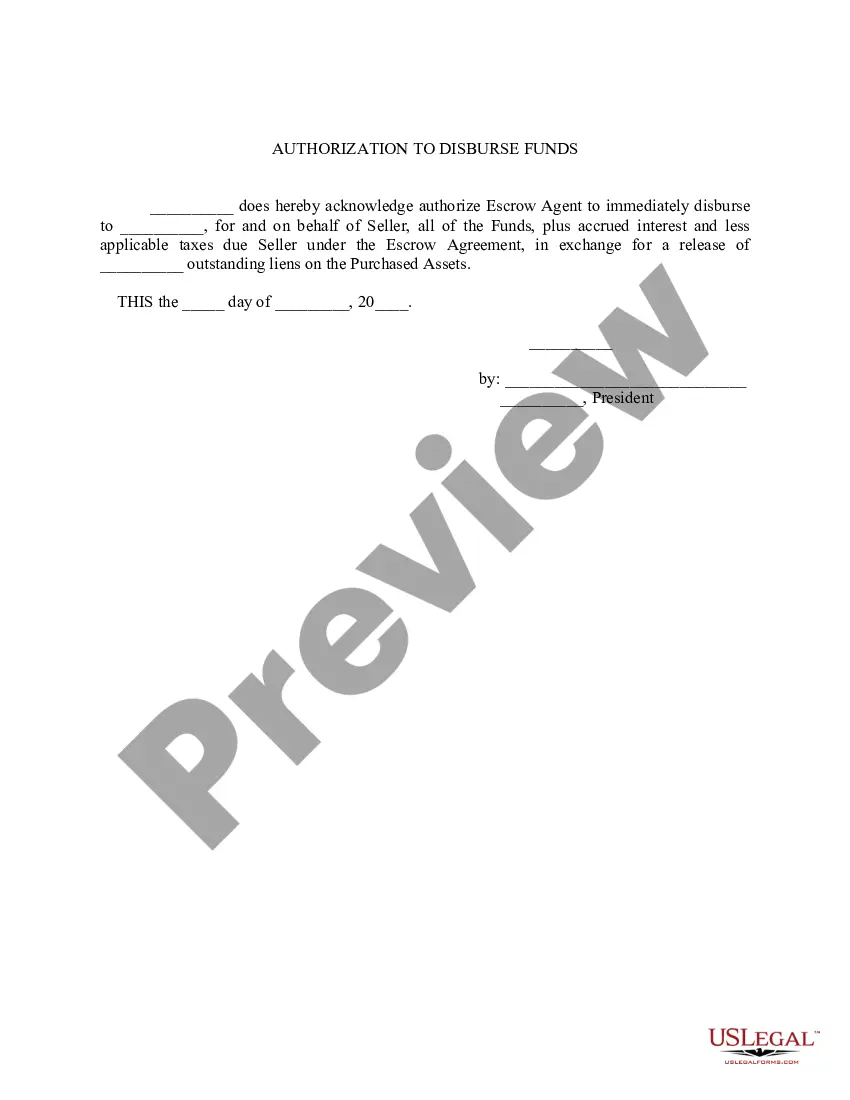
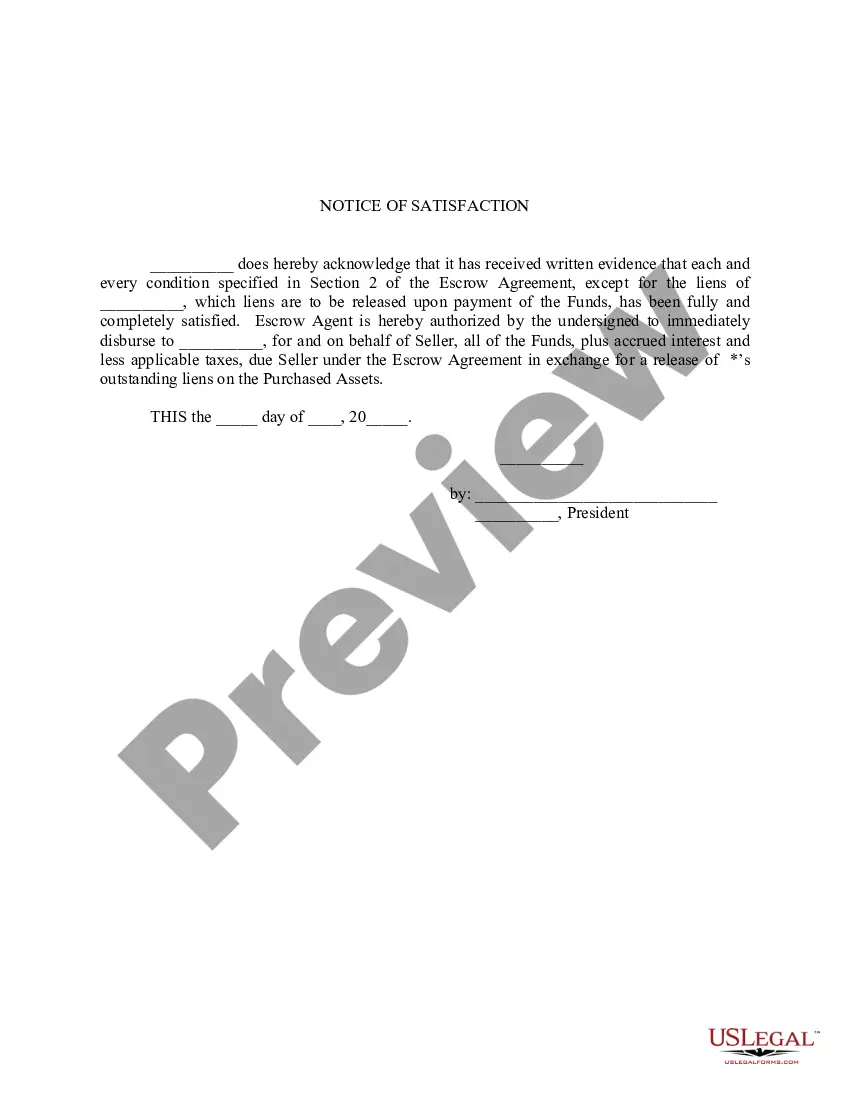
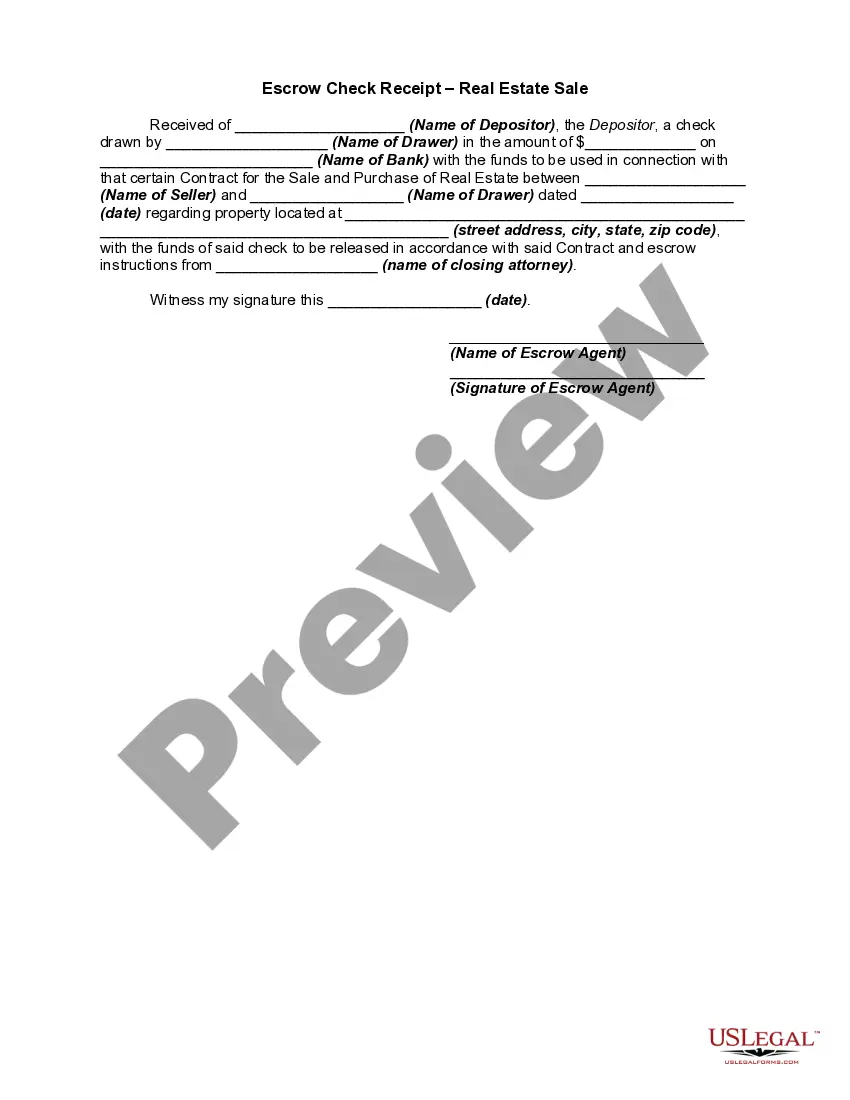
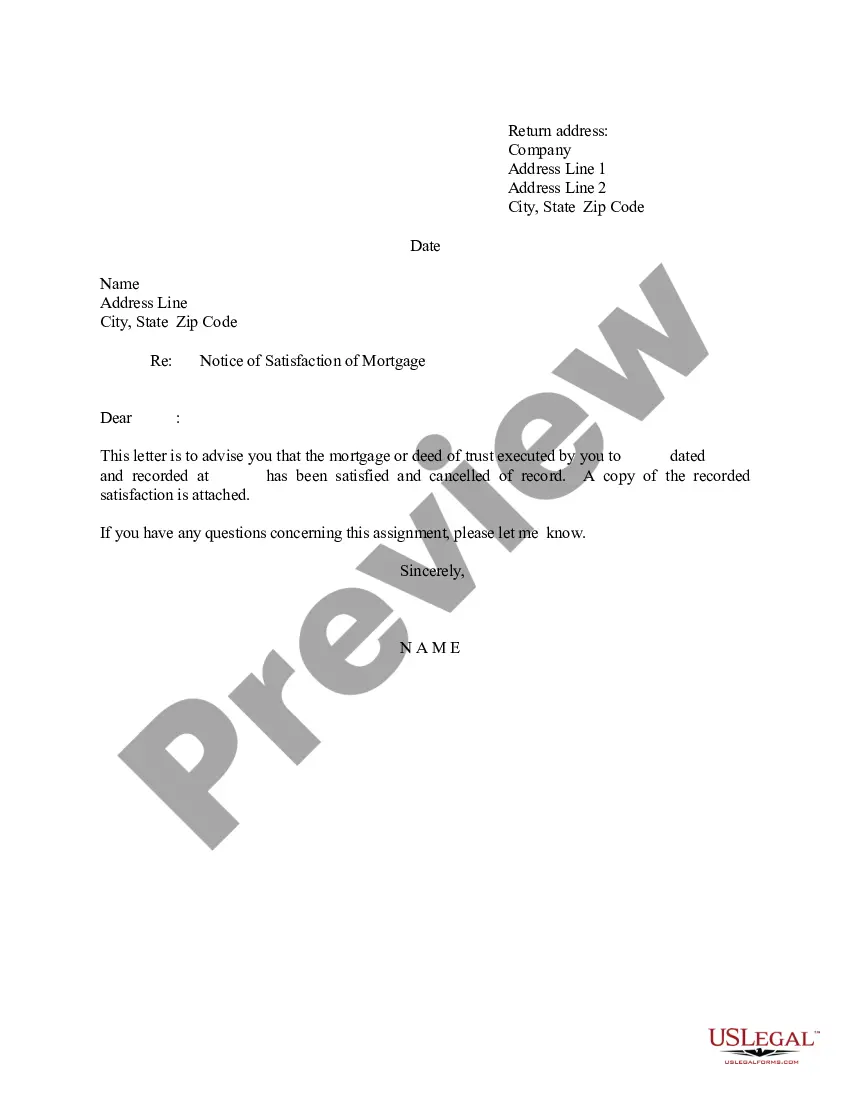
Get your form ready online
Our built-in tools help you complete, sign, share, and store your documents in one place.
Make edits, fill in missing information, and update formatting in US Legal Forms—just like you would in MS Word.
Download a copy, print it, send it by email, or mail it via USPS—whatever works best for your next step.
Sign and collect signatures with our SignNow integration. Send to multiple recipients, set reminders, and more. Go Premium to unlock E-Sign.
If this form requires notarization, complete it online through a secure video call—no need to meet a notary in person or wait for an appointment.
We protect your documents and personal data by following strict security and privacy standards.

Make edits, fill in missing information, and update formatting in US Legal Forms—just like you would in MS Word.

Download a copy, print it, send it by email, or mail it via USPS—whatever works best for your next step.

Sign and collect signatures with our SignNow integration. Send to multiple recipients, set reminders, and more. Go Premium to unlock E-Sign.

If this form requires notarization, complete it online through a secure video call—no need to meet a notary in person or wait for an appointment.

We protect your documents and personal data by following strict security and privacy standards.
Looking for another form?





Form popularity
FAQ
The choice of escrow agent is typically agreed upon by the buyer and seller. However, the specific preferences can vary depending on local practices and negotiations between the parties.
In California, the buyer may choose the escrow company.
After the buyer and seller agree to terms of a sale, the transaction goes into escrow, which can take several weeks (30-45 days or more) to reach closing. Escrow can be opened by the buyer or the seller's real estate agent.
The California Escrow Process Step 1: Escrow Begins. Step 2: Initial Deposit. Step 3: Disclosures and Inspections. Step 4: Repair Negotiations and Appraisal. Step 5: The Mortgage Process. Step 6: Title Searches and Insurance. Step 7: Final Verification.
