Escrow Seller Does For Repairs In Montgomery
Description

Get your form ready online
Our built-in tools help you complete, sign, share, and store your documents in one place.
Make edits, fill in missing information, and update formatting in US Legal Forms—just like you would in MS Word.
Download a copy, print it, send it by email, or mail it via USPS—whatever works best for your next step.
Sign and collect signatures with our SignNow integration. Send to multiple recipients, set reminders, and more. Go Premium to unlock E-Sign.
If this form requires notarization, complete it online through a secure video call—no need to meet a notary in person or wait for an appointment.
We protect your documents and personal data by following strict security and privacy standards.

Make edits, fill in missing information, and update formatting in US Legal Forms—just like you would in MS Word.

Download a copy, print it, send it by email, or mail it via USPS—whatever works best for your next step.

Sign and collect signatures with our SignNow integration. Send to multiple recipients, set reminders, and more. Go Premium to unlock E-Sign.

If this form requires notarization, complete it online through a secure video call—no need to meet a notary in person or wait for an appointment.

We protect your documents and personal data by following strict security and privacy standards.
Looking for another form?
Form popularity
FAQ
As the seller, you are responsible for meeting the terms agreed upon in the contract, such as: Adhering to the agreed-upon timeline for inspections, appraisals, and closing dates. Making any repairs or improvements that were part of the negotiation.
If the seller agreed in writing to make repairs, the seller is obligated by contract to fix those repairs before closing. You are obligated to close before you are in contract too, but you can extend the closing date to give seller more time to make the repairs, if you want to.
How long does seller have to make repairs? Your home inspection contingency should have a specified time frame for you to request repairs from the seller. Usually, you'll have between five and ten business days to deliberate, request any additional inspections, and make your request.
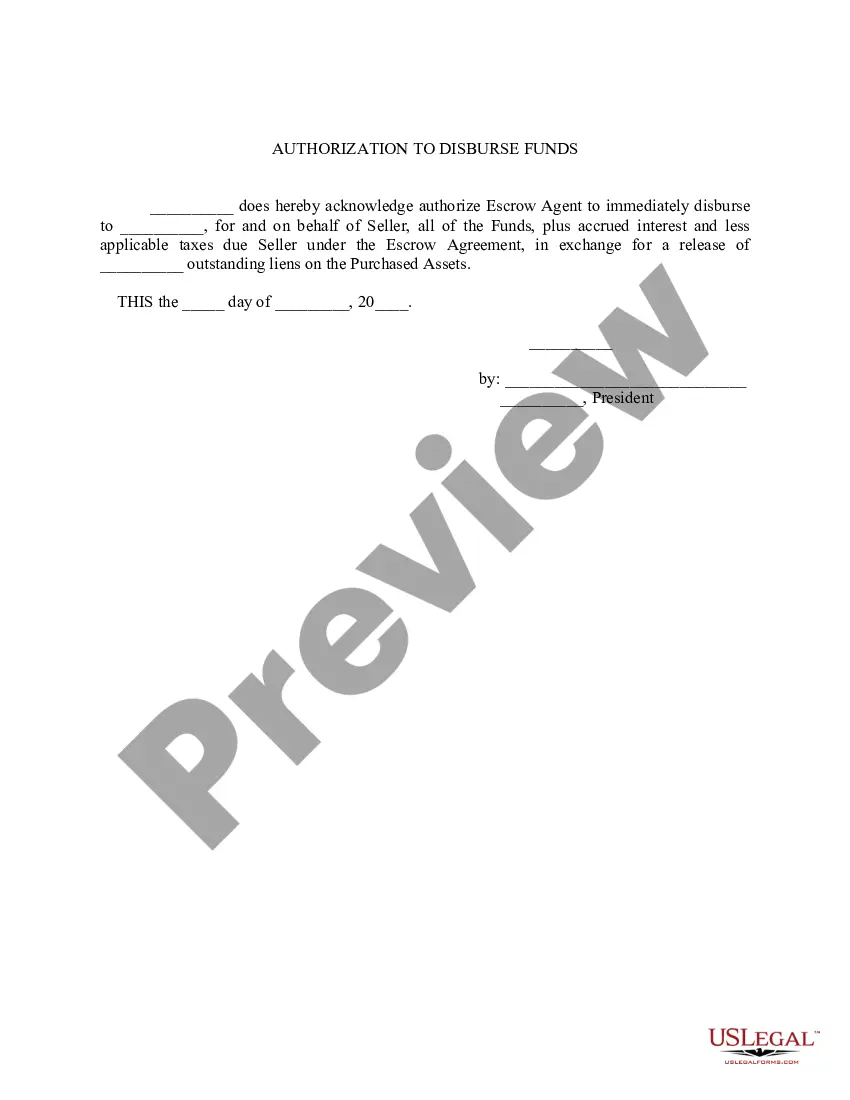
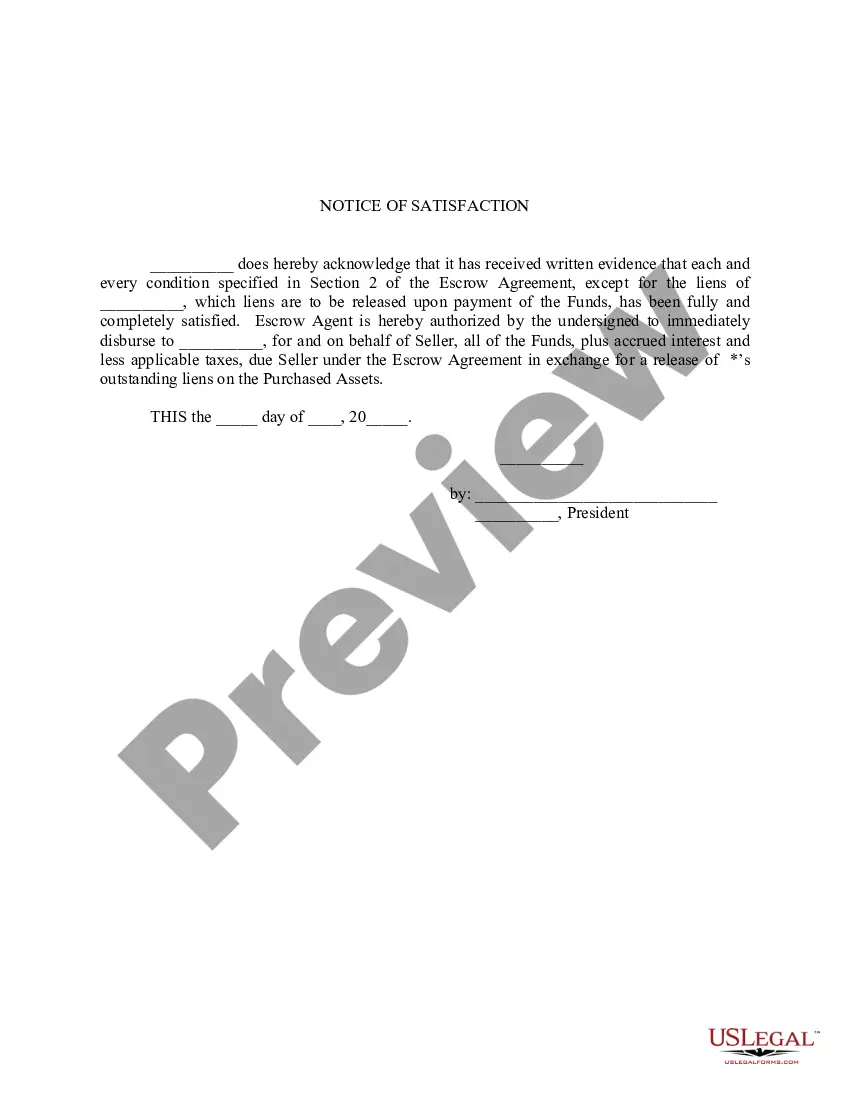
An escrow holdback is when additional funds are collected at closing – usually from the seller – and held until any problems with the transaction are resolved. This most often is done to ensure specific repairs are completed and approved, after which the seller is refunded the holdback amount.
Final answer: A warranty liability is true. It is a seller's obligation to replace or fix a product or service that fails to perform as expected within a specified period of time.
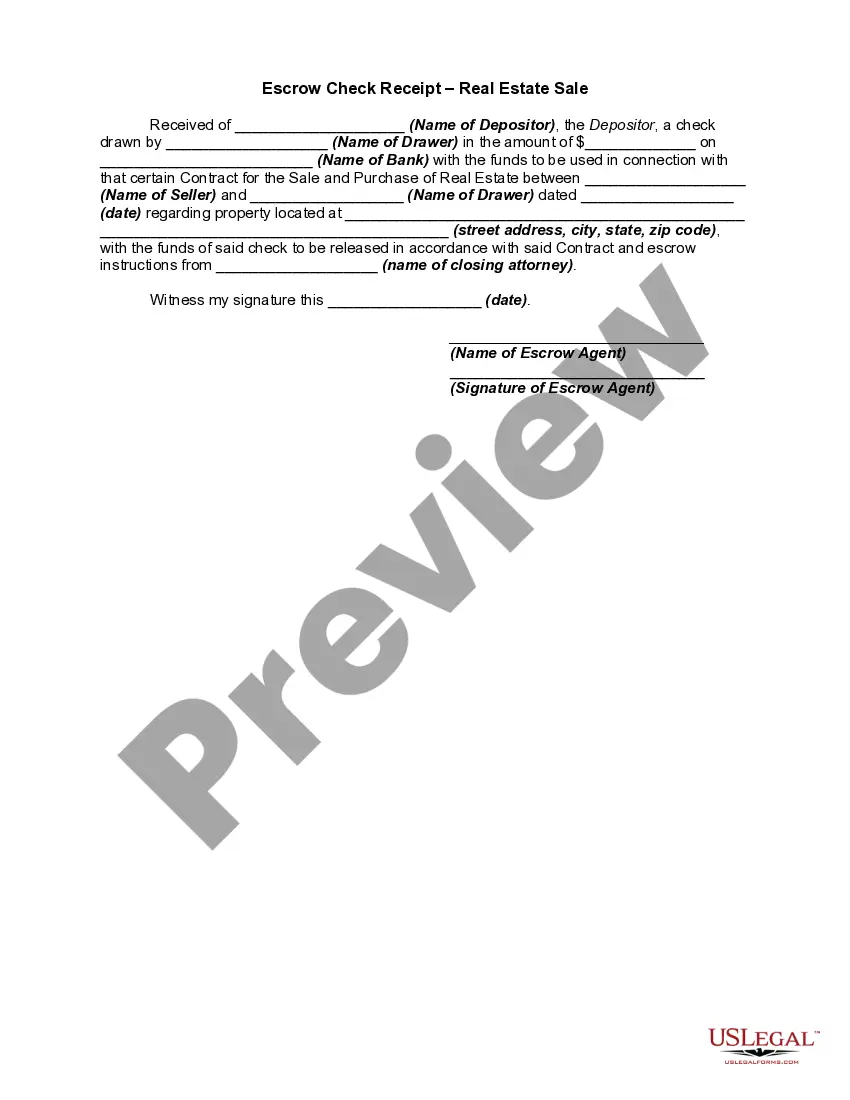
Escrow instructions are written directions to an escrow agent which state the duties of the parties and the escrow holder. Note that an existing agent or an attorney of grantor or grantee cannot act as an escrow agent due to the conflict of interest in the duties.
Ensuring the seller completes all repairs properly is crucial to protecting your investment. If the seller refuses to address the repairs, you might need to consider legal action. A real estate attorney can help you understand your legal options and the best course of action.
Escrow Account Setup: The agreed-upon funds are placed in an escrow account, which is typically managed by the closing agent or title company. Closing and Funding: The sale proceeds as usual, with the funds for the repairs held in escrow rather than being disbursed to the seller.
If a seller backs out without a contingency clause to justify the decision, they could face legal action from the buyer, including claims for damages.