Escrow Seller Does For Property Taxes In Los Angeles
Description

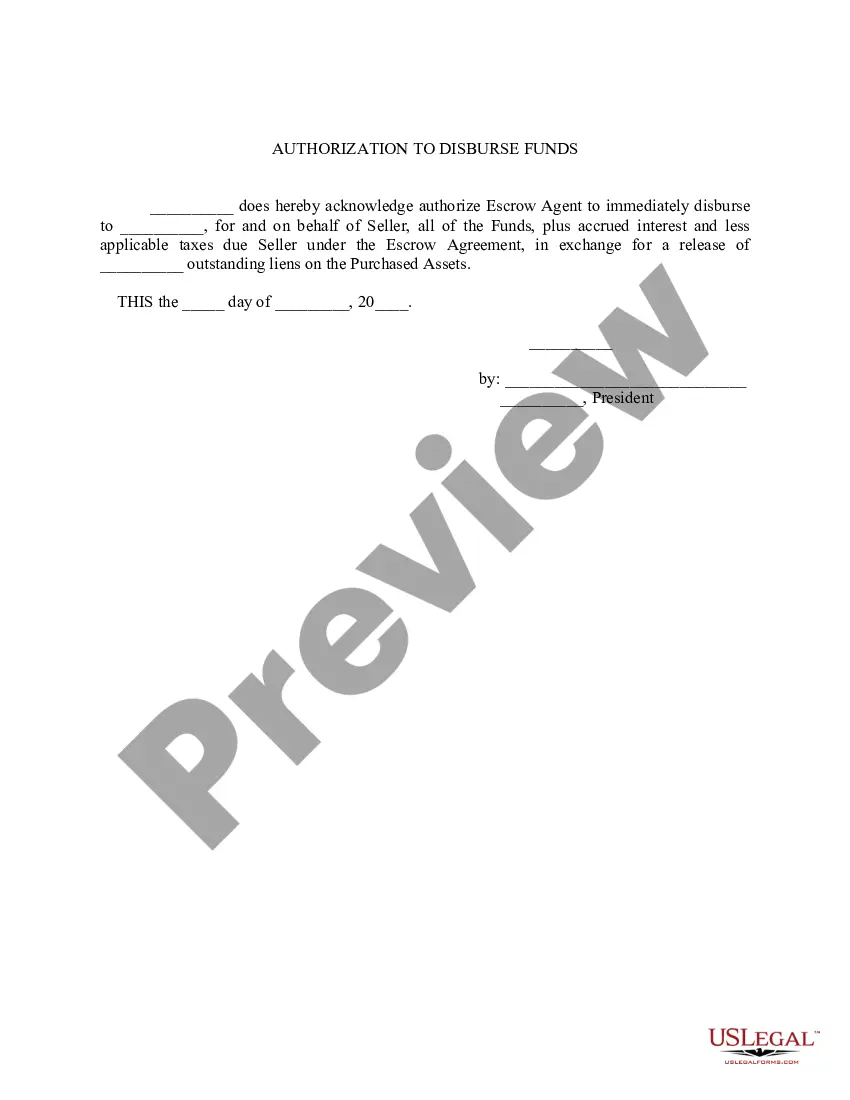
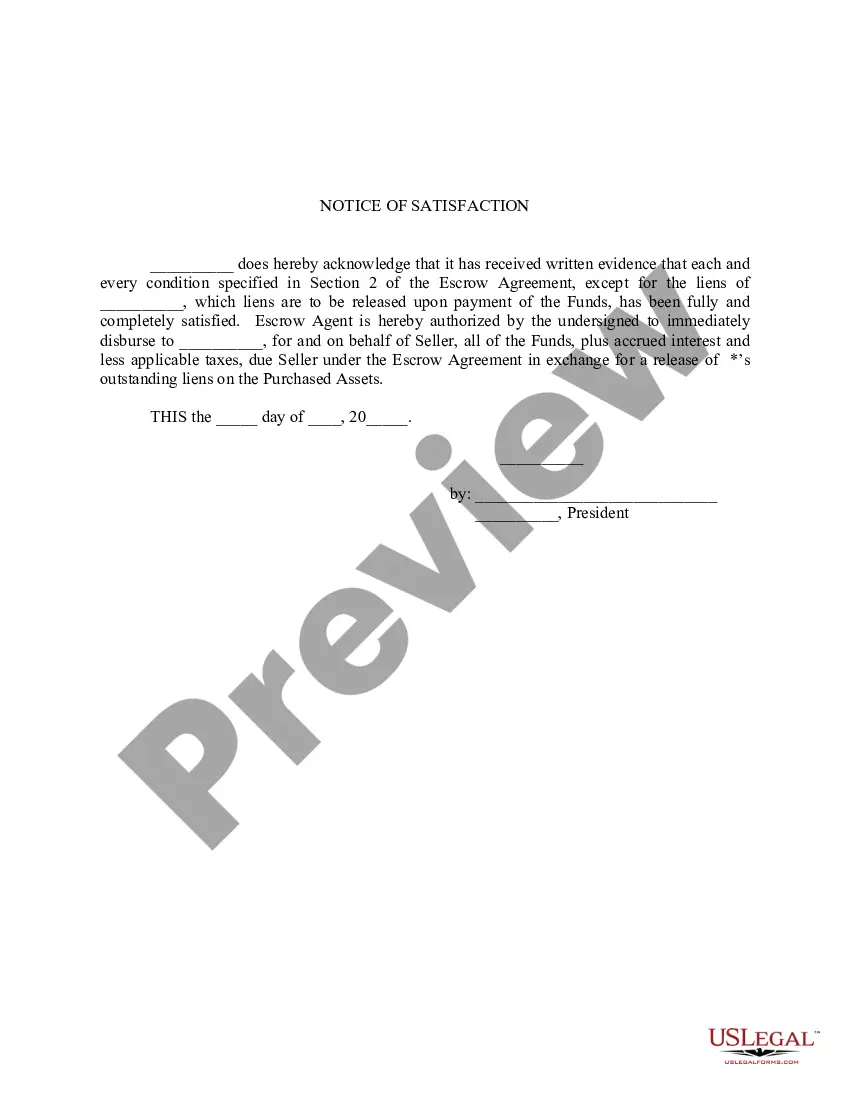
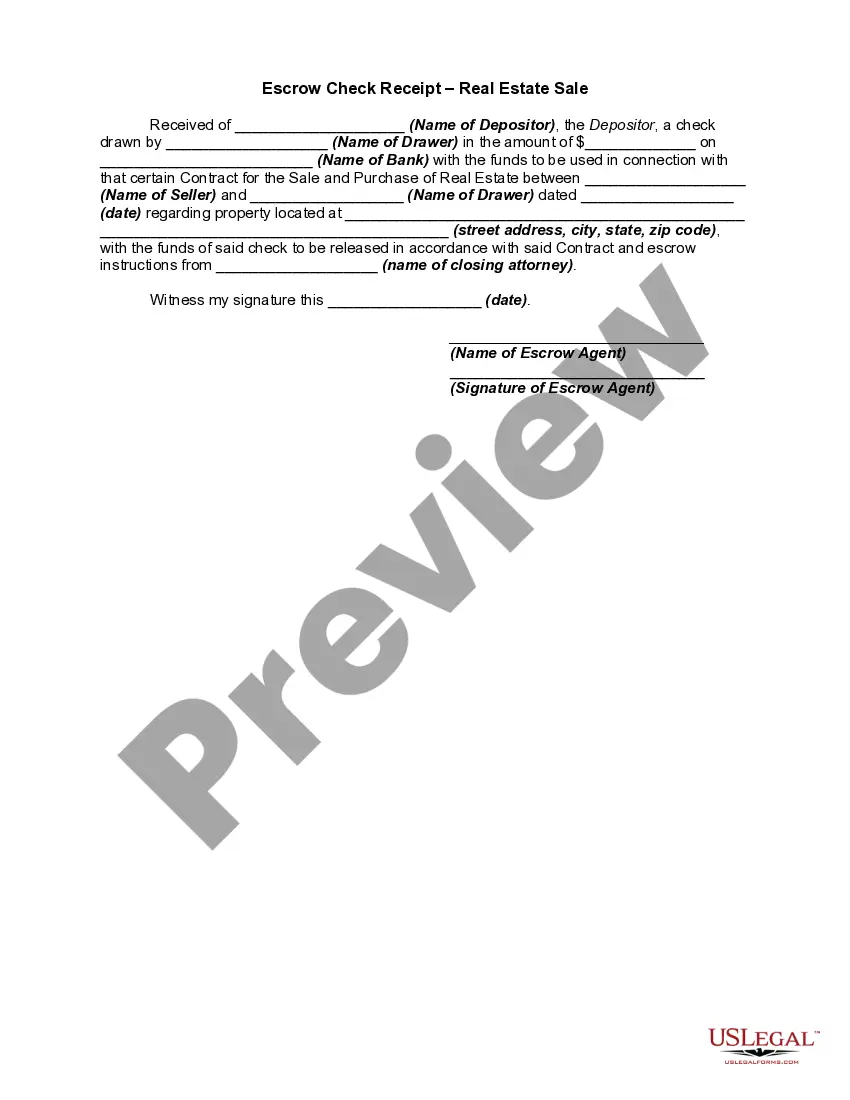
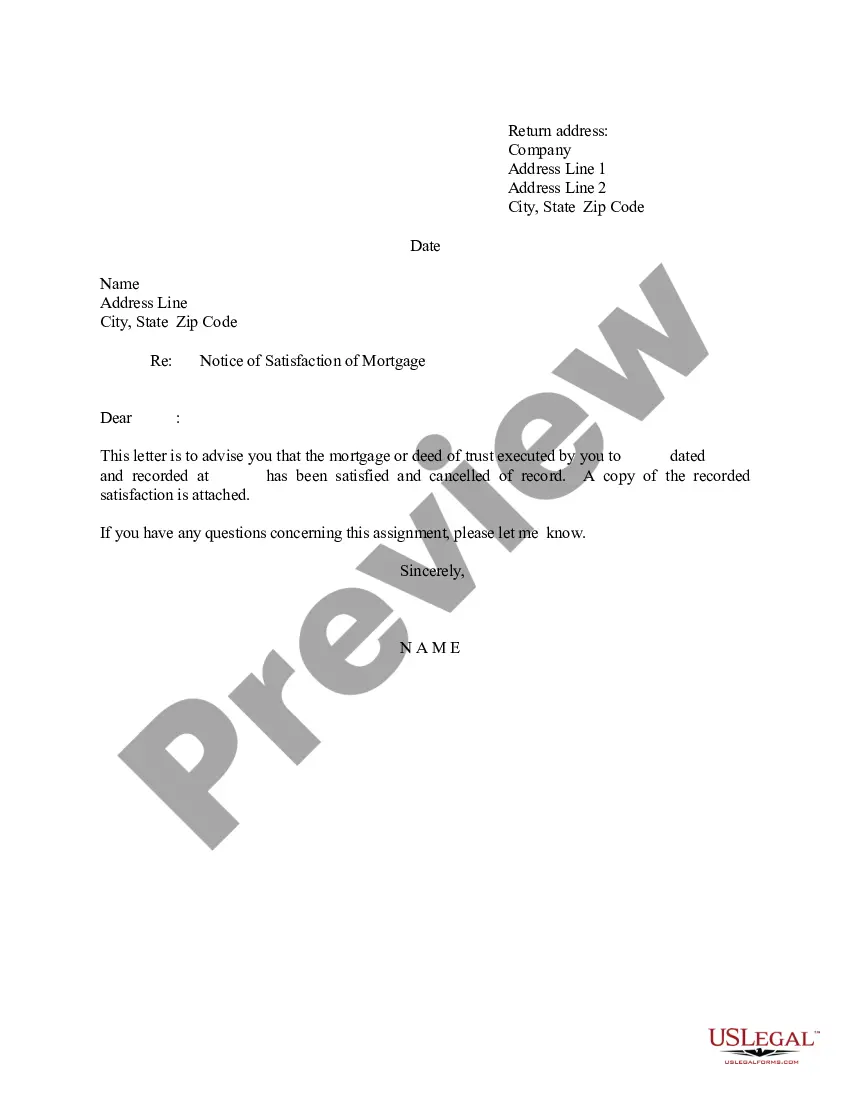
Get your form ready online
Our built-in tools help you complete, sign, share, and store your documents in one place.
Make edits, fill in missing information, and update formatting in US Legal Forms—just like you would in MS Word.
Download a copy, print it, send it by email, or mail it via USPS—whatever works best for your next step.
Sign and collect signatures with our SignNow integration. Send to multiple recipients, set reminders, and more. Go Premium to unlock E-Sign.
If this form requires notarization, complete it online through a secure video call—no need to meet a notary in person or wait for an appointment.
We protect your documents and personal data by following strict security and privacy standards.

Make edits, fill in missing information, and update formatting in US Legal Forms—just like you would in MS Word.

Download a copy, print it, send it by email, or mail it via USPS—whatever works best for your next step.

Sign and collect signatures with our SignNow integration. Send to multiple recipients, set reminders, and more. Go Premium to unlock E-Sign.

If this form requires notarization, complete it online through a secure video call—no need to meet a notary in person or wait for an appointment.

We protect your documents and personal data by following strict security and privacy standards.
Looking for another form?
Form popularity
FAQ
Mortgage specialist here: it's very common to have your tax payment included in you mortgage payment. This may be due to fact that you have a default insured mortgage. The underwriters of said insurance requires that your bank manages and pays your municipal taxes for you.
What to do if You Get a Tax Bill When Your Taxes are Escrowed. Contact your local tax authority to confirm whether the bill is informational or remains unpaid. Let them know your taxes are escrowed and ask if they've received payment from your mortgage servicer.
The Seller is only responsible for making tax payments that come due during the time period that the Seller owns the property. On the day of closing, the Buyer is the owner of the property, and the Buyer is responsible for tax bills that come due on or after that date.
Effective for transactions closing after June 30, 2024, the new thresholds for ULA will be $5,150,000 and $10,300,000. Transactions above $5,150,000 but under $10,300,000 will be assessed a 4% tax and transactions $10,300,000 and up will be assessed a 5.5% tax.
On July 1, 1983, Senate Bill 813 amended the California Revenue & Taxation Code to create "Supplemental Assessments." Under this law, reassessments are effective the first day of the month following the date of change in ownership or completion of new construction.
In California, all properties are subject to a basic tax rate of 1% based on their assessed value. This value is set by the county assessor when the property is bought or newly built. For example, if your assessment is $500,000, the basic property tax you owe would be $5,000 annually.
SUPPLEMENTAL PROPERTY TAXES Any time there is a change in ownership or new construction, the Los Angeles County Assessor re-assesses the value. If the property has been reassessed at a higher value, you will receive one or more Supplemental Tax Bills in addition to the Annual Secured Property Tax Bill mentioned above.
The ULA Tax is imposed on all documents that convey real property within the City of Los Angeles when the consideration or value of the real property interest conveyed exceeds a threshold of five million dollars, or is ten million dollars or greater, respectively.
To set up your mortgage escrow account, the lender will calculate your annual tax and insurance payments, divide the amount by 12 and add the result to your monthly mortgage statement.
No. Legal title to a tax-defaulted property subject to the Tax Collector's power to sell can only be obtained by becoming the successful bidder at the county tax sale. Paying the outstanding property taxes on such property will only benefit the current owner.
