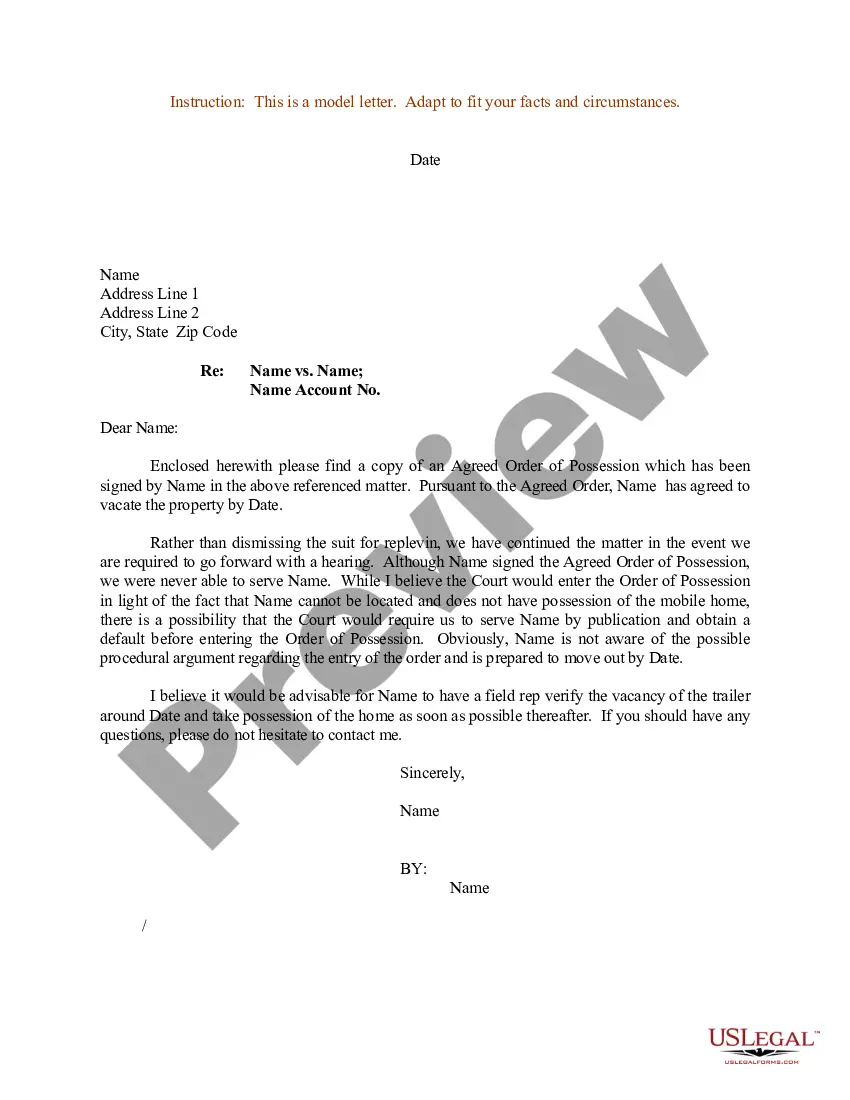
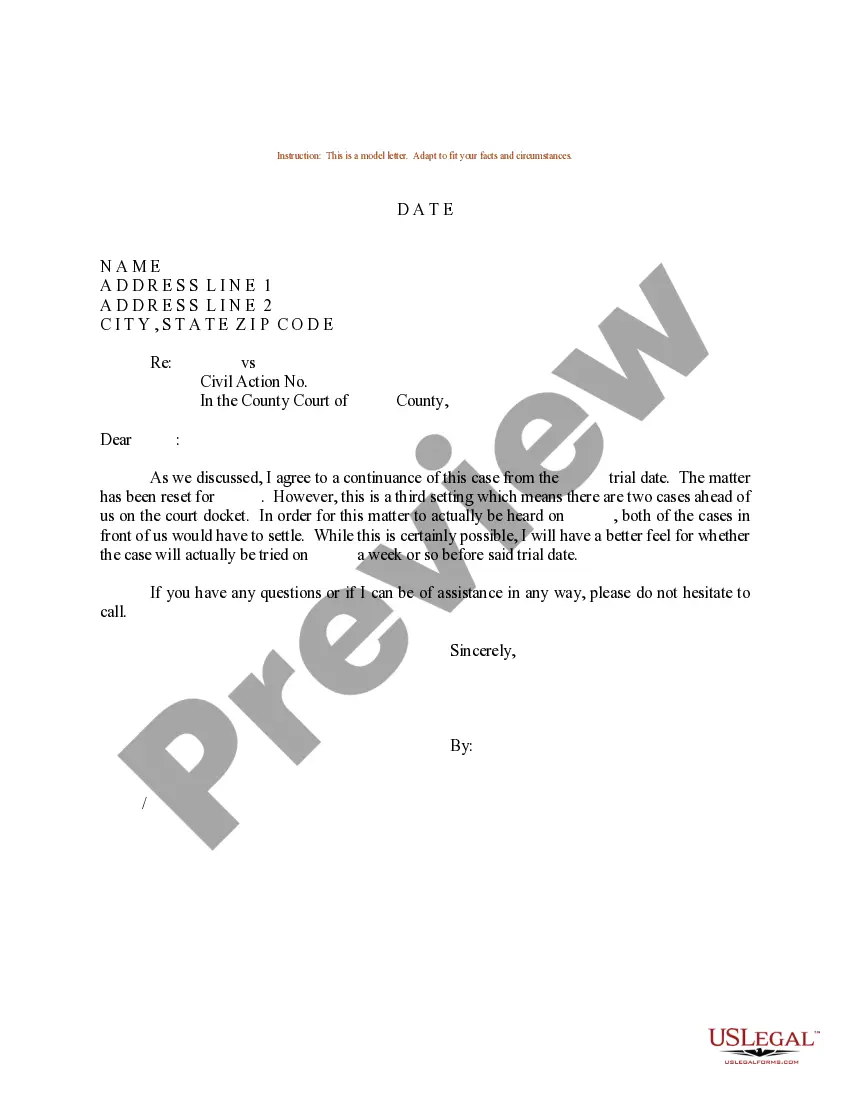
Court Letter Sample With Thru In Los Angeles
Description



Get your form ready online
Our built-in tools help you complete, sign, share, and store your documents in one place.
Make edits, fill in missing information, and update formatting in US Legal Forms—just like you would in MS Word.
Download a copy, print it, send it by email, or mail it via USPS—whatever works best for your next step.
Sign and collect signatures with our SignNow integration. Send to multiple recipients, set reminders, and more. Go Premium to unlock E-Sign.
If this form requires notarization, complete it online through a secure video call—no need to meet a notary in person or wait for an appointment.
We protect your documents and personal data by following strict security and privacy standards.

Make edits, fill in missing information, and update formatting in US Legal Forms—just like you would in MS Word.

Download a copy, print it, send it by email, or mail it via USPS—whatever works best for your next step.

Sign and collect signatures with our SignNow integration. Send to multiple recipients, set reminders, and more. Go Premium to unlock E-Sign.

If this form requires notarization, complete it online through a secure video call—no need to meet a notary in person or wait for an appointment.

We protect your documents and personal data by following strict security and privacy standards.
Looking for another form?

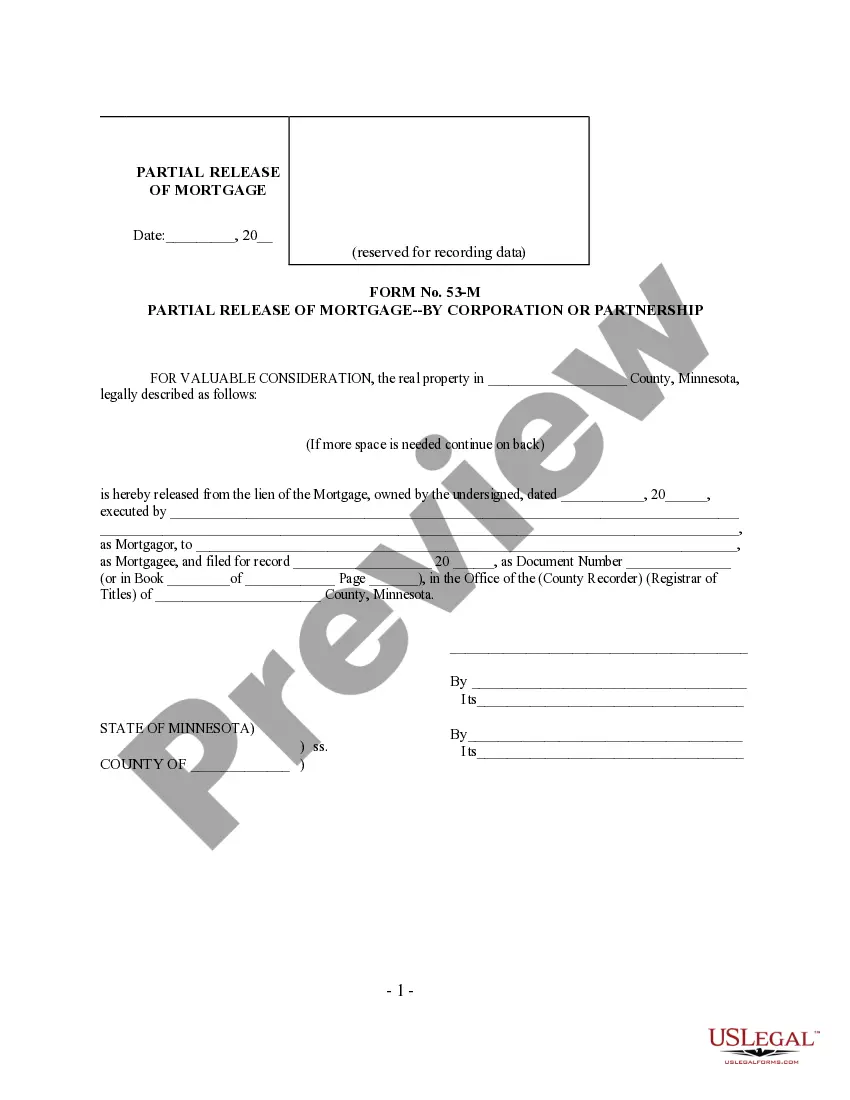
Form popularity
FAQ
The letter should be addressed to the Judge, but mailed to the defendant's attorney. Who are you? ... Make it personal when describing the defendant's characteristics. Only talk about what you know. Be truthful. Never attack the victims or law enforcement. Never allow the defendant to write the letter for you.
Issued by the California probate court, Letters of Administration is a document that personal administrators use to officially provide proof of their authority to act on behalf of a deceased person's estate.
Demand Letter Components Facts of the case. An outline of what happened. Statement of the issue. A brief description of the problem. Demand. The dollar amount or action necessary to resolve the case. Response deadline. The date by which the recipient must respond. Noncompliance consequences.
Sample Format for a Character Letter First Paragraph: Explain who you are. Second Paragraph: Explain why you are writing the letter. Third Paragraph: Thank the court, and make your “ask.” State that you are available to confirm the facts in this letter as necessary.
If you are trying to resolve a dispute, you may want to send a demand letter. You can write one yourself, but hiring an attorney will help you navigate legalities and show the recipient the seriousness of the matter.
Collect together the name and address for your debtor, the amount due, the dates involved with your claim such as starting date of debt, and your supporting documentation usually your invoices and your statement. Use these facts to write a clear statement explaining the monies owed to you.
Be as persuasive as possible as you write your motion in a sequential, logical format. Express your ideas clearly, and make sure you outline what steps are necessary and how they will help your case. Use facts of the case whenever you can to avoid baseless emotional appeals.
No, in California a person cannot refuse to accept service. If we can identify a person on whom legal service can be made either personally or by sub-service and they refuse to “accept” the documents, we can absolutely still serve them. It is common for subjects to try to refuse served papers.
Steps Check if a motion is available. One common motion is a motion for summary judgment. Get a sample. You should try to find a sample motion to use when drafting your own. Open a word processing document. Insert the caption. Title your motion. Introduce yourself. Research the law. Explain supporting facts.
Steps Check if the court has blank motion forms. Some courts have "check the boxes" or "fill in the blank" motion forms. Create your caption. Title your motion. Draft the introductory paragraph to the body of the motion. Request relief. Lay out the applicable facts. Make your legal argument. Insert a signature block.
