Difference Between Satisfaction And Satisfactory In Illinois
Description

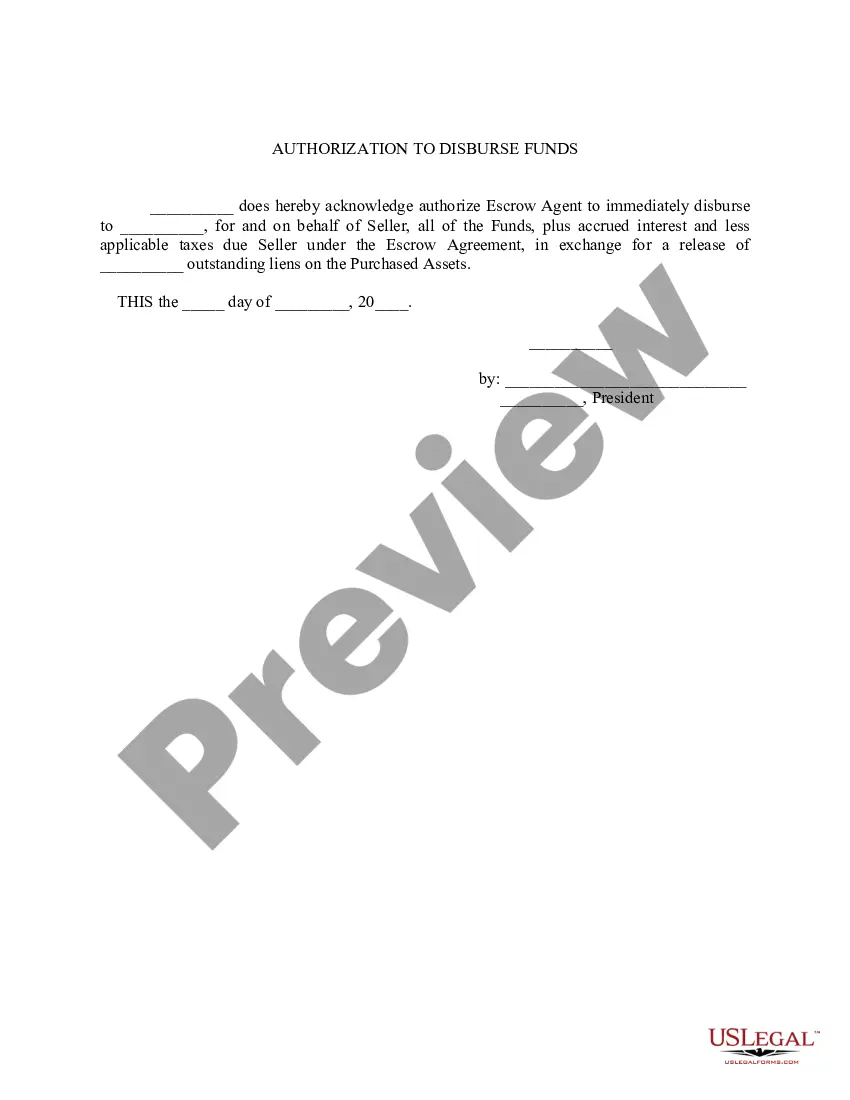
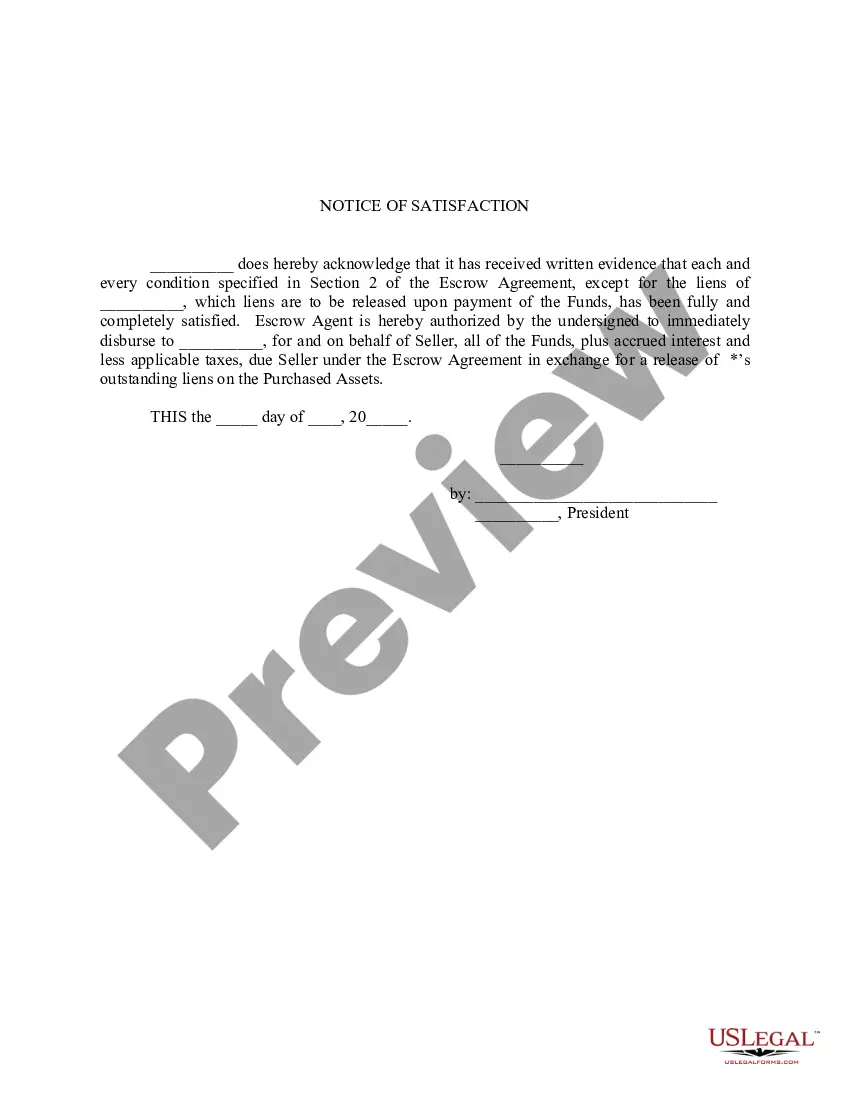
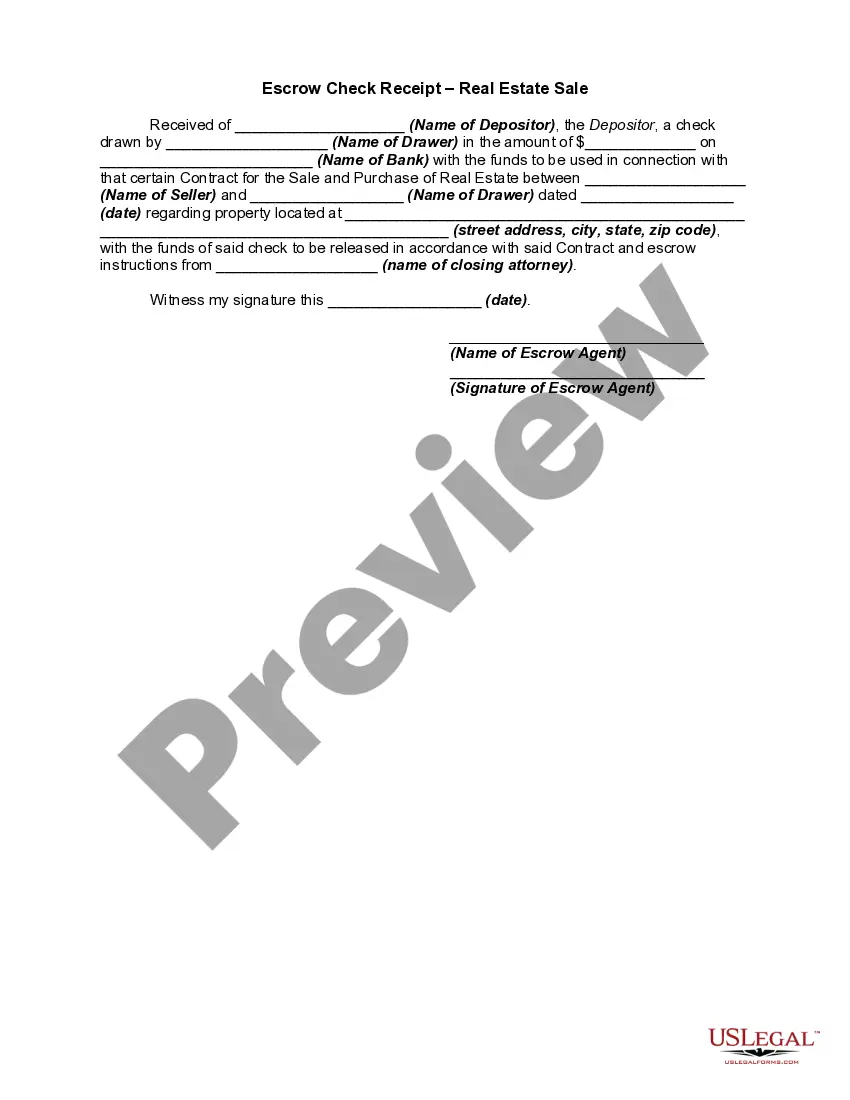
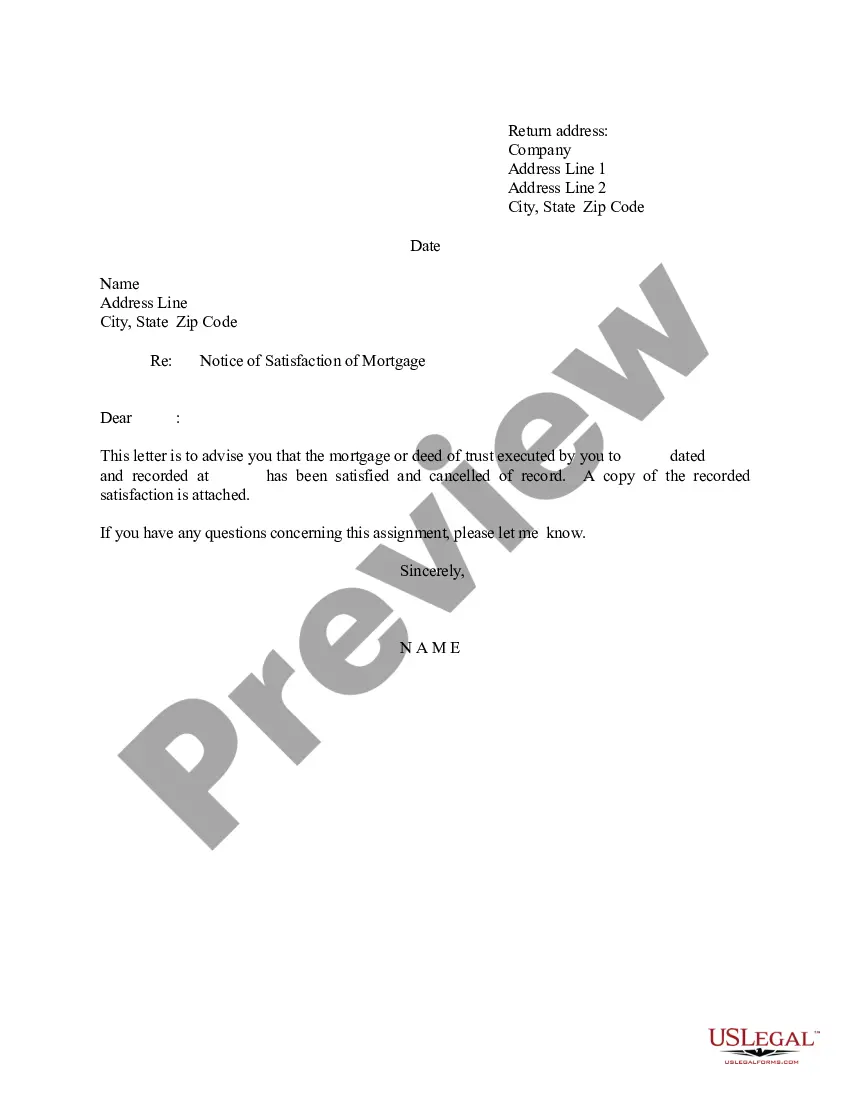
Get your form ready online
Our built-in tools help you complete, sign, share, and store your documents in one place.
Make edits, fill in missing information, and update formatting in US Legal Forms—just like you would in MS Word.
Download a copy, print it, send it by email, or mail it via USPS—whatever works best for your next step.
Sign and collect signatures with our SignNow integration. Send to multiple recipients, set reminders, and more. Go Premium to unlock E-Sign.
If this form requires notarization, complete it online through a secure video call—no need to meet a notary in person or wait for an appointment.
We protect your documents and personal data by following strict security and privacy standards.

Make edits, fill in missing information, and update formatting in US Legal Forms—just like you would in MS Word.

Download a copy, print it, send it by email, or mail it via USPS—whatever works best for your next step.

Sign and collect signatures with our SignNow integration. Send to multiple recipients, set reminders, and more. Go Premium to unlock E-Sign.

If this form requires notarization, complete it online through a secure video call—no need to meet a notary in person or wait for an appointment.

We protect your documents and personal data by following strict security and privacy standards.
Looking for another form?







Form popularity
FAQ
(b) The motion to compel discovery shall be served upon respondent and filed within 15 days after respondent first evidenced a refusal or failure to comply with Sections 372 and 372.1, or within 30 days after the discovery request was made and respondent has failed to reply to the request or within another time ...
Sec. 2-204. Service on private corporations. A private corporation may be served (1) by leaving a copy of the process with its registered agent or any officer or agent of the corporation found anywhere in the State; or (2) in any other manner now or hereafter permitted by law.
A person or entity named as a respondent in discovery in any civil action may be made a defendant in the same action at any time within 6 months after being named as a respondent in discovery, even though the time during which an action may otherwise be initiated against him or her may have expired during such 6 month ...
And satisfaction is a defense to a breach of contract claim under Illinois law. An and satisfaction is a contractual method of discharging debts or claims between the parties to such an agreement. To constitute an and satisfaction there must be: A genuine dispute pending between the parties.
A party can only send 30 interrogatories. However, this number can be increased if the other party agrees or the court allows more. If there is more than one other party in the case, the requesting party must give copies to all other parties. A party who receives interrogatories has 28 days to answer or object.
HOW TO CALCULATE POST JUDGMENT INTEREST Take your judgment amount and multiply it by your post judgment rate (%). Take the total and divide it by 365 (the number of days in a year). You will end up with the amount of post judgment interest per day.
The plaintiff in any civil action may designate as respondents in discovery in his or her pleading those individuals or other entities, other than the named defendants, believed by the plaintiff to have information essential to the determination of who should properly be named as additional defendants in the action.
Sometimes, there are exceptions via a discovery rule, allowing for a delay to the statute of limitations to start the time tolling not on the date the incident occurred leading to injury but instead on the date of discovery of an injury or when damages were first reasonably discoverable, per 735 ILCS 5/13-214.3(b).
It becomes a Class 4 felony—maximum 3 years—if you obtain at least $150 worth of property within 90 days with your bad check(s).
Illinois became the 23rd state that will automatically expunge a juvenile's record in certain circumstances. The law will take effect on Jan. 1, 2025.
