Escrow Seller Does For Taxes Mean In Hennepin
Description

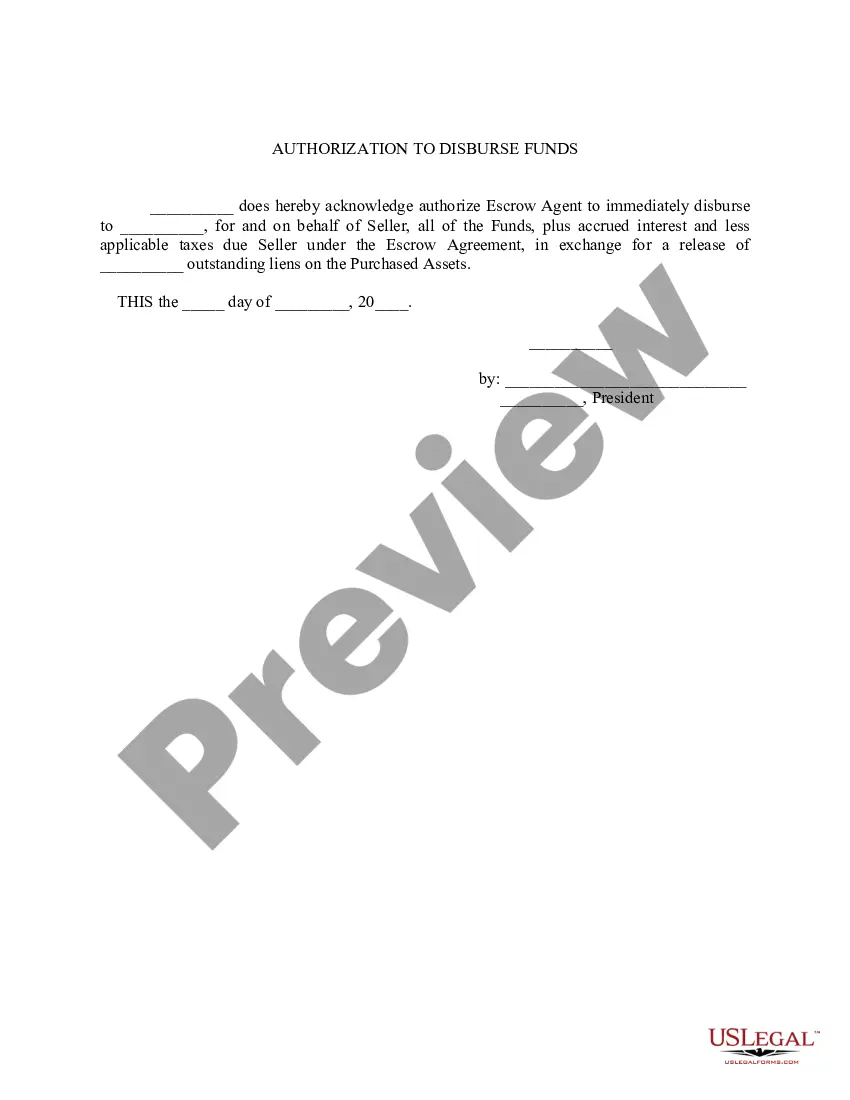
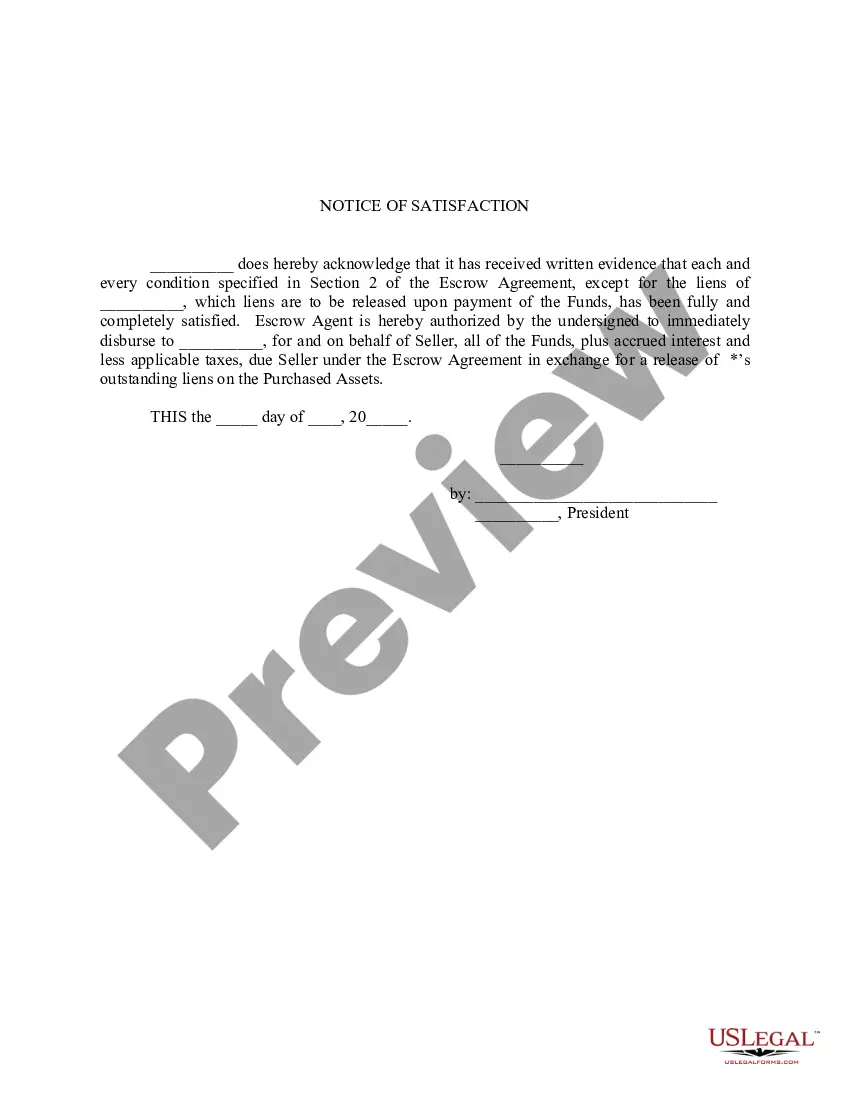
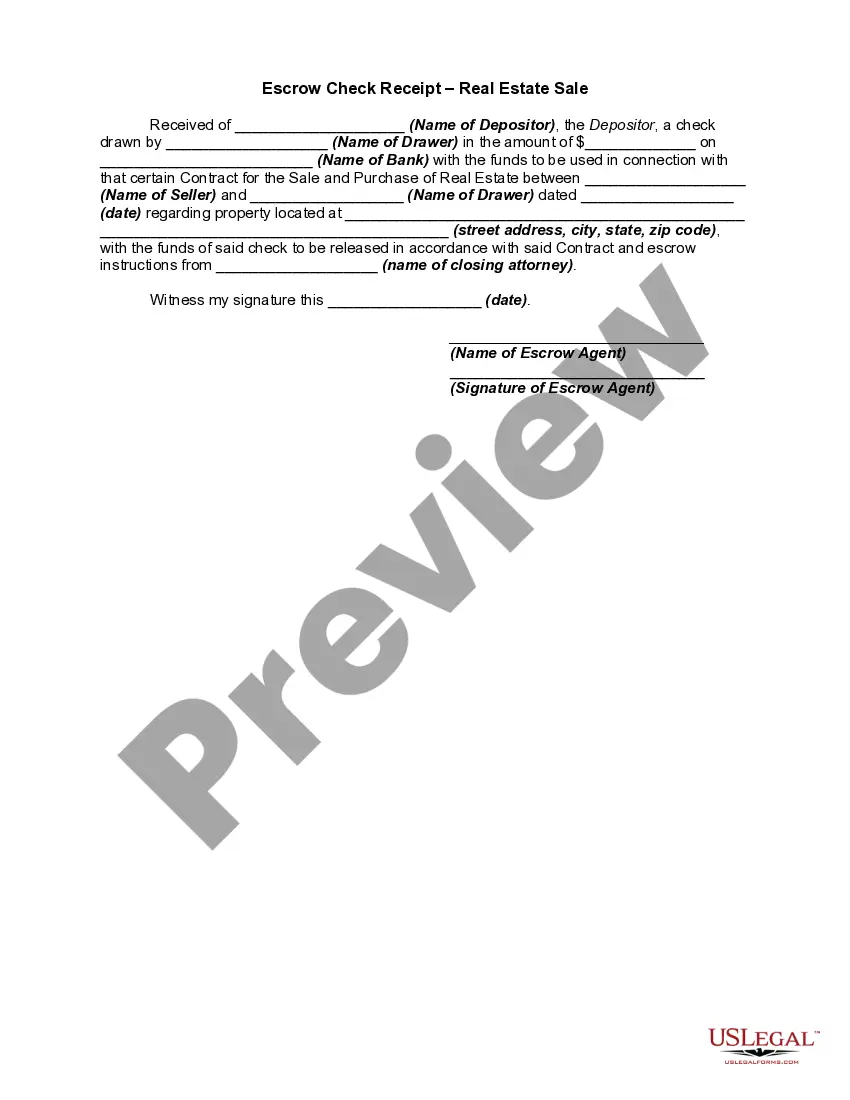
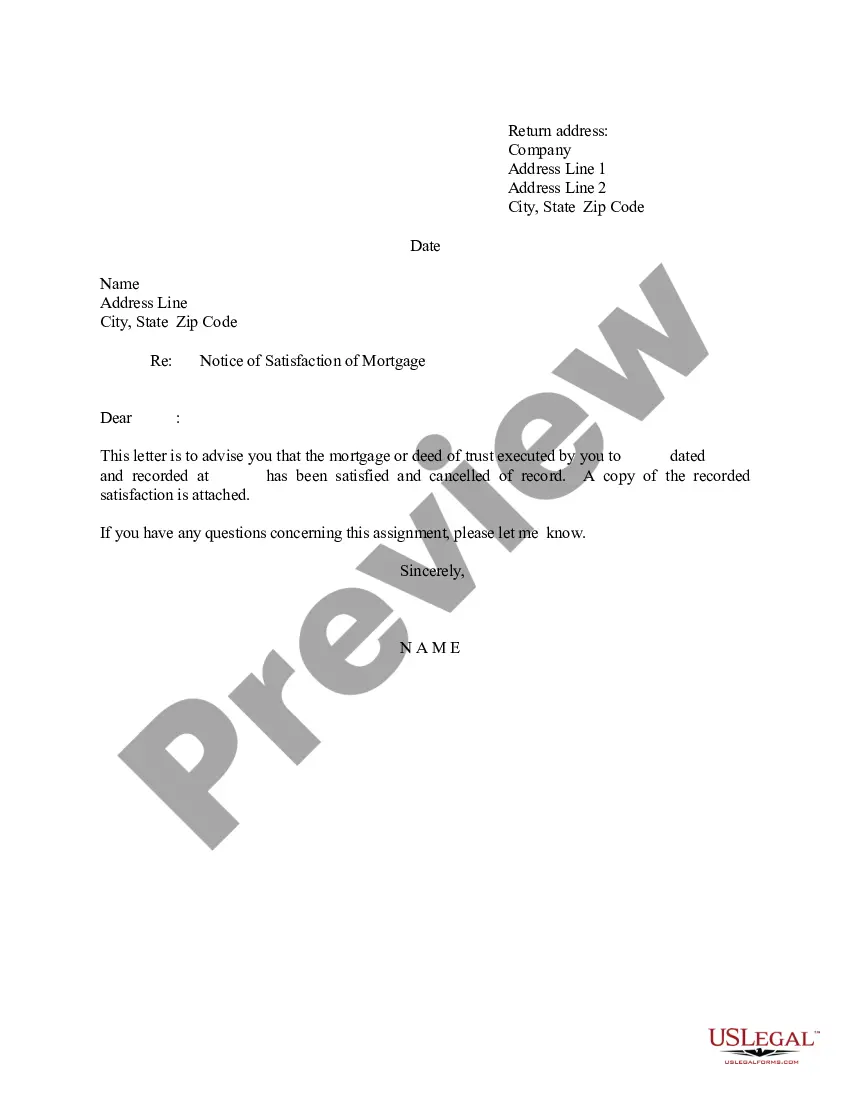
Get your form ready online
Our built-in tools help you complete, sign, share, and store your documents in one place.
Make edits, fill in missing information, and update formatting in US Legal Forms—just like you would in MS Word.
Download a copy, print it, send it by email, or mail it via USPS—whatever works best for your next step.
Sign and collect signatures with our SignNow integration. Send to multiple recipients, set reminders, and more. Go Premium to unlock E-Sign.
If this form requires notarization, complete it online through a secure video call—no need to meet a notary in person or wait for an appointment.
We protect your documents and personal data by following strict security and privacy standards.

Make edits, fill in missing information, and update formatting in US Legal Forms—just like you would in MS Word.

Download a copy, print it, send it by email, or mail it via USPS—whatever works best for your next step.

Sign and collect signatures with our SignNow integration. Send to multiple recipients, set reminders, and more. Go Premium to unlock E-Sign.

If this form requires notarization, complete it online through a secure video call—no need to meet a notary in person or wait for an appointment.

We protect your documents and personal data by following strict security and privacy standards.
Looking for another form?


Form popularity
FAQ
In essence, an escrow is a type of legal holding account for funds or assets, which won't be released until certain conditions are met. The escrow is held by a neutral third party, which releases it either when those predetermined contractual obligations are fulfilled or an appropriate instruction is received.
There are two types of property tax refunds in Minnesota. One is income based and you may apply for this if your household income is less than $128,280; you owned and occupied a home in Minnesota; are filing a refund for 2021 or later; did not rent out your home; and did not use your home for business.
There are two types of property tax refunds in Minnesota. One is income based and you may apply for this if your household income is less than $128,280; you owned and occupied a home in Minnesota; are filing a refund for 2021 or later; did not rent out your home; and did not use your home for business.
What is the Senior Citizens Property Tax Deferral Program? The Senior Citizens Property Tax Deferral Program allows property taxpayers who are 65 years or older, and whose total household income is $96,000 or less, to defer a portion of their homestead property taxes until some later time.
For refund claims filed in 2024, based on property taxes payable in 2024 and 2023 household income, the maximum refund is $3,310. Homeowners whose income exceeds $135,410 are not eligible for a refund.
Each month, the lender deposits the escrow portion of your mortgage payment into the account and pays your insurance premiums and real estate taxes when they are due. Your lender may require an “escrow cushion,” as allowed by state law, to cover unanticipated costs, such as a tax increase.
Class Rates for Taxes Payable in 2025 Property TypeClass Rate (%)Tax Code(a) Nonhomestead resorts Up to $500,000 1.0 S2, R Over $500,000 1.25 S2, R Miscellaneous Properties46 more rows
Residential non-homestead properties are residential properties that are not occupied by the owner or a qualifying relative. Residential non-homestead includes: Class 4b(1) residential real estate containing less than four units that does not qualify as class 4bb, other than seasonal residential recreational.
Overview of Minnesota Taxes Property tax rates in Minnesota are close to the national average. The state's effective property tax rate is 1.05%, compared to the national average of 0.90%.
Looking for your property tax statement? You can get a copy of your property tax statement from the county website or county treasurer where the property is located. For websites and contact information, visit County Websites on Minnesota.