Escrow Seller Does For Seller In Florida
Description

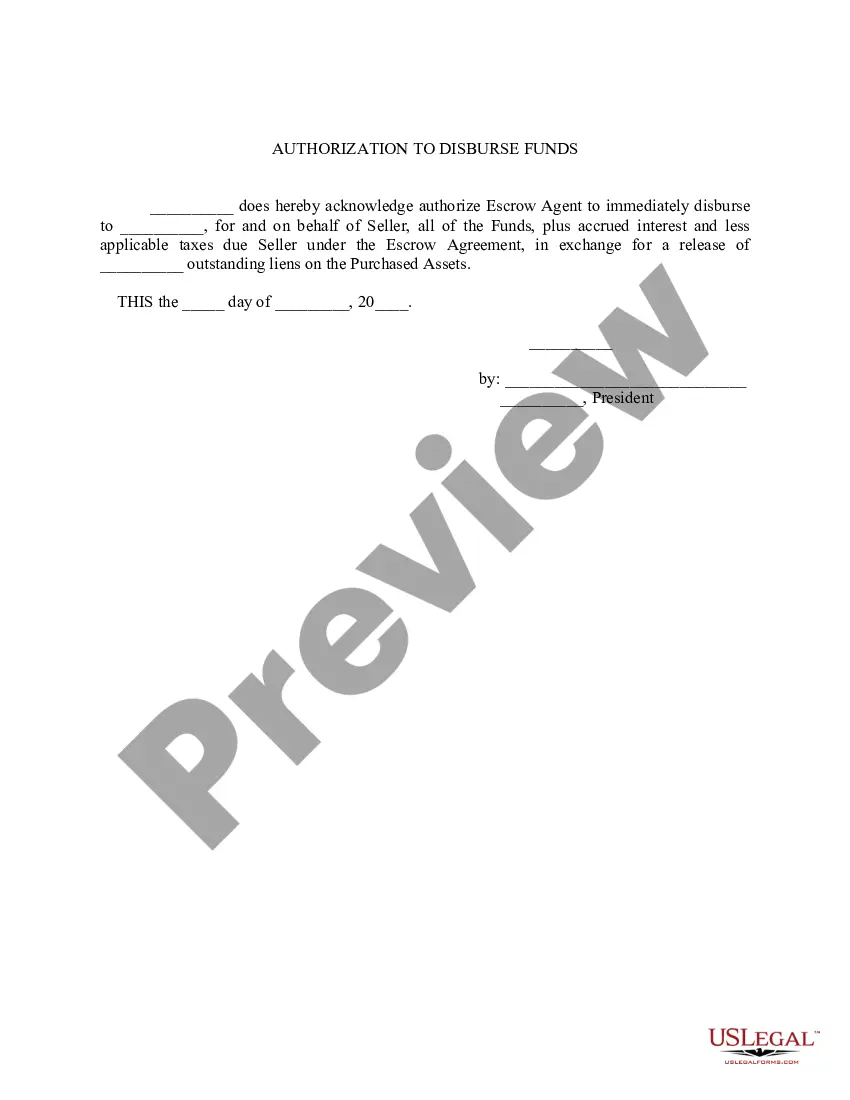
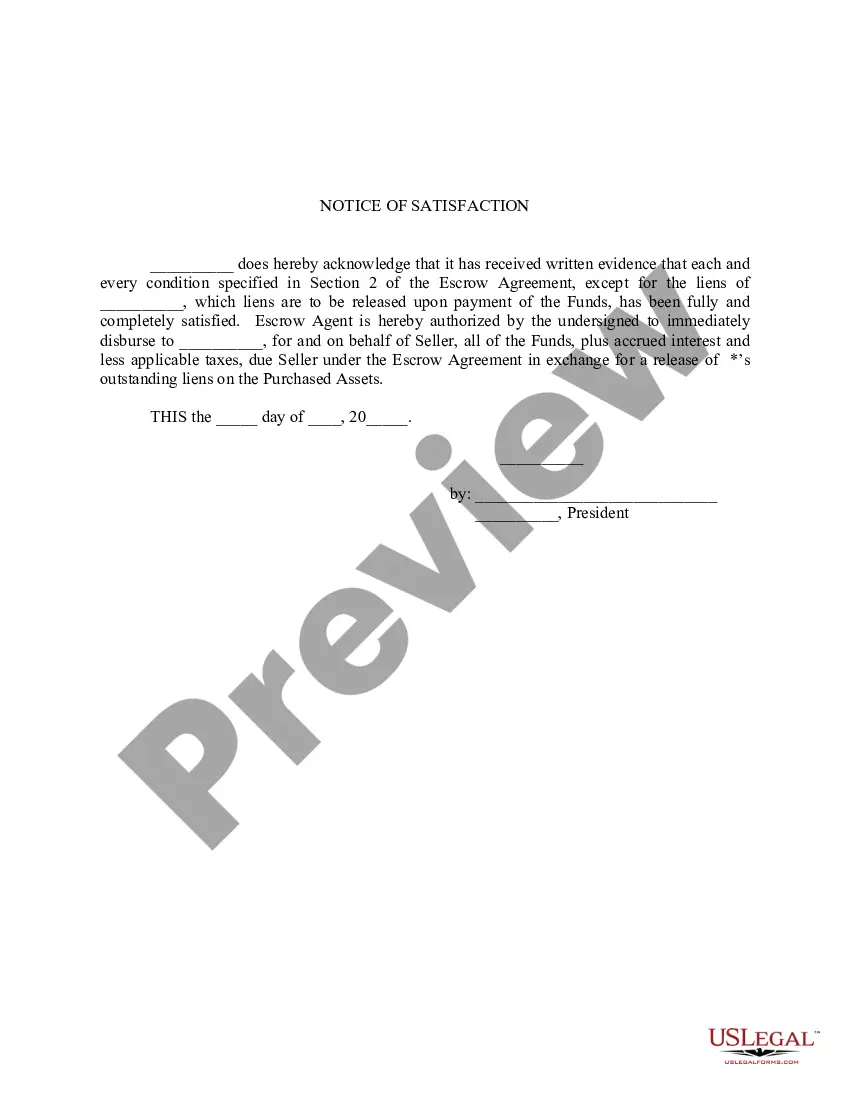
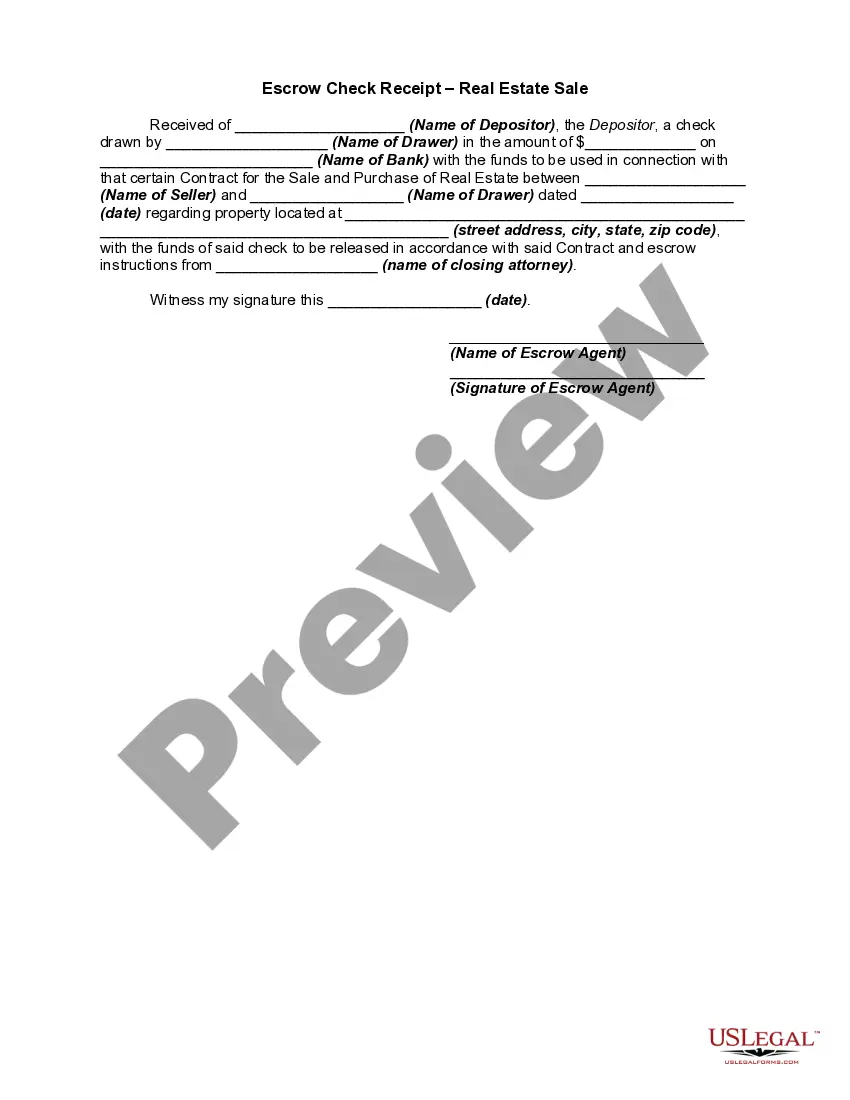
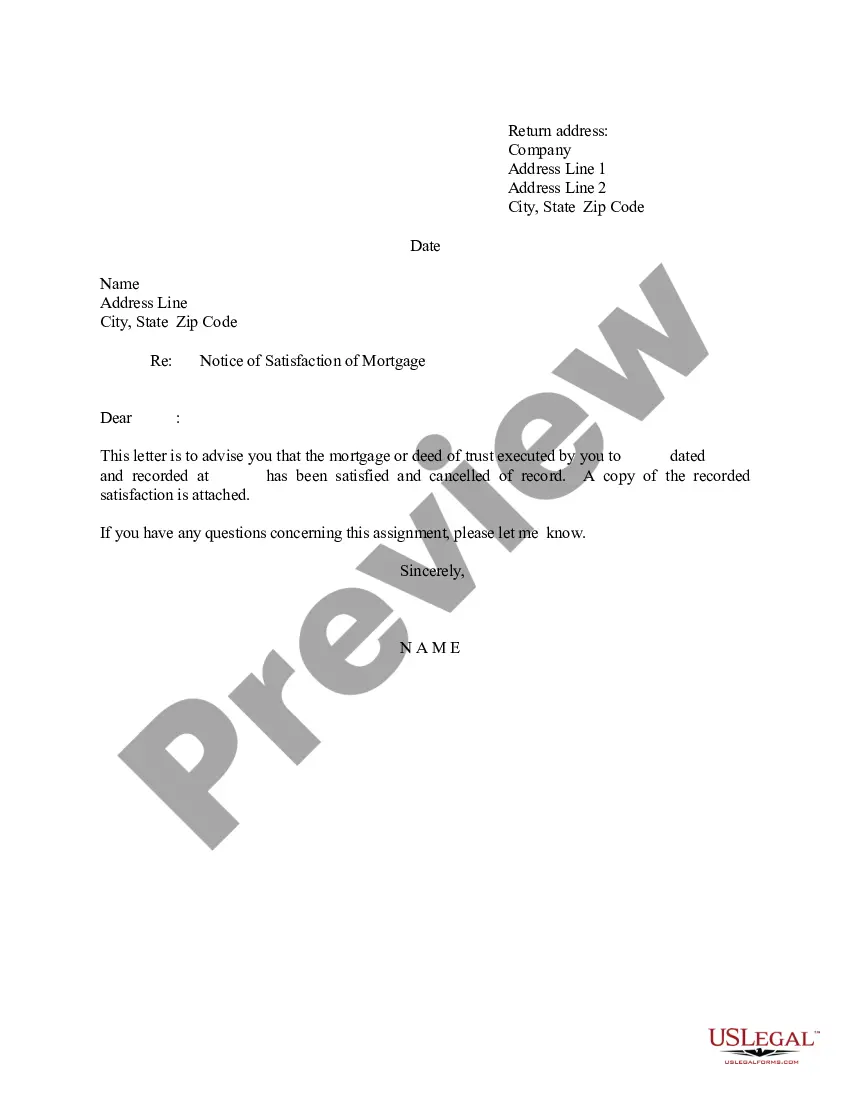
Get your form ready online
Our built-in tools help you complete, sign, share, and store your documents in one place.
Make edits, fill in missing information, and update formatting in US Legal Forms—just like you would in MS Word.
Download a copy, print it, send it by email, or mail it via USPS—whatever works best for your next step.
Sign and collect signatures with our SignNow integration. Send to multiple recipients, set reminders, and more. Go Premium to unlock E-Sign.
If this form requires notarization, complete it online through a secure video call—no need to meet a notary in person or wait for an appointment.
We protect your documents and personal data by following strict security and privacy standards.

Make edits, fill in missing information, and update formatting in US Legal Forms—just like you would in MS Word.

Download a copy, print it, send it by email, or mail it via USPS—whatever works best for your next step.

Sign and collect signatures with our SignNow integration. Send to multiple recipients, set reminders, and more. Go Premium to unlock E-Sign.

If this form requires notarization, complete it online through a secure video call—no need to meet a notary in person or wait for an appointment.

We protect your documents and personal data by following strict security and privacy standards.
Looking for another form?








Form popularity
FAQ
The escrow agent must act on behalf of the best interests of both parties: the buyer and the seller. A closing agent is another neutral third-party that manages the entire process of homebuying on your behalf.
Common closing costs for sellers include Realtor commission fees, fees related to paying off their existing mortgage and transfer taxes, which in Florida are called documentary stamp taxes.
These duties include: Duty of care: An escrow agent must always act reasonably, protecting the assets entrusted to them as if they owned them. Duty of impartiality: When holding the assets in escrow, the agent must act neutrally and fairly between the parties in a transaction.
In this situation, you may wonder if there is a way to cut costs – such as by not hiring a lawyer to handle the transaction. In Florida, you are not required to use a lawyer when buying or selling a home. That being said, real estate transactions are legal matters and are full of potential pitfalls.
In California, the buyer may choose the escrow company.
The buyer in the real estate sales transaction generally makes the selection of the escrow holder/agent and the title insurance company intending to issue the title insurance coverage. A real estate broker should consult the escrow holder/agent before informing the principals that escrow will close on a certain date.
But who is responsible for hiring an escrow agent? The responsibility can lie with any party involved in the transaction. The buyer, seller or either real estate agent may choose an escrow agent during a real estate sale, but the escrow service provider that is selected must be agreed upon by all parties.
